



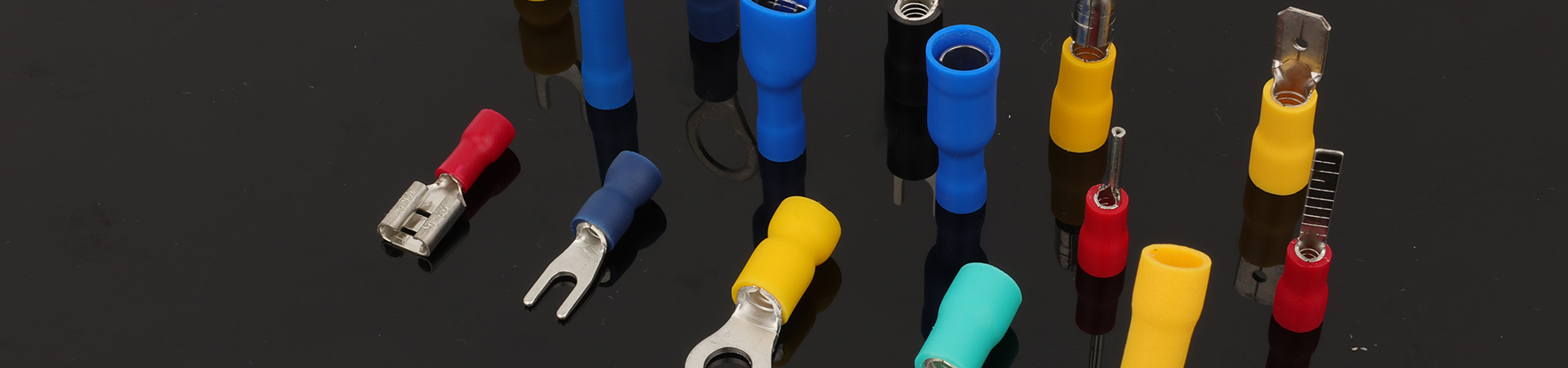
E Type Cord End Terminal
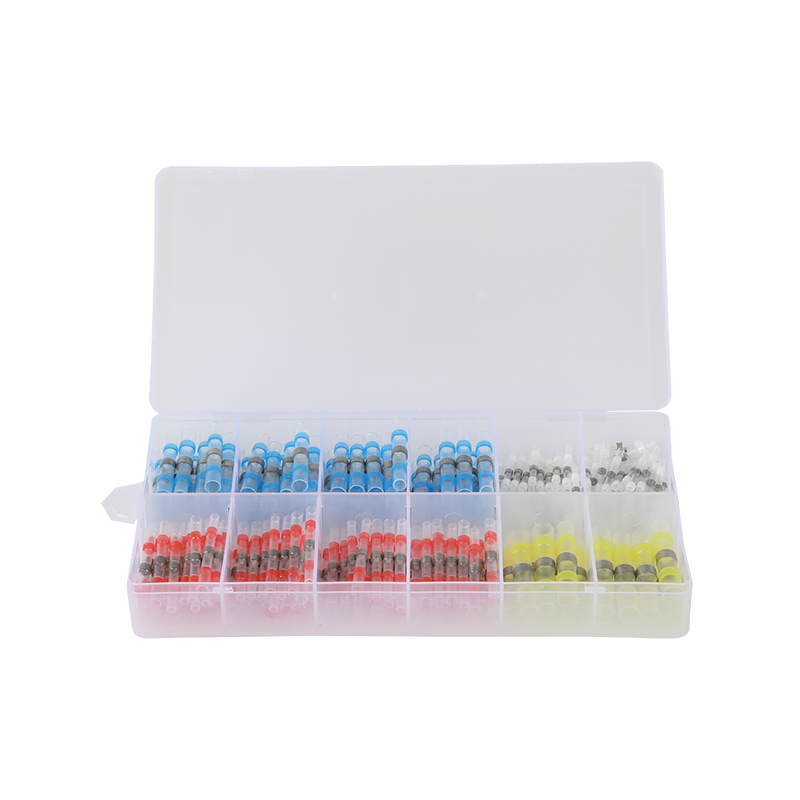
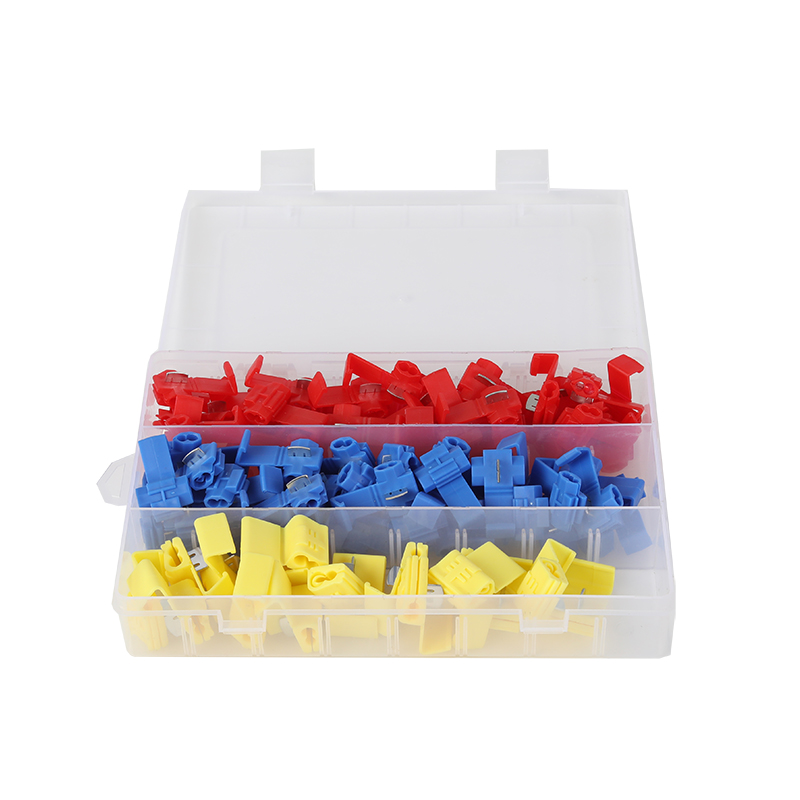
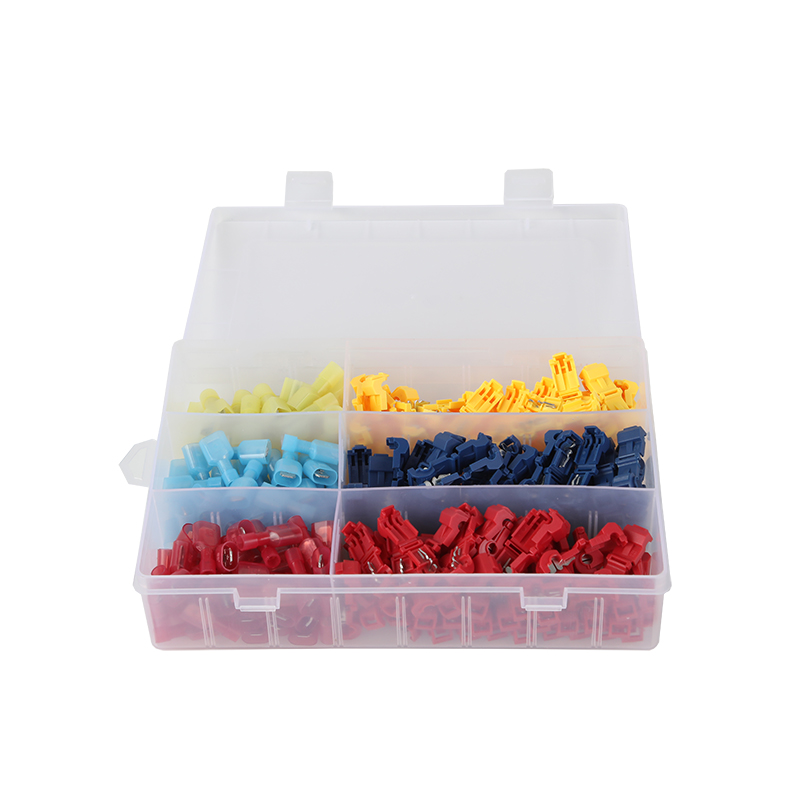
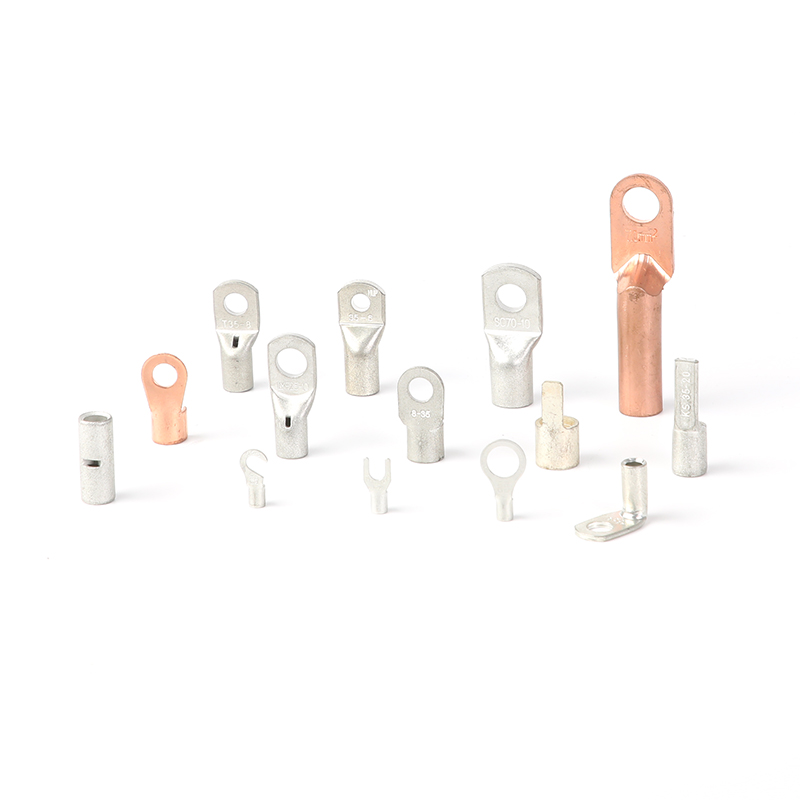
Copper Nose Cable Terminal
1. What is a Copper Lug? — The "Best Courier" for Electric Current
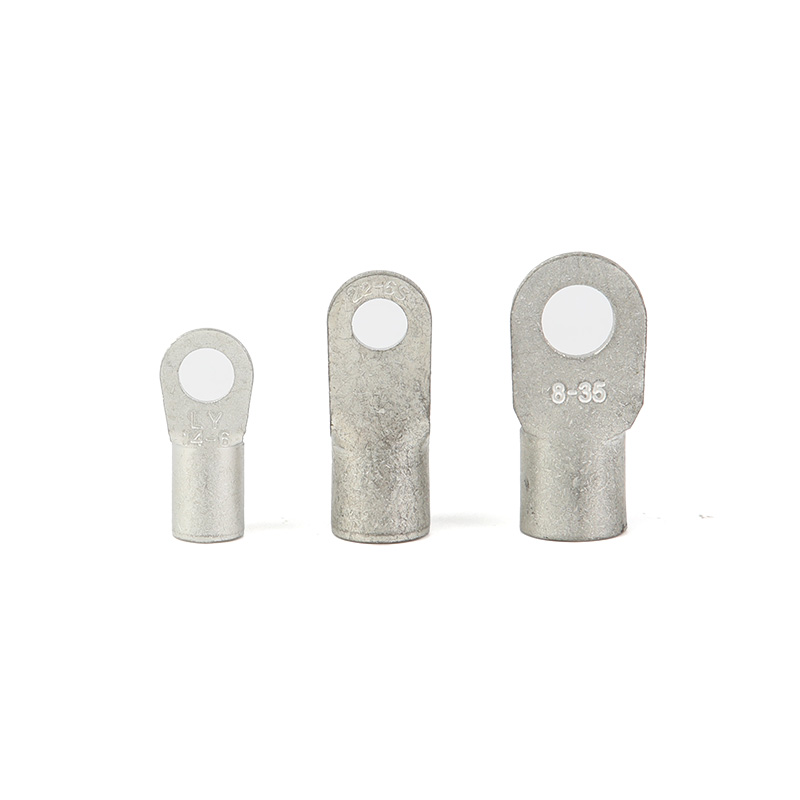
In electrical engineering, a copper lug (also known as a wire lug, terminal, or copper wire terminal) is an essential copper connector for linking wires and cables to electrical devices. One end firmly "bites" the cable's copper core, while the other end is fastened to the equipment with a screw.
It is not only a physical connection but also a guarantee of electrical conductivity. Without it, stranded wires can easily fray, overheat, or even cause fires; with it, connections are standardized, resistance is minimal, and power transmission is smooth and unobstructed. According to wiring regulations, stranded copper wires over 4mm² must be fitted with a copper lug before connection.
2. Why Use a Copper Lug? Eye-catching Selling Points
Safety with "Zero" Compromise: Eliminates loose wiring and overheating sparks. Contact resistance is minimized, protecting the circuit from the source and giving you peace of mind every second.
Super Conductivity Efficiency: Made of high-purity T2 copper, with extremely high electrical conductivity, nearly zero power loss, and energy transmission without attenuation.
Anti-oxidation "Golden" Shield: Although copper conducts well, it oxidizes easily. Our product features a tin-plated surface, maintaining a silver-white sheen while isolating moisture, providing salt-spray and corrosion resistance, and a lifespan far exceeding ordinary red copper products.
Quick Installation Experience: The ergonomically designed crimping part, combined with a peek window design, allows installation with just one crimping plier pressing in place, improving construction efficiency by 50%.
3. Material and Craftsmanship — Inner Quality Determines Outer Strength
Selected Materials: Strictly use T2 copper (purity ≥99.9%). No recycled or brass substitutes. T2 copper has good ductility, leaves no burrs after turning or stamping, and is not prone to cracking during crimping.
Advanced Craftsmanship:
Stamping vs Turning: Depending on specifications, either high-speed continuous stamping molds or precision turning is used. For DT series large sizes, high-quality copper rods are turned to ensure thick walls and tensile strength.
Surface Treatment: Fully automatic tin plating. The tin layer is uniform and thick, providing excellent oxidation resistance and preventing "copper damage" when copper contacts rubber-insulated cables.
Oil-sealing Design: Some DT models have built-in sealing rings that fill with grease after crimping, remaining durable even in corrosive environments such as seaside or chemical plants.
Selected Materials: Strictly use T2 copper (purity ≥99.9%). No recycled or brass substitutes. T2 copper has good ductility, leaves no burrs after turning or stamping, and is not prone to cracking during crimping.
Advanced Craftsmanship:
Stamping vs Turning: Depending on specifications, either high-speed continuous stamping molds or precision turning is used. For DT series large sizes, high-quality copper rods are turned to ensure thick walls and tensile strength.
Surface Treatment: Fully automatic tin plating. The tin layer is uniform and thick, providing excellent oxidation resistance and preventing "copper damage" when copper contacts rubber-insulated cables.
Oil-sealing Design: Some DT models have built-in sealing rings that fill with grease after crimping, remaining durable even in corrosive environments such as seaside or chemical plants.