



News
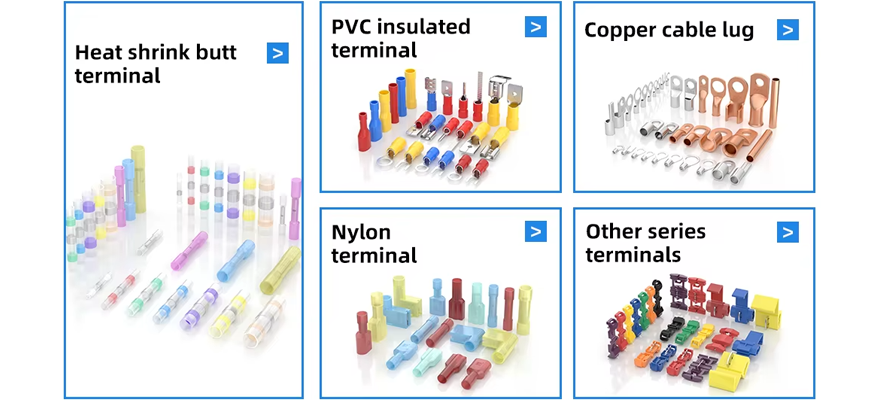
A Decade of Excellence: Yueqing Gaopeng Electric Co., Ltd. – Building the Future of Electrical Connectivity
If there's one thing modern industries rely on, it's strong and reliable electrical connections. And for more than a decade, Yueqing Gaopeng Electric Co., Ltd. has been at the forefront of delivering just that. As a trusted name in the field of terminal block manufacturing, Gaopeng has built its reputation on quality, innovation, and a wide range of products. From screw clamp terminal blocks to spring clamp terminals and push-in terminal blocks, Gaopeng provides solutions that power industries around the globe. Here’s a closer look at how this company is shaping the future of electrical connectivity and what makes it the go-to choice for so many businesses.
One Terminal, Multiple Markets: How Gaopeng Simplifies Global Certification for Your Products
In today’s interconnected electrical industry, a control panel built in China might be shipped to Germany, a machine manufactured in Italy could end up in Brazil, and components sourced from several countries must all work together seamlessly. Yet, one of the most frustrating and costly hurdles for OEMs, panel builders, and distributors is navigating the maze of regional product certifications. A terminal block that is perfectly legal in one country may cause an entire panel to fail inspection in another. At Yueqing Gaopeng Electric Co., Ltd., we have turned this challenge into a competitive advantage. By designing and certifying our terminal blocks, ferrules, and crimp terminals to meet multiple international standards simultaneously, we help our customers reduce compliance costs, shorten time‑to‑market, and sell their products anywhere in the world with confidence.
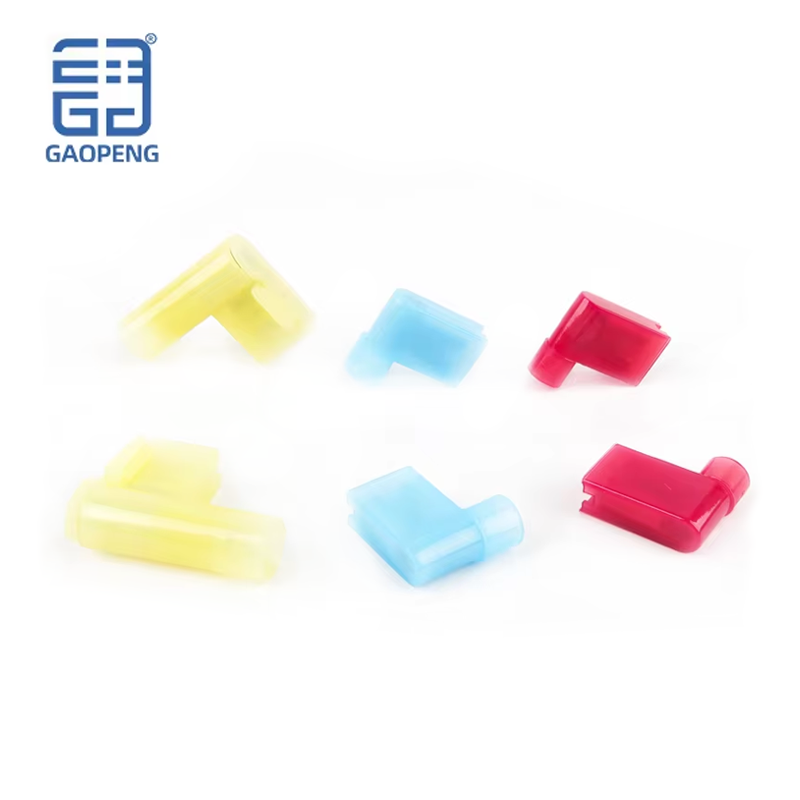
Engineering the Gap: Why FLDNY is Transitioning High-Performance Terminal Blocks to Reinforced Nylon 66
The global industrial controls landscape is currently facing a silent but significant supply chain and performance crisis. For decades, electrical cabinets in heavy machinery, HVAC, and automation systems have relied on brittle thermosets or standard polyamide for terminal block insulation. However, as voltage densities increase and operational environments become more volatile, traditional materials are reaching their breaking point—literally.
FLDNY, a leading manufacturer of high-density wiring solutions for the export market, is pleased to announce a strategic overhaul of its core product series: the adoption of High-Rigidity, V-0 Flame-Retardant Nylon 66 (PA66) as the standard substrate for its new generation of feed-through, ground, and disconnect terminal blocks.
This is not merely a raw material substitution. It is a comprehensive engineering response to the top three complaints global buyers report: screw thread stripping under high torque, insulator cracking in sub-zero installations, and carbon tracking in high-humidity environments.
10 Common Terminal Selection Mistakes and How Expert Engineers Avoid Them
Selecting the right terminal block or crimp terminal might appear simple, but our decades of experience at Yueqing Gaopeng Electric Co., Ltd. have shown that even experienced engineers can fall into recurring traps. These mistakes lead to premature failures, safety hazards, and unnecessary costs. In this article, we identify ten of the most common terminal selection errors and provide expert guidance on how to avoid them. Whether you are designing a new control panel, maintaining existing equipment, or sourcing components for a global project, these insights will help you make more reliable choices.
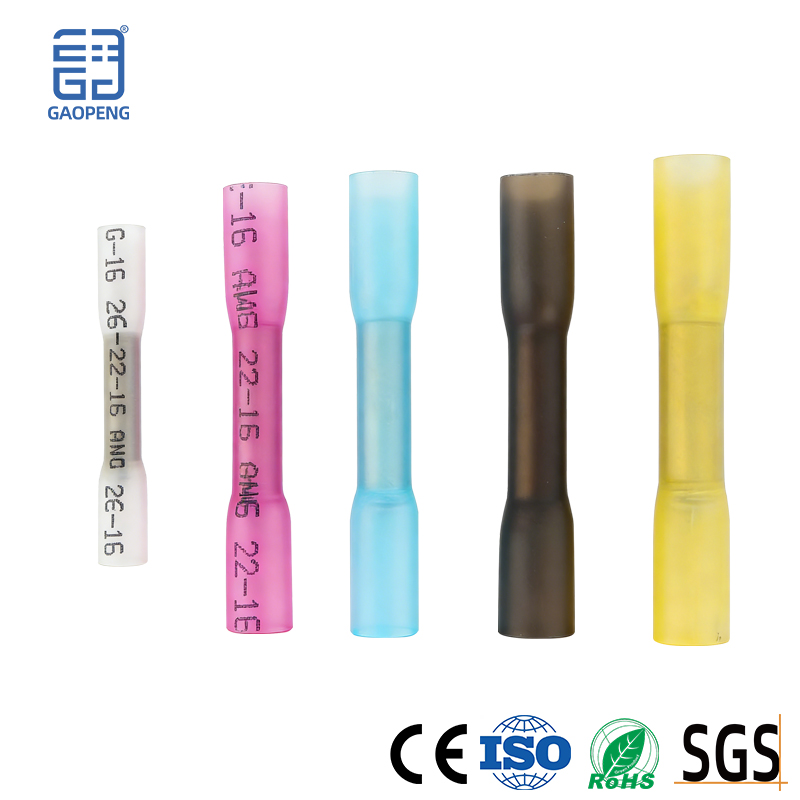
Revolutionizing Wire Harness Protection: Why Our BHT Heat Shrinkable End Caps Are the Industry’s New Standard for Sealing & Insulation
In the high-stakes world of terminal block connectivity and wire harness management, the smallest component often dictates the lifespan of the entire system. For industries ranging from marine electronics to automotive manufacturing, the battle against corrosion, vibration, and dielectric breakdown is constant.
Today, [Your Company Name] — a global leader in high-precision electrical connectivity solutions — is proud to announce the official launch of our enhanced BHT Series Heat Shrinkable End Caps . Engineered specifically for harsh-duty applications, this new generation of sealing technology redefines what buyers should expect from wire termination protection.
If you are a procurement manager or design engineer tired of failed crimps, moisture wicking, or bulky insulation methods, this is your technical upgrade.
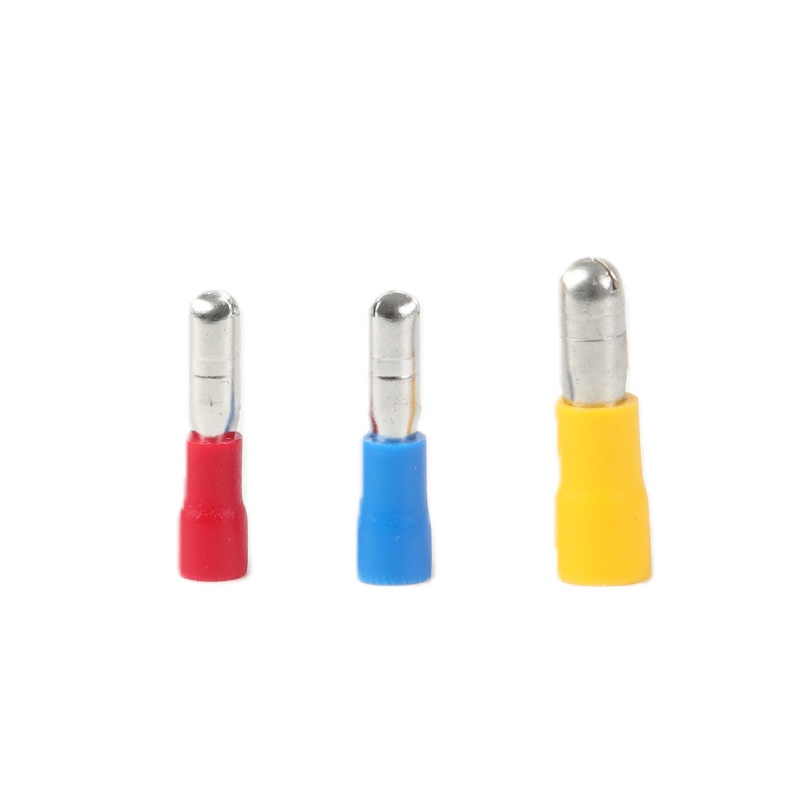
Yueqing Gaopeng Electric Co., Ltd. Unveils Next-Gen PVC MPD Terminal Blocks: Redefining Safety and Efficiency in Industrial Wiring
Yueqing Gaopeng Electric Co., Ltd. – a recognized ISO 9001:2015 certified manufacturer and exporter of high-performance wiring solutions – is proud to announce the official release of its upgraded PVC MPD (Multi-Purpose Distribution) Terminal Block Series.
With over a decade of experience serving the European, North American, Southeast Asian, and Middle Eastern markets, Gaopeng has listened closely to feedback from panel builders, HVAC technicians, and industrial maintenance teams. The result is a complete redesign of our classic PVC terminal block line.
This new series is not merely an aesthetic refresh. It is a functional overhaul targeting three persistent industry pain points: terminal screw loosening under vibration, PVC brittleness in sub-zero environments, and cable termination time.
If you are a distributor looking for a high-margin, low-return product, or an OEM needing reliable components for control panels – this news is for you.
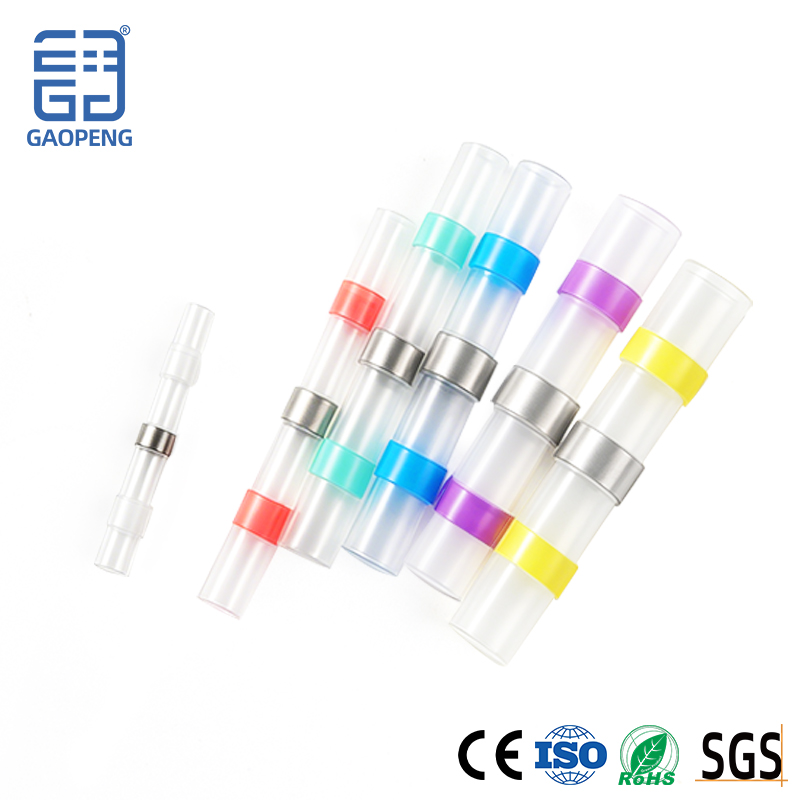
From Product Supplier to Solution Partner: How Gaopeng Empowers Customers with Technical Support and Failure Analysis
In the electrical connection industry, the relationship between manufacturer and customer has traditionally been transactional: a buyer requests a quote, places an order, and receives a shipment of terminals. The manufacturer’s responsibility ends at the factory gate. Yet, as electrical systems grow more complex and the cost of field failures escalates, customers need more than reliable components—they need a partner who can help them select, install, troubleshoot, and optimize their connections. At Yueqing Gaopeng Electric Co., Ltd., we have transformed our role from a passive supplier to an active solution partner. This article explores the technical support and failure analysis services we offer, demonstrating how we empower customers to achieve higher reliability, lower costs, and greater peace of mind.
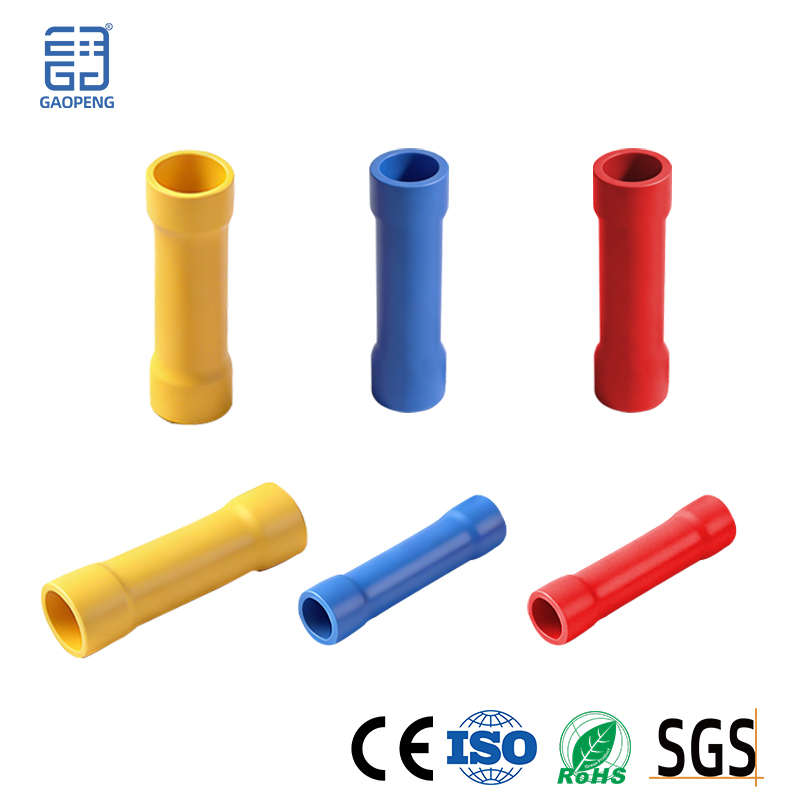
Maximizing Electrical Safety and Efficiency: Why High-Quality BV Wires Are the Backbone of Modern Infrastructure
In the fast-evolving landscape of global electrical infrastructure, the materials we choose behind the walls determine the safety, longevity, and efficiency of an entire project. As the market for PVC insulated cables continues to expand—projected to reach USD 45.56 billion by 2032 with a steady CAGR of 6.31%—procurement managers and electrical engineers are facing a critical challenge: sourcing components that balance cost-efficiency with uncompromising quality.
For Yueqing Gaopeng Electric Co., Ltd., a leading specialist in terminal block manufacturing, this conversation is vital. Our expertise doesn’t stop at connectors; we understand that the best terminal block is only as reliable as the wire it connects to. Today, we turn our focus to the unsung hero of electrical distribution: PVC BV Wire (Copper Core PVC Insulated Wire).
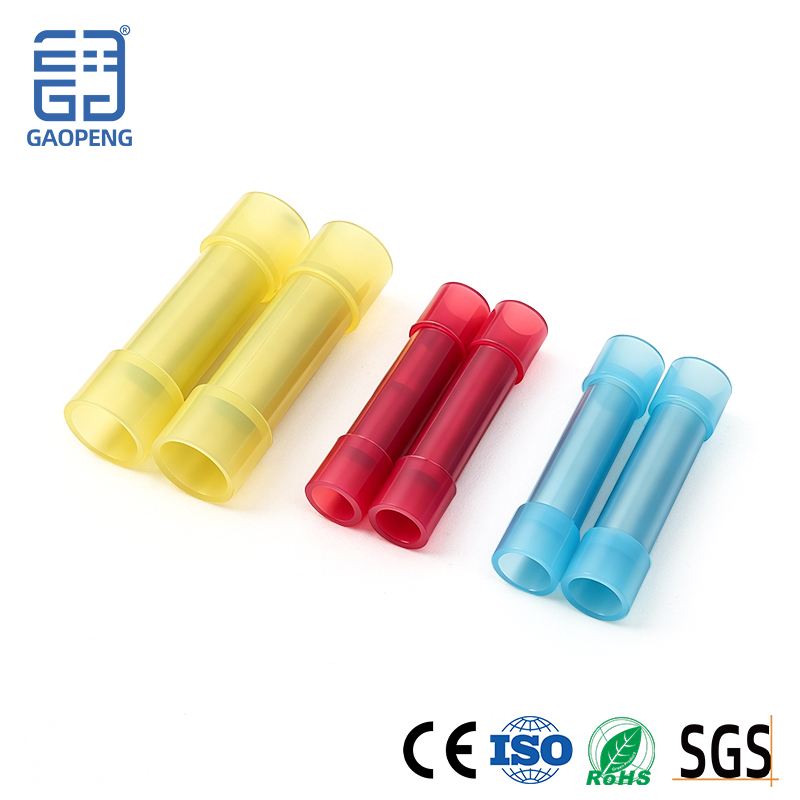
The Critical Role of Terminal Marking and Identification in Modern Electrical Systems
In the high‑stakes world of industrial control panels, building automation, and power distribution, a single misidentified wire can trigger catastrophic consequences: equipment damage, production downtime, or even safety hazards. Yet, the humble task of labeling terminals and wires is often treated as an afterthought, hurriedly completed with a permanent marker or entirely overlooked. At Yueqing Gaopeng Electric Co., Ltd., we believe that marking is not a secondary detail but a core engineering function—integral to safety, maintainability, and the long‑term success of any electrical installation. This article explores why professional terminal identification matters, the standards that govern it, and how Gaopeng’s comprehensive marking solutions help engineers and panel builders create panels that are as easy to read as they are to wire.
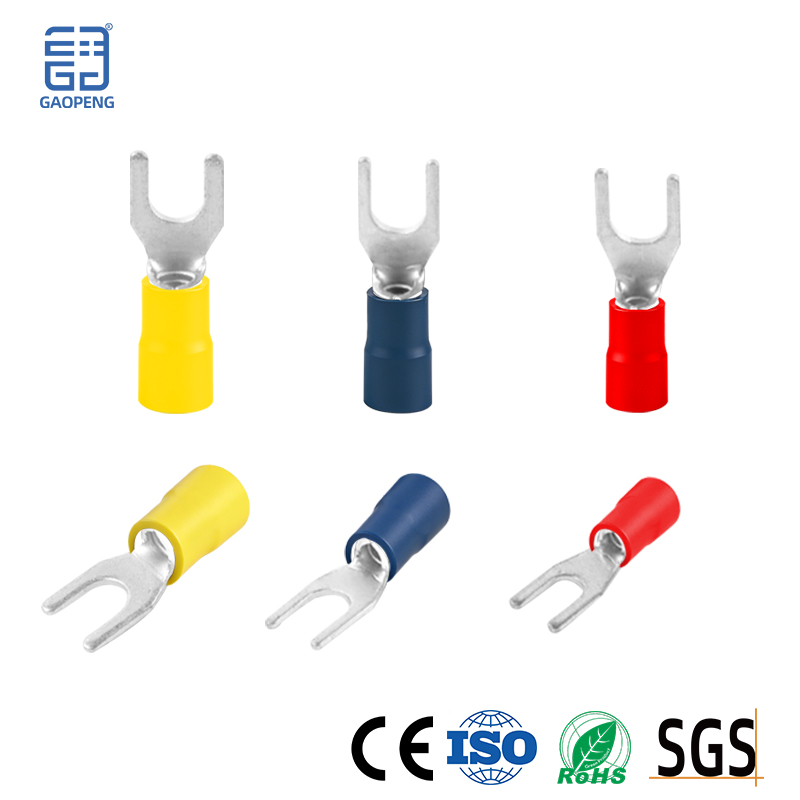
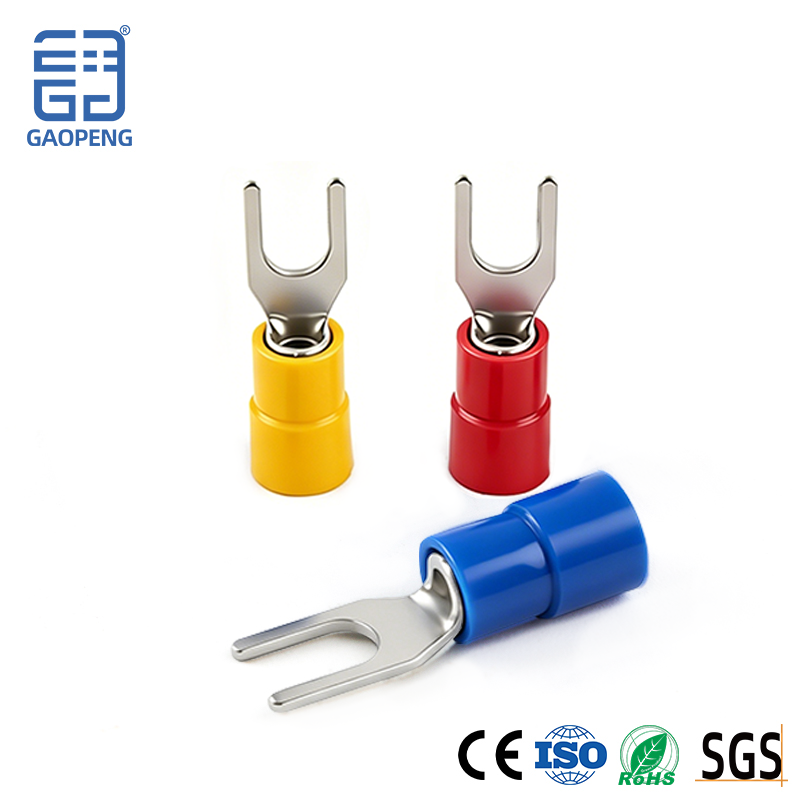
How Gaopeng Electric’s PVC SV Series Terminals Deliver Unmatched Safety and Efficiency for Your Wiring Projects
In the intricate world of electrical engineering and industrial automation, the smallest components often bear the greatest responsibility. A loose connection, a corroded terminal, or a slipped wire can lead to system failures, costly downtime, or even catastrophic safety hazards. At Yueqing Gaopeng Electric Co., Ltd., we understand that what holds your projects together matters. Today, we are proud to put the spotlight on a core component of our product lineup that embodies our commitment to quality and performance: the PVC Insulated SV Series Fork (Spade) Terminal.
Whether you are a distributor stocking up on high-demand consumables or a project manager sourcing materials for a large-scale industrial installation, understanding the engineering behind these terminals is key. This article gives you an in-depth look at why Gaopeng’s SV Series stands out in the competitive landscape.