



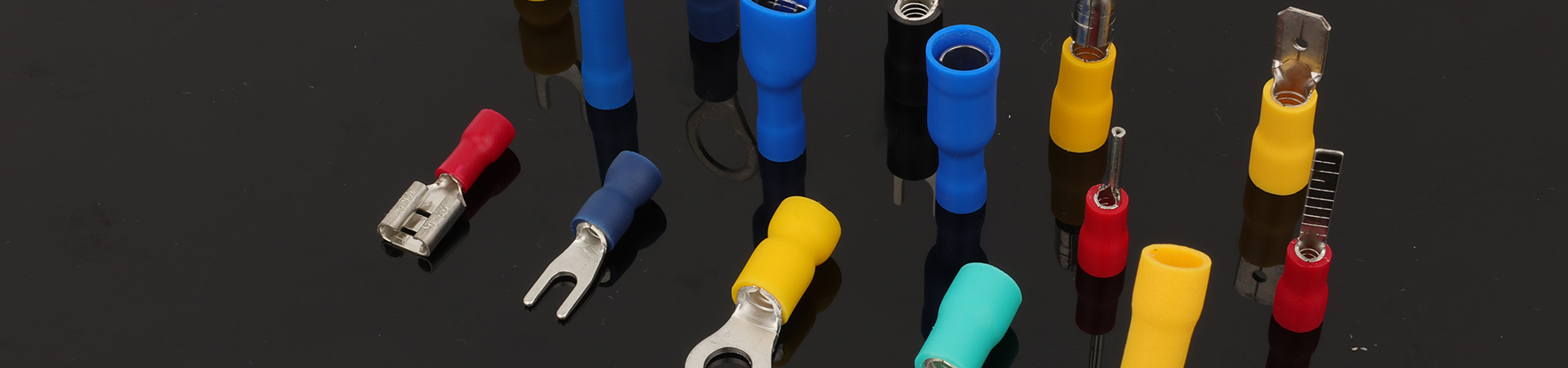
Cable Lugs
0102030405
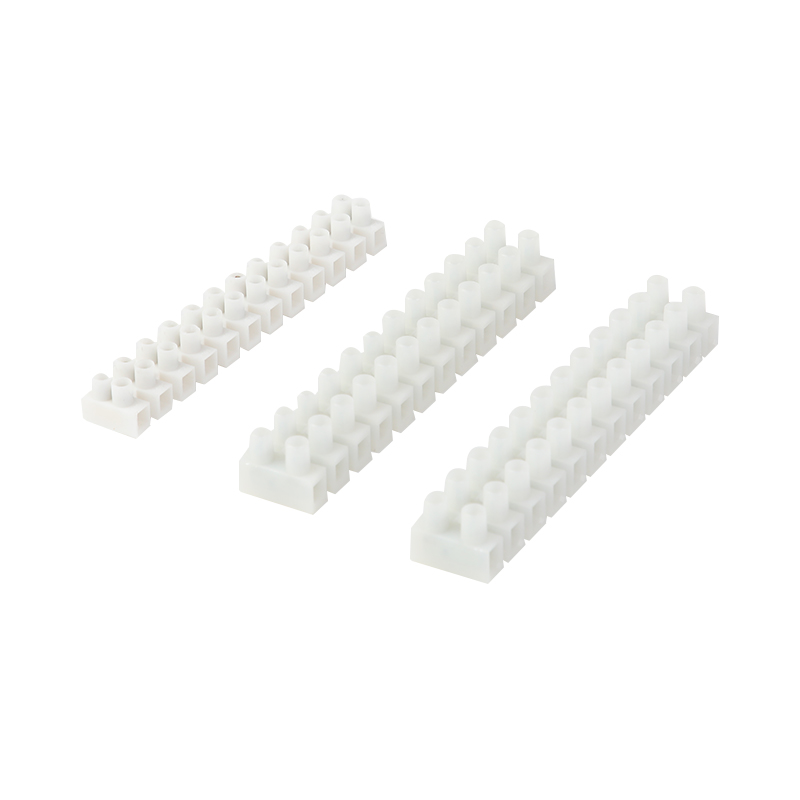
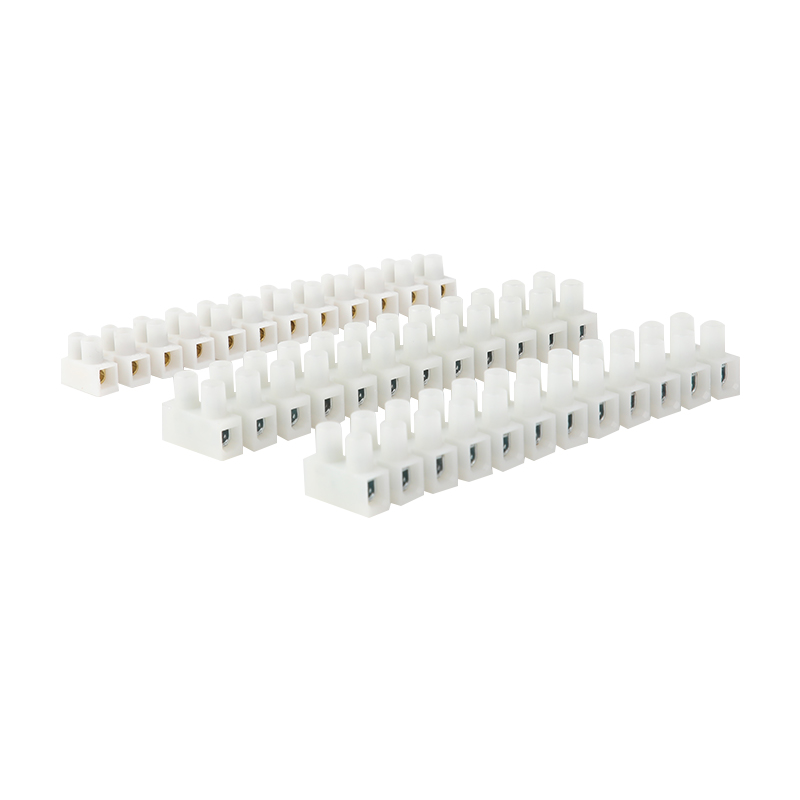
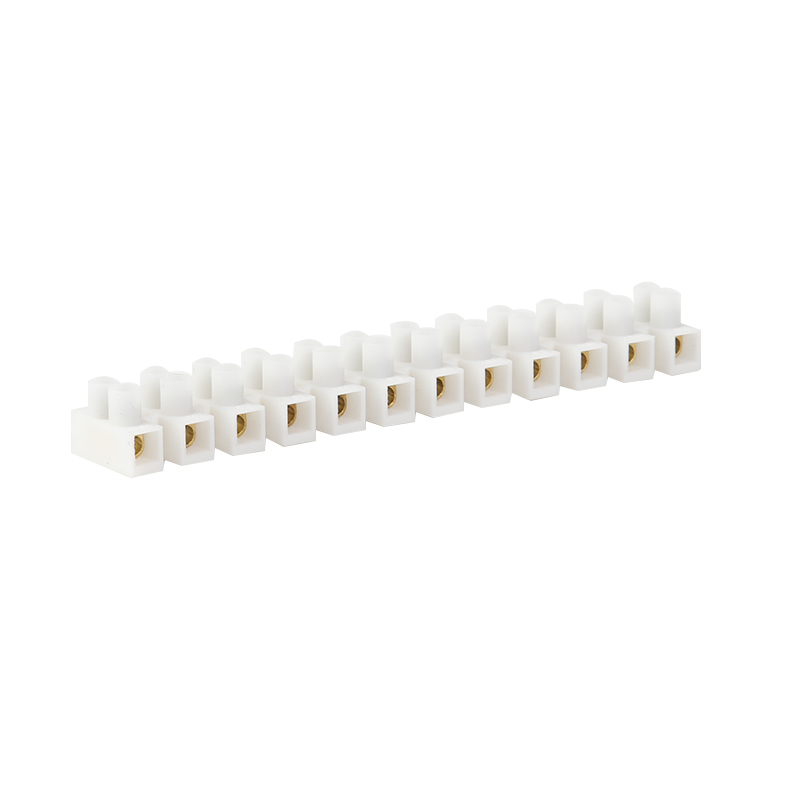
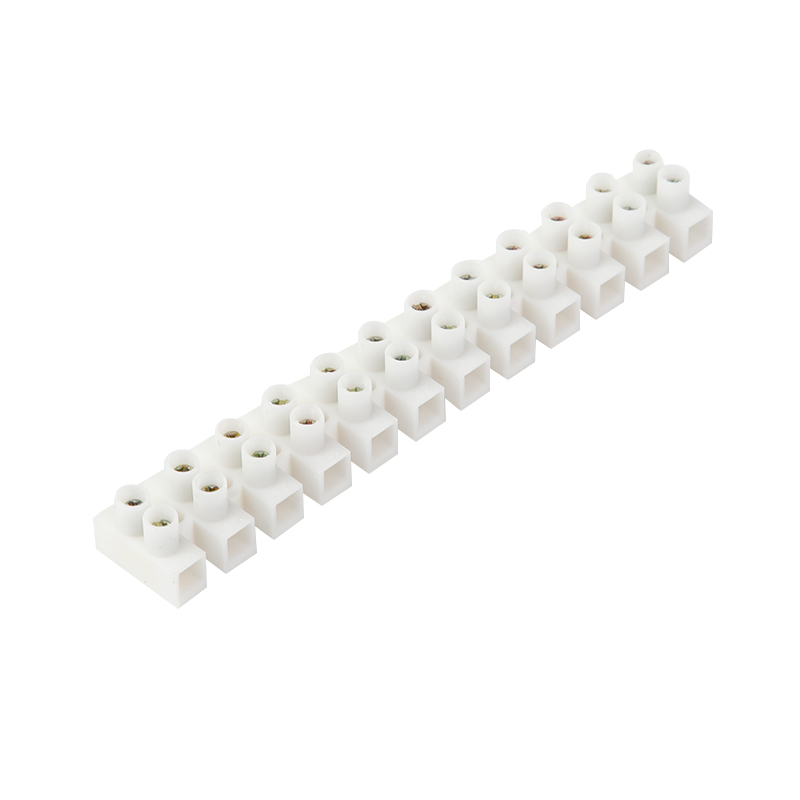
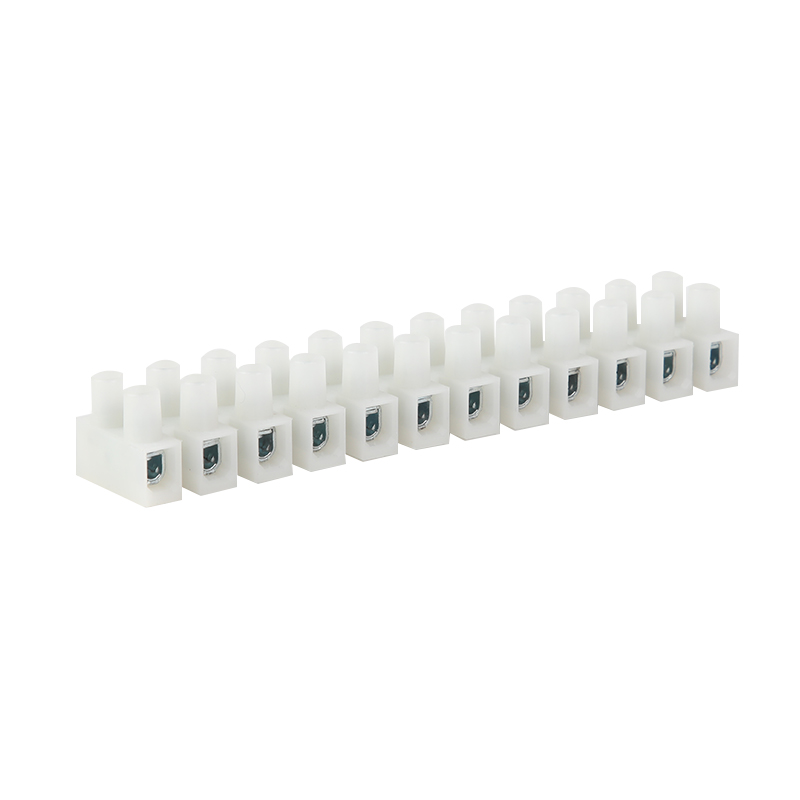
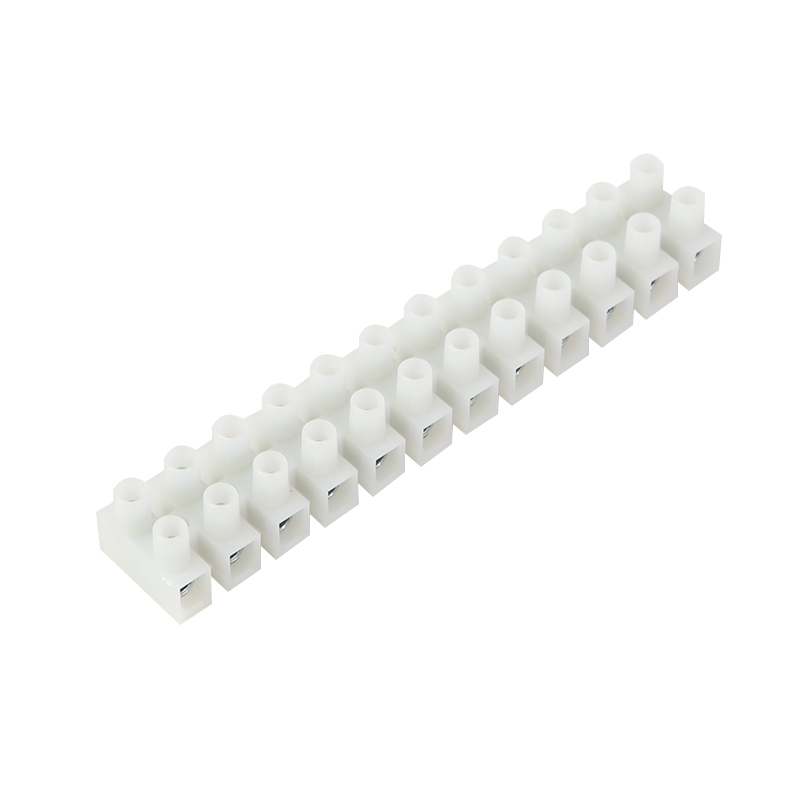
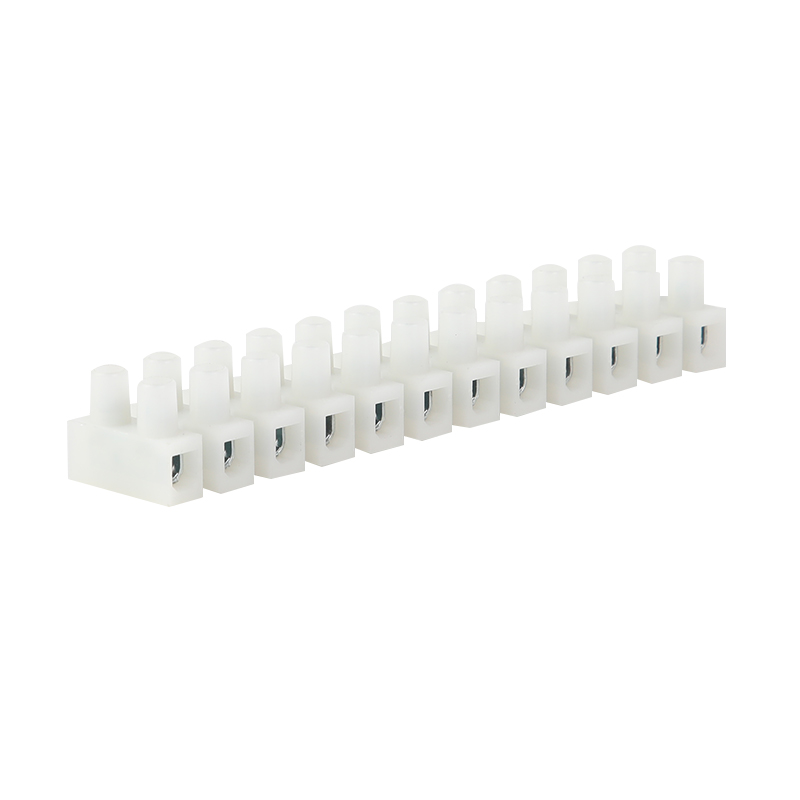
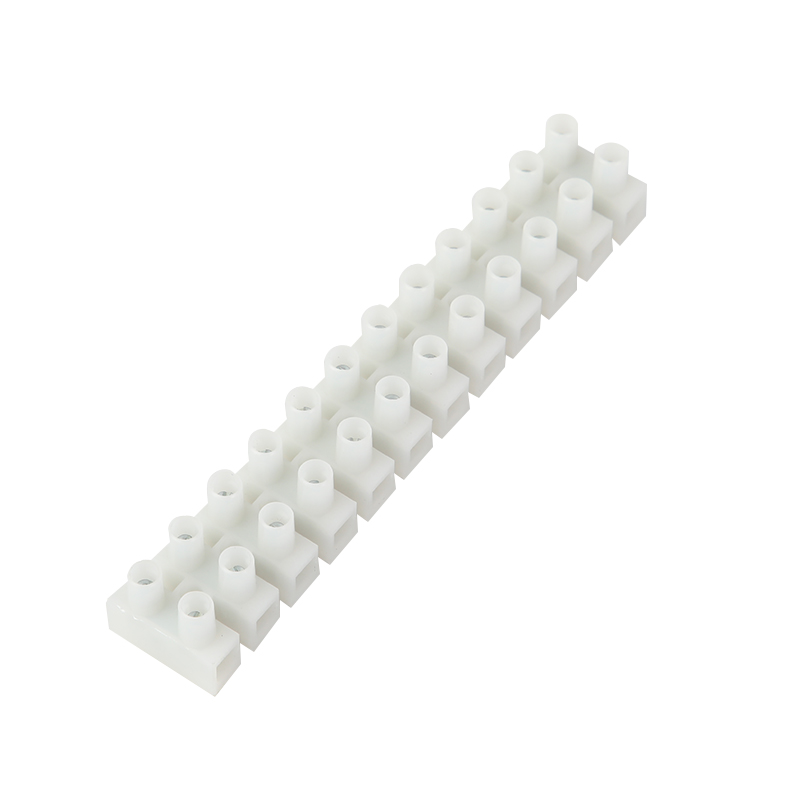
H Type Feed Through Terminal Block Connector Pitch Strip Connector
H-type terminal blocks are a widely used type of wiring terminal, named for their insulating base shaped like the letter 'H' (also referred to as U-type or through-type). They typically use screw-connect wire technology to achieve safe and reliable electrical connections.
The main use of H-type terminal blocks is to serve as a point for securing, connecting, and bridging electrical wires and cables. They bring wires from the power source or the front end of a device and, through internal conductive metal components, transmit current or signals steadily to the back end or another wire, functioning as a transition, distribution, or transfer point. Due to their simple structure, low cost, and ease of use, they are widely applied in various scenarios: Lighting industry: Widely used in the internal wiring of various LED lights, fluorescent lamps, and ceiling lights, serving as one of the standard components for lighting connections. Home appliance manufacturing: Applied inside industrial and household appliances such as fans, washing machines, and microwaves, for securing and connecting internal circuits. Electrical and electronic equipment: Common in power supply devices, filters, electrical control cabinets, and transmission equipment, particularly suitable for situations requiring a 'wall-through' solution, where wires need to connect from inside the cabinet to the outside. Commercial and public facilities: Used for supermarket shelf lighting, billboards, temporary power systems, and other locations that require quick wiring or distribution.
The main use of H-type terminal blocks is to serve as a point for securing, connecting, and bridging electrical wires and cables. They bring wires from the power source or the front end of a device and, through internal conductive metal components, transmit current or signals steadily to the back end or another wire, functioning as a transition, distribution, or transfer point. Due to their simple structure, low cost, and ease of use, they are widely applied in various scenarios: Lighting industry: Widely used in the internal wiring of various LED lights, fluorescent lamps, and ceiling lights, serving as one of the standard components for lighting connections. Home appliance manufacturing: Applied inside industrial and household appliances such as fans, washing machines, and microwaves, for securing and connecting internal circuits. Electrical and electronic equipment: Common in power supply devices, filters, electrical control cabinets, and transmission equipment, particularly suitable for situations requiring a 'wall-through' solution, where wires need to connect from inside the cabinet to the outside. Commercial and public facilities: Used for supermarket shelf lighting, billboards, temporary power systems, and other locations that require quick wiring or distribution.
The materials of H-type terminal blocks are mainly divided into insulating plastic components and conductive metal components. The housing material directly affects the product’s temperature resistance, flame retardancy, and insulation performance. Common materials include: Nylon 66 (PA66): The most widely used. It has excellent flame retardancy (fire resistance rating usually UL94 V-2 or V-0), impact resistance, and solvent resistance. The working temperature range is generally -30℃ to 110℃, with short-term tolerance up to 140℃. Polyethylene (PE): Has good flexibility, transparency, and elongation, and resists radiation. However, it has a lower temperature resistance, generally -40℃ to 65℃. Polypropylene (PP): Good flame retardancy and strong impact resistance, but low transparency and somewhat lower rigidity. Working temperature around -20℃ to 90℃. Polycarbonate (PC): Some high-quality terminals use PC material, offering higher flame retardancy (UL94 V-0) and excellent overall performance.Conductive parts/contacts: Usually made of brass (often annealed to increase torque strength and prevent breaking), copper alloys, or electrolytic copper to ensure excellent conductivity. Screws/clamp frames: Made of iron or copper alloys, often with surface treatments such as zinc plating (color or white), nickel plating, or tin plating to enhance corrosion resistance and prevent electrochemical corrosion with copper wires in humid environments.