




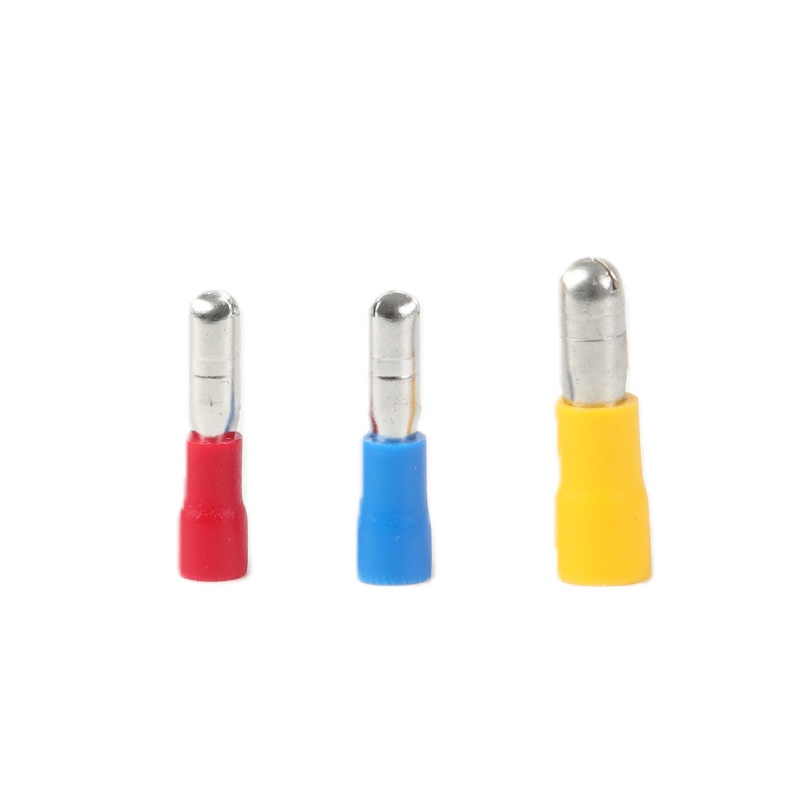
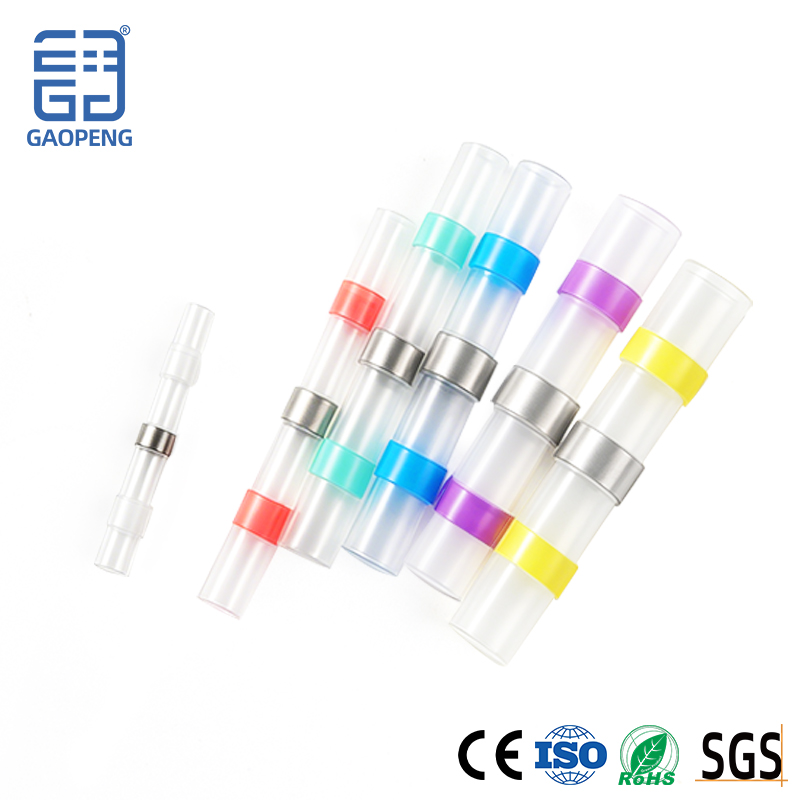
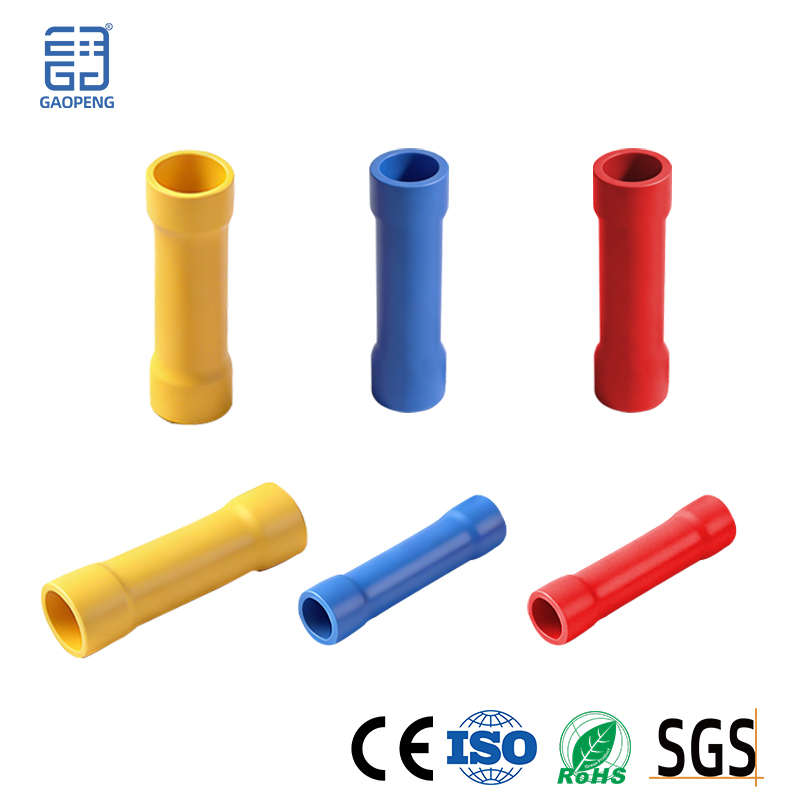
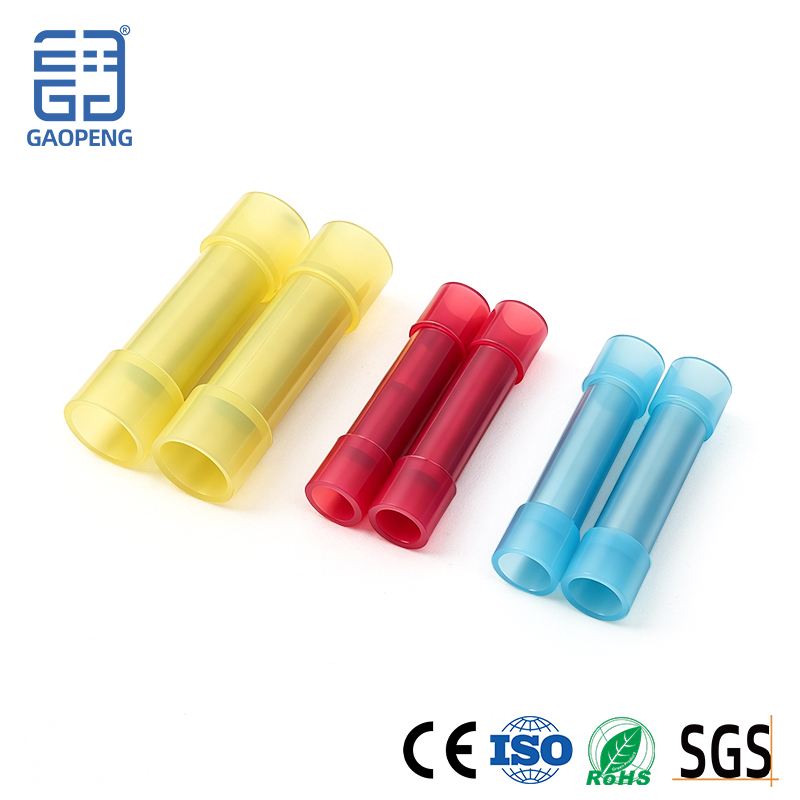
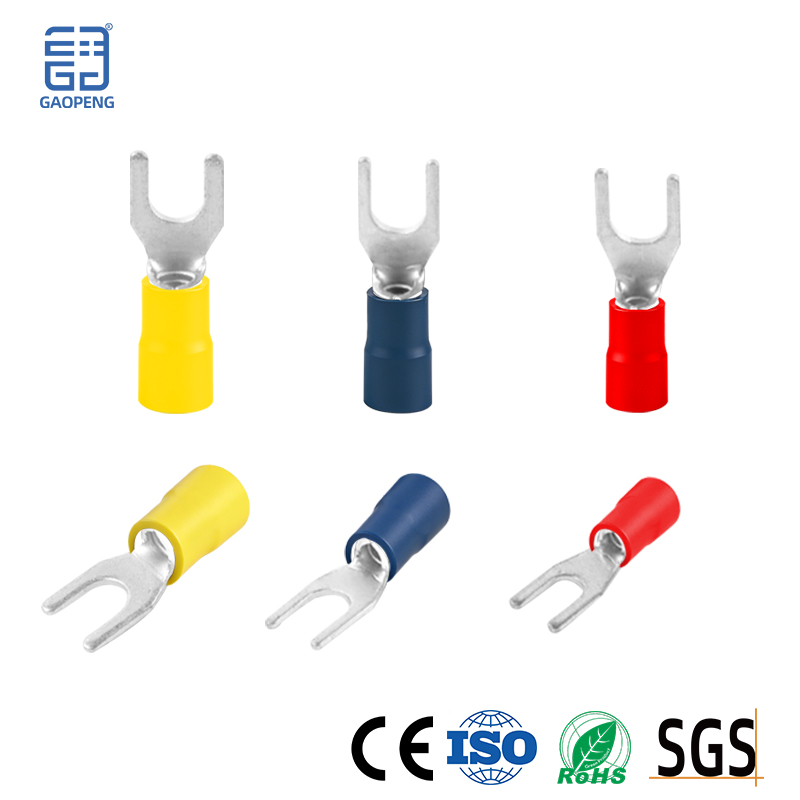
Application range of terminal blocks
1. Industrial Control and Automation (Largest and Core Application Fields)
PLC system: used to connect input/output signal lines, power lines, communication lines.
Frequency converter and servo drive: connect the motor power line, control signal line, and brake resistance line.
Industrial control cabinet/distribution cabinet: It is the most intensive place where Terminal Blocks are used, and is used for various power distribution and signal transfer inside/outside the cabinet.
Sensors and actuators: connect various proximity switches, photoelectric sensors, temperature sensors, solenoid valves, pneumatic components, etc.
HMI and instrumentation: connect touch screens, buttons, indicator lights, measuring instruments, etc.
Robot system: Dense electrical connections are made inside the robot body and control cabinet.
2. Power and energy field
Power generation system: wind power generation (tower, engine room, converter cabinet), photovoltaic power generation (combiner box, inverter), secondary circuit of hydro/thermal power plant.
Power transmission and distribution system: the protection screen, control screen, and switchboard of the substation are used for relay protection, measurement, and control loops.
Power quality equipment: UPS (different power off), voltage regulator, connection in the filter cabinet.
Power electronics: high-current or high-voltage connections inside rectifiers, inverters, and charging piles.
3. Transportation
Rail transit: train control system (TCMS), traction system, door control, lighting, passenger information system in-car wiring and equipment connection.
Automotive manufacturing:
Conventional cars: body controllers, engine ECUs, instrument clusters, wiring harness adapters.
New energy vehicles: applications are particularly critical, for high and low voltage electrical connections such as battery management systems (BMS), motor controllers, PDUs (power distribution units), on-board chargers (OBCs), etc.
Aerospace: Wiring for aircraft cockpit instruments, in-flight entertainment systems, lighting controls, and other equipment (extremely high requirements for terminal reliability, weight, and shock resistance).
Ship electrical: The connection of the ship console, electrical distribution board, and engine room automation system must be moisture-proof and salt spray corrosion resistant.
4. Construction and infrastructure
Building automation: fire alarm system, security system (access control, monitoring), building automation system (BA), intelligent lighting control.
Electrical installations: connections behind building distribution boxes, meter boxes, light switch sockets (often using small or rail-mounted terminals).
Telecommunications and data centers: power and signal connections for communication base stations, server cabinets, network switches, and patch panels.
5. New energy and environmental protection
Energy storage system: series/parallel connection between battery clusters, connection of energy storage converter (PCS).
Charging infrastructure: Module connections inside DC/AC charging piles.
Environmental protection equipment: connections in automated control cabinets such as sewage treatment and air monitoring.
6. Special applications
Explosion-proof field: used in chemical, petroleum, coal mine and other hazardous environments, the terminals need to meet explosion-proof requirements.
High reliability requirements: nuclear power plants, medical equipment (such as CT, MRI), precision instrumentation, there are special standards for terminal materials, insulation and contact reliability.
Harsh environment: outdoor equipment, construction machinery, etc., need to be used with high protection levels.