




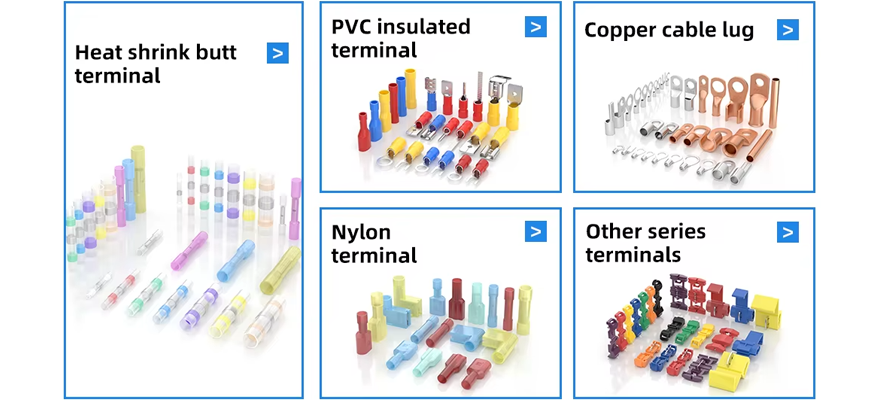
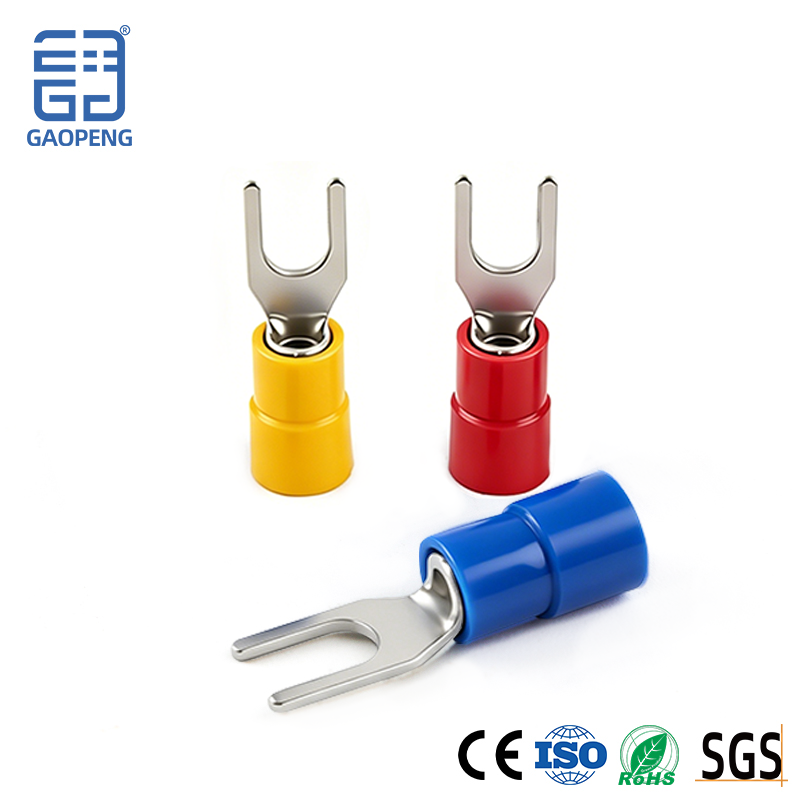

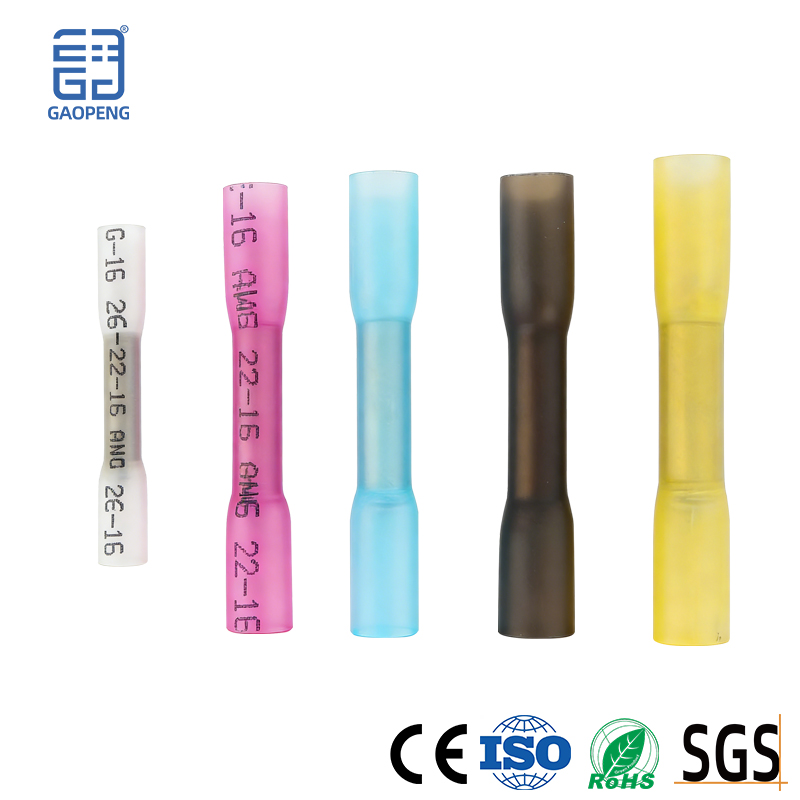
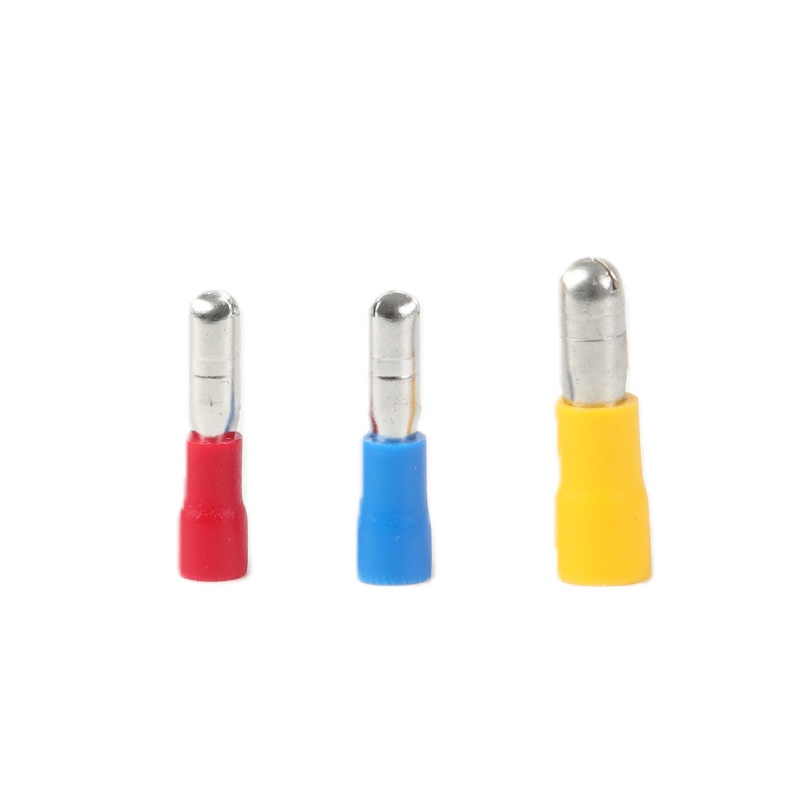
Are electrical terminals key to smart power systems?
1. Physical Foundation: Ensuring Smart Systems "Move"
All advanced functions of smart power systems—self-healing, optimization, interaction—are built upon stable and continuous power transmission. Electrical terminals are the "throat passage" through which current enters and exits equipment, directly bearing the critical responsibilities of carrying the main circuit current and connecting control, measurement, and signal circuits.
Challenges of stable connections: A seemingly simple connection point is actually one of the areas with the highest concentration of mechanical and electrical stress in the system. Poor connections can lead to increased contact resistance, becoming a hidden "heat source," causing insulation aging, energy waste, and even fires. It can be said that neglecting these basic physical connections makes any advanced protection and intelligence built on shaky ground.
From "connectivity" to "precision": Traditional terminals only focus on "connectivity," while terminals in smart systems are required to maintain extremely low and stable contact resistance, sufficient mechanical strength, and excellent thermal stability under various conditions (such as thermal cycles and vibrations) and throughout a lifecycle of several decades.
2. Data Entry: Providing "Raw Materials" for Intelligent Analysis
The "intelligence" of smart power systems comes from real-time analysis of massive amounts of data. Electrical terminals, especially modern intelligent terminal modules, are the first point of data collection.
Built-in Sensing Capabilities: The latest power measurement terminal modules, such as Beckhoff's EL3453-0090, can be directly connected to systems up to 690V without additional voltage transformers. They can not only measure voltage and current but also analyze harmonics up to the 63rd order, integrate power quality factors, and achieve safe power monitoring through built-in safety technologies such as TwinSAFE SC.
Monitoring Physical State: In addition to electrical parameters, some high-end connection solutions are starting to integrate pressure and temperature composite sensors at terminals or busbar connection points to directly monitor the health of contact status, enabling predictive maintenance. For example, Acrel's AESP110 series end intelligent monitoring module can work with circuit breakers to monitor voltage, current, power, temperature, energy consumption in real-time, achieving early warning alarms and energy metering.
3. Core of Evolution: Technological Innovation Driving System Upgrades
To meet the dual requirements of “robustness” and “intelligence” in smart grids, electrical terminal technology itself is rapidly evolving, directly driving the overall upgrade of the system.
Reliability Evolution: Spring Connection Technology: Compared with traditional screw connections that are easily affected by vibration and thermal cycles, spring connection technology uses constant contact pressure to achieve maintenance-free and extremely high vibration resistance, ensuring lifelong stability of connections, and is becoming the standard configuration for high-end distribution products.
Functional Evolution: Integration and Intelligence: Terminals are developing from single connectors into multifunctional integrated modules. For example, Guangqi Electric's JWD series terminals enable quick installation, and its GZ series distribution blocks can save 80% of installation time. More importantly, for secondary circuits, new anti-misoperation terminals (such as current and differential protection terminals) achieve operational locking through their inherent mechanical structure, fundamentally preventing protection malfunctions caused by human error, greatly enhancing the safety of relay protection.
Standardization and Compatibility: Smart power systems need to connect to diversified energy sources such as wind and solar power. Modern terminals must comply with strict international standards such as IEC, UL, and CSA, and have high protection ratings (e.g., IP67/IP68) to withstand harsh environments, ensuring reliable operation under regulatory conditions in different countries and regions.