



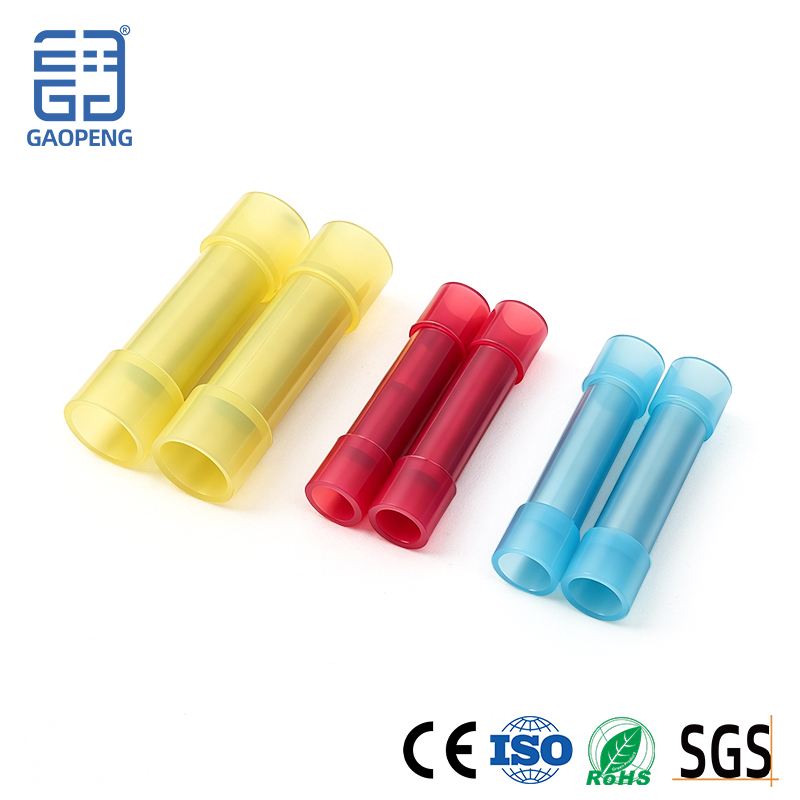
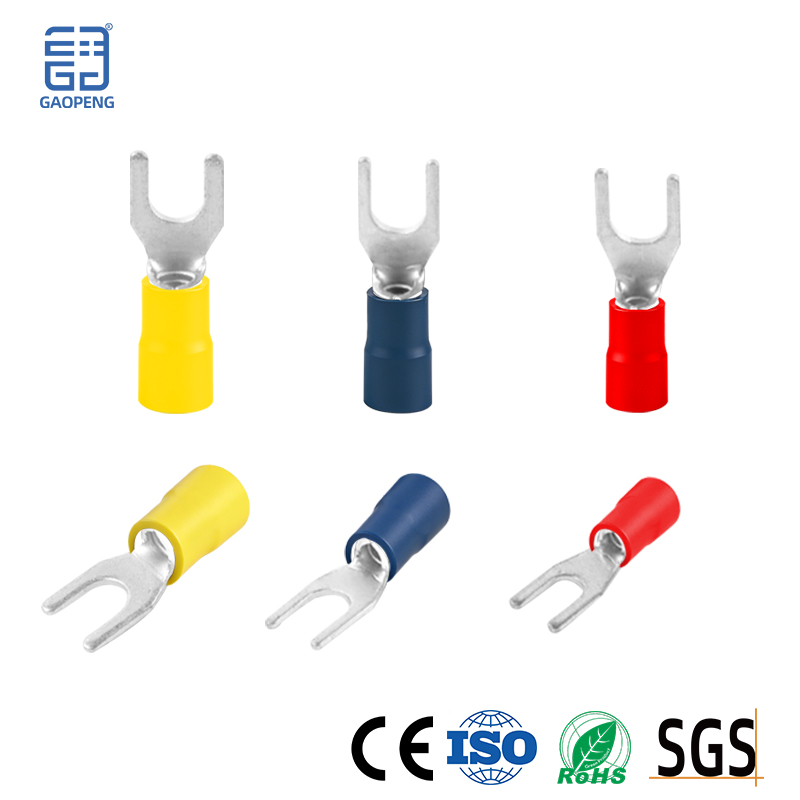
Can insulated terminals improve the efficiency of smart and renewable energy systems?
Reduce contact resistance and minimize energy loss
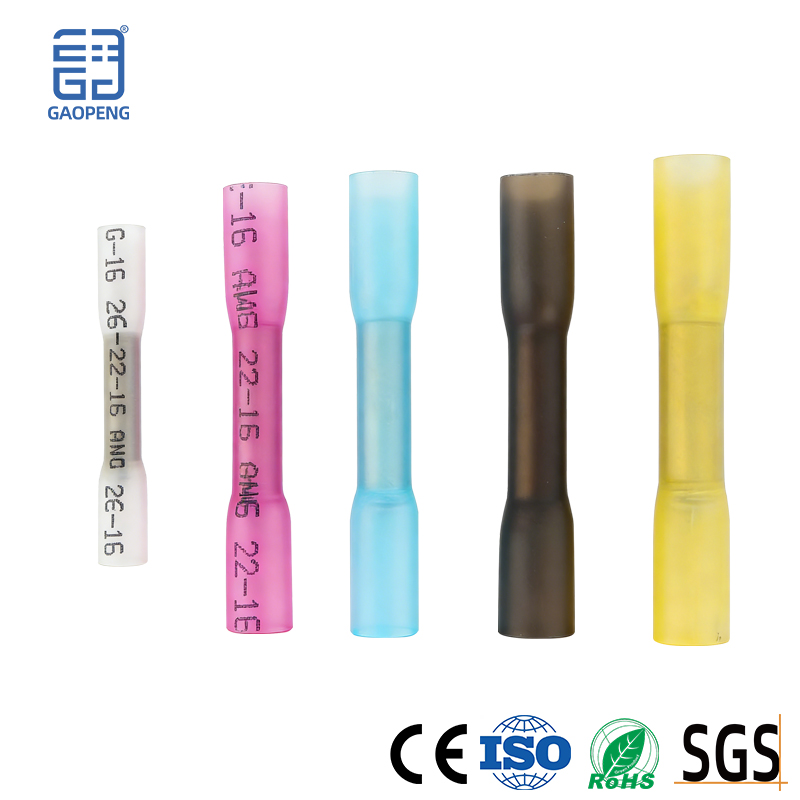
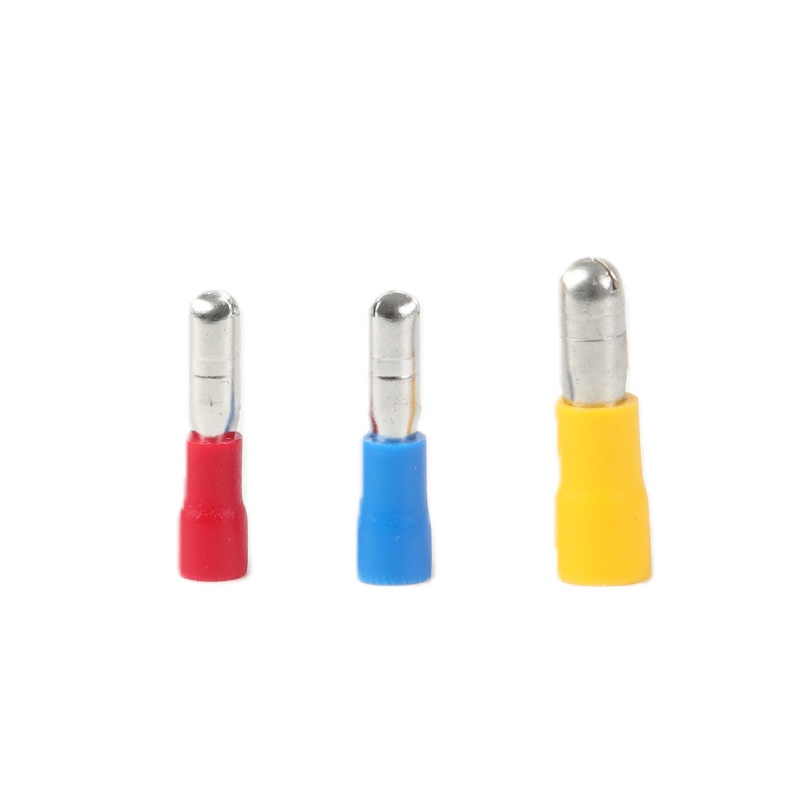
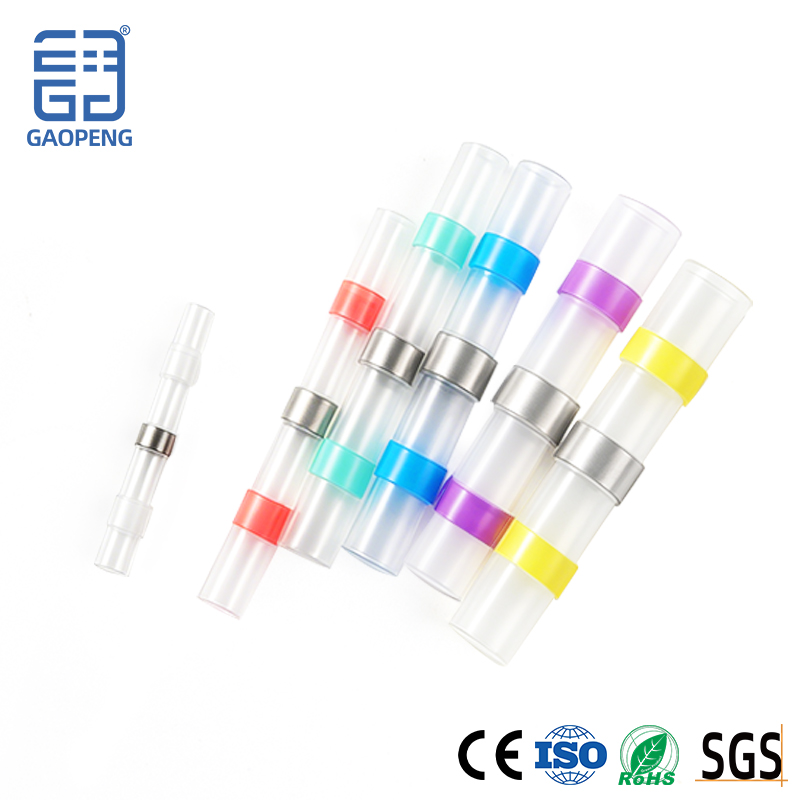
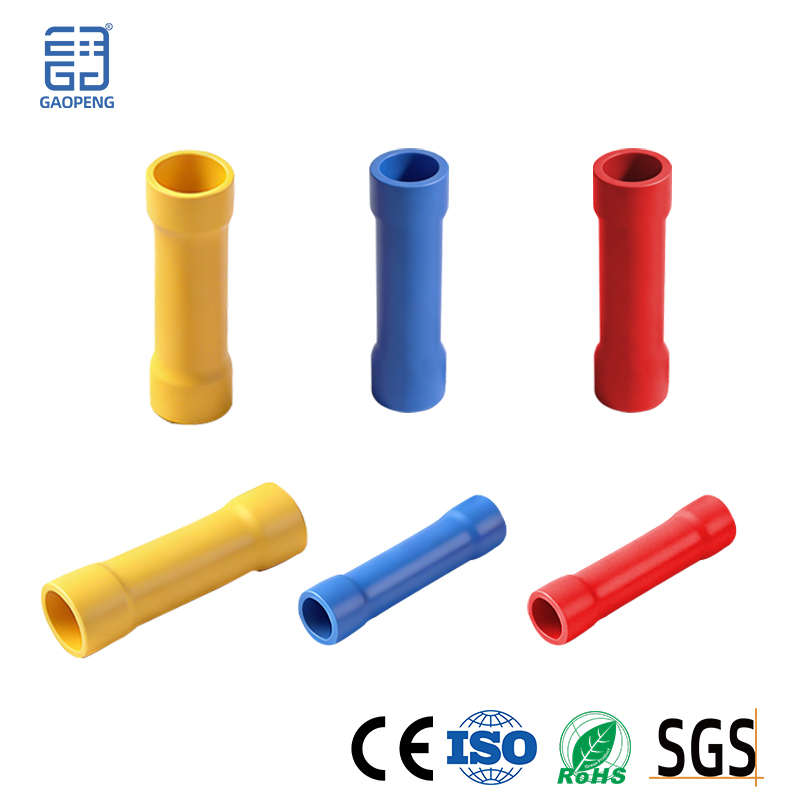
In power and electronic systems, there is contact resistance at every connection point, which is one of the root causes of energy loss and heat generation. When current flows through resistance, part of the energy is wasted as heat. One of the core functions of Insulated Terminals is to minimize this contact resistance as much as possible.
Low-loss connections: By using highly conductive copper alloy materials, supplemented with surface treatments such as silver plating or tin plating, high-quality terminals can reduce contact resistance to very low levels (for example, some products can reach as low as 0.4 milliohms or even lower), significantly reducing heat loss at the connection points.
Efficiency example: Research shows that using high-reliability terminal connections in photovoltaic systems can increase overall system power generation efficiency by about 3%.
Ensure system stability and prevent unexpected shutdowns
Renewable energy systems (such as wind and photovoltaic) are usually installed outdoors or in harsh environments, facing challenges like vibration, temperature changes, humidity, and dust. Unstable connection points can cause faults or even fires due to poor contact, leading to system outages. Insulated terminals provide long-term, maintenance-free stable connections for the system through the following designs:
Vibration resistance and maintenance-free: Terminals with spring clamp structures provide constant pressure, effectively resisting vibration caused by thermal expansion and contraction or wind forces, ensuring the connection remains secure for decades and achieving "install once, reliable for life."
High environmental adaptability: Terminal housings have IP67 level waterproof and dustproof capability and can operate within a wide temperature range from -40°C to 125°C, ensuring reliability in harsh outdoor conditions. Some insulated piercing connectors used for photovoltaics can also simplify installation and enhance safety.
Increase power density and achieve compact design
In smart devices, electric vehicles, and energy storage systems, space is extremely valuable. High-quality connection solutions can carry larger currents in smaller volumes, thereby increasing the system's power density or freeing up valuable space for other components. For example, in solar inverters, using flexible copper busbars instead of bulky cables not only saves space and weight but also effectively enhances power density.
Respond to future trends and move towards intelligent operation and maintenance
As system voltage platforms (such as electric vehicles moving toward 800V high-voltage platforms) and current levels continue to rise, the requirements for connectors are becoming increasingly stringent. Cutting-edge terminal technology in the industry can already stably carry currents up to 350A in compact volumes. Furthermore, future "intelligent terminals" will integrate miniature sensors that can monitor the temperature, current, and contact status at connection points in real time. Through data analysis, predictive maintenance can be performed to prevent issues before they occur, raising system operation efficiency and management to a new level.