
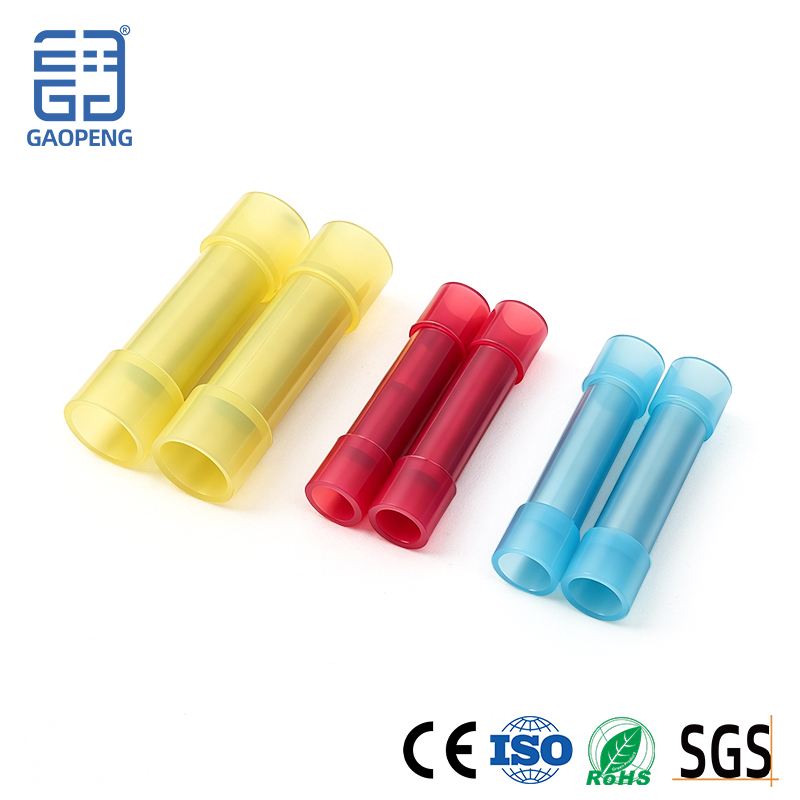
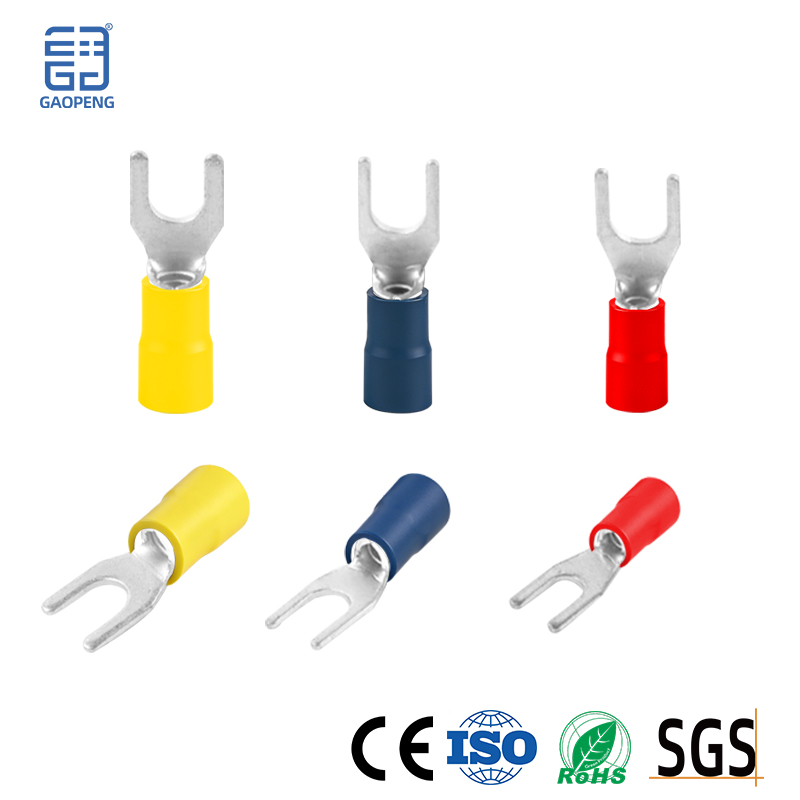
Can insulated terminals improve the efficiency of smart and renewable energy systems?
1. Direct Ways to Improve Efficiency
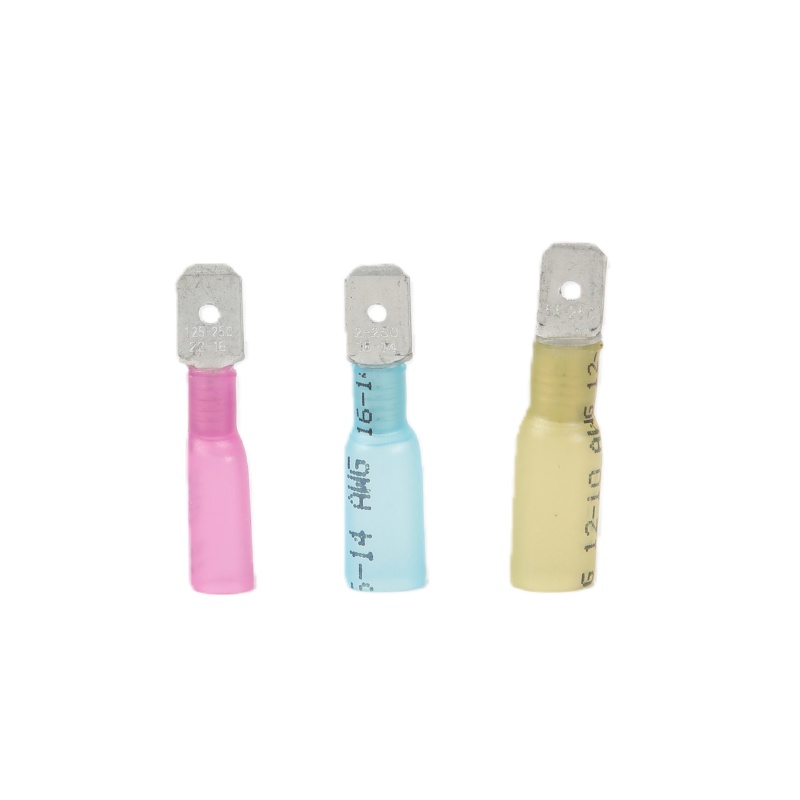
Reduce Energy Loss: High-quality Insulated Terminals minimize contact resistance through low-resistance design and reliable crimping, thereby reducing heat loss (Joule heating) at connection points. This is particularly important for boosting efficiency in low-voltage, high-current solar panel strings or energy storage systems.
Stable Signal Transmission: In smart systems (such as sensors and communication modules), insulated terminals protect low-voltage signal lines from electromagnetic interference, ensuring accurate data transmission and preventing system control efficiency from dropping due to signal errors.
2. Ensuring System Safety and Reliability (Indirectly Improving Long-Term Efficiency)
Prevent Short Circuits and Faults: Insulated housings effectively separate conductors of different potentials, preventing accidental short circuits caused by dust, moisture, or vibration. This is fundamental for the safe operation of outdoor or harsh environment equipment, such as photovoltaic arrays, wind power cabinets, and charging stations.
Resist Harsh Environments: Specialized terminals feature moisture resistance, UV resistance, and high/low temperature resistance (for example, photovoltaic terminals often require resistance from -40°C to 85°C), ensuring that connections remain durable in long-term outdoor conditions and reducing downtime due to failures.
Simplify Maintenance and Troubleshooting: Modular insulated terminals keep wiring neat and well-labeled, greatly reducing installation and maintenance difficulty. Quick-plug designs shorten repair times and improve system availability.
3. Specific Roles in Key Scenarios
Photovoltaic Power Systems:
DC Side: Insulated terminals in PV junction boxes and combiner boxes carry the DC current from the solar panels (up to over 1000V). Their voltage resistance and arc-proof design directly impact system power generation efficiency and fire safety.
AC Side: The reliability of terminals at the inverter output affects the quality of electricity fed into the grid.
Energy Storage Systems: Connection terminals between battery modules must accommodate high current capacity and flame-retardant properties (e.g., UL94 V0 certification). Efficient conductivity and absolute insulation are crucial to prevent thermal runaway chain reactions.
Smart Grids/Microgrids: In distribution cabinets, smart meters, and control units, terminals connect measurement, protection, and communication lines. Their accuracy and stability provide the physical foundation for real-time monitoring, load balancing, and optimized scheduling.
Electric Vehicle Charging Infrastructure: High-performance insulated terminals inside charging guns and high-current charging stations ensure efficient and completely safe power transfer during fast charging.
4. Efficiency Improvements Brought by Technological Advancements
Material Innovation: Using highly conductive coatings (such as tin plating, silver plating), flame-retardant engineering plastics (such as PA, PC, PBT), and corrosion-resistant metals reduces resistance and extends service life.
Design Optimization: Designs such as spring clamping and tension release provide constant contact force, preventing connection loosening due to thermal expansion, contraction, or vibration, and maintaining long-term efficient contact.