



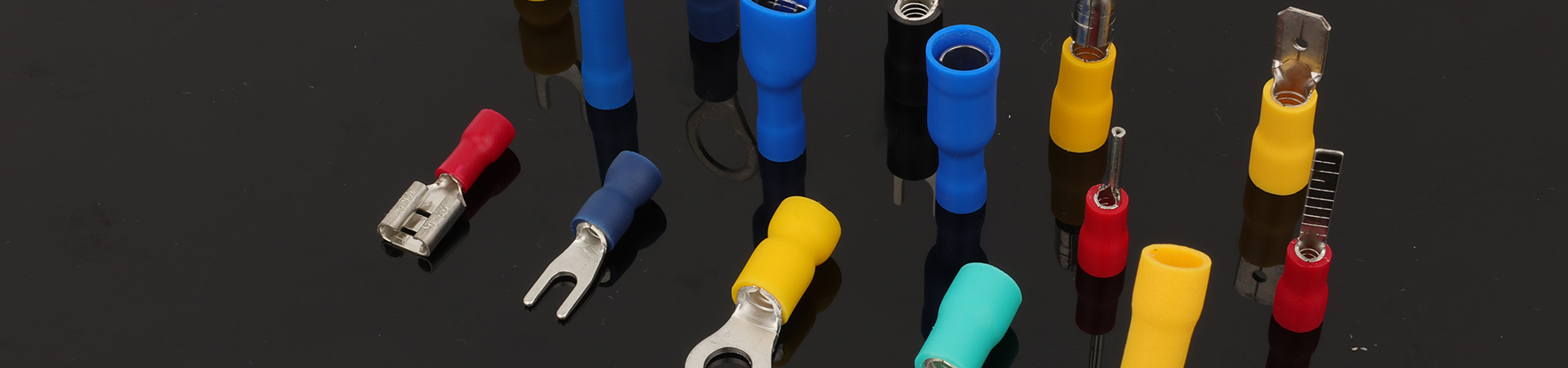
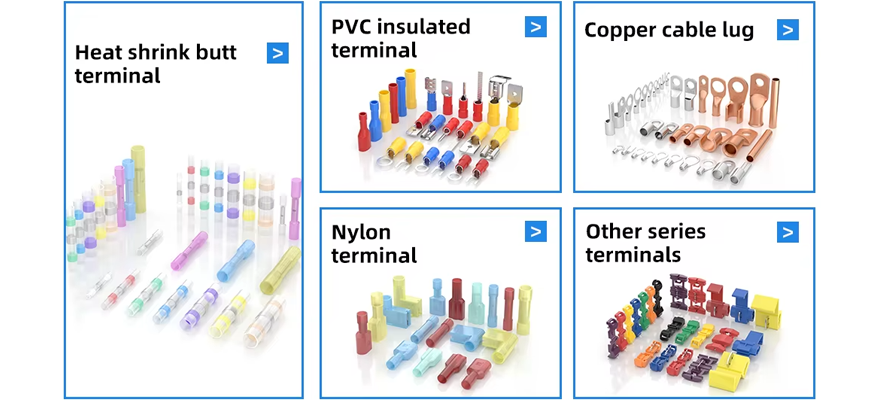
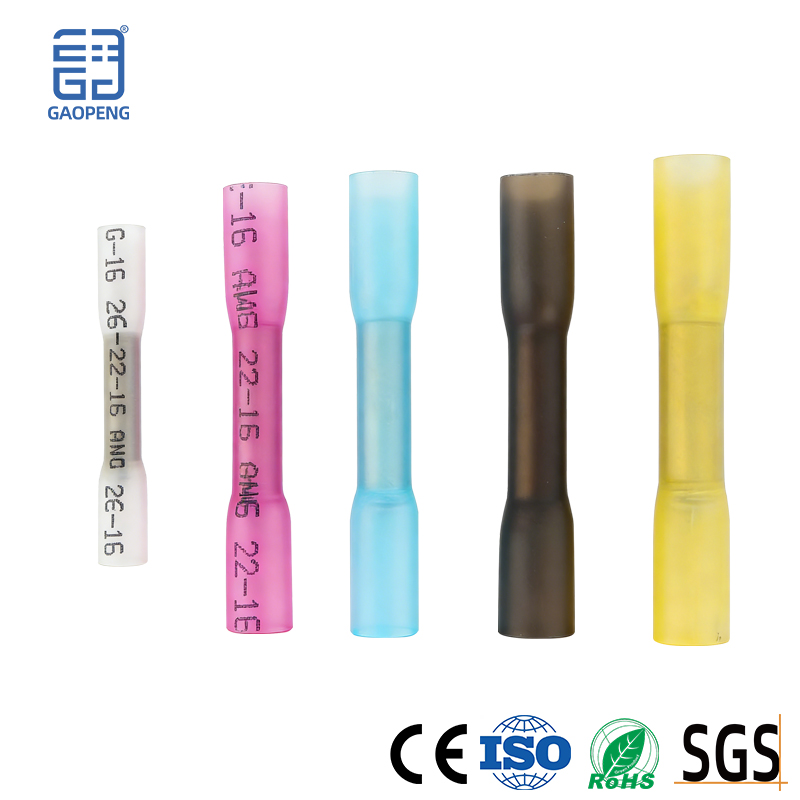
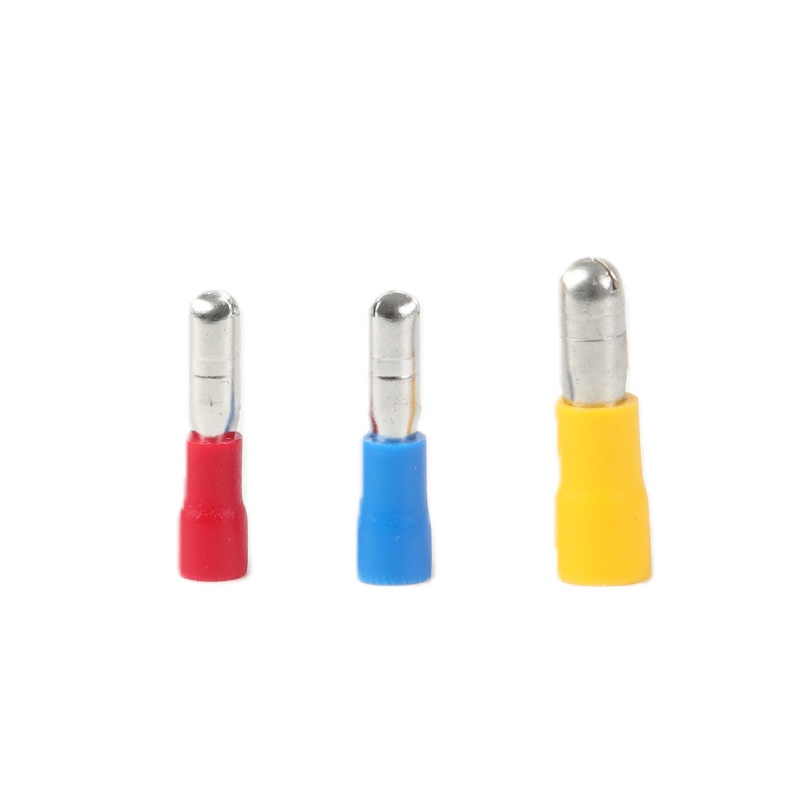
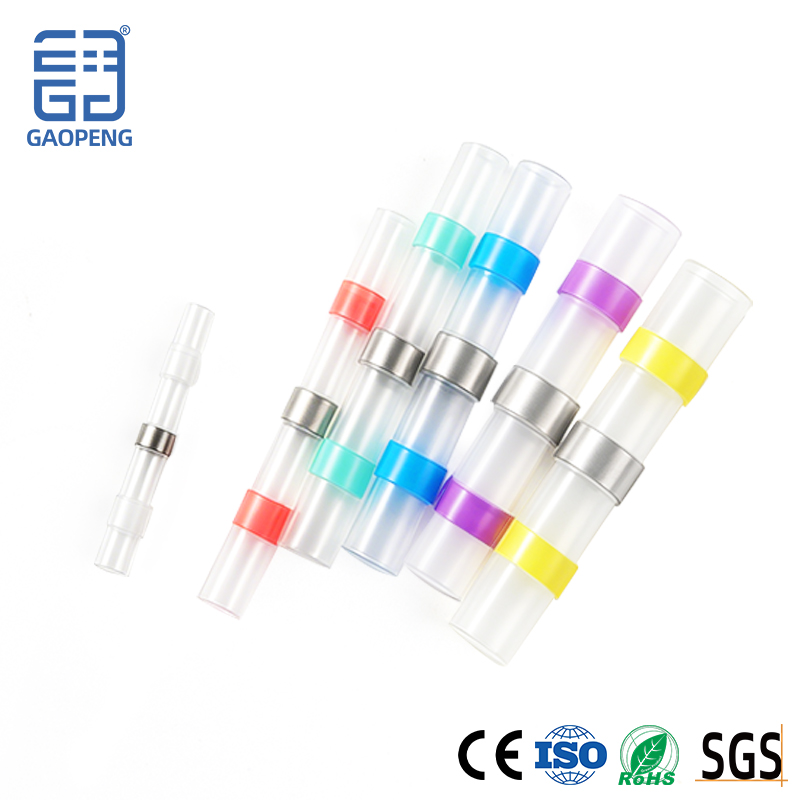
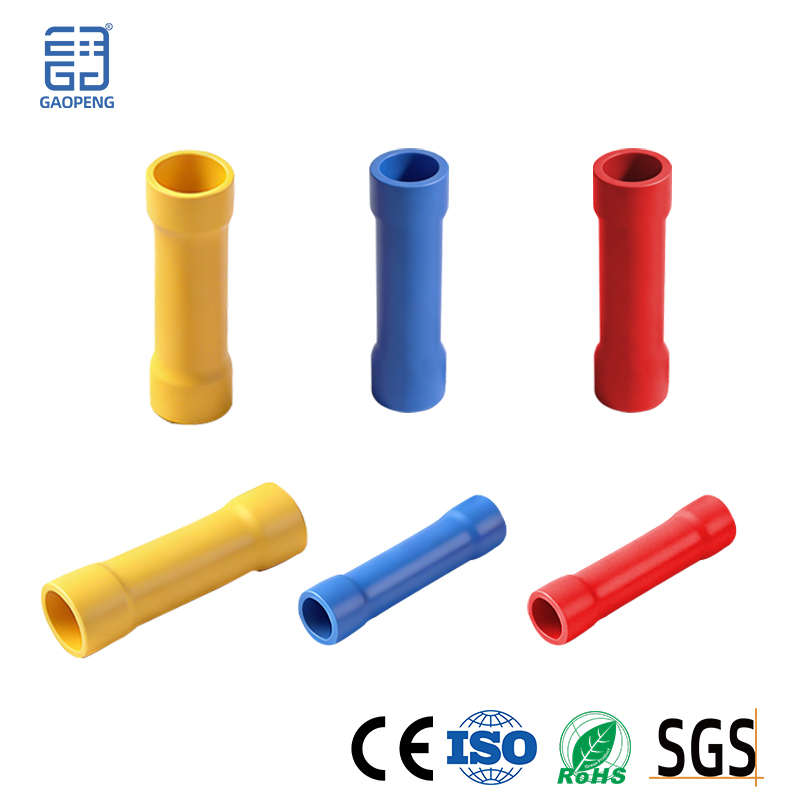
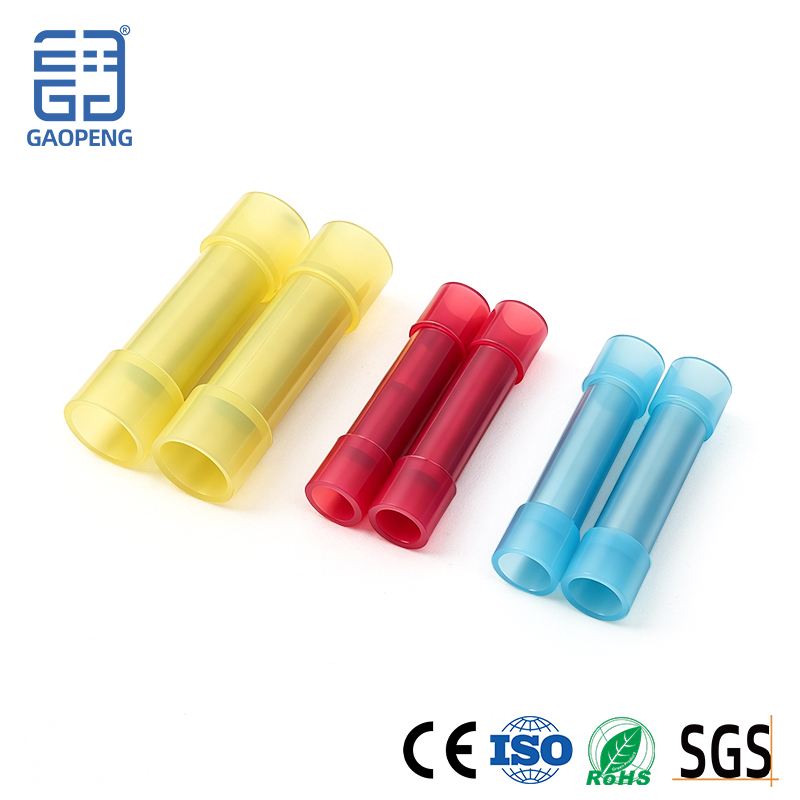
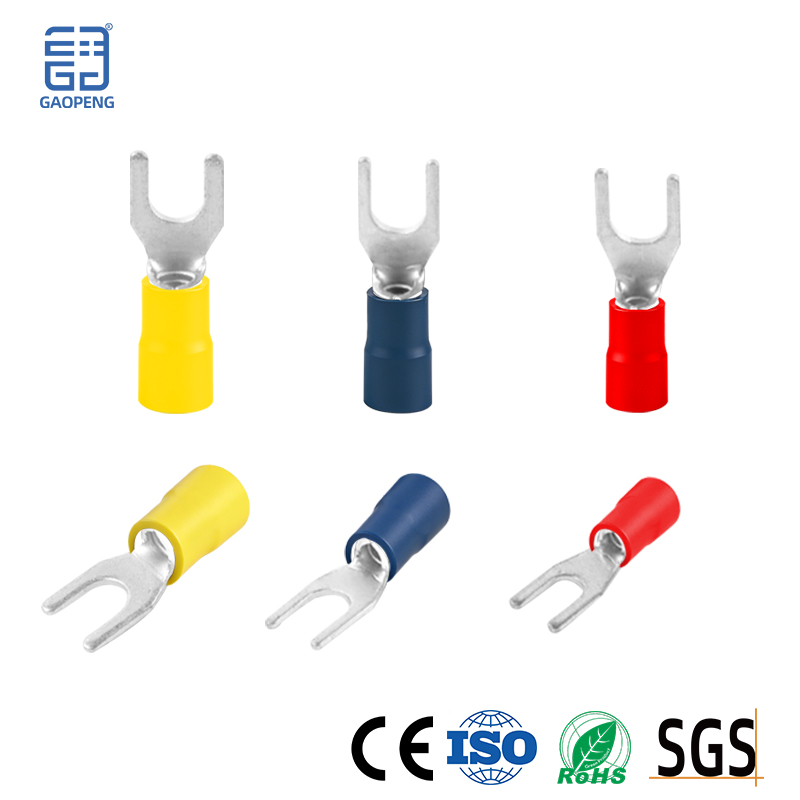
Copper terminals (or copper wire terminals) ensure strong conductivity and are usually insulated connections.
1. Achieving High Electrical Conductivity
High-purity copper: The terminal substrate is usually made of highly conductive red copper (T2 copper), which has high purity and low resistivity, ensuring efficient current transmission.
Surface plating treatment: To prevent oxidation of copper in the air, which increases contact resistance, the terminal surface is generally tin-plated. The tin layer is stable, protecting the copper while maintaining good conductivity. Some high-performance terminals use silver or gold plating to achieve even lower contact resistance.
Optimized structural design: Through crimping or screw fastening, a tight surface contact is formed between the terminal and the wire, effectively increasing the contact area and reducing contact resistance. Some high-end models (such as ABB’s Sta-Kon series) also use deep serrated inner walls and selective annealing processes, making the crimping tighter and thus improving mechanical strength and conductive stability.
2. Achieving Insulation Protection
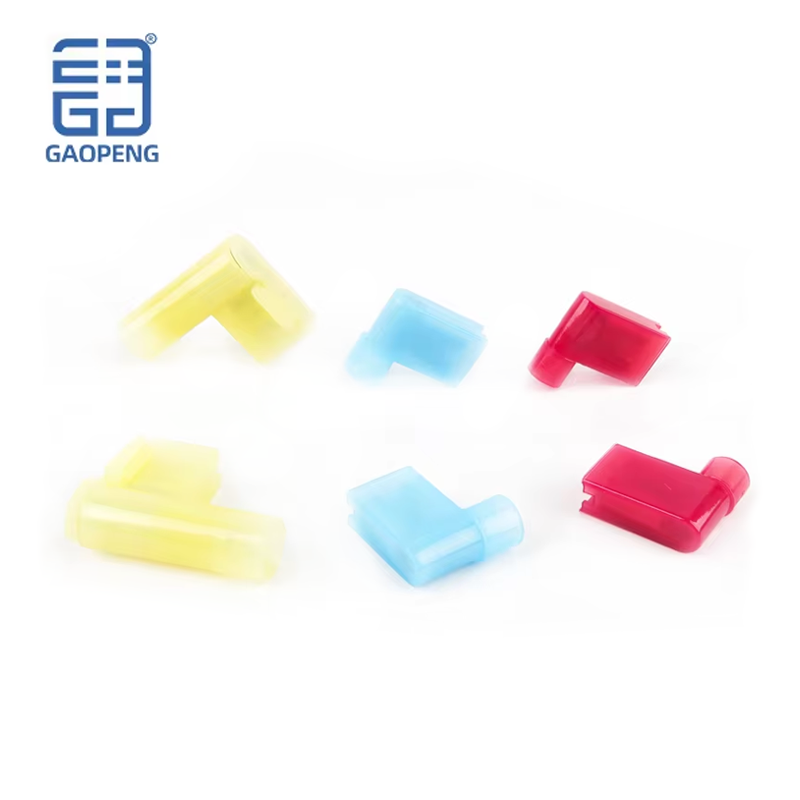
Insulating housing: The crimp section at the back of the terminal usually comes with an insulating sleeve made of engineering plastics such as nylon (PA66) or polycarbonate (PC). These materials have high insulation resistivity and good flame retardancy (usually meeting UL94 V-0 standards), effectively preventing electric shock and inter-phase short circuits.
Insulating heat-shrink tube: In some high-reliability scenarios (such as new energy or chemical industries), after the copper tube crimping is completed, a heat-shrink tube containing hot melt adhesive is applied. Upon heating and shrinking, it forms a sealed barrier, achieving IP68-level protection against moisture, salt spray, and corrosion.
Creepage distance design: In high-voltage applications, the insulating housing is designed with protruding ribs to increase the "creepage distance," that is, the path along the insulation surface for current leakage, preventing breakdown or leakage under high-voltage or humid environments.
How to Use a Copper Terminal
- Strip the Wire – Remove insulation to expose the conductor.
- Insert Wire – Place the stripped end into the terminal barrel.
- Crimp Securely – Use a crimping tool to compress the terminal.
- (Optional) Heat-Shrink – If using Insulated Terminals, apply heat for a waterproof seal.
Applications of Copper Terminals
- Automotive wiring (battery, lights, sensors).
- Home & industrial electrical panels.
- Appliance and machinery wiring.
- Marine & outdoor electrical setups.
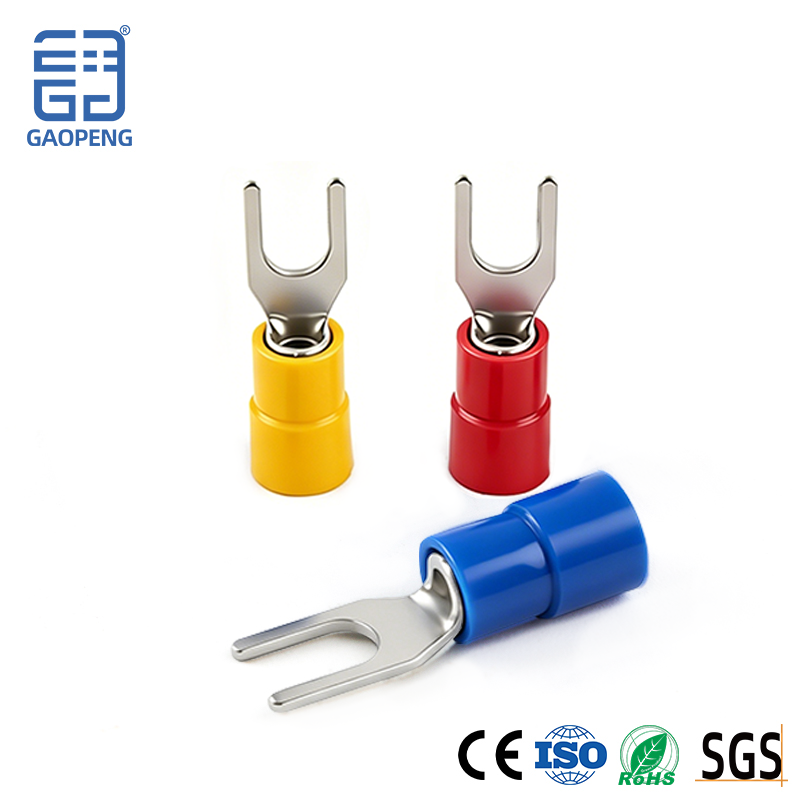
These terminals come in a vast array of types to suit different applications. Common varieties include ring, spade, hook, and Butt Connectors, each designed for specific mounting needs—from bolted connections to plug-in blocks. They are often made from pure copper for optimal conductivity and then plated with materials like tin, nickel, or silver to resist corrosion and enhance solderability.
The installation method is equally crucial. Terminals can be crimped, soldered, or screwed into place, with crimping being the most prevalent for its speed and the creation of a gas-tight, cold-weld joint. From the intricate circuitry of a consumer electronic device to the high-current pathways in an automotive or industrial panel, copper wire terminals are indispensable for building safe, durable, and efficient electrical systems. Their simple design belies their vital role in ensuring every connection is both mechanically robust and electrically sound.