



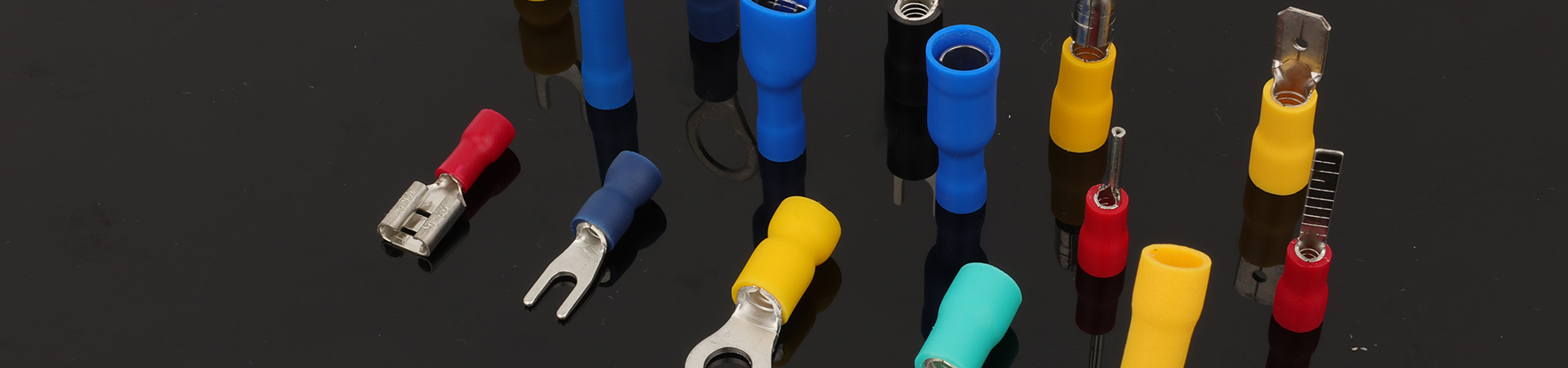
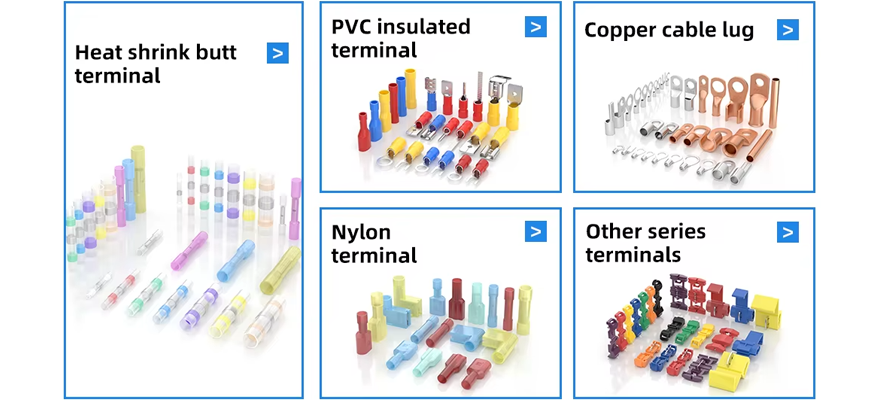
Copper terminals (or copper wire terminals) ensure strong conductivity and usually come with insulated connections.
Core Conductive Design
High Conductivity Materials: Mainstream terminals use T2 copper (extremely high conductivity) or high-conductivity copper alloys. The material's thermal expansion coefficient is almost identical to that of copper wires, preventing loosened connections caused by thermal expansion and contraction.
Surface Protection: To prevent oxidation, the copper surface is usually plated with tin or nickel, which provides corrosion resistance while maintaining low contact resistance.
Reliable Contact: By crimping or bolt fastening, the oxide film on the microscopic surface is crushed, establishing a stable low-resistance path.
Insulation Housing Design
Common Materials: Mostly PA66 (nylon) or PC (polycarbonate) engineering plastics. PA66 insulation withstands up to 600 kV/cm and operates at temperatures ranging from approximately -40℃ to 100℃.
Safety Standards: The flame-retardant rating usually reaches UL94 V-0 (self-extinguishing once removed from flame). The design must meet safety regulations for creepage distance and electrical clearance to prevent leakage or breakdown.
Types of Copper Terminals
Ring Terminal
Circular end with a hole for screw or bolt attachment.
Used in automotive, industrial, and panel wiring.
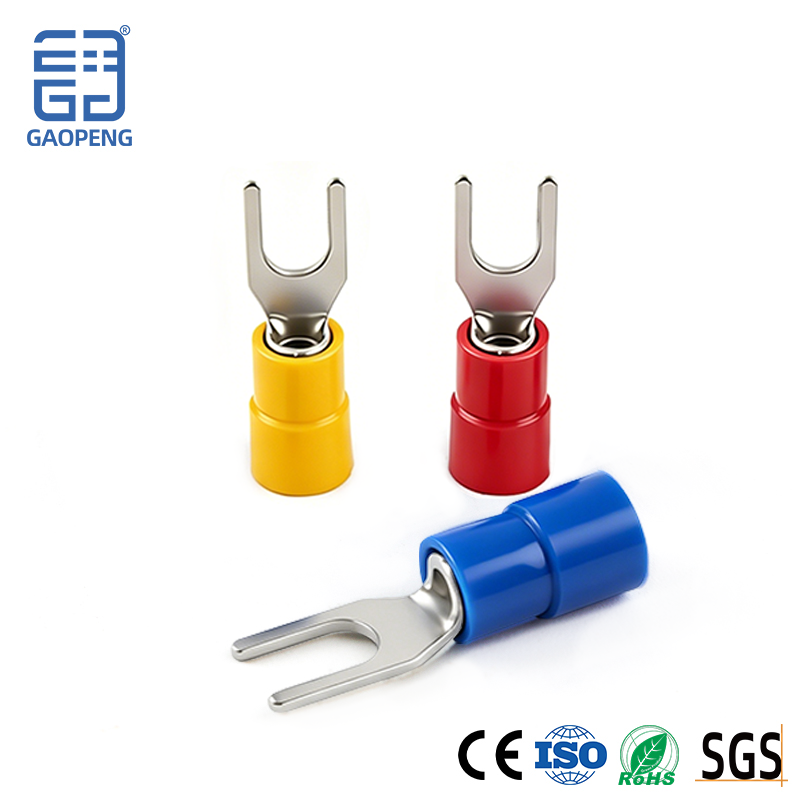
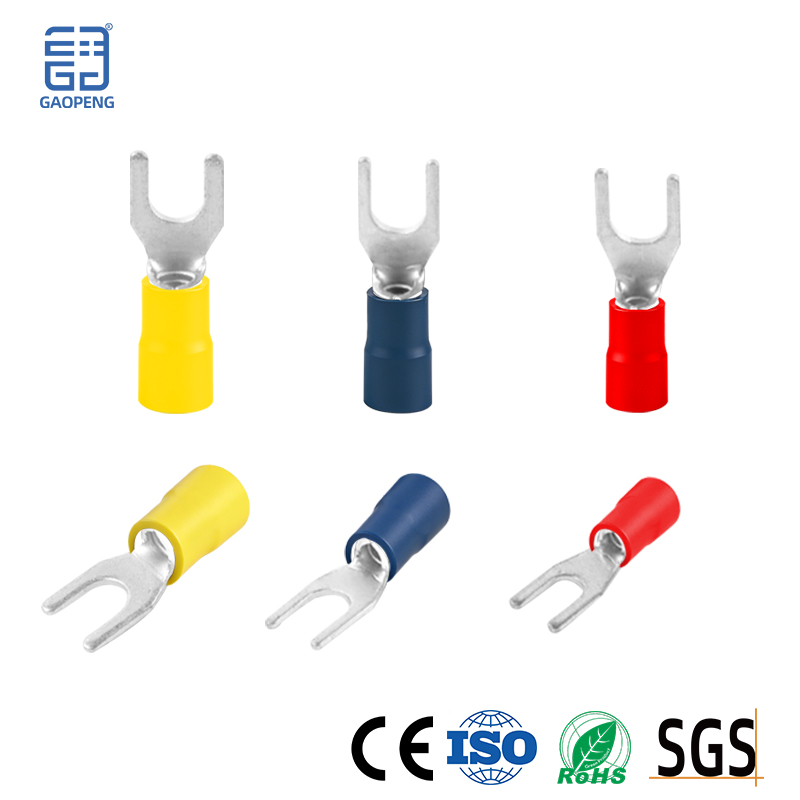
Spade Terminal (Fork terminal)
U-shaped fork for easy insertion under screw heads.
Allows quick disconnection without removing the screw.
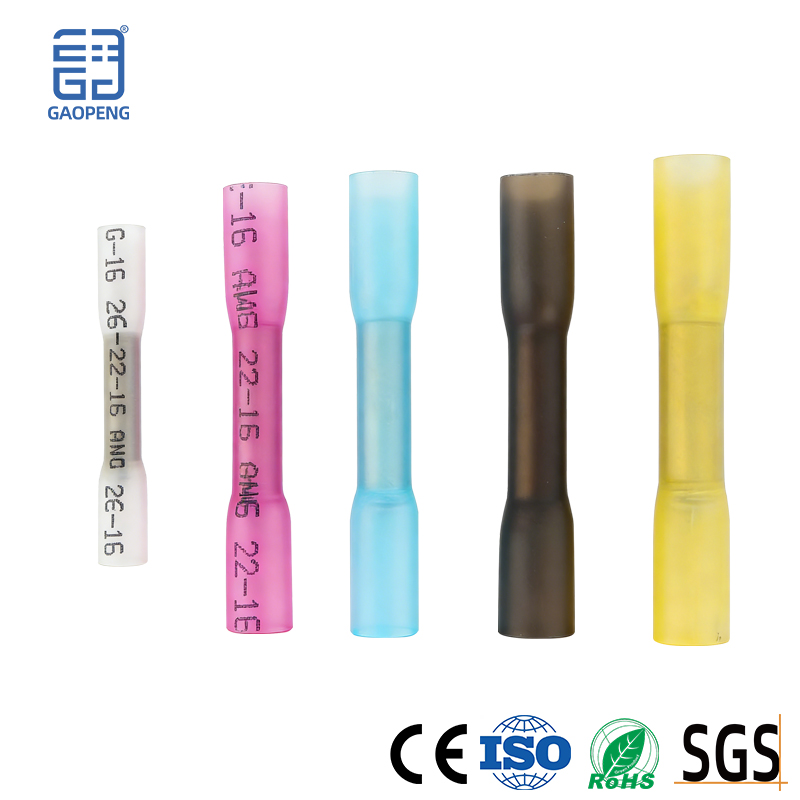
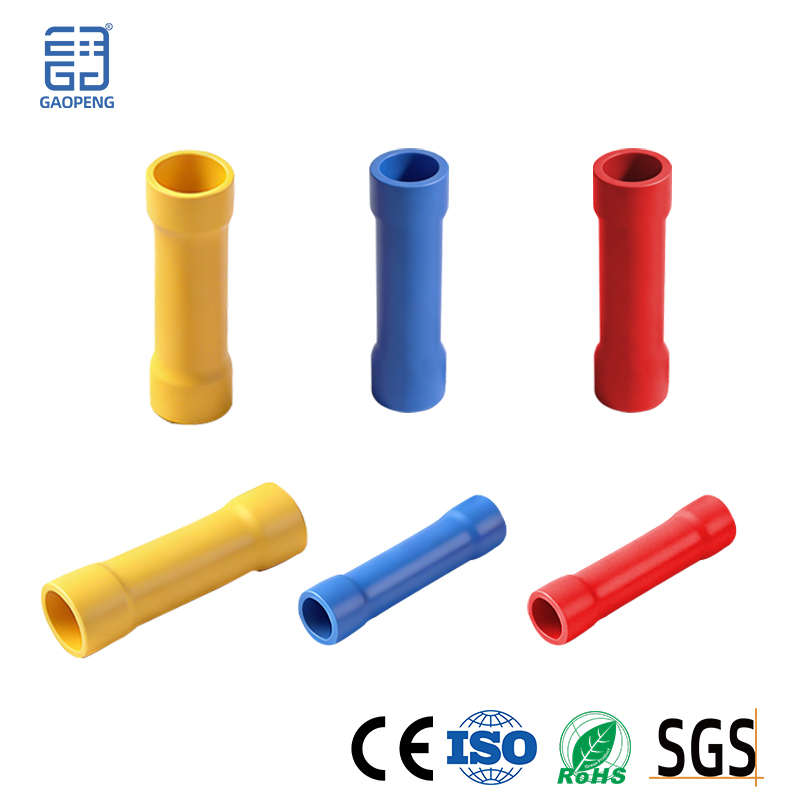
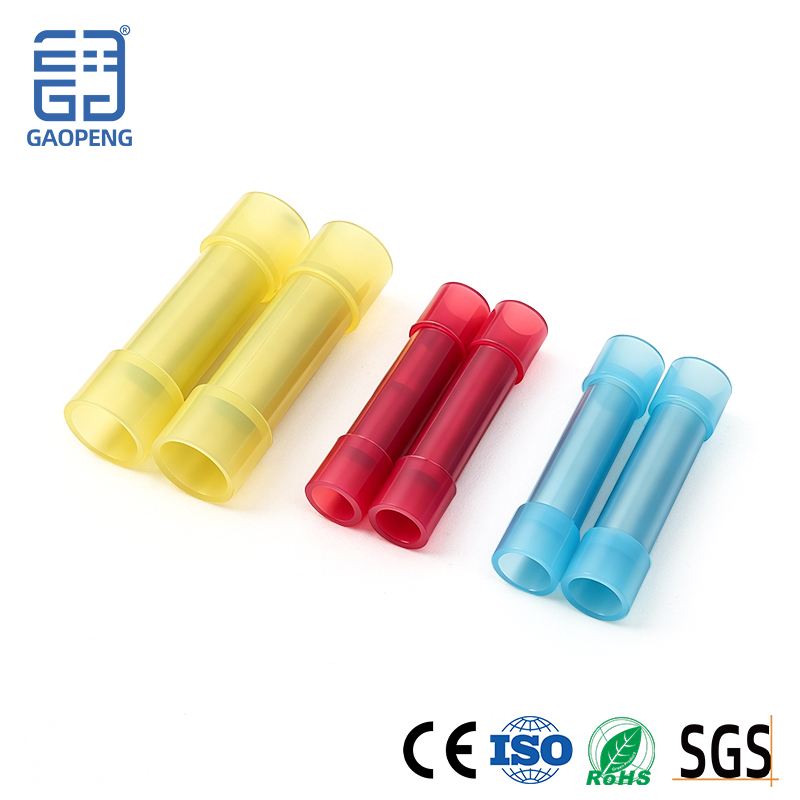
Butt Connector (Butt splice Terminal)
Joins two wires end-to-end (as previously discussed).
Pin Terminal
Solid or hollow pin for insertion into plugs, relays, or PCB connectors.
Hook Terminal
J-shaped end for wrapping around screws or posts.
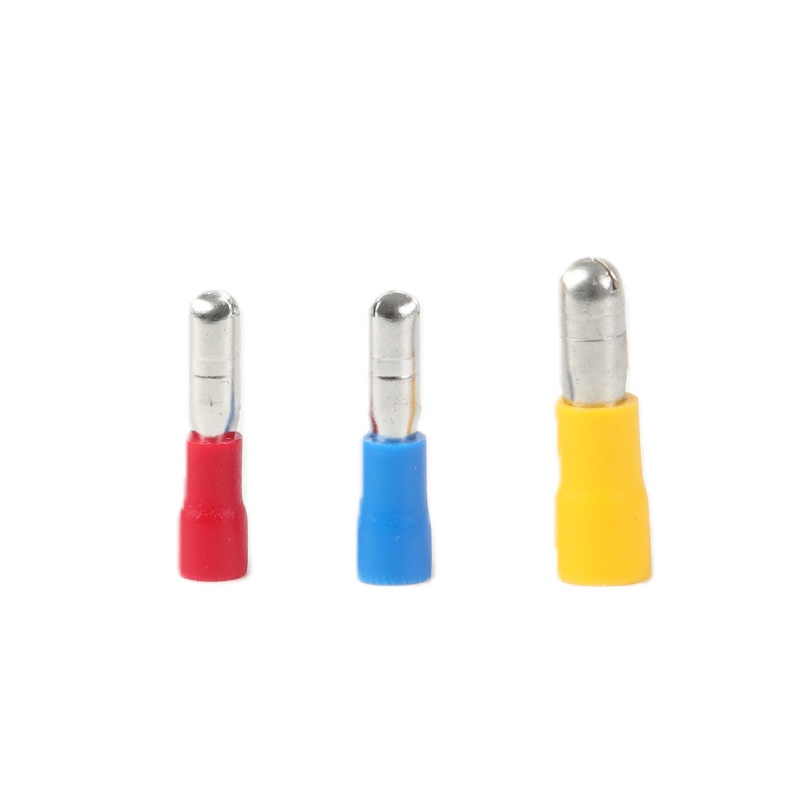
Bullet Terminal (Male/Female)
Used in automotive and trailer wiring for quick-connect applications.
Ferrule Terminal (Wire Ferrule)
Used with stranded wires in screw terminal blocks to prevent fraying.
Battery Terminal
Heavy-duty terminals for car batteries or power systems.
Key Features of Copper Terminals
Material: Pure copper or tin-plated copper for corrosion resistance.
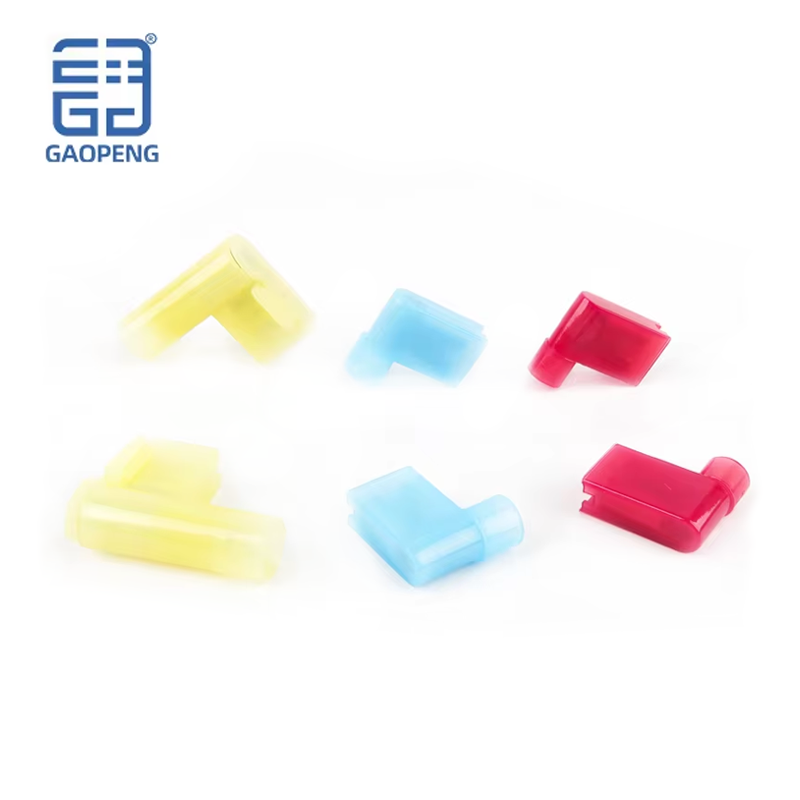
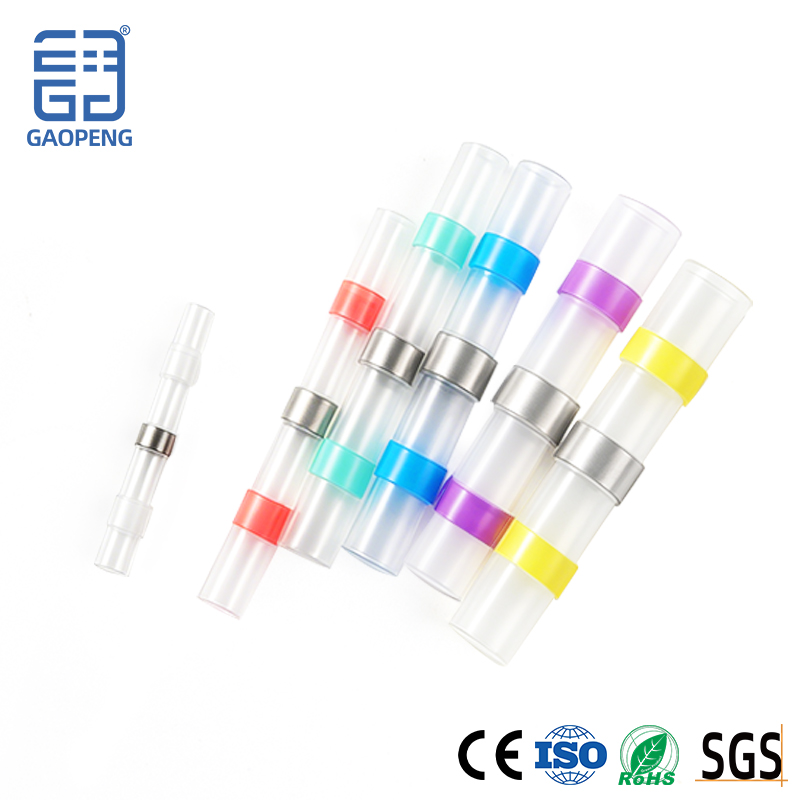
Insulation: Many have PVC, nylon, or heat-shrink sleeves.
Sizes: Available in different wire gauges (e.g., 22 AWG to 4/0 AWG).
Crimping Required: Most need a crimping tool for a secure connection.