



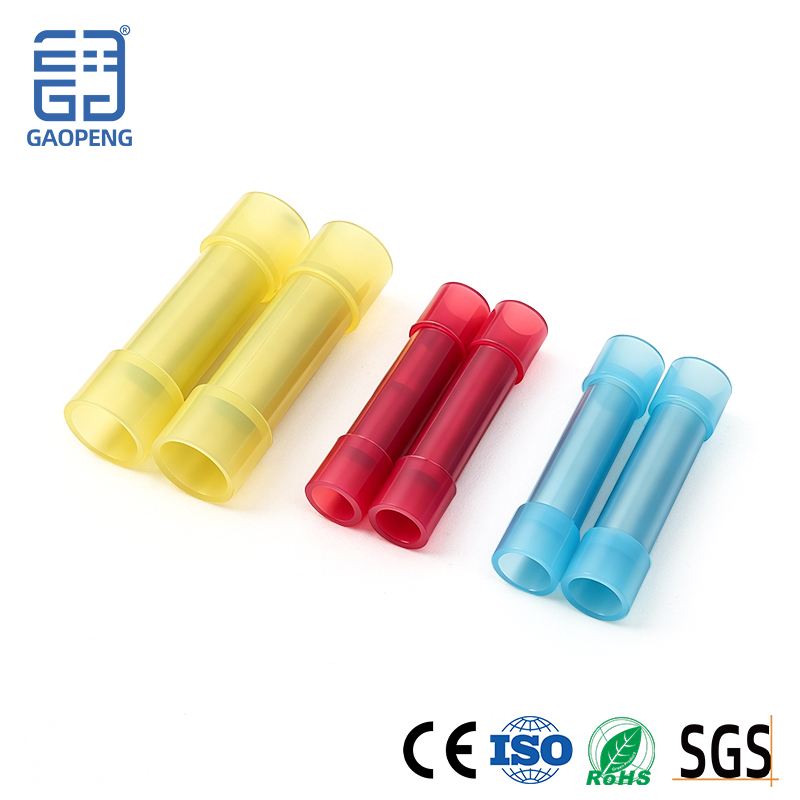
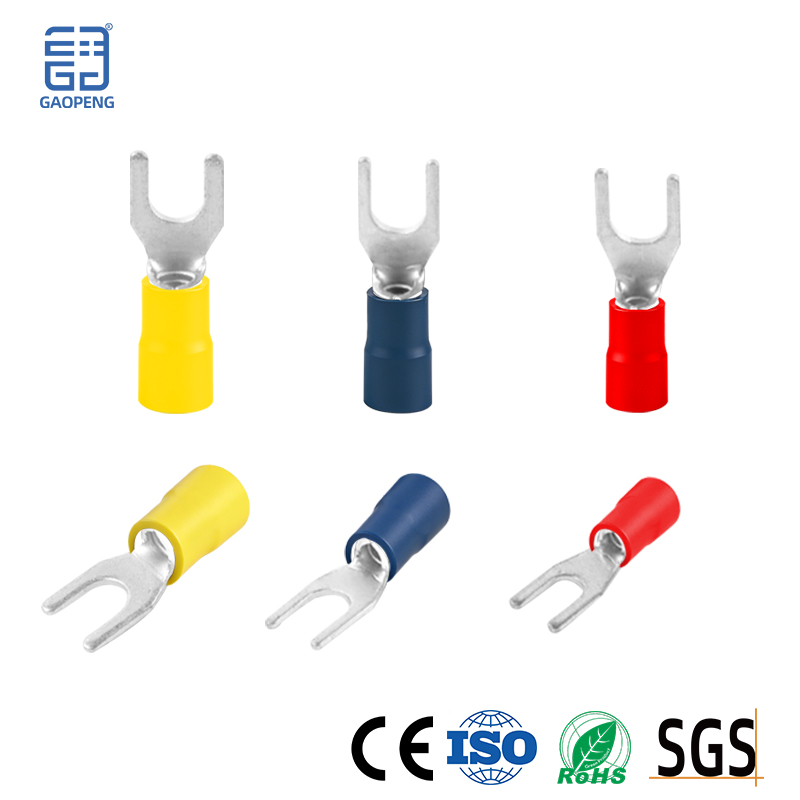
Crimping Process Requirements and Installation of Cold-Pressed Terminals
1. Three Core Requirements
Electrical Performance: Low resistance, low voltage drop, low heat generation.
Mechanical Performance: Sufficient tensile strength, able to withstand vibration and pulling.
Environmental Performance: Good corrosion resistance, shock resistance, and weatherability.
2. Key Process Parameters and Control
Terminal and Wire Matching:
Conductor Cross-Section: Must match strictly. Confirm wire cross-section with a vernier caliper or wire gauge.
Conductor Type: Distinguish between bare copper, tinned copper, silver-plated copper, aluminum wire, etc. Different materials require corresponding terminals.
Insulation Outer Diameter: Ensure the terminal insulation barrel or support barrel can fit over the wire insulation.
Crimp Height and Crimp Width:
Crimp Height: This is the most important control parameter. Provided by the terminal manufacturer with a clear tolerance range (e.g., ±0.1mm). Too high will not tighten properly, too low may break the wire strands.
Crimp Width: Usually determined by the die, but must also comply with standards.
A “crimp height gauge” (Go/No-Go gauge) must be used for first-piece and periodic inspection.
Crimp Dies:
Must use specialized dies that match the terminal model and wire size perfectly.
Using pliers or mismatched dies for crimping is strictly prohibited.
Crimp Force/Crimp Cycle Monitoring: In automated production, the force-displacement curve of the crimping machine is monitored to ensure each crimp is consistent in quality.
3. Crimp Area and Quality Requirements
Flared Entry: A flare must be formed at the wire entry end (usually provided by the die) to prevent cutting the wire.
Conductor Crimp Zone (Conductor Barrel):
All strands must be fully enclosed, without missing or exposed wires.
The crimped cross-section should be hexagonal or a similar uniform shape.
A few strands (usually 1-2) may slightly protrude at the end, indicating the crimp is full.
Insulation Crimp Zone:
Only the insulation layer should be crimped, providing stress relief and mechanical fixation.
Do not crimp onto the conductor, and ensure it is not too loose.
The insulation should slightly bulge, indicating it is securely held.
Visual Inspection Points:
No wires exposed or sticking out.
Terminals show no cracks, twists, or excessive deformation.
Insulation crimp area is undamaged.