



Detailed Introduction to Wire Nuts
A standard wire connector usually consists of three parts:
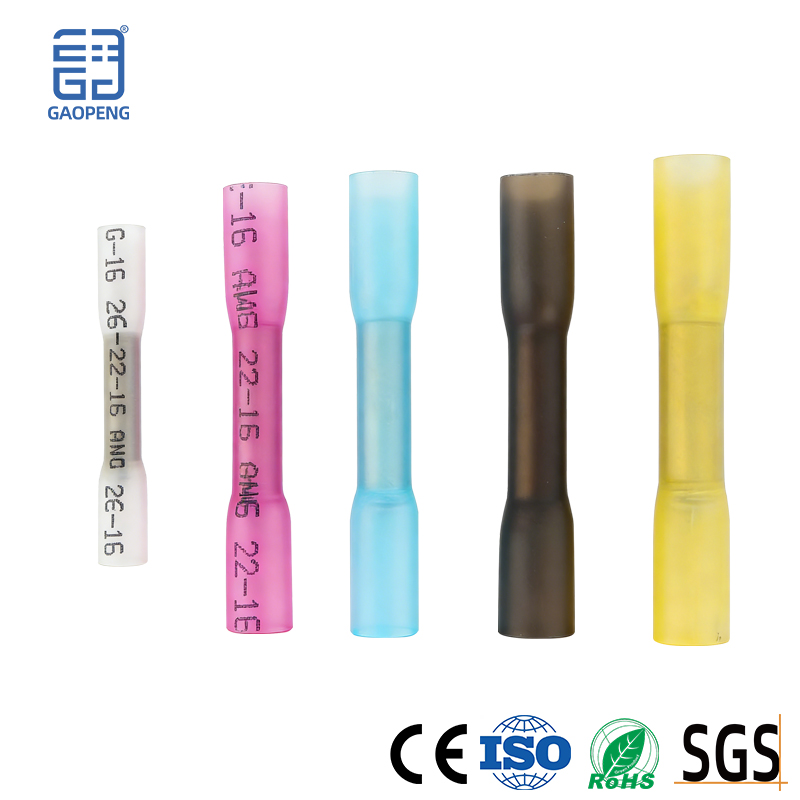
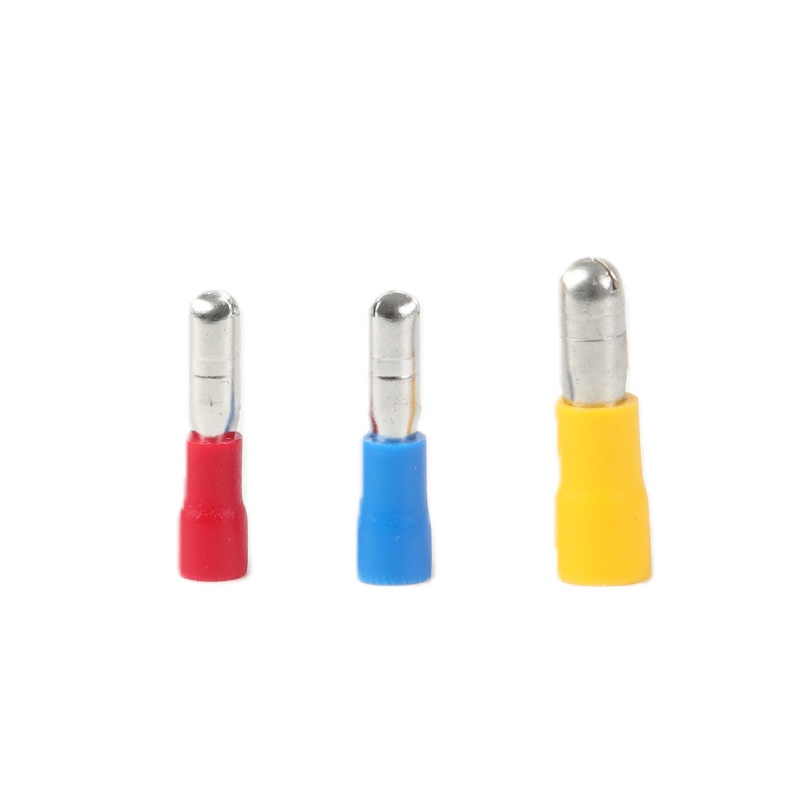
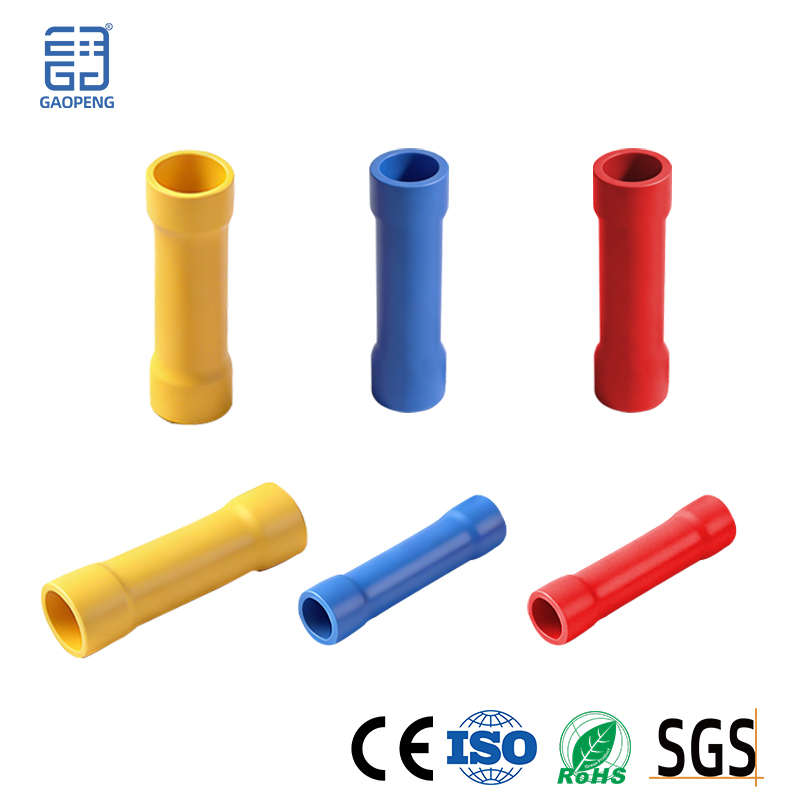
Insulating shell: Usually made of high-temperature resistant, flame-retardant PVC or nylon material. The color typically indicates the range of wire sizes it can accommodate (both gauge and quantity).
Metal connector: The core component, located inside the insulating shell. The most common types are:
- Spiral spring (coil): A conical spiral made of galvanized copper or stainless steel wire. When the wire is twisted in, the spring expands and tightly clamps the wire. The greater the pressure, the tighter the contact, forming a stable and reliable electrical connection with vibration-resistant properties.
- Crimp metal tube: Another common type, which contains a metal tube inside. A special crimping tool is used to cold-crimp it, deforming the metal tube to securely clamp the wire.
Internal sealing grease (present in some models): Some high-quality or moisture-resistanT Wire Connectors come pre-filled with anti-oxidation grease inside. This can expel air and prevent oxidation and corrosion at the connection point, making it particularly suitable for damp environments or aluminum wire connections.
Working principle: Whether twisted or crimped, the core idea is to use mechanical force to create significant contact pressure and contact area between the metal conductor and the wire, achieving low-resistance, highly stable electrical connections.
Spiral Wire Nuts: Cone-shaped metal spring visible inside; tighten by hand or with a dedicated twisting tool. Quick installation, no tools required (can be tightened by hand), vibration-resistant, can be reopened (handle carefully). Most versatile, used for household circuits, lighting installation, control cabinet wiring, etc.
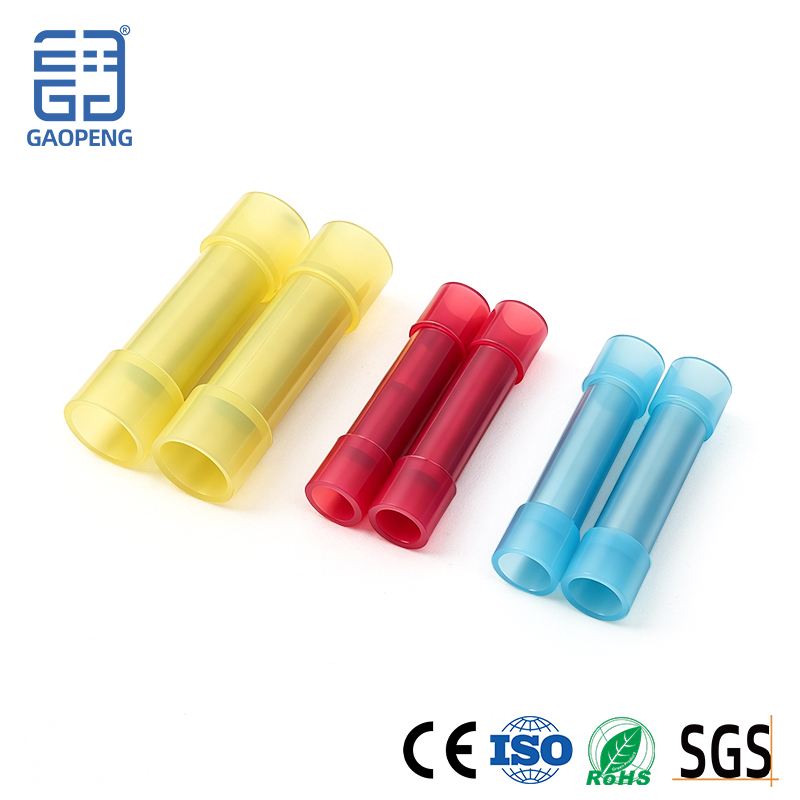
Crimp wire connectors: Smooth exterior, metal tube inside; must use a dedicated crimping tool. Provides the most secure and reliable connection, high consistency, unaffected by manual force, excellent vibration resistance. Suitable for high-reliability applications such as automotive wiring harnesses, industrial equipment, aerospace, and rail transit.
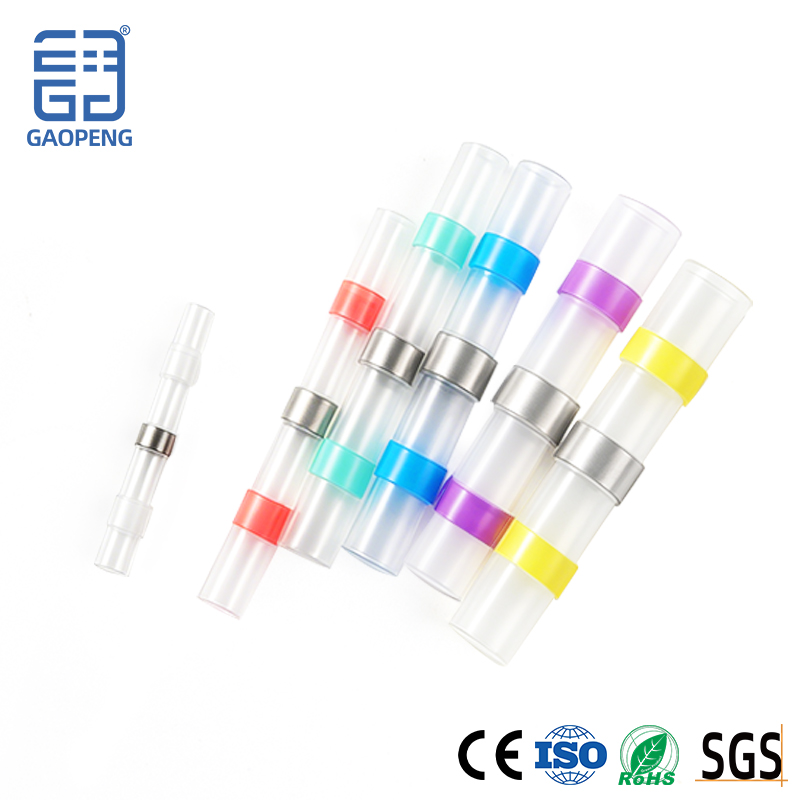
Solder wire connectors: Shell with a soldering hole; insert wire first, then use a soldering iron through the hole to solder. Provides firm connection, combining mechanical strength with soldered conductivity. Used in special repairs, high current applications, or situations that require avoiding loosening entirely.
Wire nuts with bridging tabs: Extra tab terminal on the side; tighten or crimp a wire, and the tab can be inserted into a terminal block to achieve a "T"-type branch connection without disconnecting the main line. Needed for circuits where branches need to be drawn from the main line, such as adding equipment.
Waterproof wire nuts: Housing with a sealing ring or potting compound; tighten or crimp. Provides IP protection, moisture-proof, waterproof, and dust-proof.