



Do you know everything about cold-pressed terminals?
Main components and types
Contact zone (front end): The part that connects to the device.
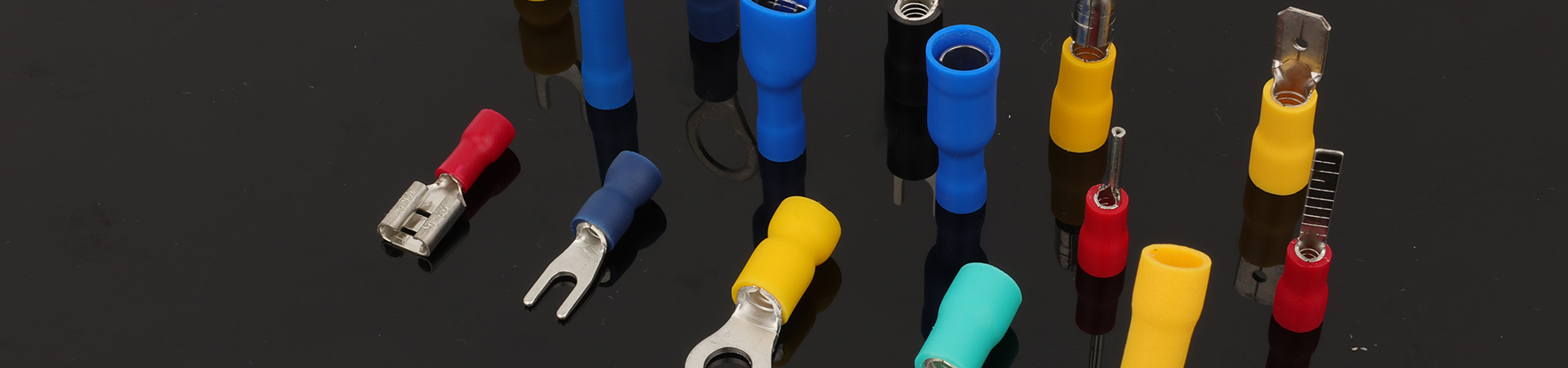
Ring Terminals: most commonly used, fixed with screws, anti-rotation, the most reliable connection.
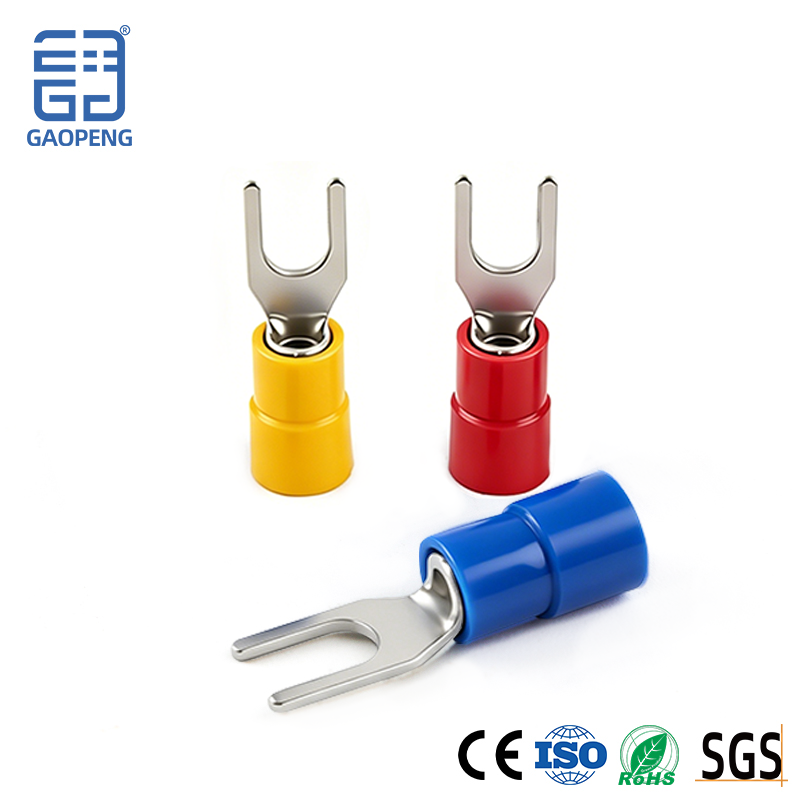
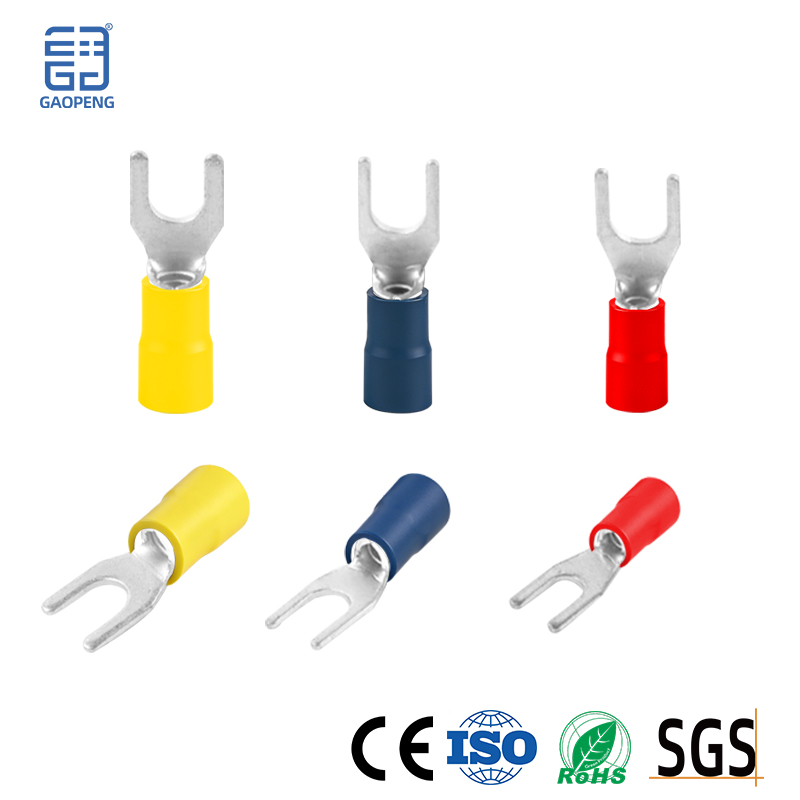
Fork terminals: forked, installation without the need to completely remove screws, easy maintenance.
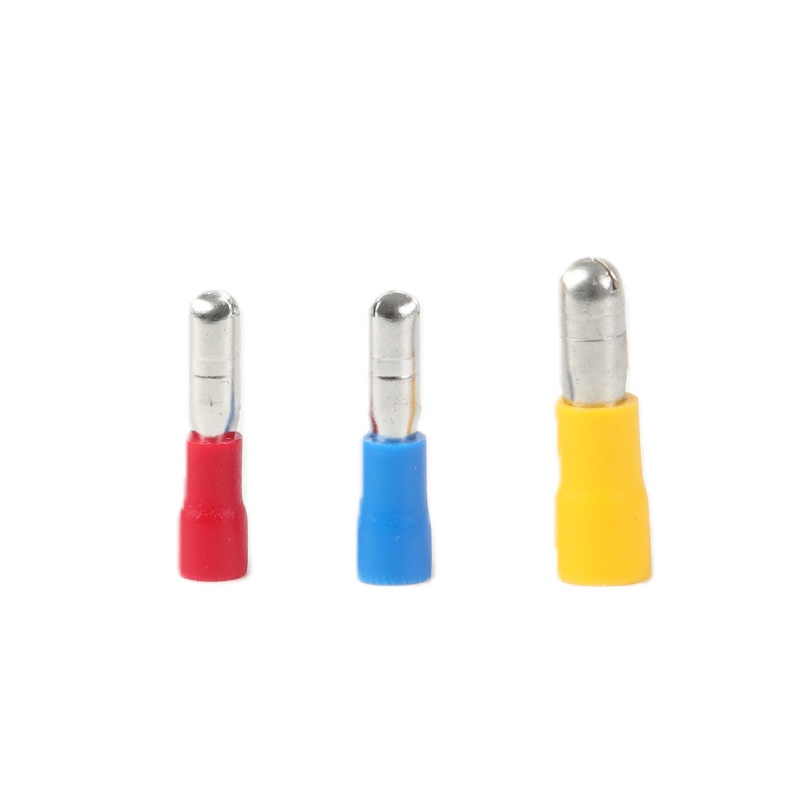
Pin/male and female terminals: used for docking connectors, PCB boards, etc.
Chip terminals: used for rail-type terminals, switches, etc.
Bare Ends: For crimping only, no insulation.
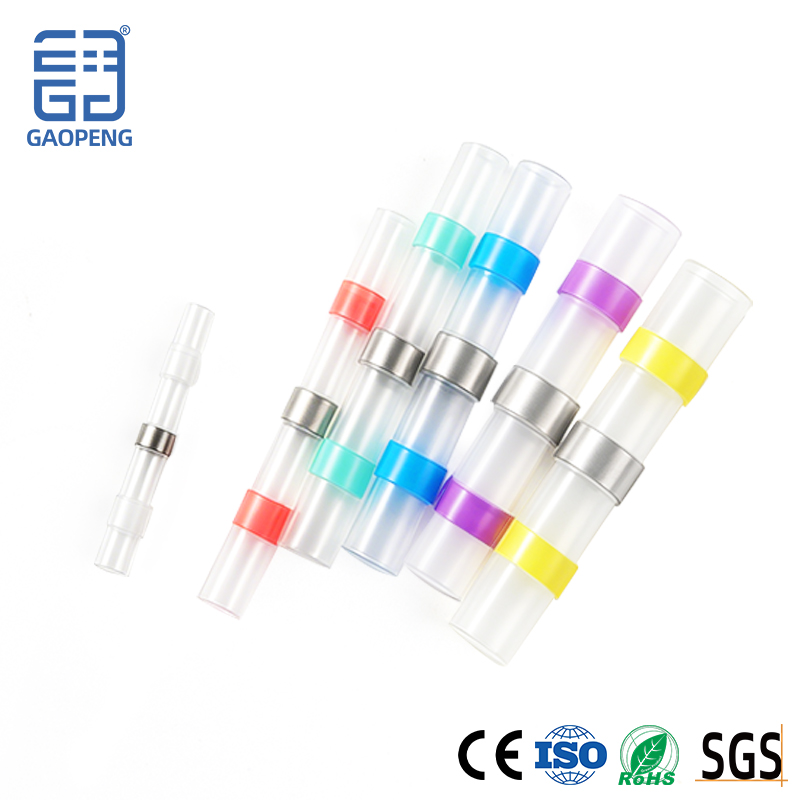
Crimping area (middle section, wire barrel): the crimping part of the wire. It is usually made of copper (pure copper, brass, copper), and the surface is often tin-plated (anti-oxidation, improve conductivity), silver-plated (high-frequency or high-demand occasions) or nickel plated (corrosion resistance).
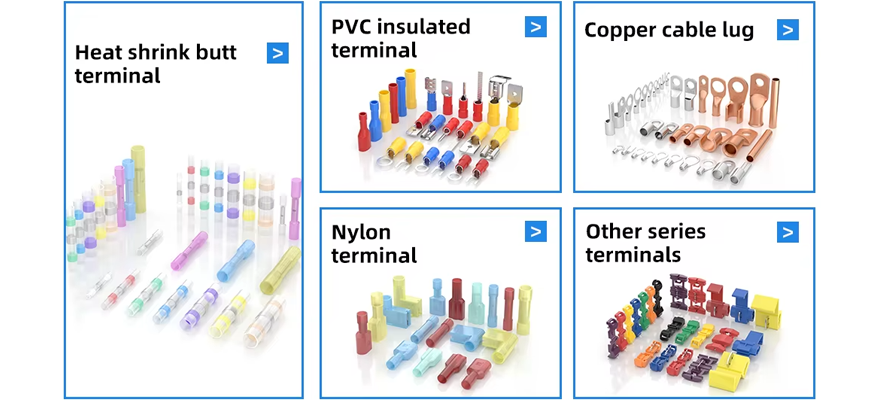
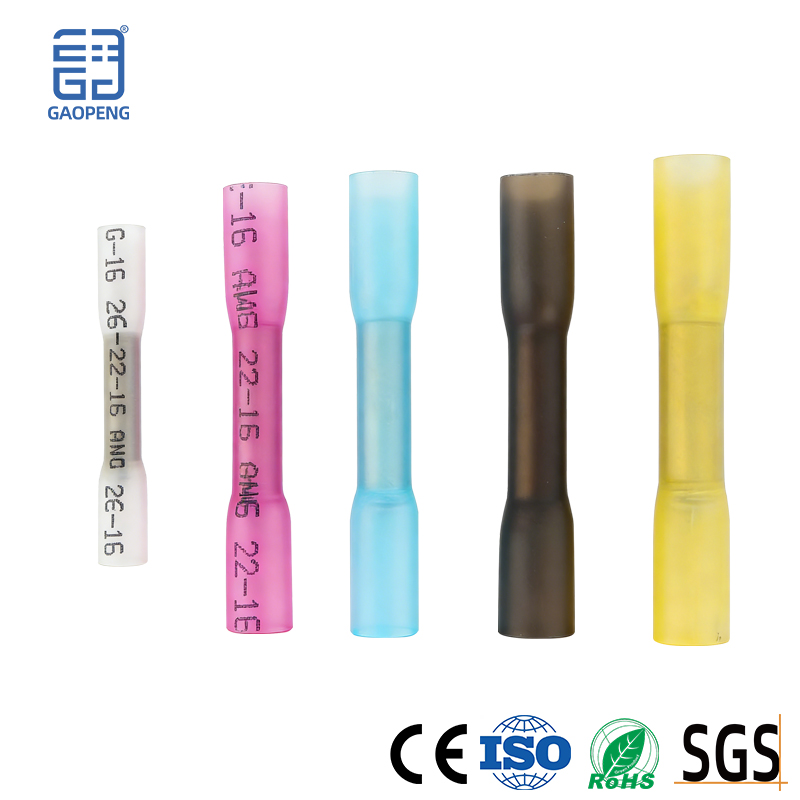
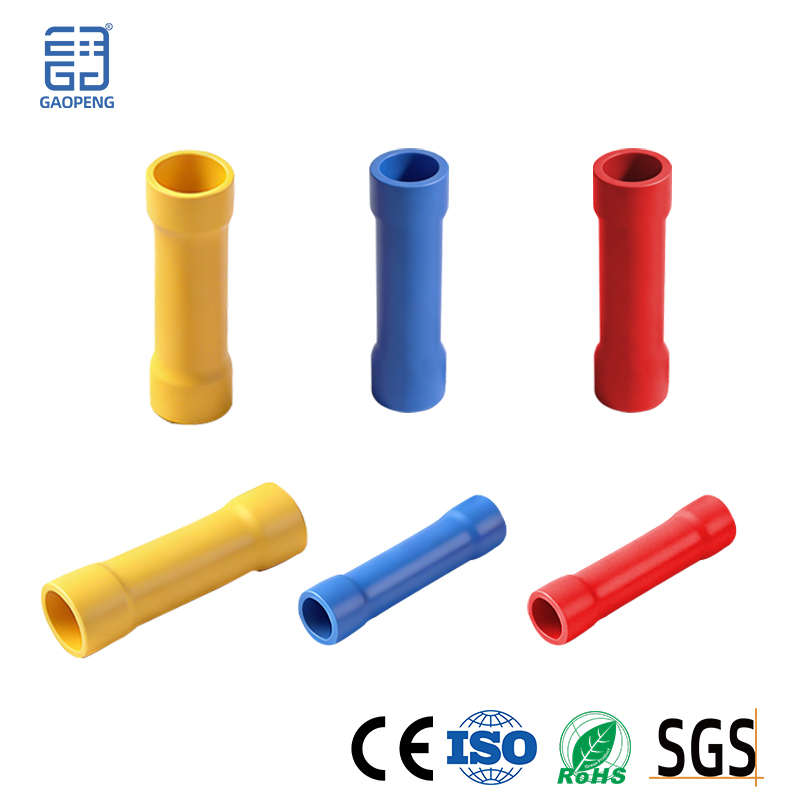
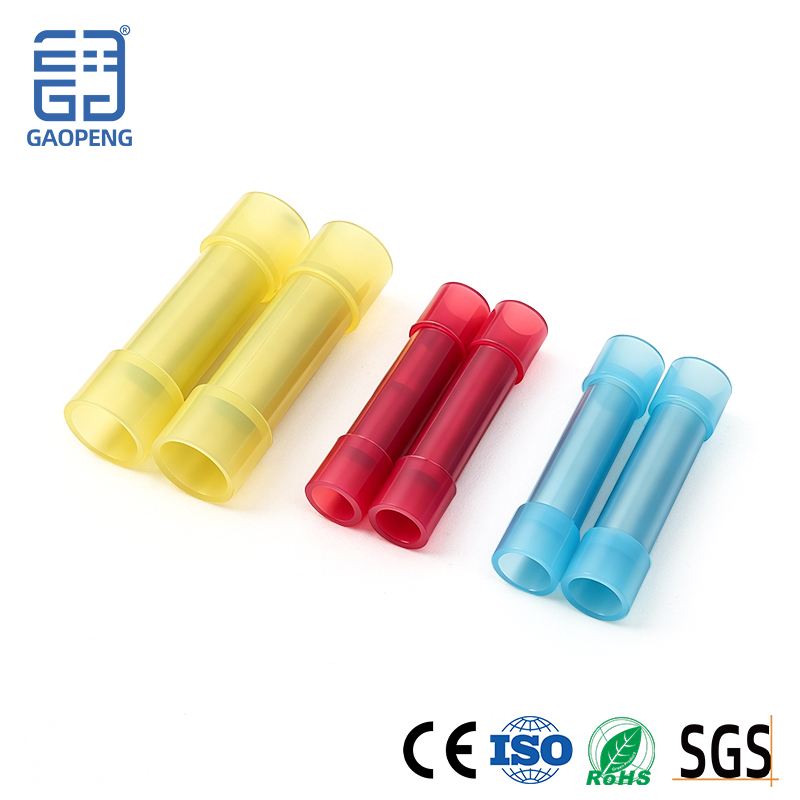
Insulation zone (rear end, optional): A plastic sheath wrapped outside the crimping zone, usually PVC, nylon, etc. Colors (e.g., red, blue, yellow) International common standards indicate the range of cross-sectional areas of wires to which they apply (e.g., red is commonly used for 0.5-1.5 mm², blue 1.5-2.5 mm², yellow 4-6 mm²).
Benefits:
High reliability: Good crimping point resistance is low and stable, and has strong resistance to vibration and fatigue.
High efficiency: faster than welding, suitable for batch operations.
Consistency: Use qualified tools and specifications to ensure consistent quality at every connection point.
No thermal effect: No heating is required, avoiding damage to the wire insulation and surrounding components.
Easy maintenance: easy to remove and reinstall (especially ring/fork).
Main application scenarios:
Power distribution system: inlet and outlet line connection of distribution box, control cabinet, circuit breaker, contactor.
Industrial automation: PLCs, sensors, servo drives, relays, wiring in control panels.
Automotive industry: automotive wiring harnesses, battery connections, various controllers.
Home appliance manufacturing: internal motor and power connection for air conditioners, washing machines, refrigerators, etc.
Rail Transit and Ships: Electrical connections with high requirements for reliability and corrosion resistance.
New energy: Connections inside photovoltaic inverters, battery packs, and charging piles.
Building Wiring & Repair: Used to extend, repair, or regulate wire connections.