



Do You Understand Everything About Cold-Pressed Terminals? A Comprehensive Guide to Essential Knowledge
Part 1: What Exactly Is a Cold-Pressed Terminal?
A cold-pressed terminal is a precision-engineered component designed to be permanently attached to the end of a wire, creating a secure and reliable electrical connection point. The term "cold-pressed" refers to the attachment method: crimping, a cold-working process that mechanically deforms the terminal's barrel around the wire conductor under immense, calibrated pressure. This creates a "cold weld"—a metallurgical bond achieved without the application of heat, unlike soldering.
Basic Structure:
-
Metal Barrel: The hollow cylinder that receives the stripped wire. Made from high-conductivity materials like copper or brass, often plated (tin, silver, nickel) for corrosion resistance.
-
Insulation Sleeve (for insulated types): A color-coded sleeve (typically nylon or PVC) that provides electrical insulation, strain relief, and visual wire gauge identification.
-
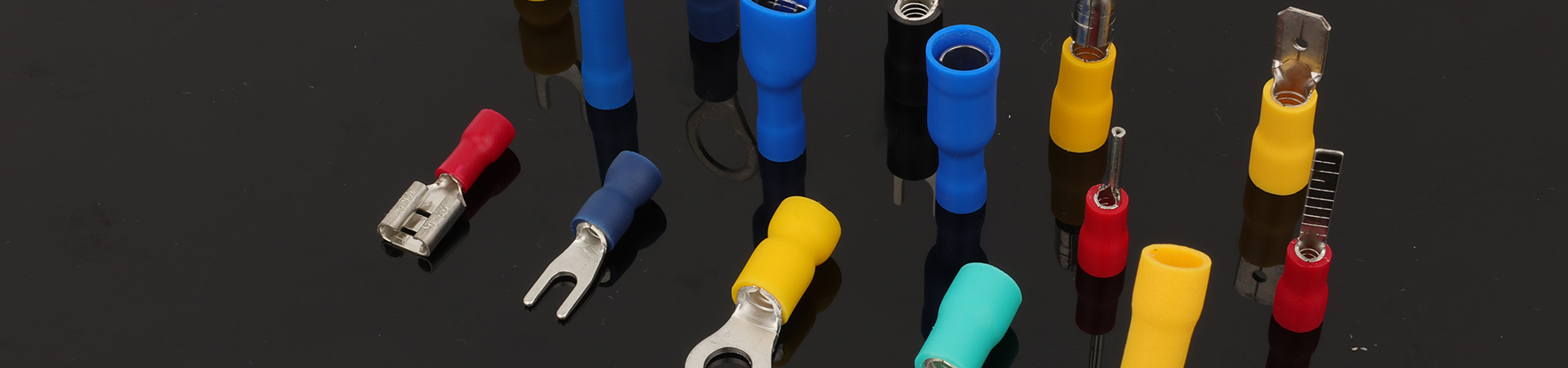
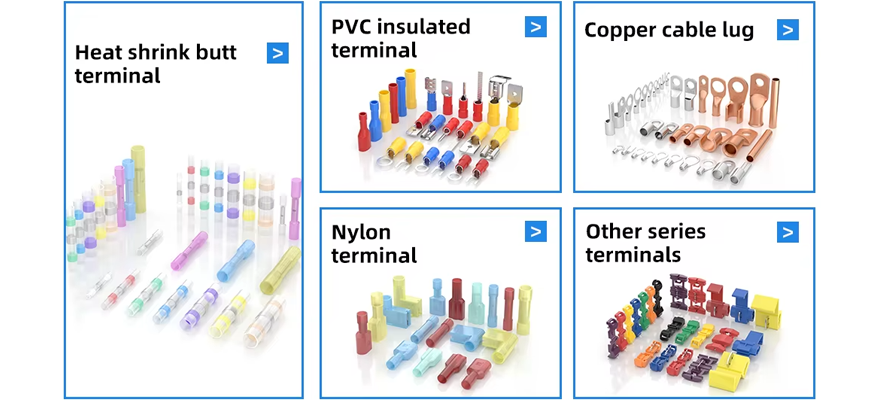
Connection Tongue: The shaped end of the terminal designed for attachment to a stud, screw, or mating connector. Common shapes include ring, spade, fork, pin, and Bullet.
Part 2: The Core Types and Their Specific Roles
Understanding the different types of cold-pressed terminals is essential for selecting the right component for any application.
Ring Terminals
-
Description: Feature a complete circular ring at the connection end.
-
Key Advantage: Provides the most secure, permanent attachment. The screw or stud must be fully removed to detach the wire.
-
Ideal For: High-vibration environments (automotive, industrial machinery), power connections, and any application where accidental disconnection is unacceptable.
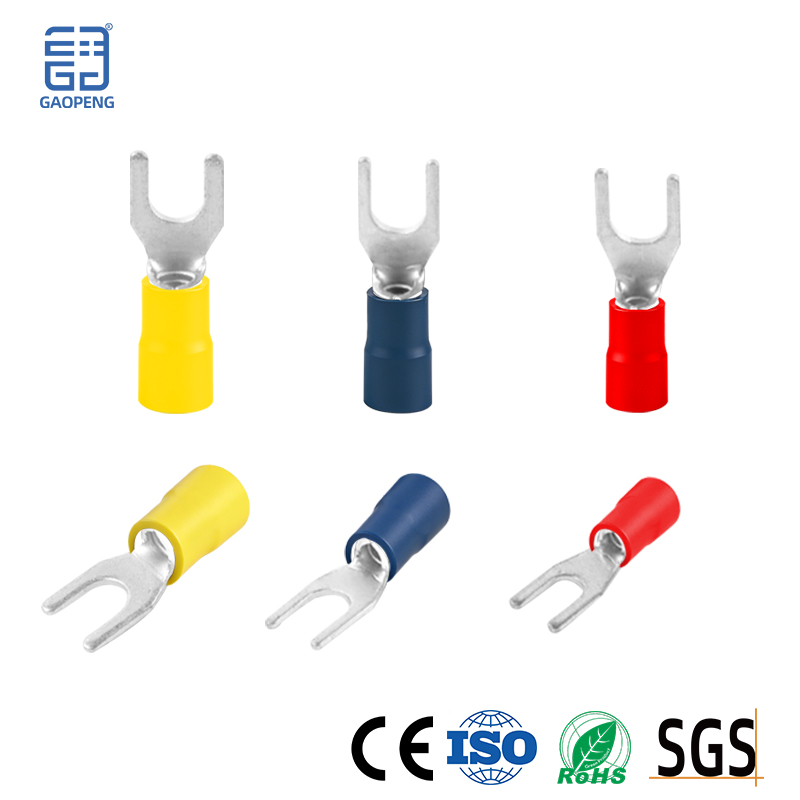
Spade (Fork) Terminals
-
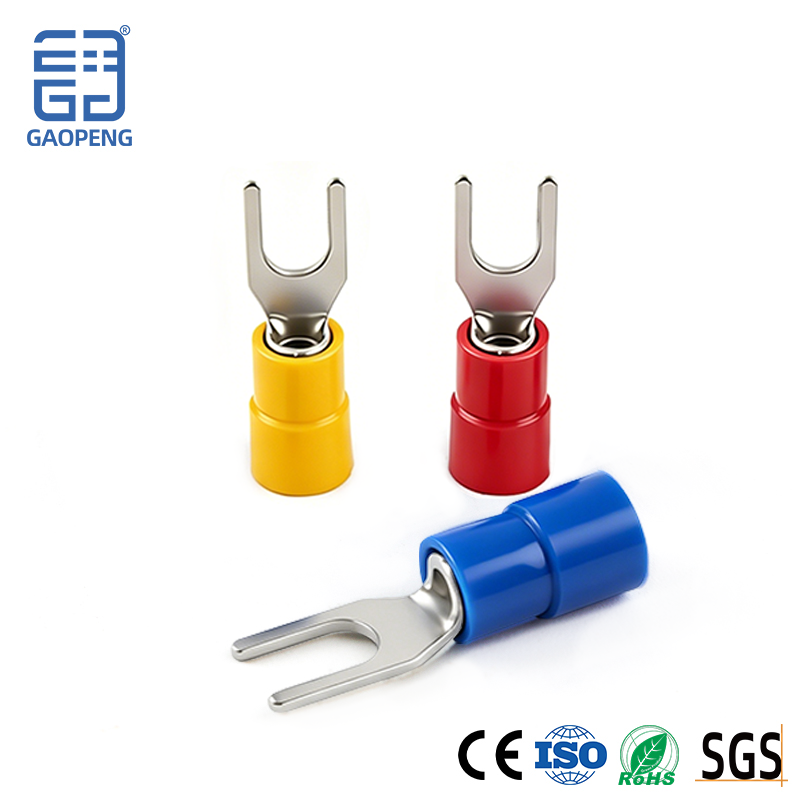
Description: Feature a U-shaped or forked end that slides under a screw or stud.
-
Key Advantage: Allows for quick disconnect and reconnection without fully removing the screw. Offers convenience while maintaining reasonable security.
-
Ideal For: Terminal blocks, appliances, control panels, and applications requiring occasional maintenance or modification.
Pin Terminals
-
Description: Feature a solid, cylindrical pin at the connection end.
-
Key Advantage: Designed for insertion into female connectors, plug housings, or specific terminal block types. Provides a compact, precise connection point.
-
Ideal For: Connector assemblies, printed circuit board (PCB) connections, and high-density wiring applications.
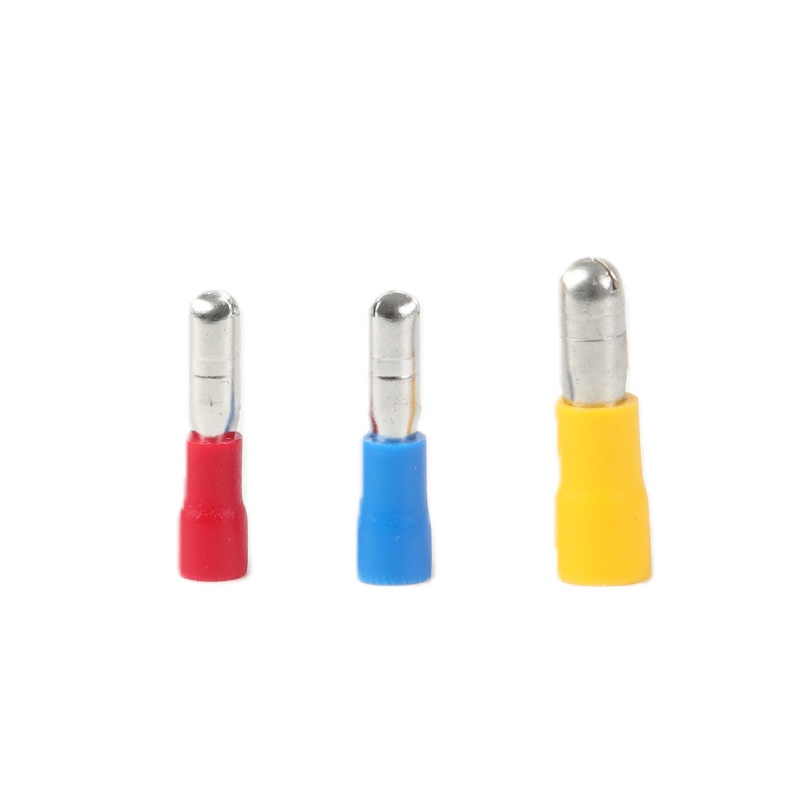
Bullet Terminals
-
Description: Feature a male bullet-shaped pin and corresponding female receptacle.
-
Key Advantage: Creates a quick-disconnect, in-line connection that is secure yet easily separable.
-
Ideal For: Automotive wiring, trailer connections, and modular systems requiring frequent disconnection.
Ferrules (Wire End Ferrules)
-
Description: A specialized tubular terminal crimped onto stranded wire, without a connection tongue.
-
Key Advantage: Consolidates stranded wire into a solid pin, preventing strand splay and ensuring optimal contact in screw-clamp terminal blocks.
-
Ideal For: Control panel wiring, PLC connections, and any application using stranded wire with screw-type terminals.
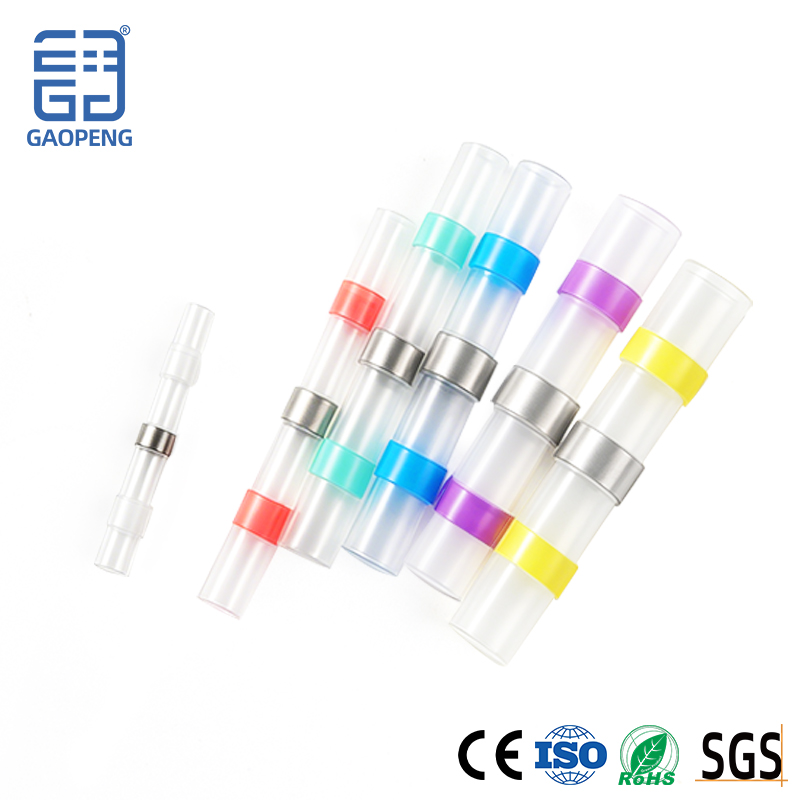
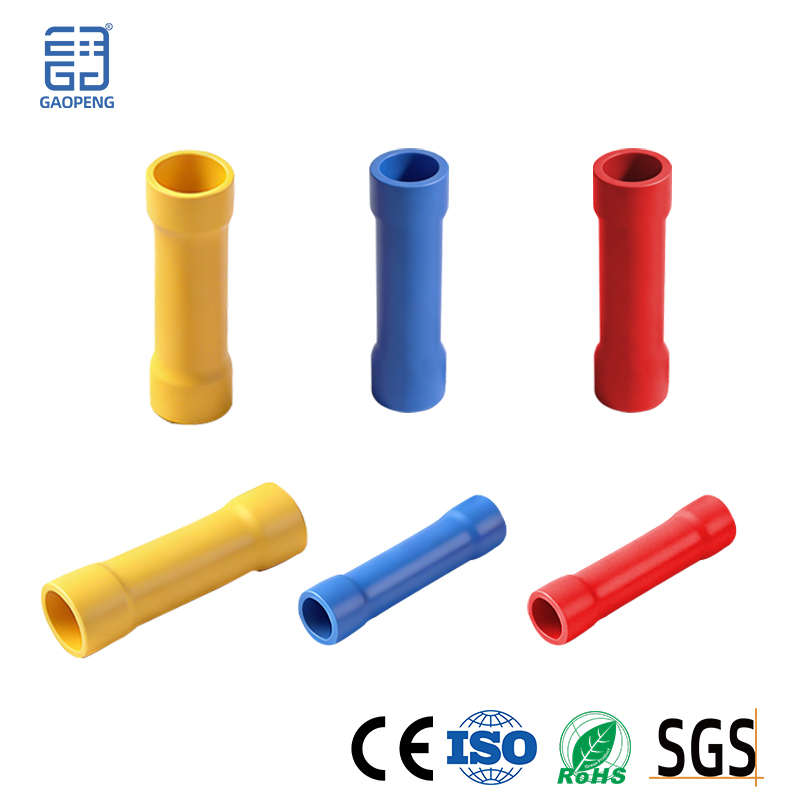
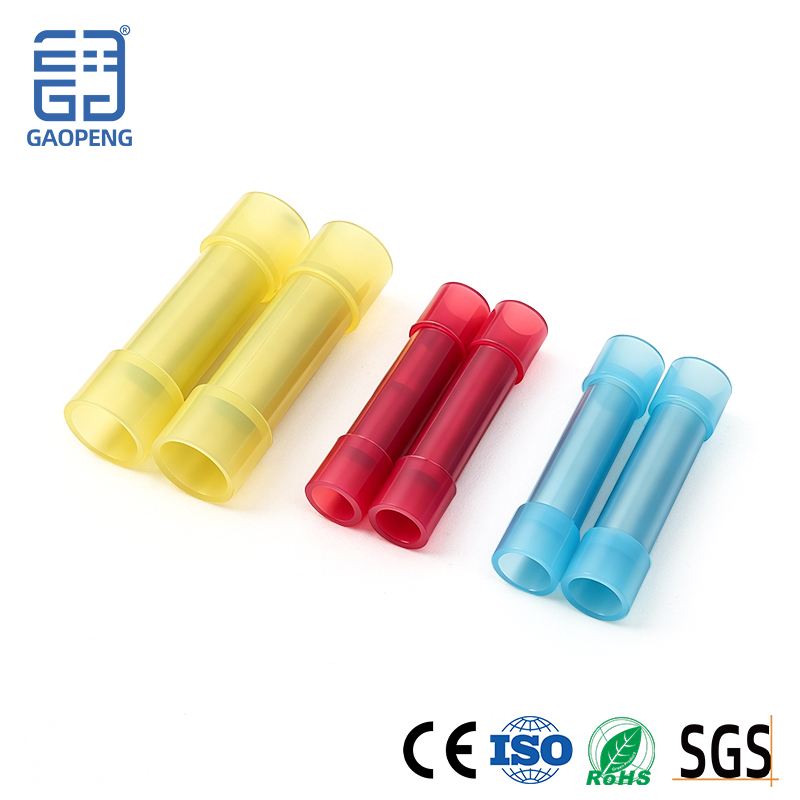
Butt Connectors
-
Description: A hollow tube designed to join two wires end-to-end.
-
Key Advantage: Creates an in-line splice, allowing for wire extension or repair.
-
Ideal For: Wire repairs, harness assembly, and extending wire runs.
Part 3: Why Choose Cold-Pressed Over Other Methods?
Advantages Over Soldering
-
No Heat Damage: Eliminates the risk of heat damage to wire insulation or sensitive components.
-
Superior Vibration Resistance: The cold weld created by crimping is inherently more resistant to vibration fatigue than a soldered joint.
-
Faster, More Consistent: Crimping is significantly faster and more repeatable than soldering, especially in production environments.
-
No Cold Flow or Brittleness: Avoids the issues of cold flow in solder or brittleness in heat-affected zones.
Advantages Over Wire Twisting or Direct Connection
-
Gas-Tight Seal: Prevents oxidation and corrosion at the conductor interface.
-
Mechanical Strength: Provides pull-out resistance often exceeding the wire's own tensile strength.
-
Consistent Electrical Performance: Ensures low and stable contact resistance over the life of the connection.
-
Professional Organization: Creates neat, identifiable terminations that enhance panel aesthetics and maintainability.
Part 4: The Critical Role of Material Quality
The performance of a cold-pressed terminal is fundamentally determined by its materials.
Conductor Materials
-
Electrolytic Copper: The industry standard for high conductivity and ductility. Ensures excellent current-carrying capacity.
-
Brass: Offers good conductivity with enhanced spring properties, often used in specific connector types.
-
Plating: Essential for corrosion resistance and maintaining low contact resistance.
-
Tin Plating: Most common, excellent for general applications, good solderability.
-
Silver Plating: Superior conductivity, ideal for high-temperature or high-current applications.
-
Nickel Plating: Excellent corrosion and heat resistance, suitable for harsh environments.
-
Insulation Materials
-
Nylon (Polyamide): Offers excellent abrasion resistance, flexibility, and a wide temperature range. Flame-retardant grades (UL94 V-2 or V-0) are standard.
-
PVC (Polyvinyl Chloride): Good general-purpose insulation with flame-retardant properties. More rigid than nylon.
-
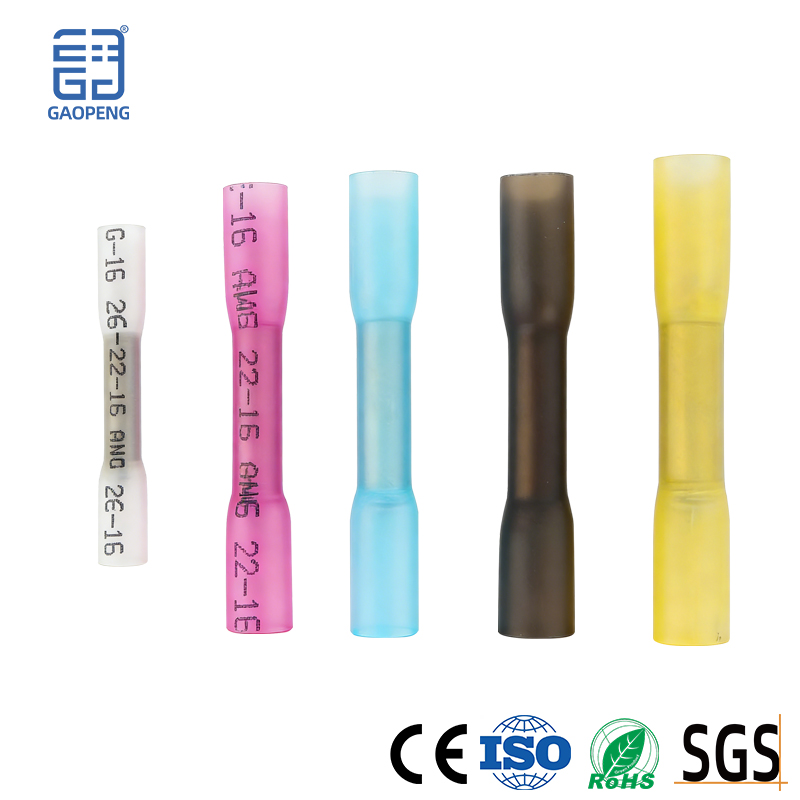
Heat-Shrinkable Insulation: Specialized terminals with an insulation sleeve that shrinks when heated, creating a waterproof, environmentally sealed connection.
Part 5: The Science of the Crimp – Getting It Right
A perfect terminal is useless without a perfect crimp. Understanding the crimping process is essential.
The Anatomy of a Proper Crimp
-
Conductor Crimp: The section of the barrel compressed onto the bare wire strands. Must be tight enough to create a cold weld but not so tight as to damage strands.
-
Insulation Crimp: For insulated terminals, a secondary crimp that grips the wire's insulation, providing strain relief and preventing flexing at the conductor junction.
-
Bell-Mouth Entry: A slight flare at the barrel's entrance that prevents sharp edges from cutting wire strands under stress.
The Cardinal Rules of Crimping
-
Match Component to Wire: Terminal barrel size must precisely match wire gauge (AWG or mm²).
-
Use the Correct Tool: Always use a calibrated ratcheting crimp tool with dies specifically designed for your terminal type. Never use pliers.
-
Prepare Wire Perfectly: Strip to exact length, ensure strands are clean and untangled, and insert fully into barrel.
-
Complete the Full Cycle: Squeeze until the ratchet releases—never stop mid-cycle.
-
Inspect Every Crimp: Perform visual inspection and a gentle pull test to verify integrity.
Part 6: Common Applications Across Industries
Cold-pressed terminals are truly ubiquitous. Their reliability makes them essential in:
-
Industrial Automation: Control panels, PLC systems, sensor wiring, motor connections.
-
Automotive & Transportation: Wiring harnesses, battery connections, lighting systems, engine control units.
-
Renewable Energy: Solar combiner boxes, wind turbine controls, battery storage system connections.
-
Aerospace & Defense: Mission-critical wiring where failure is not an option.
-
Appliances & HVAC: Internal wiring of refrigerators, washing machines, air conditioners, and furnaces.
-
Telecommunications: Equipment rack wiring, power distribution, grounding systems.
-
Marine Applications: Corrosion-resistant connections in boats and offshore equipment.
Part 7: Standards and Certifications – The Language of Quality
Global trade requires common standards. Reputable cold-pressed terminals carry certifications that verify their safety and performance.
-
UL (Underwriters Laboratories): North American safety standard. UL 486 specifies requirements for wire connectors.
-
IEC (International Electrotechnical Commission): Global standards, including IEC 60999 for connecting devices.
-
CSA (Canadian Standards Association): Canadian certification for electrical components.
-
VDE (Verband Deutscher Elektrotechniker): German/European certification, highly regarded worldwide.
-
RoHS & REACH: Environmental compliance restricting hazardous substances.
When specifying terminals, always verify that the manufacturer provides clear documentation of these certifications.
Part 8: How to Identify Quality – What to Look For
Not all terminals are created equal. Here's what distinguishes a premium terminal from a substandard one:
-
Consistent Dimensions: Precise manufacturing ensures every terminal meets specifications.
-
Smooth Surfaces: No burrs, sharp edges, or plating defects.
-
Proper Material Thickness: Adequate copper gauge for the rated current.
-
Uniform Plating: Even coverage without bare spots or flaking.
-
Clear Markings: Size, type, and sometimes manufacturer identification.
-
Complete Certification Documentation: Available upon request, not hidden.
Part 9: Storage and Handling Best Practices
Even the finest terminals can be compromised by improper storage.
-
Keep Dry: Store in humidity-controlled environments to prevent oxidation.
-
Avoid Contamination: Keep away from dust, oils, and chemicals.
-
Organize by Size: Use compartmentalized bins to prevent mixing and damage.
-
Respect Shelf Life: While indefinite if stored properly, inspect older stock for signs of corrosion.
Conclusion: Mastery Through Knowledge
Cold-pressed terminals are deceptively simple components that embody sophisticated engineering principles. From material science and precision manufacturing to the physics of crimping and the rigors of international standards, every aspect contributes to the ultimate goal: a connection that is safe, reliable, and enduring.
At Yueqing Gaopeng Electric Co., Ltd., we believe that true expertise comes from understanding not just what a product is, but how it works, why it matters, and how to use it correctly. Our terminals are engineered with this philosophy—designed to perform flawlessly when paired with proper knowledge and technique.
Whether you are an engineer specifying components for a critical system, a technician building control panels, or a procurement specialist sourcing reliable parts, understanding everything about cold-pressed terminals empowers you to make better decisions and build more reliable systems.
The connection is critical. Master the knowledge. Choose Gaopeng for uncompromising quality.
Explore our comprehensive range of cold-pressed terminals, insulated ferrules, and professional crimping tools. Contact our technical team for detailed specifications, application guidance, and certification documentation.