



How Insulated Ferrules Terminals Improve Industrial Maintenance and Energy Efficiency!
1. Improve industrial maintenance efficiency
Simplify installation and maintenance
Modular Design: The Insulated Terminals adopt a standardized and modular structure, allowing for quick installation, replacement, or expansion, reducing downtime.
Clear Identification: The terminals are often clearly numbered or labeled, making it easier for technicians to identify the wiring and reducing the complexity of troubleshooting.
Tool-Free Operation: Many insulated terminals support spring crimping or lever operation, allowing for wiring without the need for specialized tools, enhancing maintenance efficiency.
Enhance system reliability and security
Anti-electric shock protection: The insulated shell effectively prevents personnel from accidentally touching the live parts and reduces the risk of safety accidents.
Anti-vibration and anti-loosening: In industrial environments, where vibrations are frequent, the locking design of insulated terminals (such as screw crimping and spring clamping) can maintain stable connections and reduce failures caused by loosening.
Corrosion and environmental resistance: Flame retardant, high-temperature resistance, and chemical resistance materials (such as PA66, PC) are used to adapt to harsh working conditions and extend the maintenance cycle.
Fault diagnosis and preventive maintenance
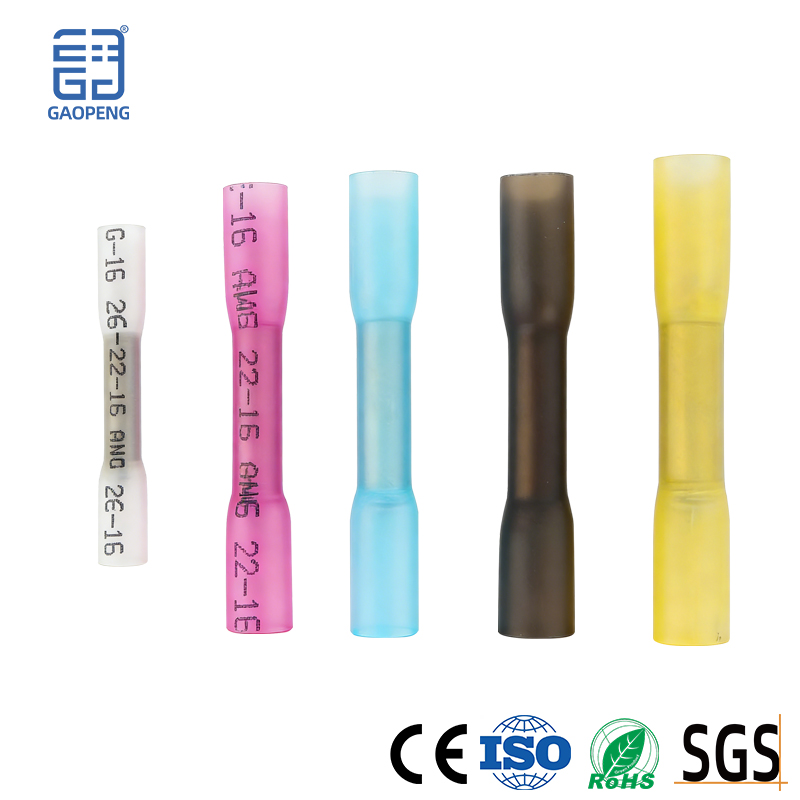
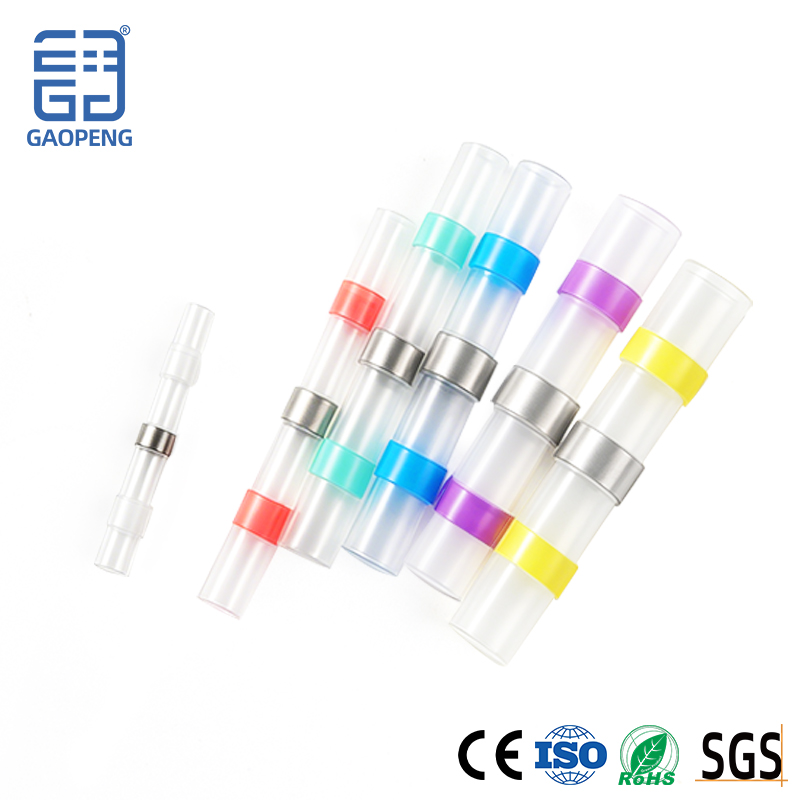
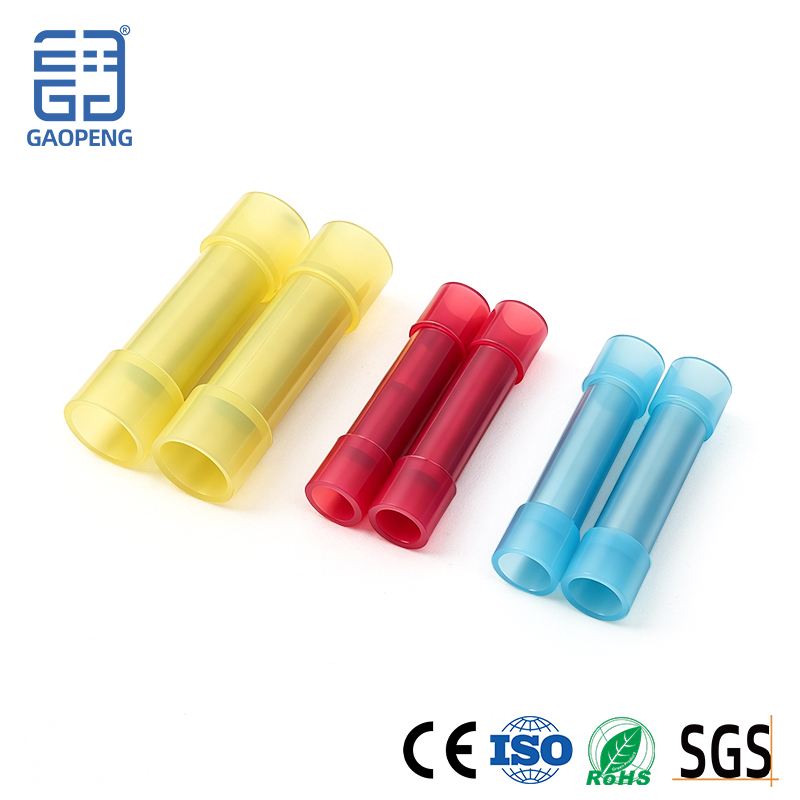
Transparent design: Some terminal housings are transparent, allowing for direct observation of the internal connection status, facilitating quick detection of anomalies.
Test Interfaces: Some terminals integrate test points to enable voltage or current measurements without disconnecting the circuit, enabling predictive maintenance.
Standardization and compatibility
Compliance with international standards (e.g., IEC, UL) ensures compatibility with various types of equipment, reduces spare parts inventory and simplifies supply chain management.
2. Improve energy efficiency
Reduced contact resistance and reduced energy loss
High-quality conductive materials: Copper alloy, tin or silver plating are used to reduce contact resistance and reduce heat loss in electrical energy transmission.
Crimp Reliability: Stable crimping force ensures tight contact surfaces, avoiding increased resistance due to loosening or corrosion, thereby reducing energy waste.
Optimize wiring and space utilization
High-Density Connections: Compact insulated terminals allow for the integration of more lines in a limited space, reducing cable length and reducing wire loss.
Reduced node heating: Low-resistance connection points reduce local overheating and avoid additional energy consumption due to heating.
Support intelligent energy management
Sensor and monitoring integration: Insulated terminals can be combined with current and temperature sensors to monitor energy consumption data in real time, providing a basis for energy efficiency optimization.
Modular power distribution system: Rationally plan the terminal layout in the distribution cabinet to shorten the current path and improve the distribution efficiency.
Extend equipment life and reduce overall energy consumption
Stable electrical connections reduce voltage fluctuations and faults, avoiding frequent start-stop or overload operation of equipment due to power supply issues, thereby reducing overall energy consumption.
3. Typical application scenarios
Manufacturing production lines: reduce production downtime losses due to electrical faults and improve overall equipment effectiveness (OEE).
Renewable energy systems: Reliable connections in photovoltaic inverters and wind power control systems to reduce transmission losses.
Building automation: Optimize the wiring of building distribution cabinets to support the refined management of intelligent lighting and air conditioning systems.
Transportation Infrastructure: Used in rail signaling systems, ensuring high reliability and reduced maintenance frequency.