



How insulated terminals can transform household and industrial wiring
Home Wiring: Upgrading Traditional Wiring
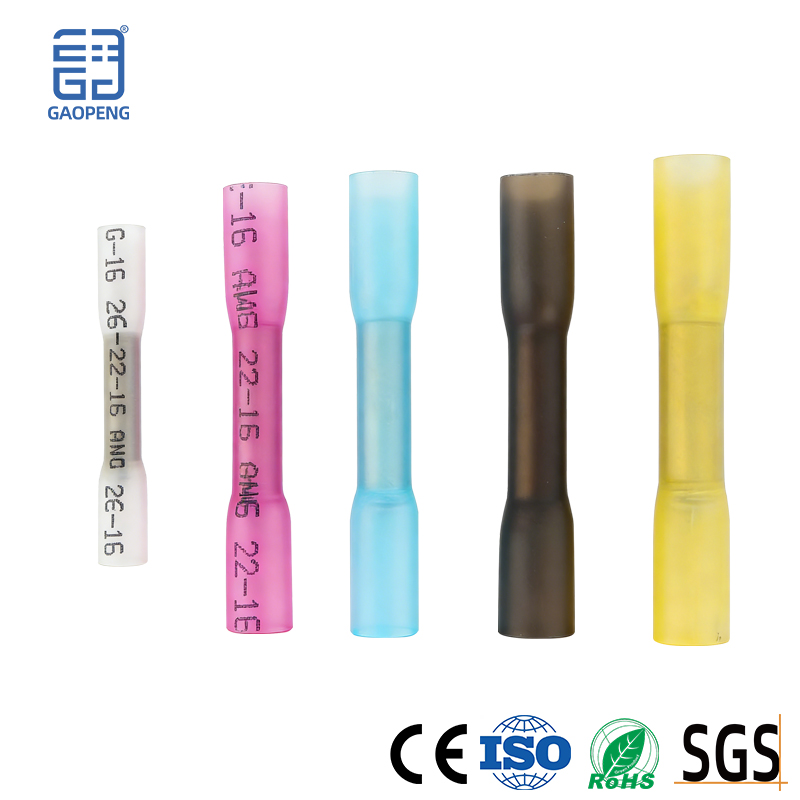
In home renovations, the traditional method of 'wrapping with insulating tape' requires high technical skill, and the tape tends to age and fall off over time. Replacing it with Insulated Terminals makes the process more standardized and safer.
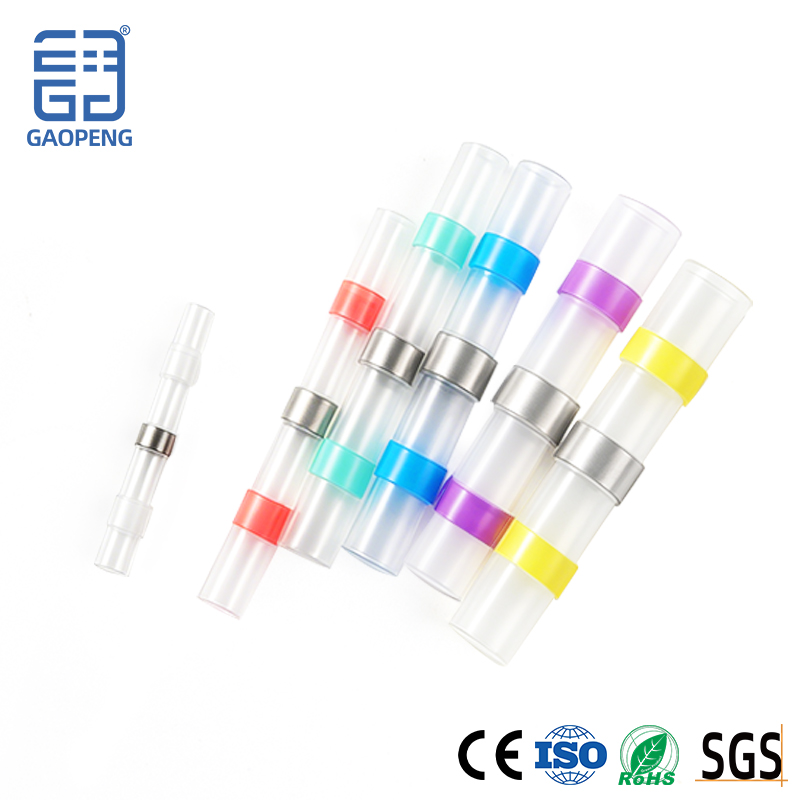
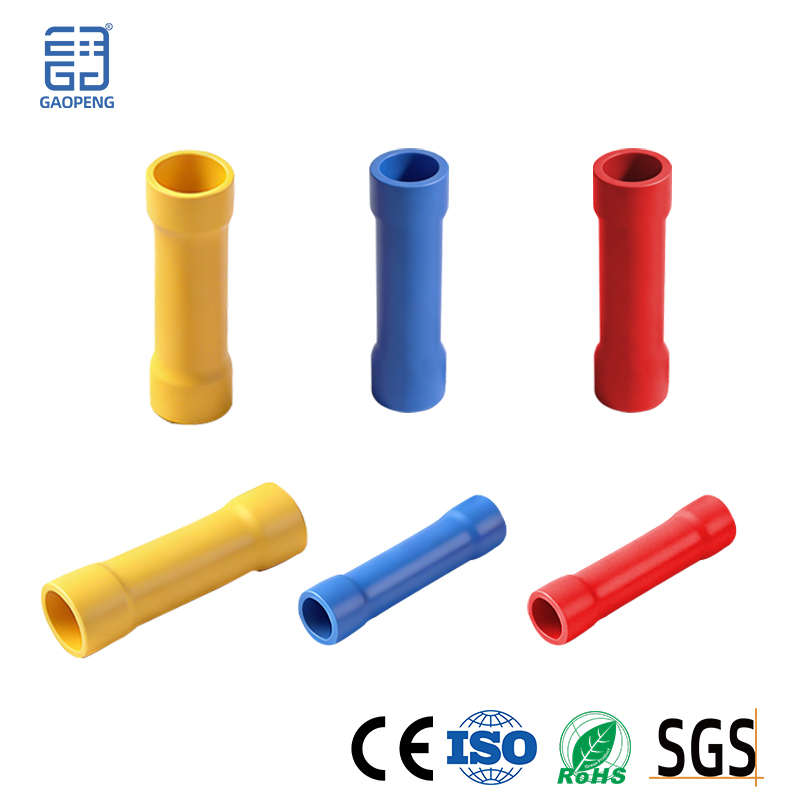
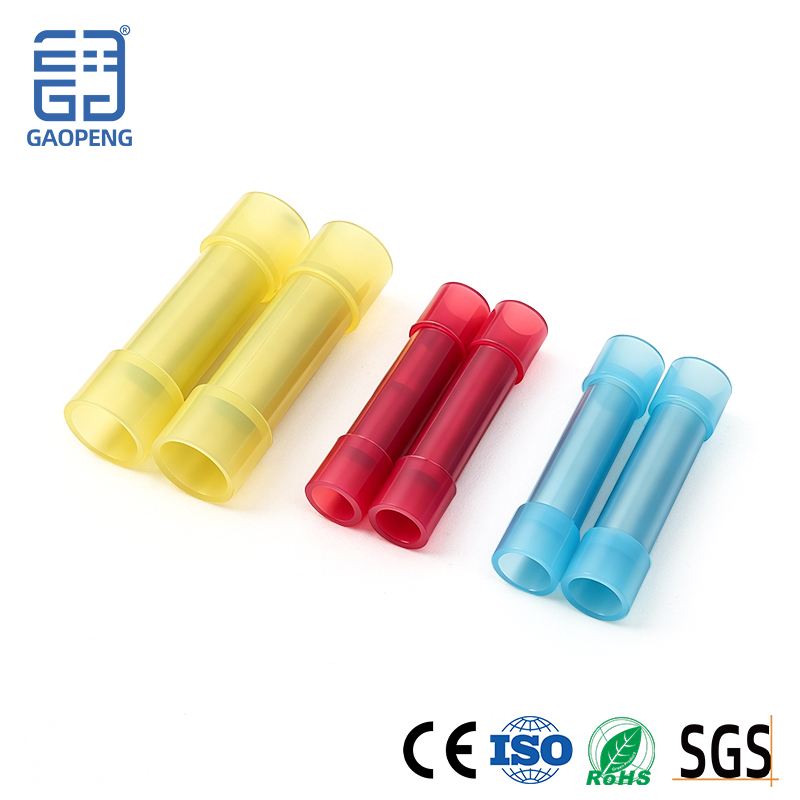
Wire Caps, with a metal sleeve inside and insulation on the outside, are used with specialized pliers to crimp all wires at once. They are most commonly used for connecting multiple wires of the same specification in a junction box.
Twist-on Wire Connectors work like screwing in a screw: the wire is inserted and twisted to lock. They are convenient to use and prevent loose connections. Suitable for scenarios requiring quick connections, such as installing light fixtures or wiring outlets.
Operation Steps
Prepare Tools: Wire stripper, crimping pliers (for wire nuts), screwdriver (for screw terminals), insulating tape (for assistance).
Handle Wire Ends: Use the wire stripper to remove about 5-10 mm of insulation from the end of the wire to expose the copper core, being careful not to damage the copper strands.
Connection and Securing:
Wire Nut: Align the copper cores of the wires to be connected, insert them into the wire nut, and then use the dedicated crimping pliers to press tightly. After crimping, try pulling each wire to ensure it does not come loose.
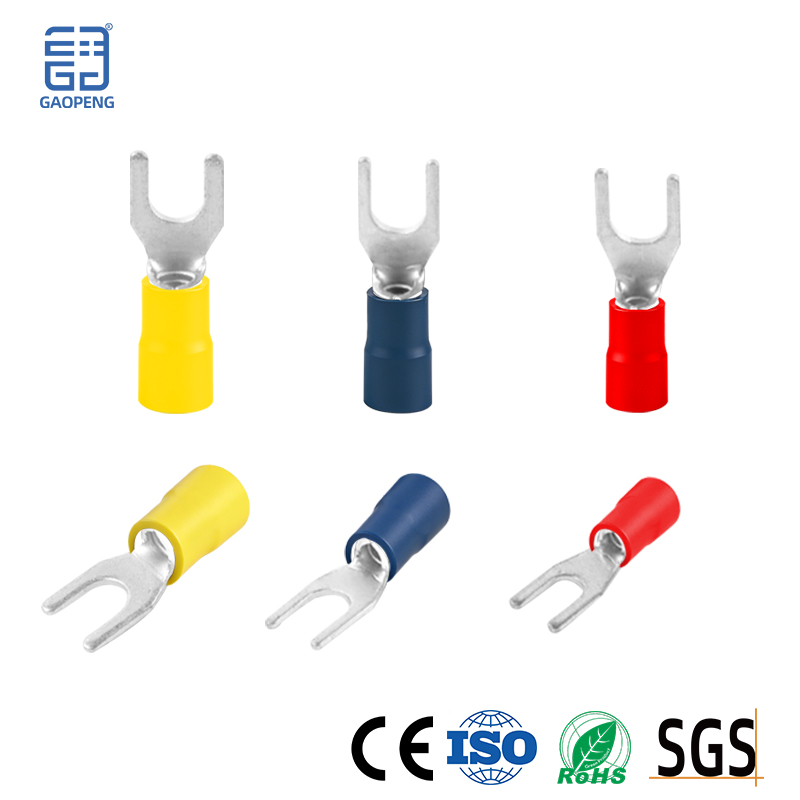
Screw Terminal: Insert the stripped wire into the terminal hole and rotate the button or screw according to the terminal's instructions until the wire is securely locked.
Safety Check: After connection, ensure no copper core is exposed. If the terminal itself cannot completely cover the copper core, use insulating tape to wrap it additionally.
Note: For household switches and socket panels, the wiring holes on the back are screw-type terminals. Simply insert the wire and tighten the screw without any additional modification.
Industrial Wiring: Guidelines for Professionalism and Safety
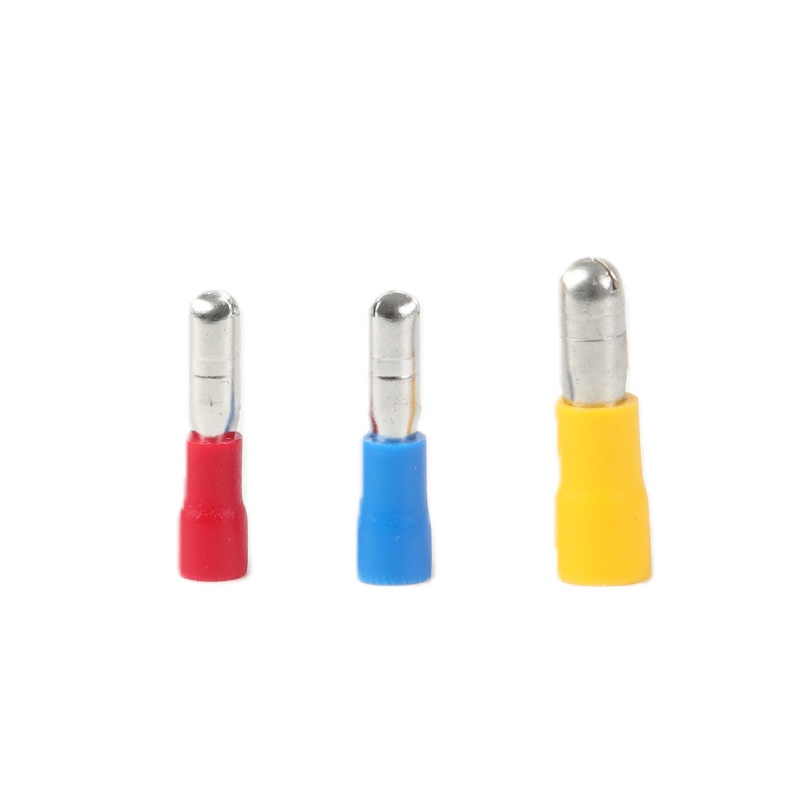
Industrial environments have very high requirements for safety, vibration resistance, and reliability. Using insulated terminals (especially tubular terminals) is standard practice and can effectively prevent short circuits caused by loose wires.
1. Key Applications: Tubular Terminals (also known as crimp terminals)
In industrial control cabinets, stranded soft wires are widely used. Directly connecting them to screw terminals can easily produce tiny copper strands, which may cause short circuits. Tubular terminals crimp the wire bundle into a whole, perfectly solving this problem.
2. Standardized Operating Procedures
Selection and Matching: Be sure to choose tubular terminals that exactly match the cross-sectional area of the wire. For example, a 1.5mm² wire should use a 1.5mm² terminal.
Precise Stripping: Use professional wire stripping tools, and the stripping length should match the length of the terminal’s metal tube.
Crimping with Dedicated Tools:
It is necessary to use "crimping pliers for insulated terminals." These pliers usually have two crimp positions: one to crimp the copper core (ensuring conductivity) and the other to crimp the insulation wings (providing tensile and insulation protection).
Avoid using ordinary pliers or incorrect tool models, as this may lead to insecure crimps or damage the insulation.
Visual Inspection: After crimping, check that the copper core is fully inserted through the metal tube and slightly visible, and that the insulation is pressed tight but not cracked.
3. Advanced Tips: Modification to Fit Tight Spaces
Sometimes insulated terminals with plastic covers are too large to fit into the equipment. Experienced electricians proceed as follows:
Carefully strip off the plastic cover of the insulated terminal, leaving only the metal part.
Insert the exposed metal terminal (now a bare terminal) into the equipment's wiring post.
Key: At this point, use crimping pliers for bare terminals or reflow solder the terminal to ensure connection strength.