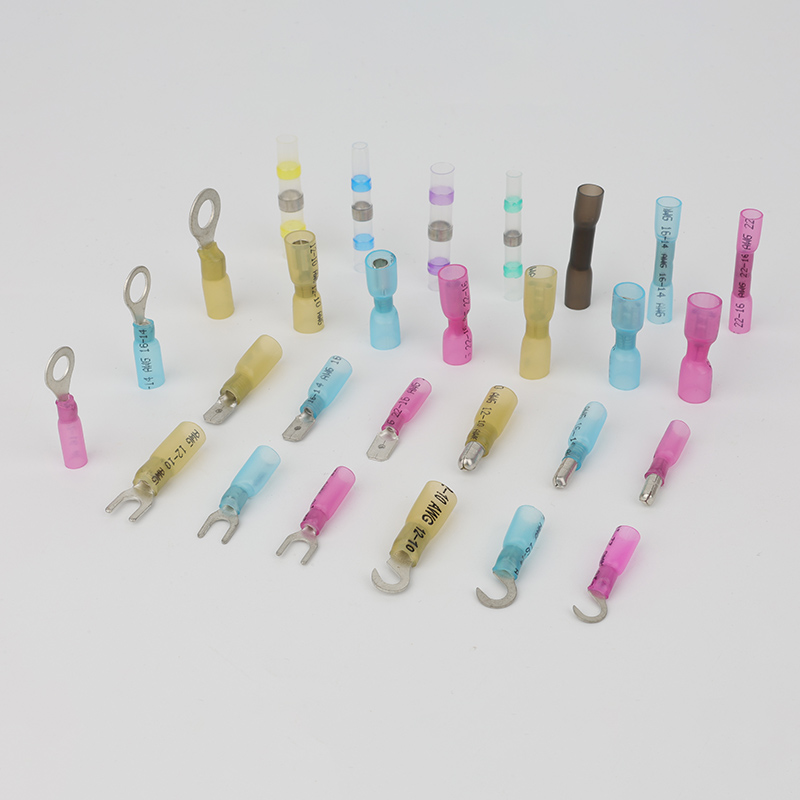

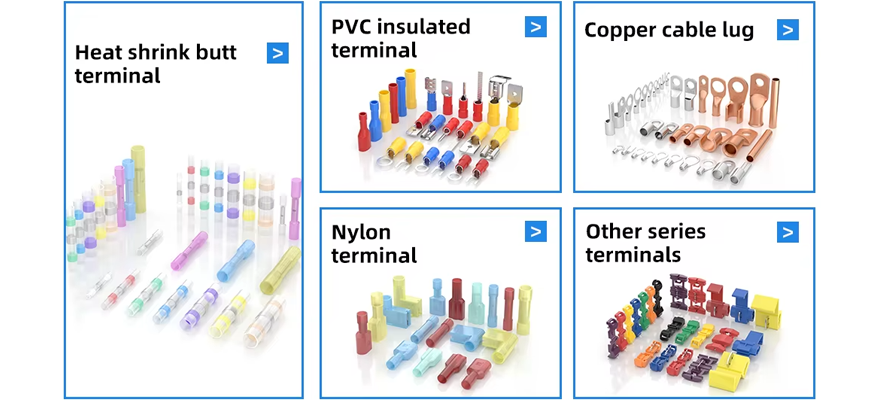
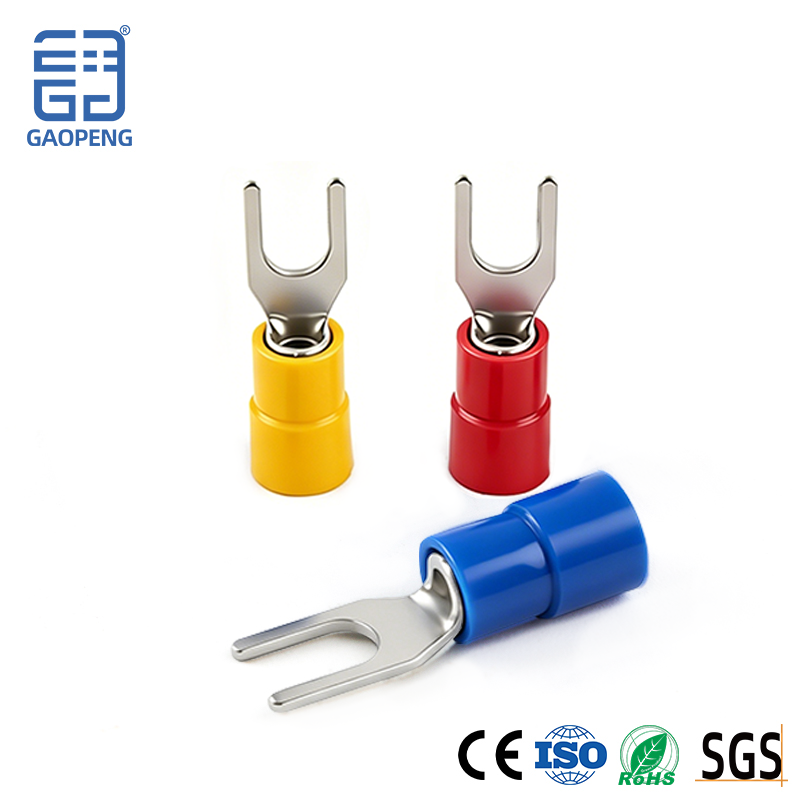
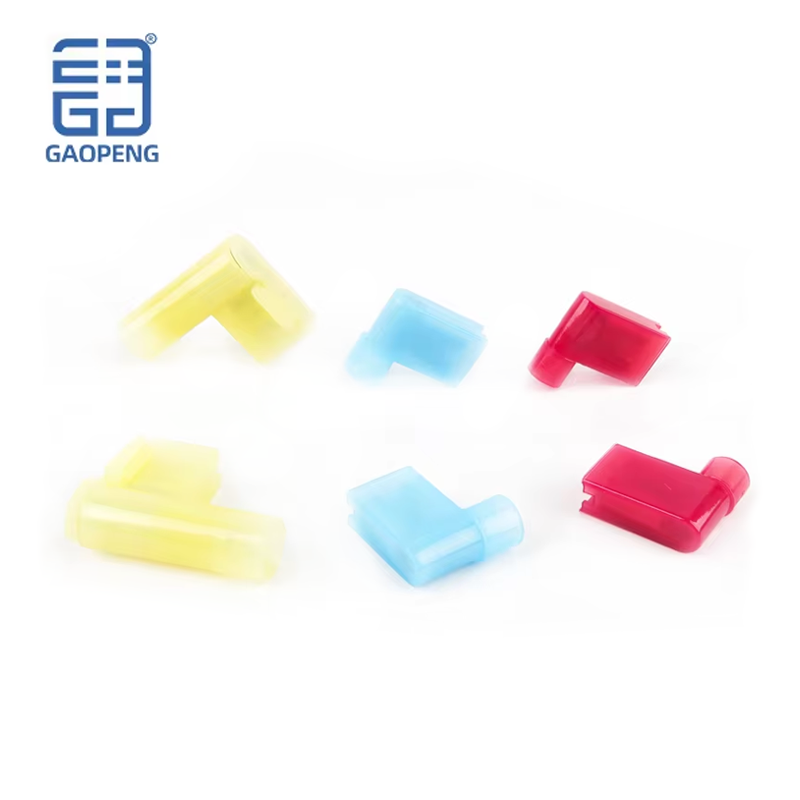
How to choose a terminal block and the uses of terminal blocks
Terminal Blocks are key components in electrical connection systems, with their core purpose being to safely, reliably, and conveniently establish and disconnect electrical connections between wires, and between wires and devices.
Core Functions and Uses
Reliable Electrical Connection: Establish a conductive path to ensure stable, low-resistance transmission of current between different wires or devices.
Secure Mechanical Fixing: Firmly secure wires using screws, springs, plugs, or other methods to prevent loosening or disconnection caused by vibration or pulling.
Convenient Operation and Maintenance: Easy Installation: No welding or special tools required; standard tools like screwdrivers can be used to quickly make connections, greatly improving work efficiency.
Easy Inspection and Modification: When replacing circuits, devices, or troubleshooting faults, terminals can be easily disconnected without cutting wires or rewelding, giving the system modularity and maintainability.
Excellent Safety Protection: Insulation Protection: Terminal bodies are usually made of insulating materials (such as nylon or PC) to effectively prevent electric shock and short circuits between conductors of different potentials.
Protection and Isolation: Multiple wires can be neatly secured on a terminal block to keep wiring organized, prevent tangled cables, and reduce accident risks.
Adaptable to Different Wire Gauges: A single terminal can connect wires of different cross-sectional areas, solving the challenge of mismatched wire sizes.
Specific Applications
1. Power Distribution and Control (Most Common)
Distribution Boxes/Cabinets: Components such as circuit breakers, contactors, and relays are connected to incoming and outgoing lines via terminal blocks (DIN rail terminals). They act as the 'wiring hub' of the entire distribution system, providing neatness, ease of labeling, and manageability.
PLC and Industrial Control Systems: Devices like PLC input/output modules, servo drives, and inverters either come with or use PCB terminals or plug-in terminals to connect sensors, actuators (motors, valves, etc.), and power supply.
Instruments and Measurement: Power meters, temperature controllers, and signal transmitters use terminals to connect signal and power wires.
2. Printed Circuit Boards (PCB)
PCB Terminals: Directly soldered onto the circuit board, they provide reliable connection points for external wires. Common locations include power inputs, signal input/output, and communication interfaces (e.g., RS485 terminals).
3. Internal Device and Module Connections
Internal Wiring: Within large equipment (such as machine tools or packaging machines), various functional modules are interconnected via terminals.
Barrier Terminals: Commonly used where field signals need to be isolated from the control system and sometimes include built-in fuses.
4. Power and Infrastructure
High-Voltage Terminals: Used for high-current connections in power transmission, transformers, and switchgear.
Building Wiring: Used in junction boxes to connect lighting circuits, socket circuits, etc.
Rail Transit and New Energy: Widely used in electric vehicle battery packs, charging stations, photovoltaic inverters, and wind power systems. These specialized terminals can withstand high voltage, high current, and harsh environments.
5. Household Appliances
Many home appliances (such as air conditioners and washing machines) also have terminals inside controllers for connecting motors, heating elements, and sensors.