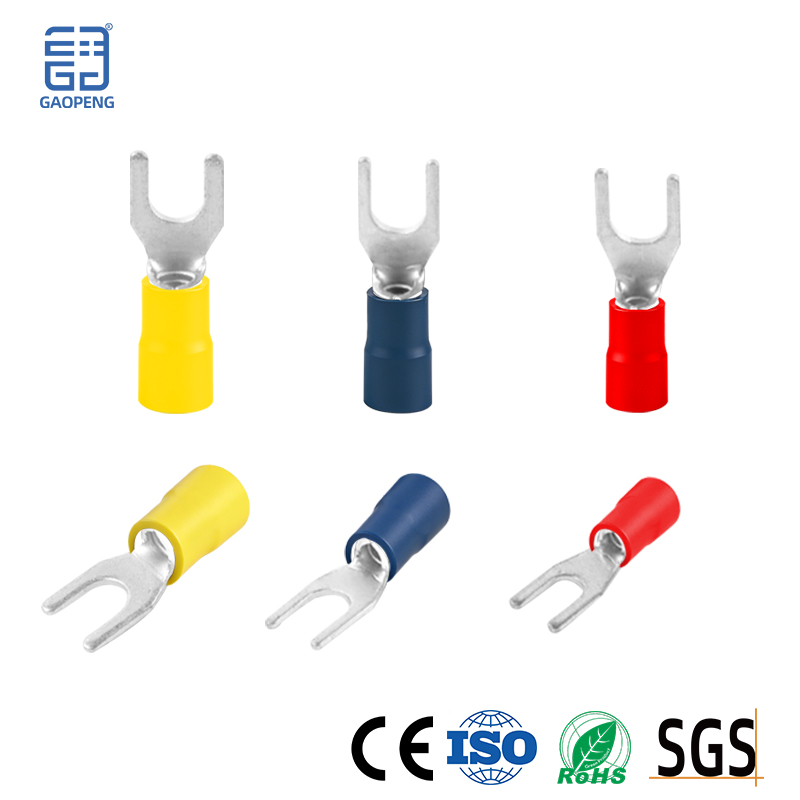
Introduction to the Function of Metal Coatings on Terminal Blocks
The functions of coatings can be mainly divided into three categories: protective functions, electrical functions, and mechanical/process functions.
1. Protective function (corrosion resistance and durability)
This is the most fundamental and important function of a coating.
- Preventing substrate oxidation and corrosion: Copper can form copper oxide or copper sulfide when exposed to humid air or sulfur-containing environments. These compounds have very poor conductivity and can form an insulating layer, leading to a sudden increase in contact resistance, which may cause heating or even circuit failure. The coating acts as a dense "barrier," isolating the substrate from the external environment.
- Enhancing environmental adaptability: For different application environments (such as high temperature and humidity, salt spray, and industrial chemical gases), selecting an appropriate coating can significantly enhance the corrosion resistance of terminals. For example, nickel or chromium plating performs exceptionally well in harsh industrial environments.
2. Electrical function (ensuring conductive performance)
- Stabilizing and reducing contact resistance: Providing a low-resistance surface: coatings such as tin and silver have good conductivity and are not prone to oxidation, offering a stable, low-resistance path for current flow.
- Breaking insulating oxide films: Many coatings (especially tin and tin alloys) are relatively soft. When terminals are crimped or screws are tightened, the coating can undergo microscopic deformation and flow, puncturing the wire or the oxide film on the mating terminal surface, enabling direct metal-to-metal contact (i.e., "metallic contact"), which greatly reduces contact resistance.
- Maintaining long-term electrical stability: High-quality coatings can preserve their surface condition over time, preventing resistance creep caused by corrosion and ensuring stable electrical connections throughout the product's lifecycle.
Mechanical and Processing Functions
Improve Weldability: For terminals that require welding (such as PCB terminals), plating is crucial. Tin and tin-lead alloy plating have excellent solderability, ensuring that solder joints are fast, strong, and reliable. The solderability of pure copper deteriorates severely after surface oxidation, and plating provides a long-lasting solderable surface.
Enhance Wear Resistance: Terminals often undergo operations such as plugging and unplugging or screw tightening during use. Hard coatings like nickel or chrome plating can effectively increase surface hardness, reduce wear from repeated insertion, and extend service life. They also prevent the exposure of corrosive underlying materials due to wear.
Reduce Contact Surface Friction: Certain platings (such as tin) have self-lubricating properties, making screw tightening smoother, torque more stable, and reducing frictional wear between metals.