



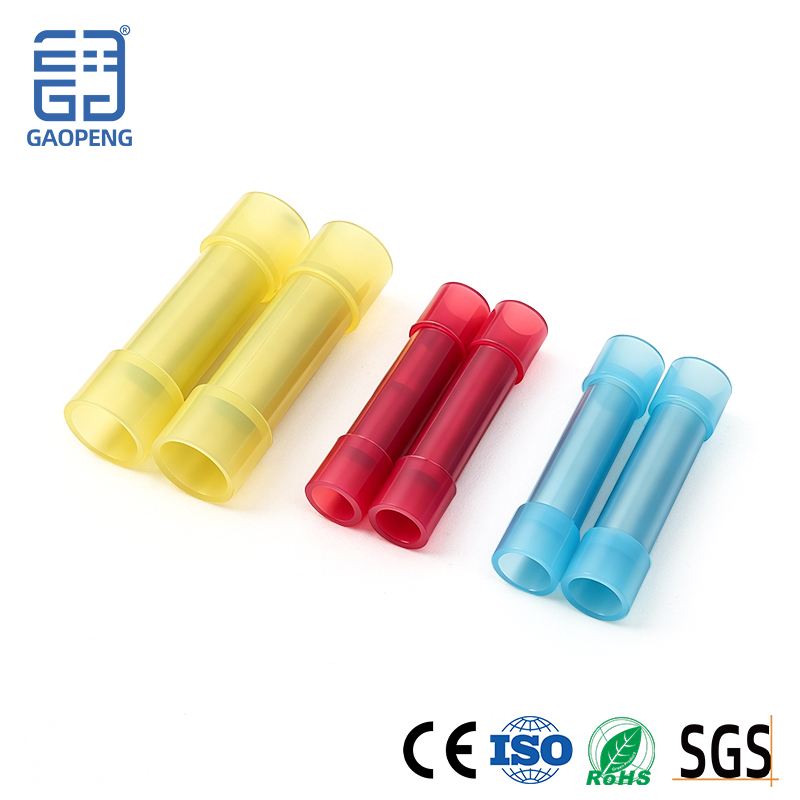
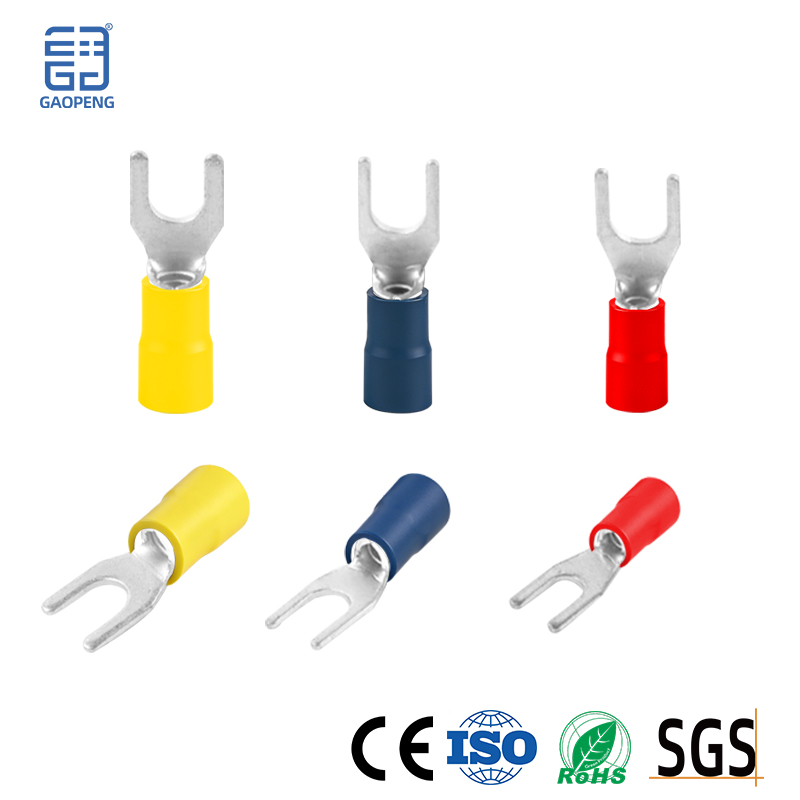
National standard for low-voltage cold-pressed terminals
JB/T 2436.1-2020 Copper Crimp Terminals for Conductors Part 1: Copper Crimp Terminals for Conductors of 0.5mm² to 6.0mm² Suitable for bare crimp terminals and pre-insulated terminals for small cross-section conductors. Pre-insulated terminals are used for circuits with a rated voltage of 660V and below.
JB/T 2436.2-2020 Copper Crimp Terminals for Conductors Part 2: Copper Crimp Terminals for Conductors of 10mm² to 300mm² Suitable for copper bare crimp terminals for large cross-section conductors, commonly used in electrical control, distribution, and other electrical complete equipment.
GB/T 17196-2017 Connecting Devices Flat Quick Connect Terminals for Connecting Copper Conductors—Safety Requirements Specifies the safety requirements for flat quick connect terminals for connecting copper conductors, which are an important basis for product safety performance.
GB/T 4025-2010 (Identification Standard) Specifies the identification methods of electrical equipment terminals, including marking using colors, graphical symbols, or alphanumeric systems.
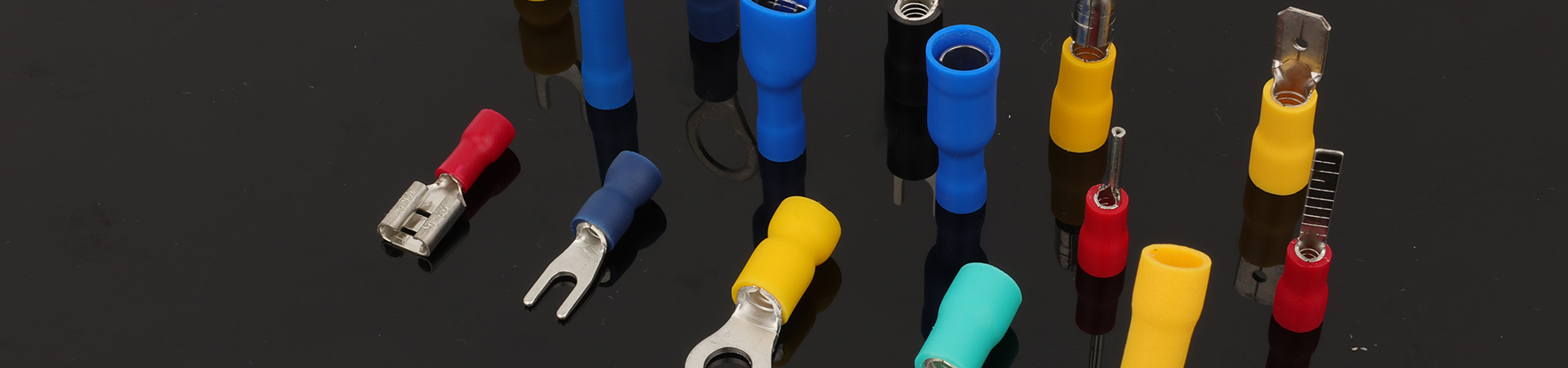
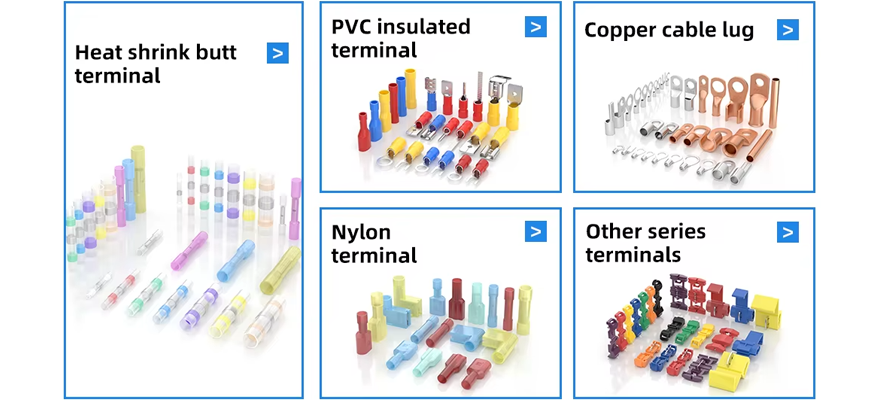
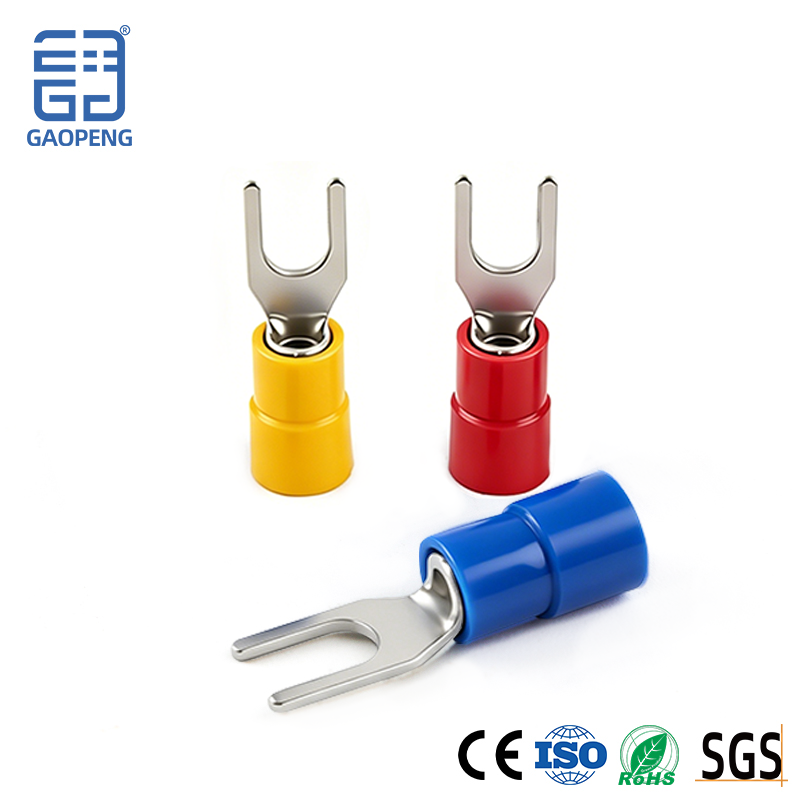
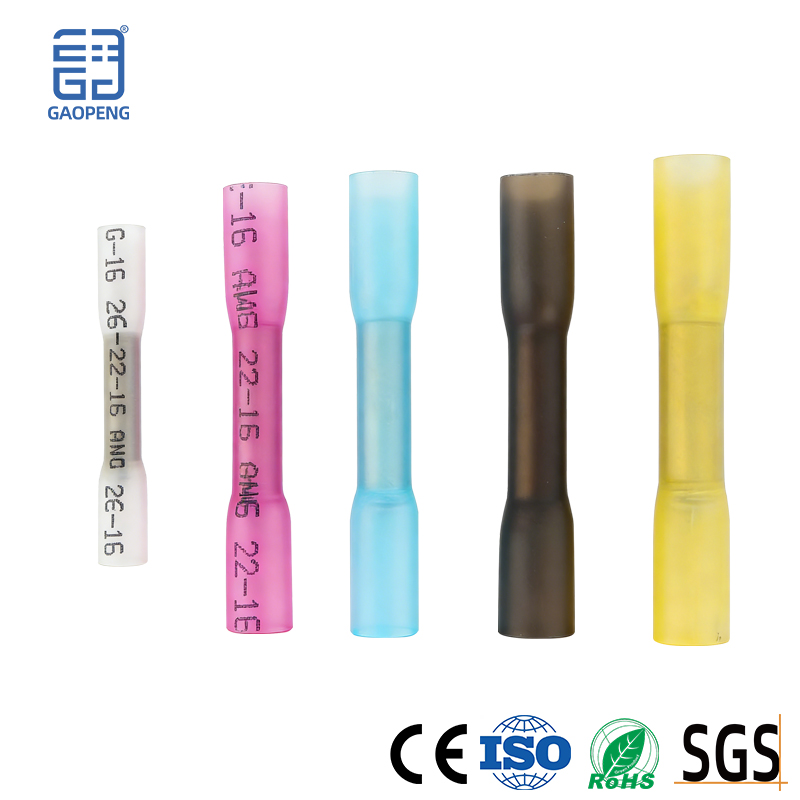
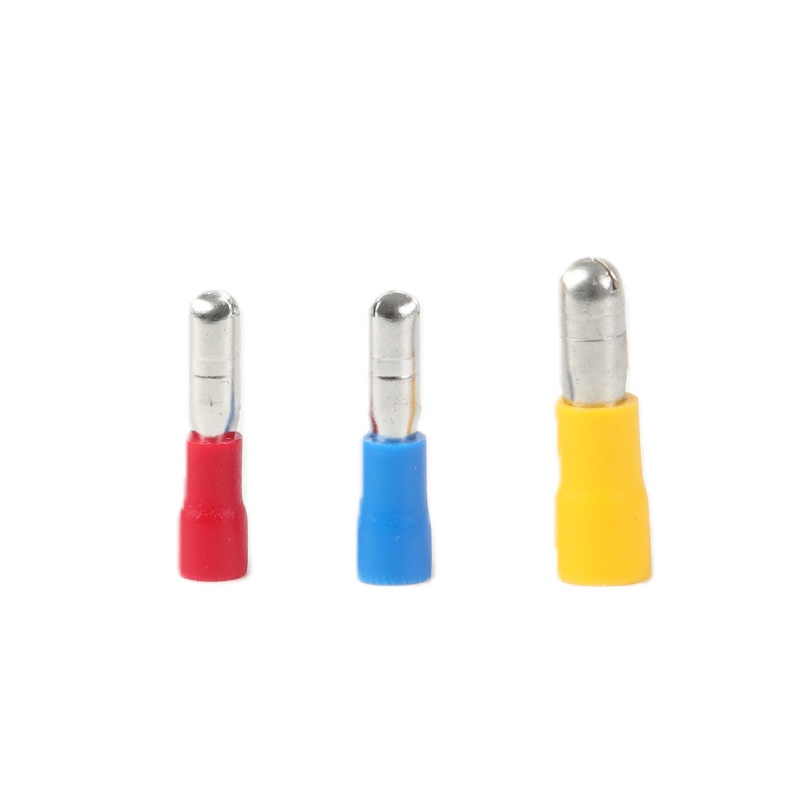
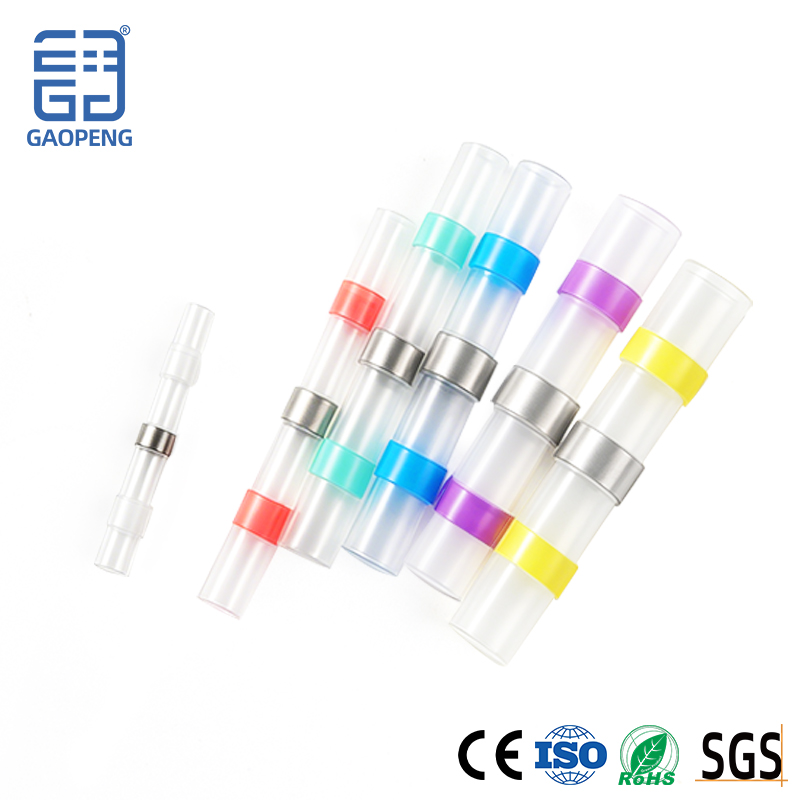
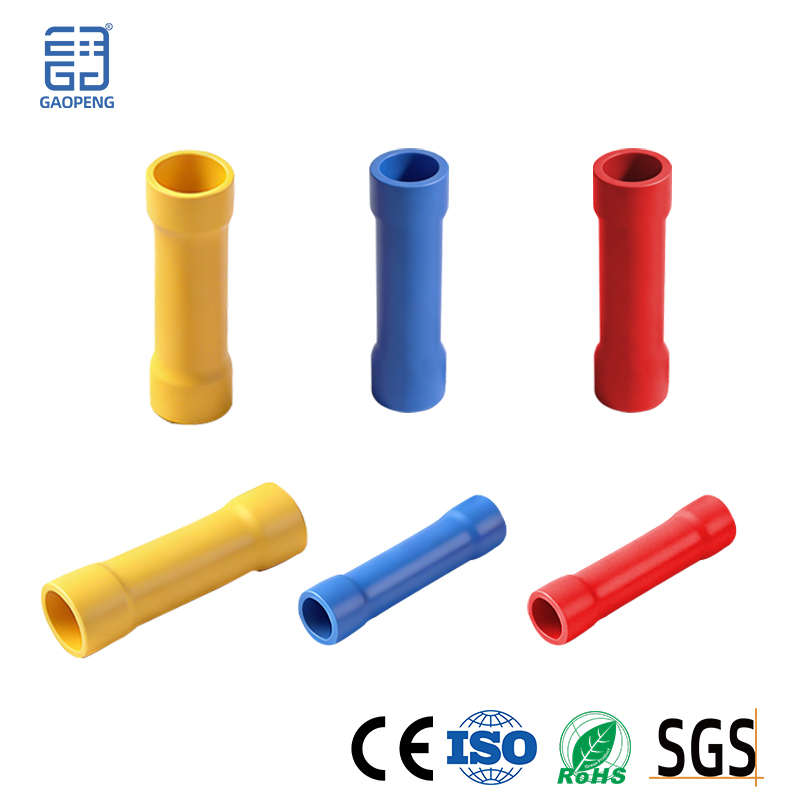
Cold-pressed terminals, also known as crimp terminals, are components that can achieve electrical connections without soldering. Their working principle is very simple and reliable: the wire, stripped of its insulation, is inserted into the metal tube of the terminal, and pressure is applied using a specialized crimping tool, causing the metal tube to undergo plastic deformation and tightly wrap around the wire, forming a secure connection with excellent conductivity.
The reason why cold-pressed terminals can become the "main force" in electrical connections is mainly due to the following points:
Quick and efficient installation: Compared with welding, the crimping process is extremely fast, taking only a few seconds to complete a high-quality connection point, making it very suitable for large-scale wiring operations.
Reliable and stable connection: High-quality crimping can form an airtight connection, effectively preventing wire oxidation, and providing strong vibration and pull-out resistance, ensuring long-term stable operation.
Convenient and flexible maintenance: Crimped connections can be easily disassembled, which facilitates equipment maintenance and wire replacement, an advantage that welding cannot match.
Wide applicability: Whether it is a control wire as thin as a hair or a power cable as thick as a finger, there are corresponding specifications of cold-pressed terminals available.