



National Standards for Open-Barrel Terminals and Low-Voltage Cold-Pressed Terminals: A Comprehensive Guide
Part 1: Understanding the Terminology – What Are We Regulating?
Before examining specific standards, it is important to clarify the terminology:
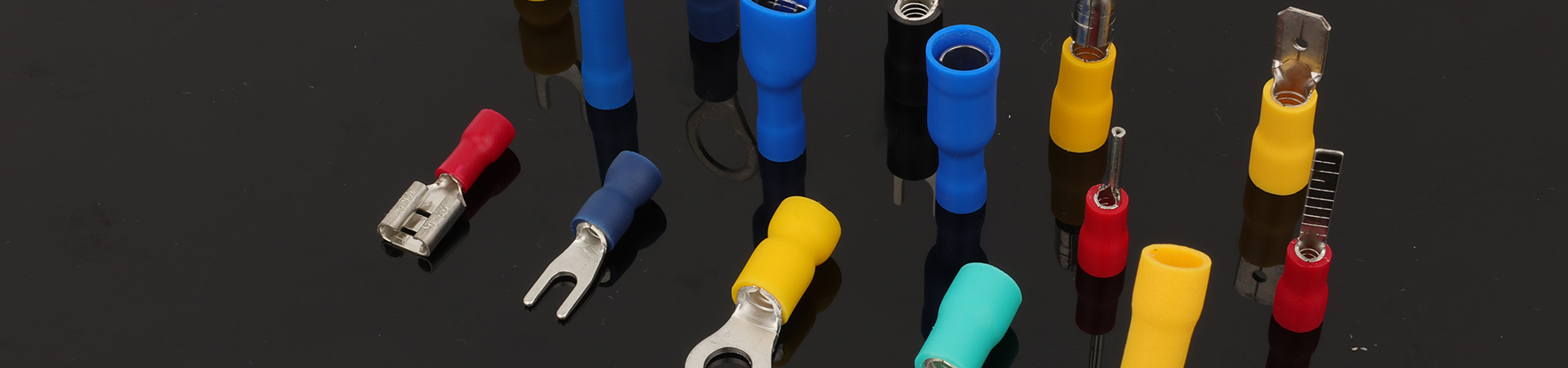
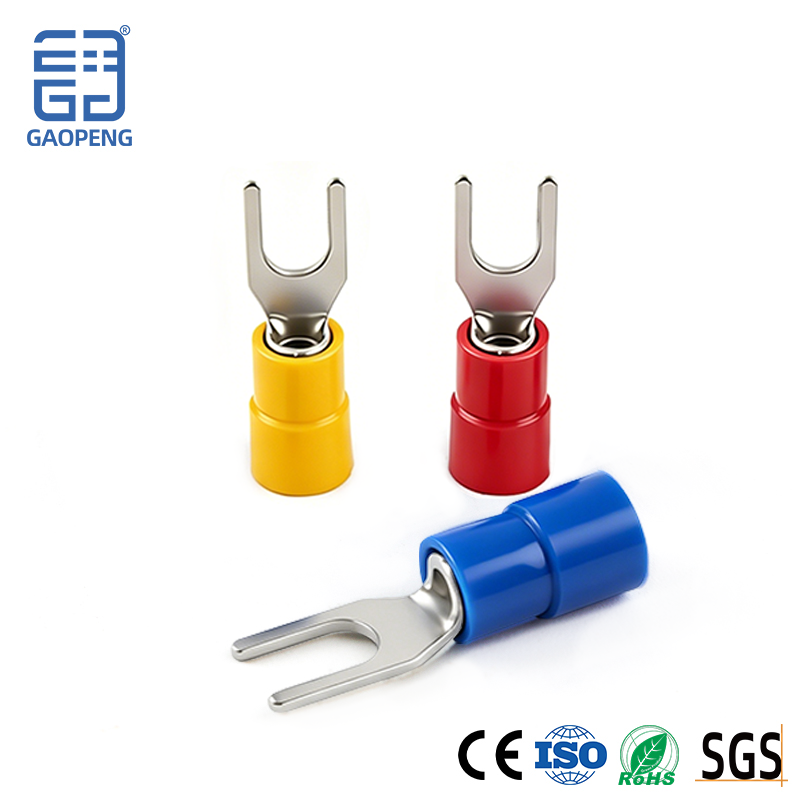
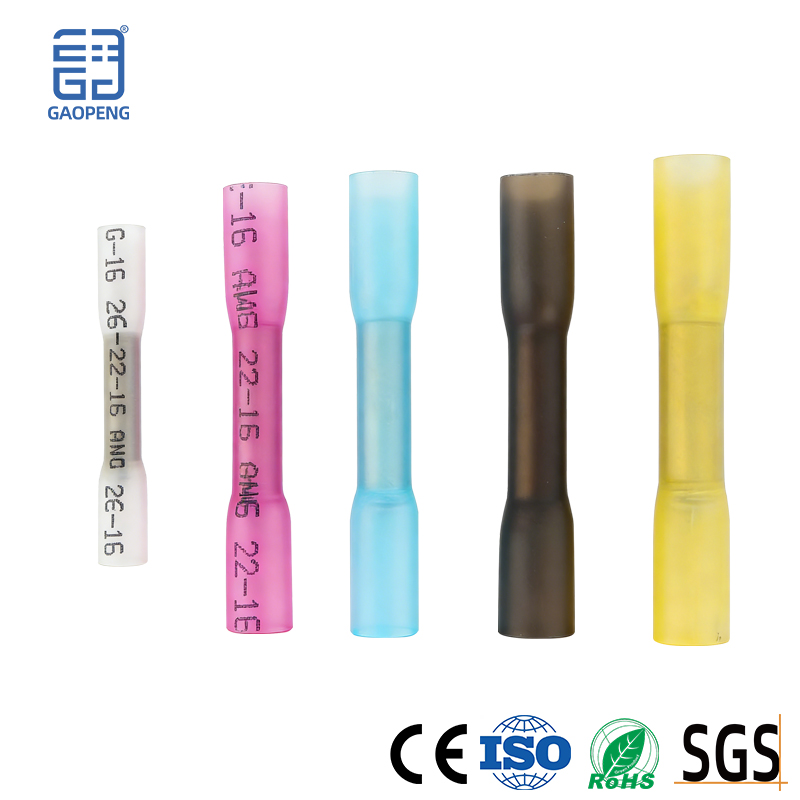
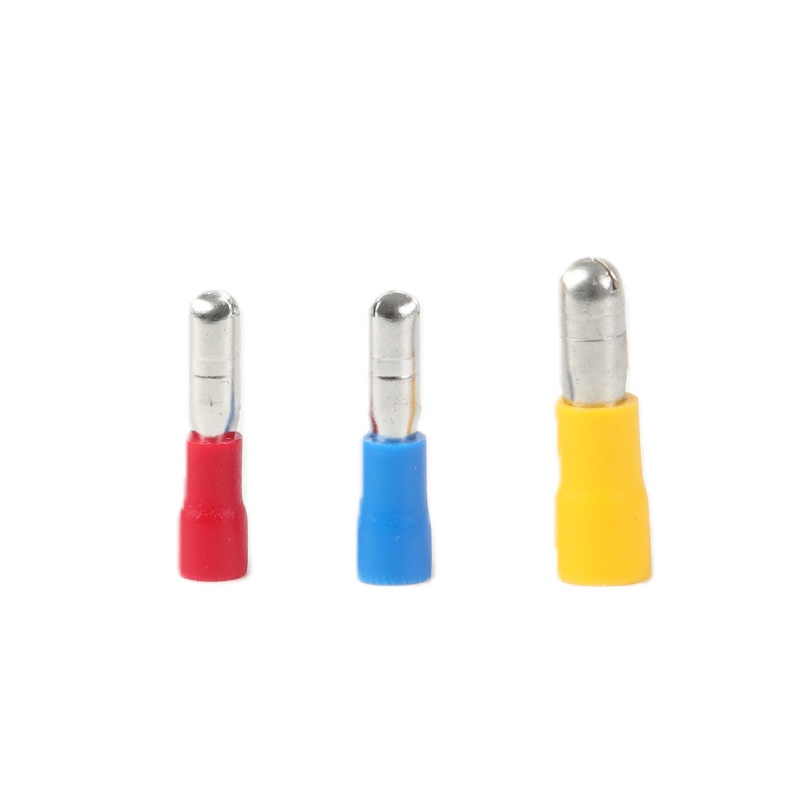
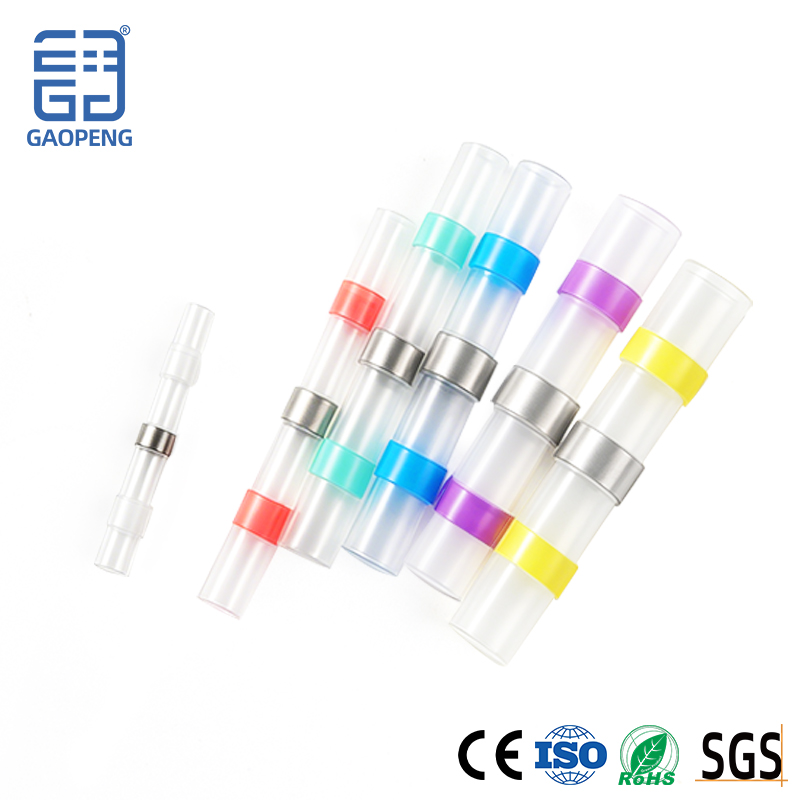
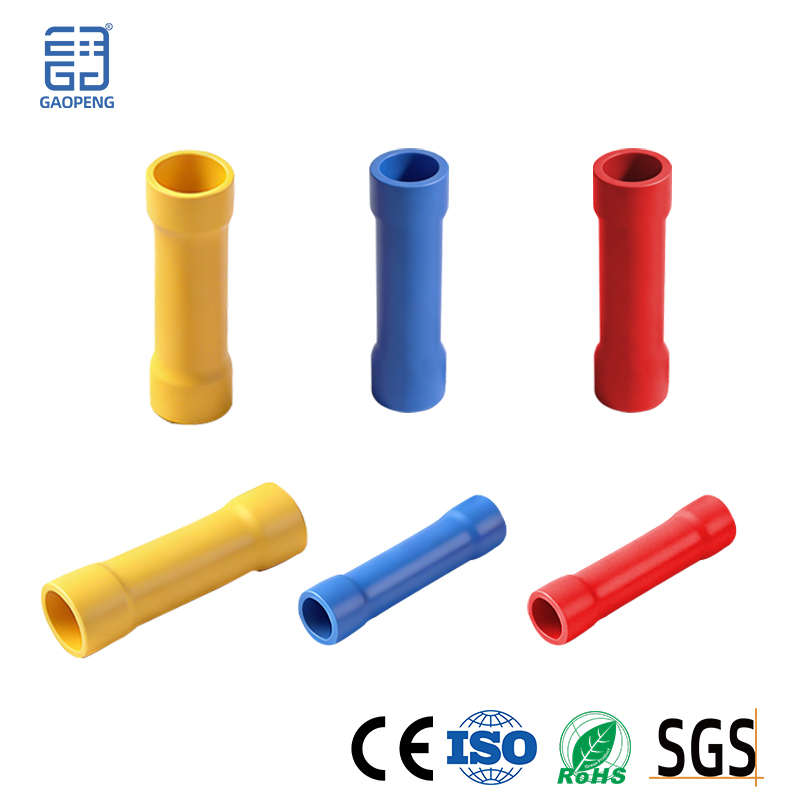
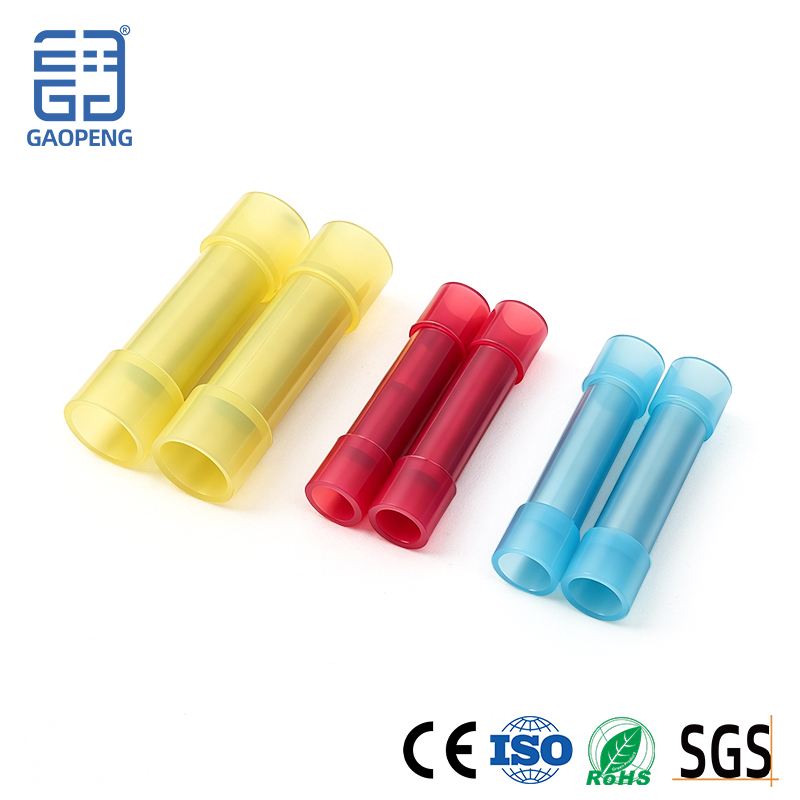
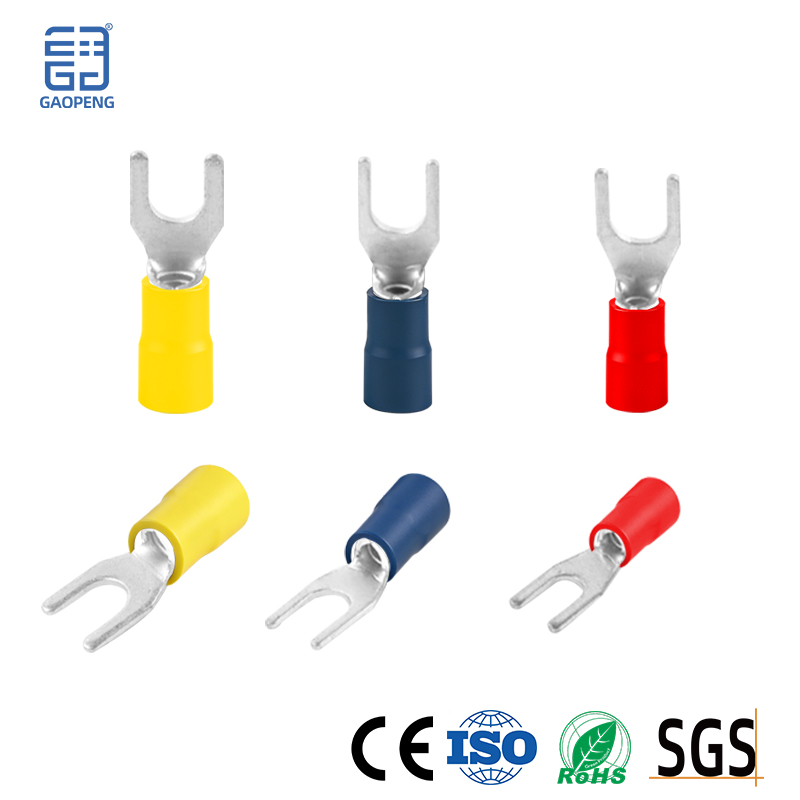
Open-Barrel Terminals (开式鼻端): These are crimp terminals characterized by a barrel that is not fully closed, typically formed from sheet metal with a seam. They are widely used in general wiring applications, control panels, and appliances. Common examples include Ring Terminals, spade terminals, and butt connectors.
Low-Voltage Cold-Pressed Terminals (低压冷压端子): This broader category encompasses all terminals designed for low-voltage applications (typically up to 1,000V AC or 1,500V DC) that are attached to conductors through cold pressing (crimping) rather than soldering. This includes both insulated and uninsulated types, as well as heavy-duty Cable lugs.
Key National Standards Framework:
Part 2: The Primary Standard for Terminal Blocks – GB/T 14048.7-2016
Overview and Scope
GB/T 14048.7-2016, "Low-voltage switchgear and controlgear – Part 7-1: Ancillary equipment – Terminal blocks for copper conductors," is the fundamental standard governing terminal blocks used in industrial and similar applications . This standard, which became effective on September 1, 2016, replaces the earlier GB/T 14048.7-2006 version.
Key Provisions
1. Voltage and Current Ratings:
-
Applies to circuits with rated voltages AC not exceeding 1,000V (frequency up to 1,000 Hz) or DC not exceeding 1,500V
-
Covers conductors with cross-sectional areas from 0.2 mm² up to 300 mm² (AWG 24 to 600 kcmil)
2. Connection Types:
-
Addresses both threaded (screw-type) and non-threaded (spring-clamp, push-in) terminal blocks
-
Applies to terminals accepting round copper conductors, whether specially prepared (e.g., with ferrules) or unprepared
3. Performance Requirements:
-
Temperature Rise: Terminal blocks must be tested to ensure temperature rise does not exceed prescribed limits under rated current conditions
-
Dielectric Properties: Must withstand specified dielectric voltage tests based on rated insulation voltage
-
Short-Time Withstand Current: Terminals must withstand a 1-second rated short-time withstand current, equivalent to 120A per mm² of conductor cross-section
-
Voltage Drop: The voltage drop generated when a conductor is inserted must not exceed specified values
-
Aging Test (for non-threaded types): Spring-clamp and similar terminals must withstand 200 temperature cycles without performance degradation
International Alignment
GB/T 14048.7-2016 is a modified adoption of IEC 60947-7-1:2009, ensuring alignment with international practice while accommodating specific Chinese requirements .
Part 3: The Primary Standard for Cable Lugs – GB/T 14315-2008
Overview and Scope
GB/T 14315-2008, "Compression type terminal lugs and ferrules with copper or aluminum for power cables conductors," is the essential standard for heavy-duty cable terminals used in power applications . This standard, effective from October 1, 2009, replaces the 1993 version.
Key Provisions
1. Voltage and Application Scope:
-
Applies to terminals for power cables rated up to 35kV (Um=40.5kV)
-
Covers copper, aluminum, and copper-aluminum transition terminals
-
Includes both terminals and connecting tubes (ferrules)
2. Conductor Size Range:
-
Expanded in the 2008 revision to cover conductors up to 630 mm²
-
Includes corresponding dimensional requirements for each size
3. Product Types:
-
DT (Copper Terminals): For copper conductors
-
DL (Aluminum Terminals): For aluminum conductors
-
DTL (Copper-Aluminum Transition Terminals): For connecting aluminum conductors to copper equipment
-
"Sealed Oil" (堵油式) types: Specialized terminals designed to prevent oil leakage in oil-filled equipment
4. Material Requirements:
-
Copper shall be not less than No. 3 copper (T3) according to GB/T 5231
-
Copper materials must comply with relevant sections of GB/T 4423-2007 for rod stock
-
Aluminum materials must meet corresponding standards
5. Surface Treatment:
-
Terminals must be annealed before surface treatment, with hardness after annealing HB ≤ 62
-
Tin plating is required, with the coating being uniform in color, consistent, and free from peeling
-
Internal and external surfaces must be smooth and clean, free from burrs, cracks, sharp edges, or folds
-
Terminal plates must be flat
6. Dimensional Specifications:
-
The standard provides detailed dimensional tables for each terminal type and size
-
Critical dimensions include:
-
Hole diameter (for bolt connection)
-
Barrel inner diameter (for conductor insertion)
-
Barrel length
-
Overall length
-
Terminal plate width and thickness
-
Part 4: Additional Relevant Standards
GB/T 2317-2008 – Steel Compression Terminals
This standard applies to steel terminals for applications up to 1000V and 320A. It specifies:
-
Types and dimensions
-
Crimping tools and requirements
-
Installation methods
-
Test procedures for mechanical, electrical, and corrosion performance
GB/T 26317-2010 – Aluminum Alloy Compression Terminals
For aluminum alloy terminals up to 1000V and 630A, this standard provides:
-
Dimensional specifications
-
Material requirements specific to aluminum alloys
-
Crimping tool requirements
JB/T 10045-1999 – Insulated Cable Joints
This industry standard covers insulated compression cable joints for voltages up to 35kV and currents up to 1000A, addressing:
Part 5: Material Specifications and Quality Indicators
Copper Material Requirements
According to applicable standards and industry practice, quality terminals must:
-
Use High-Purity Copper: At minimum No. 3 copper (T3) per GB/T 5231, with higher grades (T2, TU2) preferred for critical applications
-
Meet Hardness Specifications: Properly annealed copper with hardness HB ≤ 62 ensures adequate ductility for crimping without cracking
-
Have Adequate Plating: Tin plating must be:
Dimensional Tolerances
Quality terminals must maintain precise dimensional tolerances to ensure:
-
Proper fit with specified wire gauges
-
Compatibility with standard crimping tools
-
Correct mating with equipment terminals
-
Consistent performance across production batches
Surface Finish Requirements
Standards mandate that terminals be:
-
Free from burrs, sharp edges, and protrusions
-
Smooth inside and out to prevent conductor damage
Part 6: Performance Testing Requirements
Type Tests Required by Standards
Routine Tests
For production quality assurance, manufacturers typically perform:
-
Visual inspection (100%)
-
Dimensional sampling
-
Pull-out force sampling
-
Plating thickness verification
Part 7: Implications for Manufacturers and Users
For Manufacturers
Compliance with national standards is not optional—it is essential for:
-
Market Access: Many projects and tenders require certified products
-
Legal Compliance: Meeting mandatory safety requirements
-
Customer Confidence: Demonstrating commitment to quality
-
Export Capability: Alignment with international standards facilitates global trade
Quality manufacturers like Gaopeng Electric:
-
Maintain certification to relevant GB/T standards
-
Implement rigorous quality control systems
-
Provide documentation of compliance upon request
-
Continuously monitor standard revisions and updates
Note: GB/T 14315-2008 is currently under revision, with a draft standard (20252227-T-604) in preparation as of 2025 . Manufacturers must stay informed of upcoming changes.
For Users and Specifiers
Understanding applicable standards empowers you to:
-
Specify Correctly: Ensure procurement specifications reference appropriate standards
-
Verify Compliance: Request certification documentation from suppliers
-
Ensure Safety: Use products that meet established safety requirements
-
Avoid Counterfeits: Recognize that non-compliant products often lack proper certification
Key Questions to Ask Suppliers:
-
Which GB/T standards do your products comply with?
-
Can you provide test reports or certification documentation?
-
Are your products traceable to raw material certifications?
-
Do you maintain routine quality testing?
Part 8: Common Misconceptions and Clarifications
Misconception 1: "All terminals are the same, so standards don't matter."
Reality: Terminals that appear identical may have vastly different material quality, plating thickness, dimensional accuracy, and performance characteristics. Standards define minimum requirements for safety and reliability.
Misconception 2: "International standards are sufficient; national standards are optional."
Reality: For products sold or used in China, compliance with GB/T standards is often mandatory. Many projects explicitly require GB/T compliance.
Misconception 3: "Certification is just paperwork."
Reality: Proper certification requires actual product testing and ongoing quality control. It provides independent verification of performance claims.
Misconception 4: "Older standards are still acceptable."
Reality: Standards evolve to reflect improved technology and safety requirements. Using outdated standards may mean missing important updates (e.g., GB/T 14315-2008 expanded size range and added new product types compared to 1993 version) .
Part 9: Gaopeng Electric's Commitment to Standards Compliance
At Yueqing Gaopeng Electric Co., Ltd. , we understand that compliance with national standards is the foundation of product quality and customer trust. Our commitment includes:
Design and Engineering
-
All products designed to meet or exceed applicable GB/T standards
-
Regular review of standard updates and revisions
-
Engineering team with deep knowledge of standard requirements
Material Selection
-
Rigorous incoming material inspection
-
Use of certified copper meeting or exceeding T3 requirements
-
Verified plating thickness and quality
Manufacturing Quality
-
ISO 9001 quality management system
-
In-process quality checks
-
Final inspection against standard requirements
-
Dimensional verification using calibrated equipment
Testing and Certification
-
Regular product testing to verify compliance
-
Maintenance of certification documentation
-
Availability of test reports upon request
Continuous Improvement
-
Monitoring of standard revision processes (e.g., upcoming revision of GB/T 14315)
-
Preparation for new requirements
-
Investment in updated testing capabilities
Conclusion: Standards as the Foundation of Reliability
National standards for open-barrel terminals and low-voltage cold-pressed terminals—principally GB/T 14048.7-2016 for terminal blocks and GB/T 14315-2008 for power cable lugs—establish the essential requirements for safety, performance, and reliability. These standards, aligned with international norms through IEC adoption, provide:
-
Clear specifications for materials and dimensions
-
Defined performance requirements and test methods
-
Assurance of product quality and consistency
-
A common language for manufacturers and users
For manufacturers, compliance is a non-negotiable responsibility. For users, understanding these standards enables informed procurement decisions and confidence in system reliability.
At Yueqing Gaopeng Electric Co., Ltd. , we build our products to meet these rigorous standards, ensuring that every terminal we deliver performs as intended—safely, reliably, and for the long term. We invite our customers to inquire about our certification documentation, test reports, and quality systems.
Build with Confidence. Specify with Knowledge. Trust Gaopeng for Standards-Compliant Quality.
For detailed information on specific standards, certification documentation, or product specifications, please contact our technical sales team. We are here to support your requirements with expertise and quality products.