



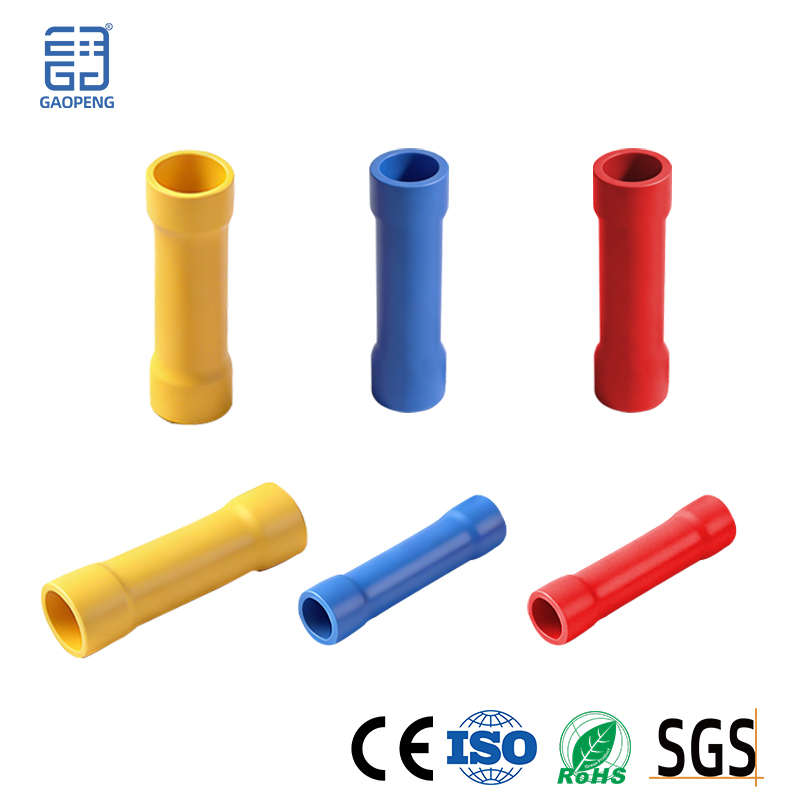


Terminal Blocks: The 'Precision Joints' of Industrial Connectivity, Revealing How Small Components Support the Safety of Modern Electrical Systems
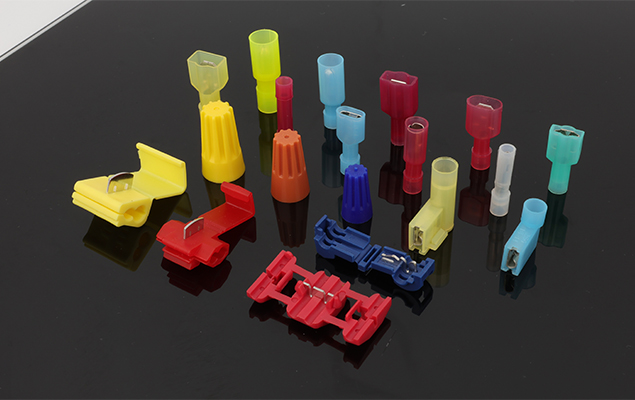
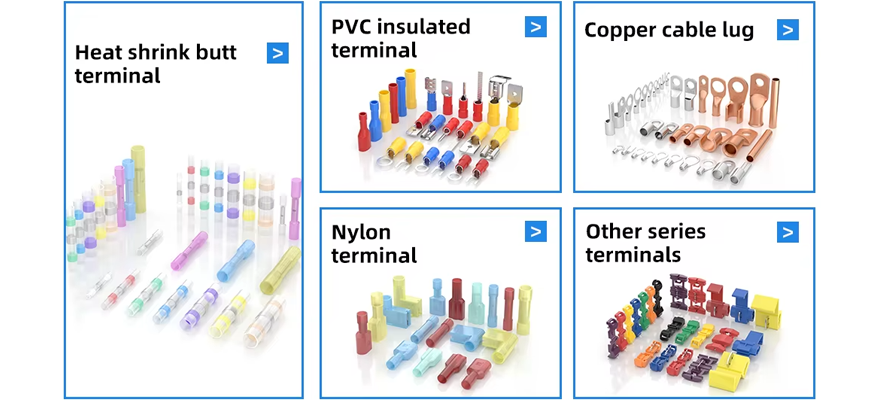
In the field of electrical connections, a seemingly inconspicuous yet crucial component—the Terminal Block—is quietly supporting a vast network from power generation to smart homes with its precision and reliability. It is not only the “checkpoint” for smooth transmission of current and signals but also the core ensuring the safety, stability, and maintainability of the entire system. By mechanically securing one or more wires to a device or another wire, it enables electrical conduction and ensures that it does not fail over long-term operation due to vibration, heat, or corrosion. Its applications are nearly all-encompassing: industrial control and automation, power and energy, transportation equipment, building electrical systems, communication devices, household appliances, and more.
Conductive materials typically include high-conductivity brass, phosphor bronze, and pure copper, with some high-current or special-environment applications using copper alloys or aluminum. Plating is critical and common options include tin plating (anti-corrosion, good solderability), nickel plating (high corrosion resistance and wear resistance), and silver plating (extremely high conductivity, used for high-frequency or precision instruments). The mainstream material for insulating housings is polyamide (PA66, commonly known as nylon), which offers excellent flame retardancy (such as UL94 V-0), mechanical strength, and electrical insulation. Other materials include polycarbonate (PC) and thermoplastic polyester (PBT) to meet different requirements for temperature resistance, chemical resistance, and flame retardancy.
Its core features are high reliability, safety, convenience, space efficiency, miniaturization and high density, intelligent integration, as well as specialization and customization.
Terminal blocks are key components in electrical connection systems, and their importance far exceeds their simple physical appearance. They are not only the 'traffic hubs' for current and signals but also the cornerstone for ensuring the safe, reliable, and efficient operation of the entire electrical system. Their impact spans design, installation, maintenance, and even the entire lifecycle of the system. Although small, terminal blocks are the fundamental components that achieve 'great results from small parts.'