The Unsung Hero: Why Terminals Demand Engineering Attention
A terminal’s primary function is to create a secure, low-resistance, and mechanically stable interface between a conductor (wire) and a connection point. The quality of this interface determines the system's overall health. A poor connection increases electrical resistance, generating heat—the primary cause of insulation degradation, energy waste, and ultimately, electrical fires. In contrast, a well-designed and properly installed terminal ensures optimal current flow, minimizes energy loss, and provides long-term stability against environmental stressors like vibration, thermal cycling, and corrosion.
In today’s landscape of automation and smart technology, the demand on terminals has intensified. They must facilitate not only power transmission but also the flawless relay of data signals in sensitive control circuits. The reliability of a cloud-connected sensor or a robotic arm hinges on the integrity of these physical connection points. Consequently, specifying the right terminal is no longer a minor procurement decision but a core electrical engineering responsibility.
A Taxonomy of Function: Core Terminal Types and Their Domains
Understanding the application is key to selecting the correct terminal. They can be broadly categorized by their connection mechanism and purpose:
1. Screw-Clamp Terminals
-
Principle: A screw mechanism presses a metal plate or clamp directly onto the inserted conductor.
-
Characteristics: Known for robust clamping force and high current-carrying capacity. Ideal for solid core wires or pre-fitted stranded wires with ferrules.
-
Best For: Main power distribution, motor control centers (MCCs), and applications where wiring may be infrequently modified.
2. Spring-Cage (Spring-Loaded) Terminals
-
Principle: A precision-engineered spring exerts constant pressure on the conductor, activated by a lever or insertion tool.
-
Characteristics: Enable tool-free or minimal-tool wiring, offering exceptional vibration resistance and maintaining gas-tight connections. Perfect for fine-stranded wires.
-
Best For: Control panels with dense I/O wiring, building automation, lighting systems, and environments subject to vibration.
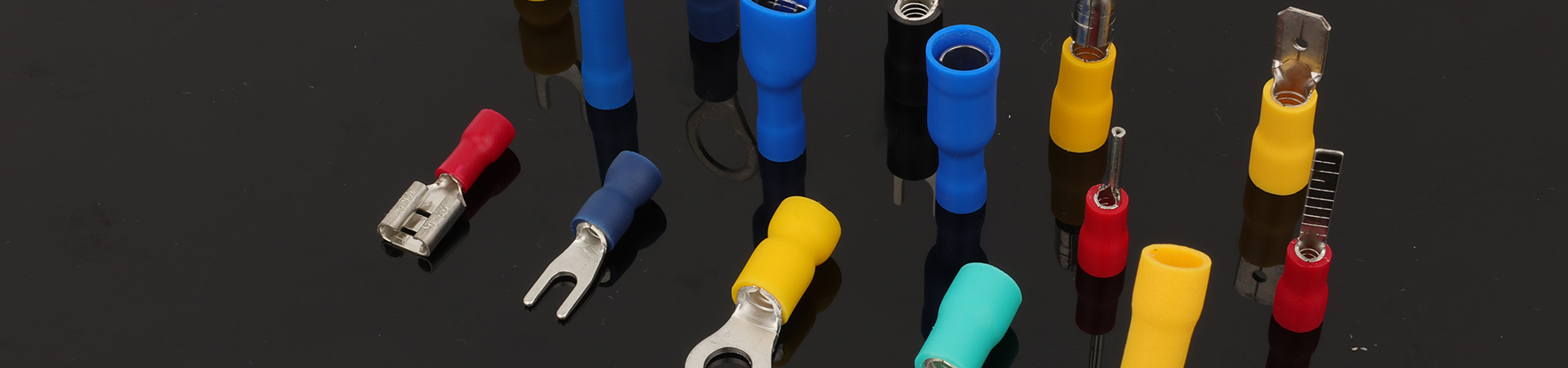
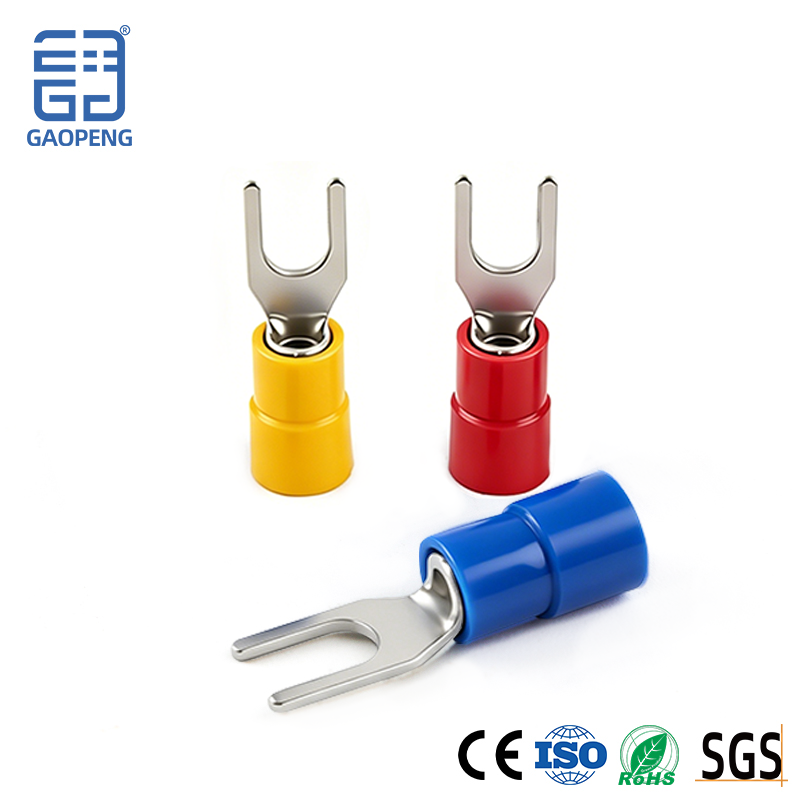
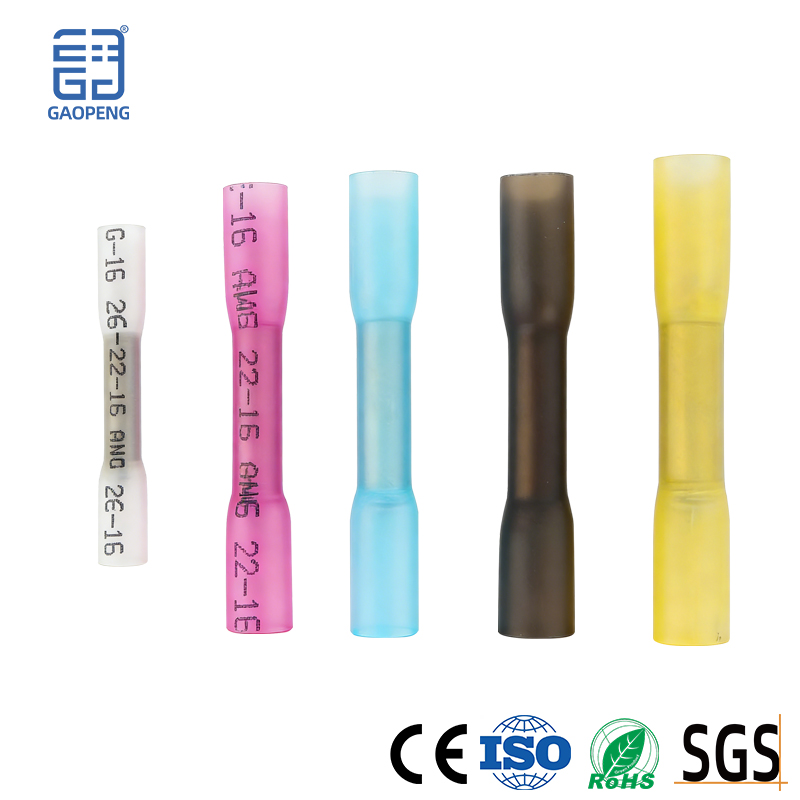
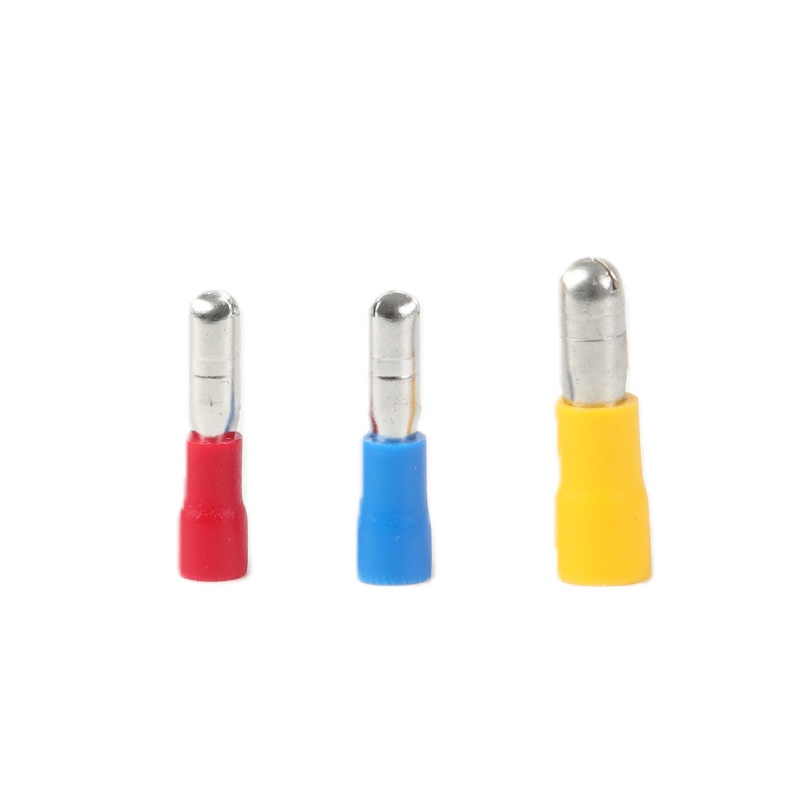
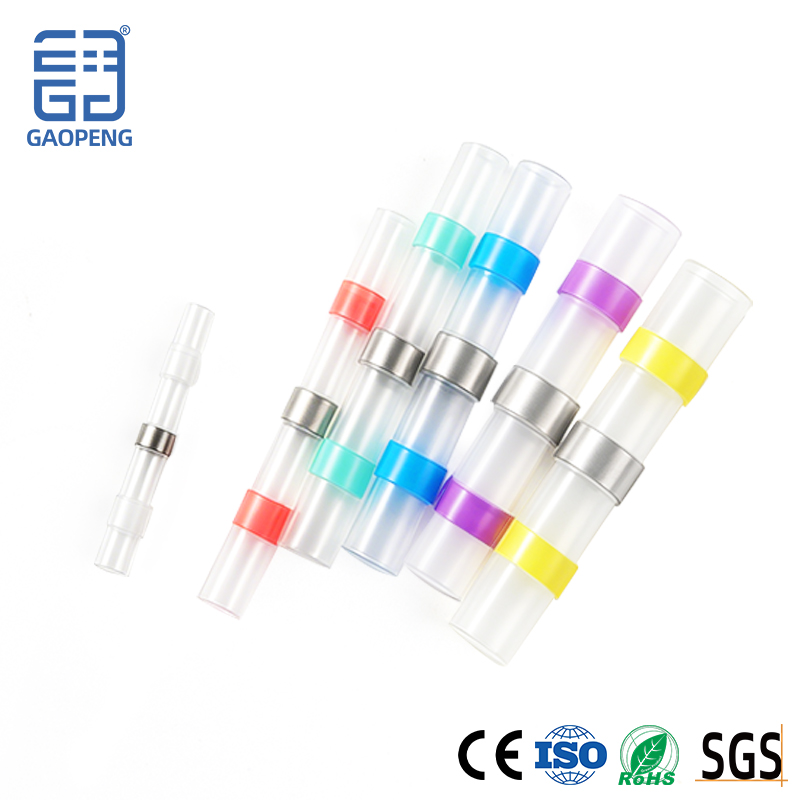
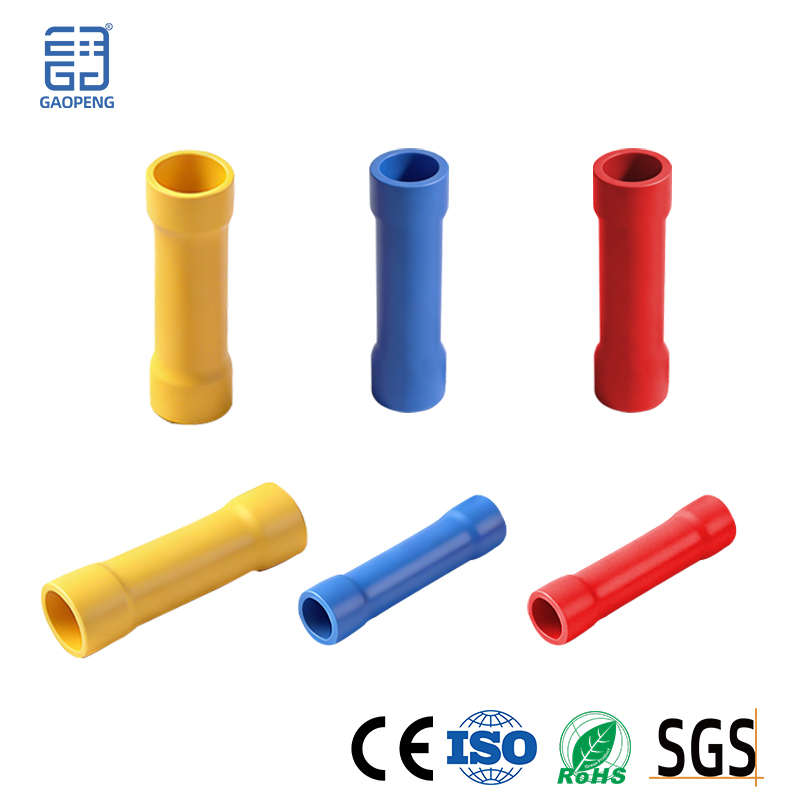
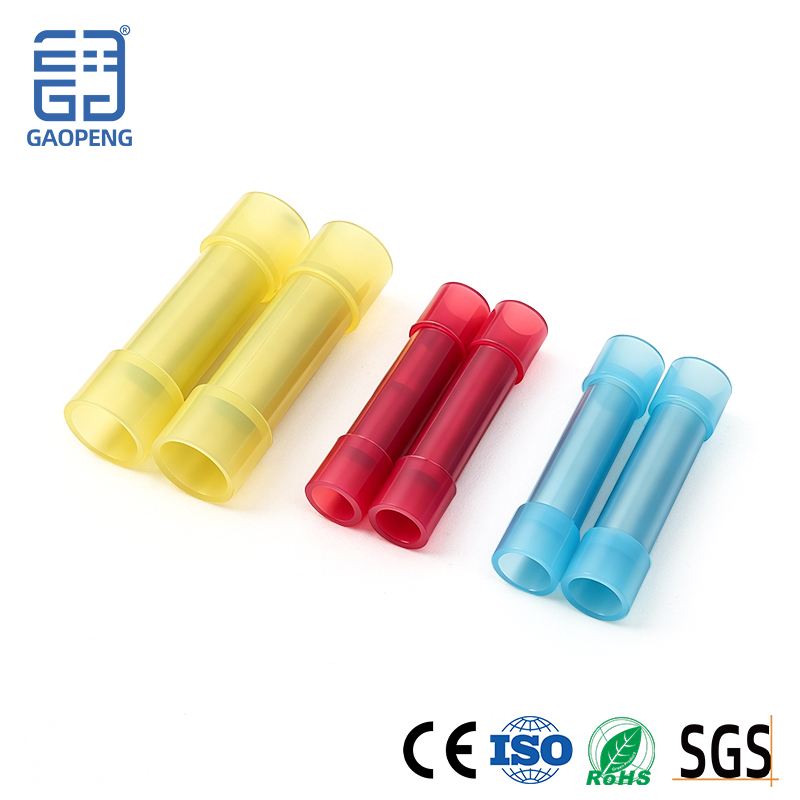
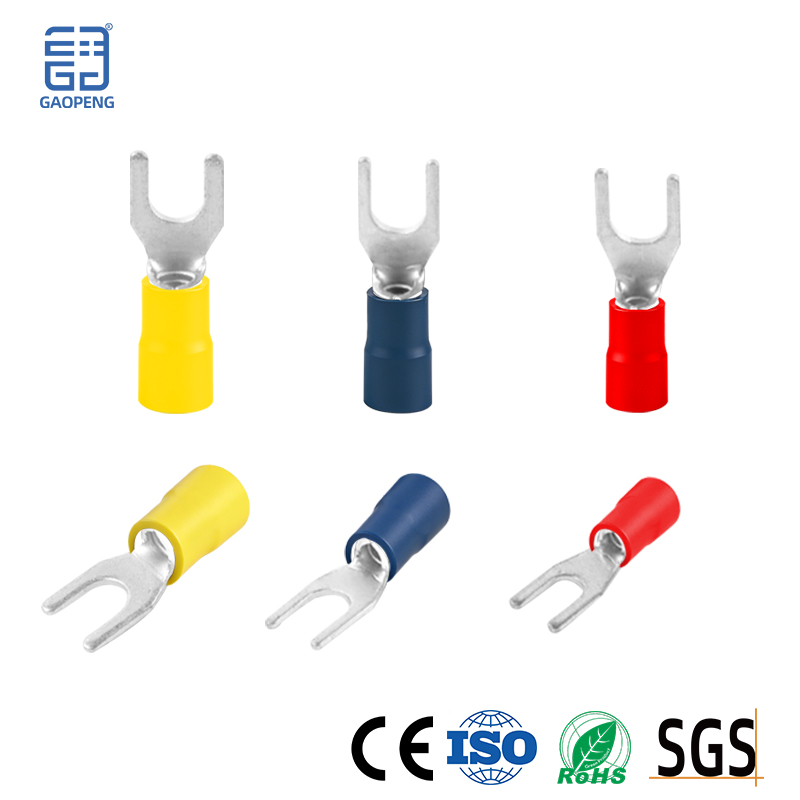
3. Insulated Crimp Terminals (Ring, Spade, Fork, Pin)
-
Principle: Permanently attached to a wire via a crimping tool, creating a "cold weld." The insulated sleeve provides protection and strain relief.
-
Characteristics: Offer a highly reliable, permanent connection. The shaped end (ring, spade, etc.) is designed for secure attachment under screw heads or into plug connectors.
-
Best For: Automotive wiring harnesses, appliance internal wiring, equipment sub-assemblies, and any application requiring a secure, semi-permanent termination.
4. PCB Terminals
-
Principle: Mounted directly onto printed circuit boards to provide a secure interface between the board and external wires.
-
Characteristics: Available in through-hole or surface-mount designs, with screw-clamp, spring-cage, or push-in wire connection styles.
-
Best For: Power supplies, industrial controllers, telecommunications equipment, and any electronic device requiring external wiring connections.
5. Barrier Strips (or Terminal Blocks)
-
Principle: Feature multiple individual connection points housed within a robust insulating body with physical barriers between poles.
-
Characteristics: Prioritize safety and isolation, preventing accidental contact between adjacent circuits. Excellent for managing multiple power or control wires in an organized fashion.
-
Best For: Power entry points, HVAC systems, and industrial control panels where clear separation of circuits is critical.
The Science of Materials and Construction
The performance of a terminal is dictated by its material science. At Gaopeng, we engineer our terminals from the ground up:
-
Conductive Elements: High-purity, electrolytic copper alloys are standard for superior conductivity. Plating is critical: tin plating offers excellent corrosion resistance and solderability for general use, while silver or nickel plating is specified for high-temperature or high-current environments.
-
Insulation and Housing: Materials like Polyamide (PA66) and Polycarbonate (PC) are selected for their flame-retardant properties (achieving UL94 V-0 ratings), high comparative tracking index (CTI), and resistance to heat, chemicals, and impact. This ensures long-term dielectric strength and user safety.
-
Clamping Components: The quality of the screw, spring, or clamp mechanism is paramount. It must maintain calibrated force over thousands of cycles and across a wide temperature range without relaxing or fatiguing.
Certification and Compliance: The Global Language of Safety
For global trade and application, terminals must speak the language of international standards. Compliance is non-negotiable. Key certifications include:
-
UL (USA) / cUL (Canada): Verifies safety standards for North American markets.
-
IEC (International): The benchmark for global technical performance, with specific standards like IEC 60947 for terminal blocks.
-
VDE / TÜV (Germany & EU): Stringent marks indicating compliance with European safety and quality norms.
-
RoHS & REACH: Environmental directives restricting hazardous substances, now a baseline requirement.
These certifications are not just stickers; they are the result of rigorous testing for electrical, mechanical, thermal, and flammability performance. They provide engineers and specifiers with the confidence that the component will perform as expected under defined conditions.
The Gaopeng Advantage: Engineering Confidence into Every Connection
At Yueqing Gaopeng Electric Co., Ltd., our philosophy is that reliability is engineered, not assumed. We approach terminal manufacturing as a precision discipline:
-
Full-System Compatibility: We design our terminals to integrate seamlessly into global standards like DIN rail mounting systems, ensuring easy installation and compatibility with other components.
-
Application-Specific Solutions: Beyond our standard catalog, we have the expertise to develop customized solutions for unique challenges in voltage, current, spacing, or environmental resistance.
-
Supply Chain Integrity: We maintain strict control over our material sourcing and production processes, ensuring consistent quality and reliable delivery for our partners worldwide.
Looking Forward: Terminals in the Era of Electrification and IoT
The future of terminals is being shaped by megatrends. The rise of electric vehicles (EVs) demands terminals capable of handling higher voltages and currents with absolute safety. The expansion of renewable energy requires components that can withstand harsh outdoor environments for 25+ years. The growth of the Industrial Internet of Things (IIoT) necessitates terminals that ensure flawless signal integrity for sensitive data collection.
In all these frontiers, the terminal remains a critical, active enabler—a component whose importance grows with the complexity and ambition of the systems it serves.
Conclusion: The Foundation of Trust in Every Circuit
Choosing the right terminal is the first and most critical step in building a reliable electrical system. It is a decision that impacts safety, efficiency, maintenance costs, and system longevity. In a world increasingly dependent on flawless electrical performance, there is no room for compromise at the connection point.
At Gaopeng, we are committed to being your trusted partner in this essential endeavor. We provide more than components; we deliver engineered solutions for connectivity, backed by expertise, quality, and a deep understanding of the challenges faced by industries worldwide.
Build with Certainty. Connect with Gaopeng.
Explore our comprehensive portfolio of engineered terminal solutions and discover how we can help you build more reliable, efficient, and safe electrical systems. Contact our technical team today for support.