



The Supplier Selection Guide: How to Evaluate and Choose a Reliable Terminal Partner
Part 1: Why Supplier Selection Matters More Than You Think
The terminal market includes everything from world-class manufacturers with decades of engineering expertise to small workshops producing substandard components. The consequences of choosing the wrong supplier extend far beyond the purchase price:
| Consequence | Impact |
|---|---|
| Field failures | Costly downtime, safety hazards, reputation damage |
| Inconsistent quality | Rework, scrap, production delays |
| Certification issues | Failed end-product certifications, market access barriers |
| Supply disruptions | Production stoppages, expedited shipping costs |
| Poor support | Extended troubleshooting, unresolved quality problems |
Investing time in supplier evaluation upfront prevents these problems downstream.
Part 2: Evaluation Dimension 1 – Quality Management Systems
A supplier’s quality management system is the foundation of consistent product quality. Look for:
ISO 9001 Certification
ISO 9001 is the international standard for quality management systems. Certification indicates that the supplier has:
-
Documented processes for design, production, and inspection
-
Internal audit programs
-
Corrective action systems for non-conformances
-
Continuous improvement mechanisms
What to verify: Request a copy of the supplier’s ISO 9001 certificate. Check the scope (does it cover terminal manufacturing?) and the certifying body’s accreditation.
Incoming Material Control
How does the supplier ensure raw materials meet specifications? Questions to ask:
-
Do you test incoming copper, plastic, and plating chemicals?
-
Can you provide material certificates from your suppliers?
-
What is your procedure for rejecting non-conforming materials?
In-Process Inspection
Quality cannot be inspected in at the end—it must be built in. Ask about:
-
Automated vision systems for dimensional checking
-
Process monitoring (stamping force, plating thickness, molding parameters)
-
Sampling plans and acceptance criteria
Final Testing
What tests are performed on finished products? Look for:
-
Electrical tests (contact resistance, dielectric strength)
-
Mechanical tests (pull-out force, insertion/withdrawal force)
-
Environmental tests (salt spray, thermal cycling) – at least on a periodic basis
Traceability
For critical applications, traceability is essential. Verify:
-
Can you trace finished products to raw material lots?
-
Do you maintain records of production parameters and test results?
-
How long are records retained?
Part 3: Evaluation Dimension 2 – Technical Capability and Product Range
A supplier’s technical capability determines whether they can meet your current and future needs.
Product Portfolio Breadth
Does the supplier offer the types of terminals you need?
-
Screw-clamp, spring-cage, push-in Terminal Blocks
-
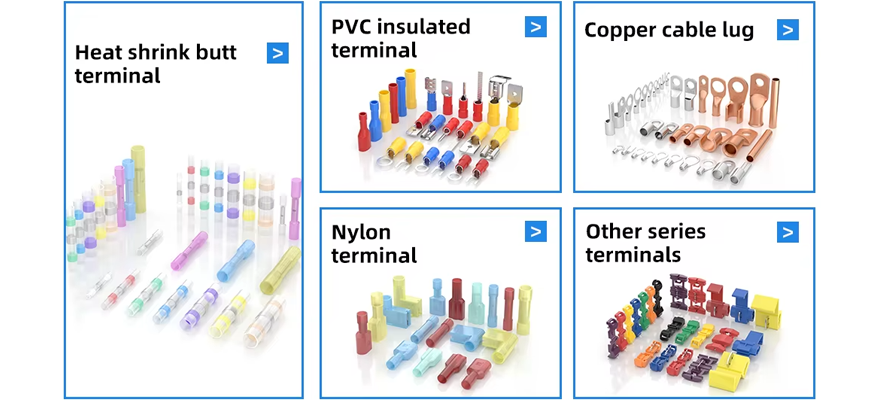
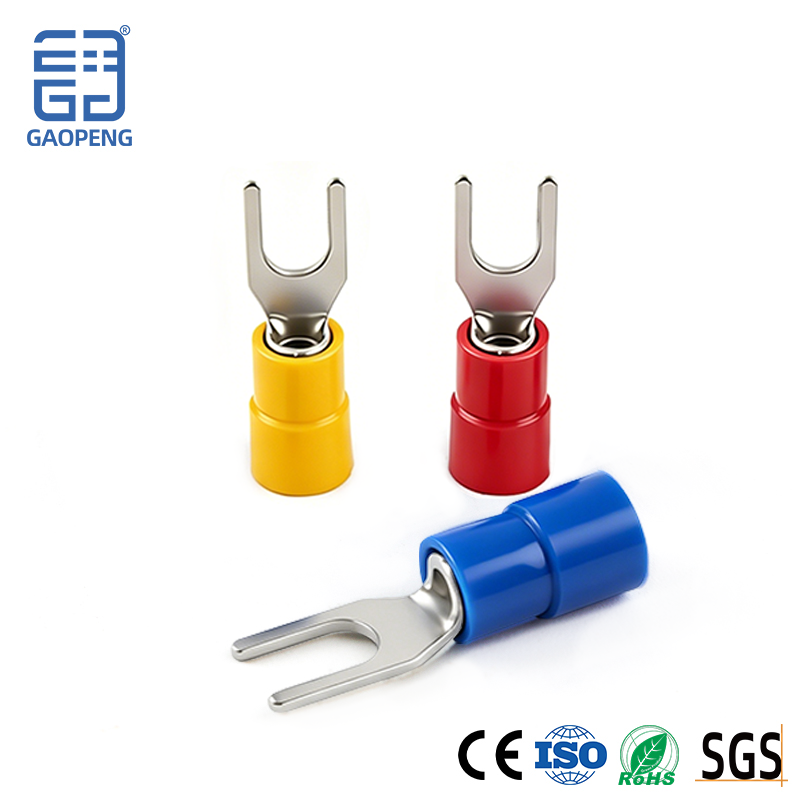
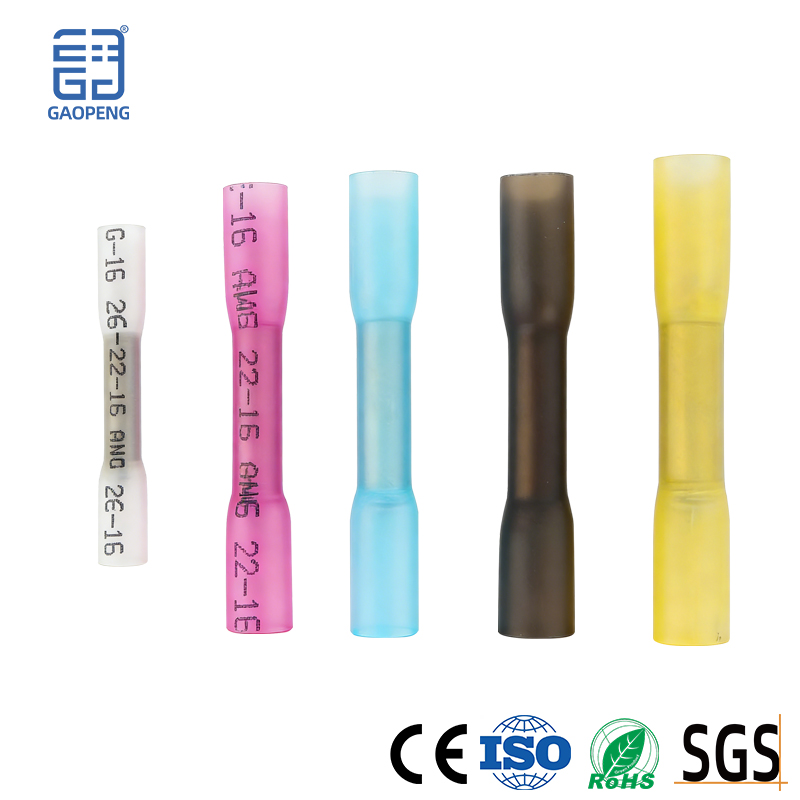
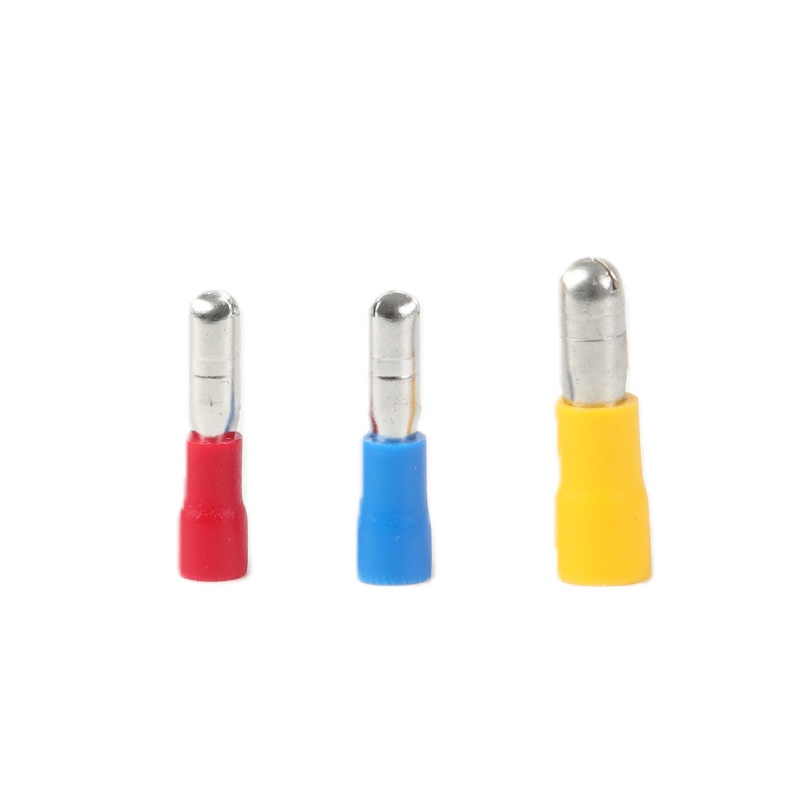
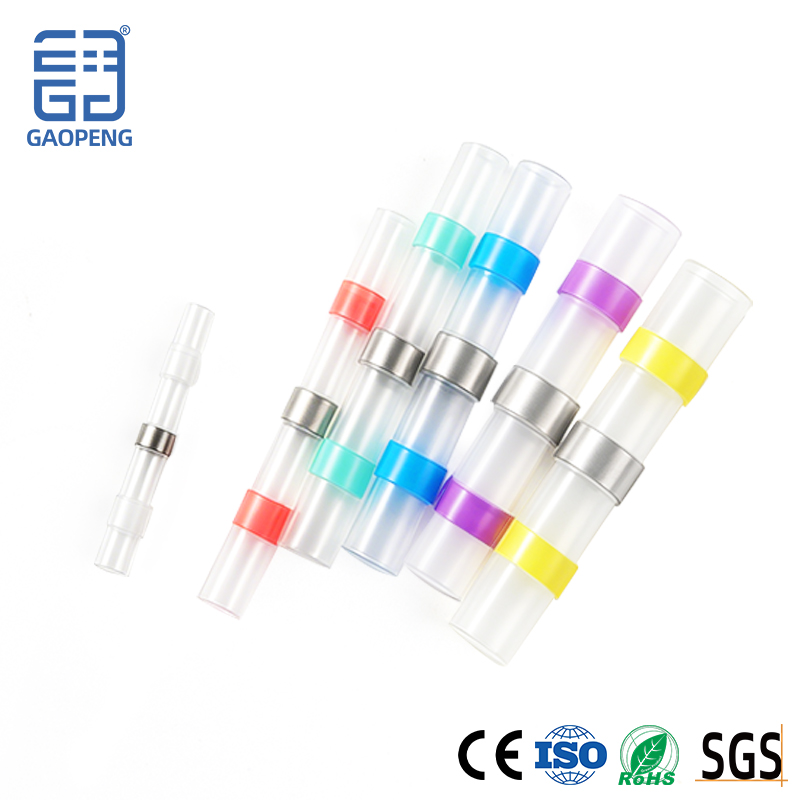
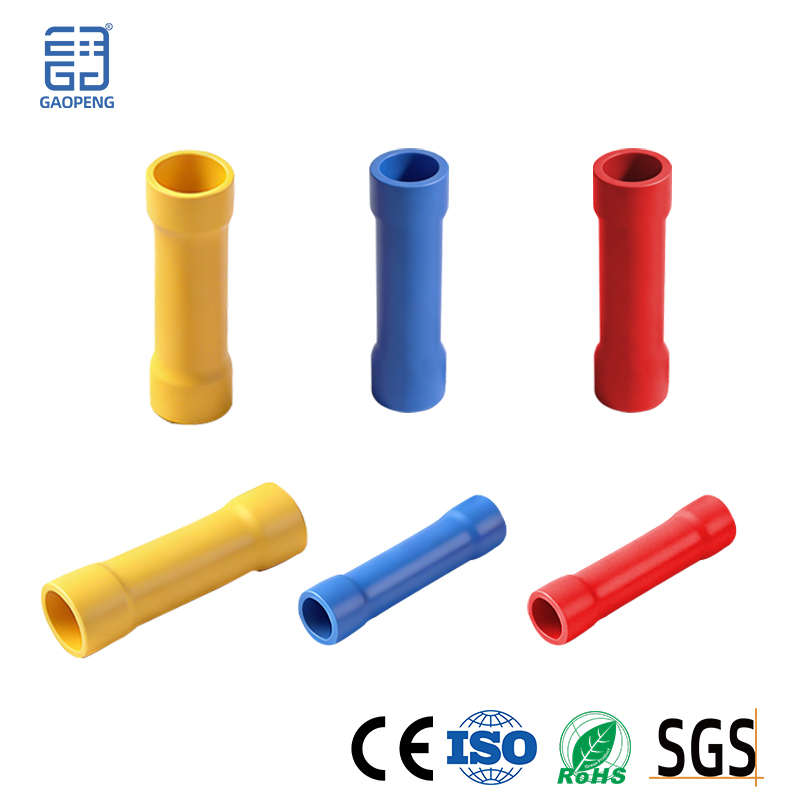
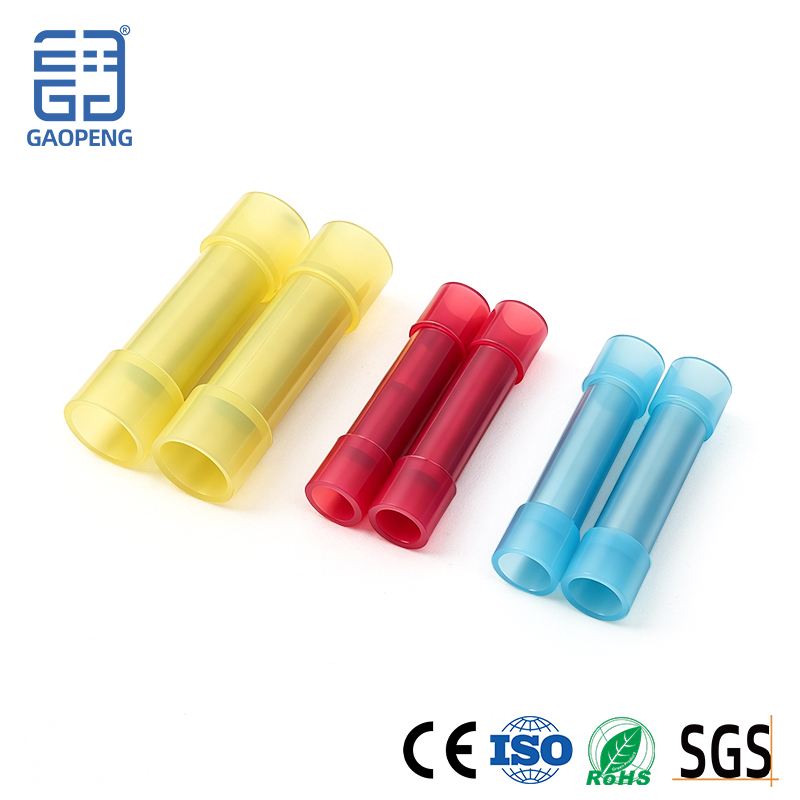
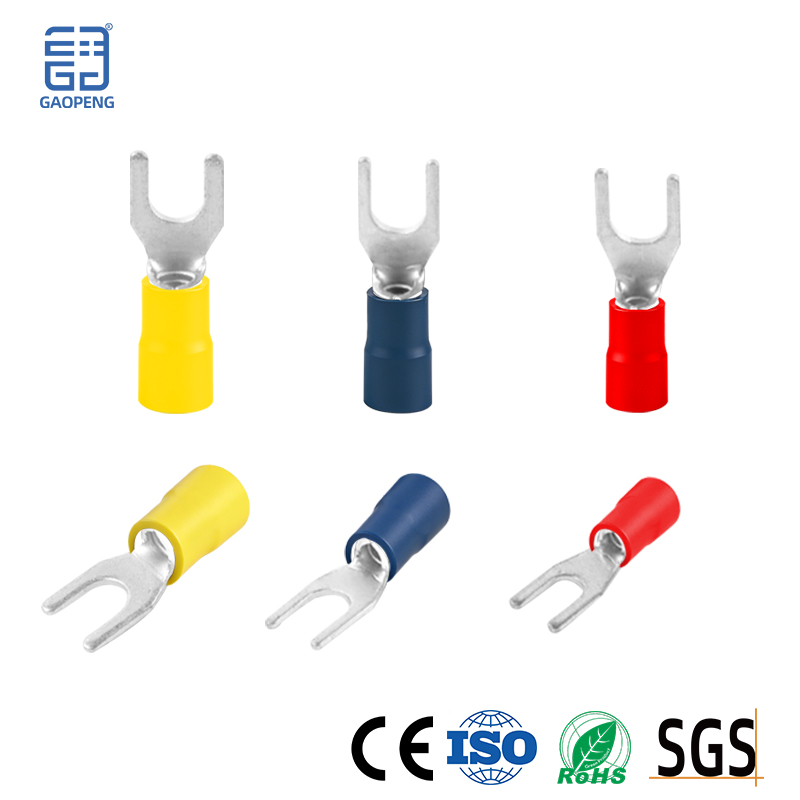
Insulated and uninsulated Crimp Terminals (ring, spade, pin, butt, ferrule)
-
PCB-mount and panel-mount options
-
Specialized types (fuse, disconnect, ground, thermocouple)
A broad portfolio suggests deeper engineering expertise and reduces the number of suppliers you must manage.
Customization Capability
Even if you primarily use standard products, a supplier’s ability to customize is a valuable indicator of technical depth. Ask about:
-
Modified dimensions or configurations
-
Special markings, colors, or packaging
-
Application-specific designs
Engineering Support
Does the supplier offer technical assistance for:
-
Product selection and application guidance
-
Crimping tooling recommendations
-
Troubleshooting field failures
-
Compliance with specific standards or certifications
A supplier that invests in engineering support is more likely to be a long-term partner rather than a transactional vendor.
Tooling and Die Maintenance
Precision stamping requires well-maintained tooling. Inquire about:
-
Die maintenance schedules and documentation
-
In-house toolroom capabilities (or reliance on external vendors)
-
Replacement die lead times
Part 4: Evaluation Dimension 3 – Supply Chain Stability and Delivery Performance
Even the highest-quality terminals are worthless if they do not arrive when needed.
Production Capacity
Does the supplier have adequate capacity to meet your volume requirements, including peak demands? Questions to ask:
-
What is your monthly production capacity?
-
Do you maintain safety stock of popular items?
-
What is your typical lead time for standard vs. custom products?
Raw Material Sourcing
Supply disruptions often originate with raw materials. Evaluate:
-
Does the supplier have multiple sources for copper, plastic, and plating chemicals?
-
Are strategic materials stocked?
-
How does the supplier manage raw material price volatility?
Logistics and Shipping
-
What shipping methods are available (air, sea, express)?
-
Does the supplier have experience with export documentation and customs clearance?
-
Can they provide tracking information for shipments?
Delivery Track Record
Request references or, if possible, review the supplier’s on-time delivery performance. Consistent lateness is a red flag.
Part 5: Evaluation Dimension 4 – Cost and Total Value
Price is important, but it is only one element of total cost.
Understanding Pricing Components
Request detailed quotes that break down:
-
Product price per unit
-
Tooling charges (if any)
-
Packaging costs
-
Shipping and insurance
-
Payment terms (letter of credit, wire transfer, etc.)
Total Cost of Ownership (TCO)
Consider not just purchase price but:
-
Installation labor (faster-terminating designs reduce labor)
-
Failure rates (lower quality = higher failure rates = higher TCO)
-
Maintenance requirements (maintenance-free designs reduce ongoing costs)
-
Energy efficiency (low-resistance connections waste less energy)
A slightly higher-priced terminal that installs faster and never fails is often less expensive overall than a cheap terminal that requires rework and causes downtime.
Volume Discounts and Long-Term Agreements
For ongoing requirements, negotiate:
-
Tiered pricing based on annual volume
-
Long-term agreements with price stability
-
Consignment or just-in-time delivery arrangements
Part 6: Evaluation Dimension 5 – Certifications and Compliance
Terminals sold into regulated markets must carry appropriate certifications.
Required Certifications by Region
| Market | Typical Required Certifications |
|---|---|
| North America | UL, cUL (or CSA) |
| European Union | CE mark (manufacturer declaration); VDE or ENEC preferred |
| China | CCC (for certain products); GB/T compliance |
| International (industrial) | IEC certification |
What to Verify
-
Current status: Certifications expire; verify they are active.
-
Scope: Does the certification cover the specific product types and sizes you need?
-
File numbers: Obtain file numbers and verify with the certifying body’s online database.
-
Follow-up inspections: UL and other certifications require ongoing factory inspections. Confirm the supplier participates.
Environmental Compliance
Increasingly, customers require:
-
RoHS compliance (restriction of hazardous substances)
-
REACH compliance (registration, evaluation, authorization of chemicals)
-
Halogen-free options for fire-sensitive applications
Ask for declarations of compliance and test reports.
Part 7: Evaluation Dimension 6 – Technical Support and After-Sales Service
A supplier’s commitment to support after the sale distinguishes partners from vendors.
Pre-Sales Support
-
Does the supplier provide detailed datasheets, 3D models, and application notes?
-
Can they assist with product selection for unusual applications?
-
Are samples available for evaluation?
Post-Sales Support
-
What is the procedure for quality complaints or field failures?
-
Does the supplier have a formal corrective action process?
-
How quickly do they respond to technical inquiries?
Training and Documentation
-
Does the supplier offer training on proper crimping, torque, and installation?
-
Are installation guidelines and best practices documented and available?
Part 8: Red Flags – When to Be Cautious
Certain warning signs should prompt deeper investigation or disqualification:
| Red Flag | Why It Matters |
|---|---|
| Cannot provide certification documentation | Products may not be certified; legal and safety risks |
| Significantly lower prices than competitors | Likely indicates material or process shortcuts |
| Inconsistent product appearance (color, finish, dimensions) | Poor process control; unpredictable quality |
| Reluctance to provide samples | May be hiding quality issues |
| Vague answers about quality systems | Lack of genuine quality management |
| No traceability | Cannot address failures or recalls |
| High employee turnover | Instability affects consistency |
Part 9: The Supplier Audit – A Structured Approach
For high-volume or critical applications, consider conducting a supplier audit. Key areas to assess:
Document Review
-
Quality manual and procedures
-
Certification records
-
Incoming inspection records
-
Non-conformance and corrective action logs
-
Training records
Facility Walkthrough
-
Cleanliness and organization
-
Equipment condition and calibration
-
In-process inspection stations
-
Material storage and handling
-
Shipping and receiving areas
Personnel Interviews
-
Quality manager: processes and metrics
-
Production supervisor: training and shift handoffs
-
Operators: understanding of quality requirements
Sample Testing
-
Request random samples from current production
-
Perform your own dimensional, electrical, and mechanical testing
-
Compare results to specifications
Part 10: Why Gaopeng Meets the Criteria of a Trusted Partner
At Yueqing Gaopeng Electric Co., Ltd., we understand that our customers evaluate us against these very criteria. We welcome that scrutiny because we are confident in what we offer:
-
Certified Quality: ISO 9001 certified; products with UL, CSA, VDE, CE, RoHS, and REACH compliance
-
Comprehensive Range: Terminal blocks (screw, spring, push-in), insulated ferrules, crimp terminals, and accessories
-
Technical Depth: Decades of manufacturing experience; in-house tooling and engineering
-
Supply Reliability: Strategic raw material inventory; efficient production; global shipping capability
-
Competitive Value: Quality products at fair prices; focus on total cost of ownership
-
Responsive Support: Technical assistance, documentation, and after-sales service
We invite potential customers to evaluate us—request samples, review certifications, speak with our quality team, and visit our facility. We are confident that once you see how we operate, you will understand why Gaopeng is the right partner for your terminal needs.
Conclusion: Choose Partners, Not Just Suppliers
Selecting a terminal supplier is a decision with long-term consequences for your product quality, system reliability, and operational efficiency. By evaluating potential partners across the dimensions outlined in this guide—quality systems, technical capability, supply stability, total value, certifications, and support—you can make informed choices that reduce risk and enhance performance.
Remember: the cheapest terminal is rarely the least expensive over the full lifecycle. Invest the time to choose wisely, and you will be rewarded with reliable connections and a trustworthy partner.
Evaluate with rigor. Choose with confidence. Partner with Gaopeng for terminals you can trust.
Ready to evaluate Gaopeng? Contact us for samples, certifications, and a discussion of your requirements. We look forward to earning your trust.