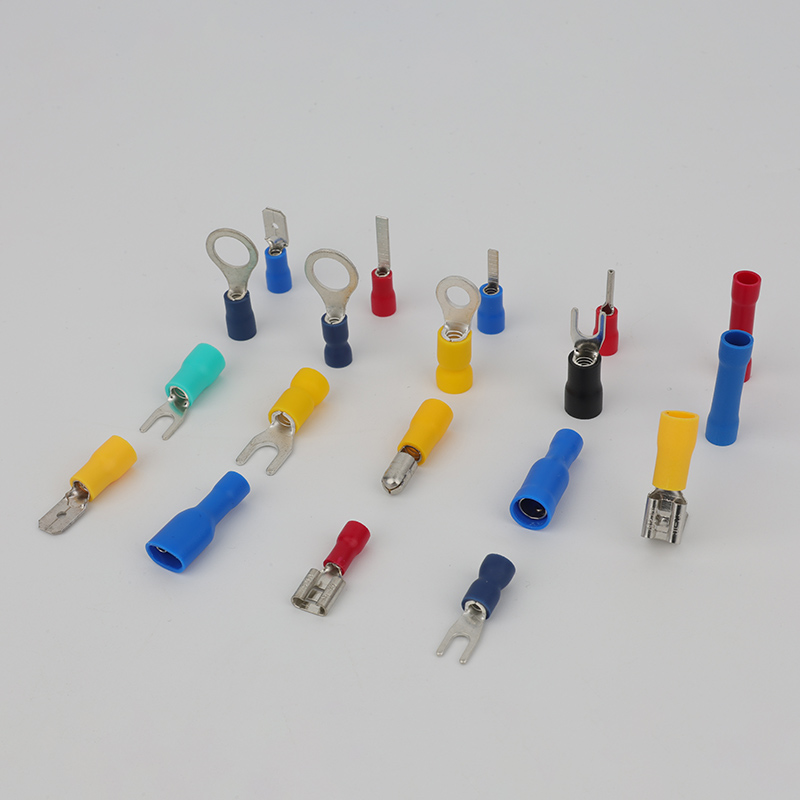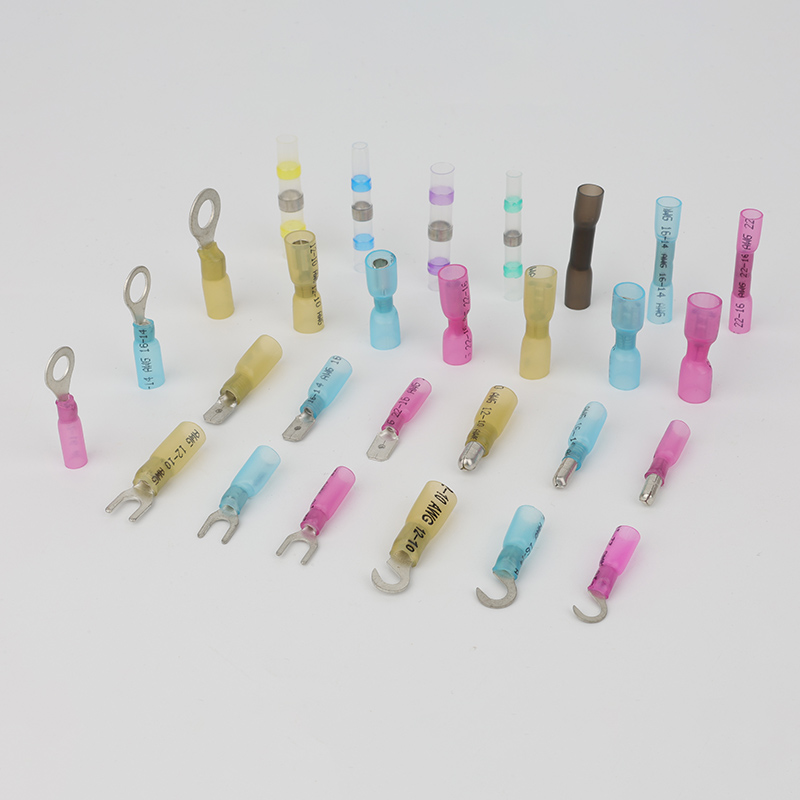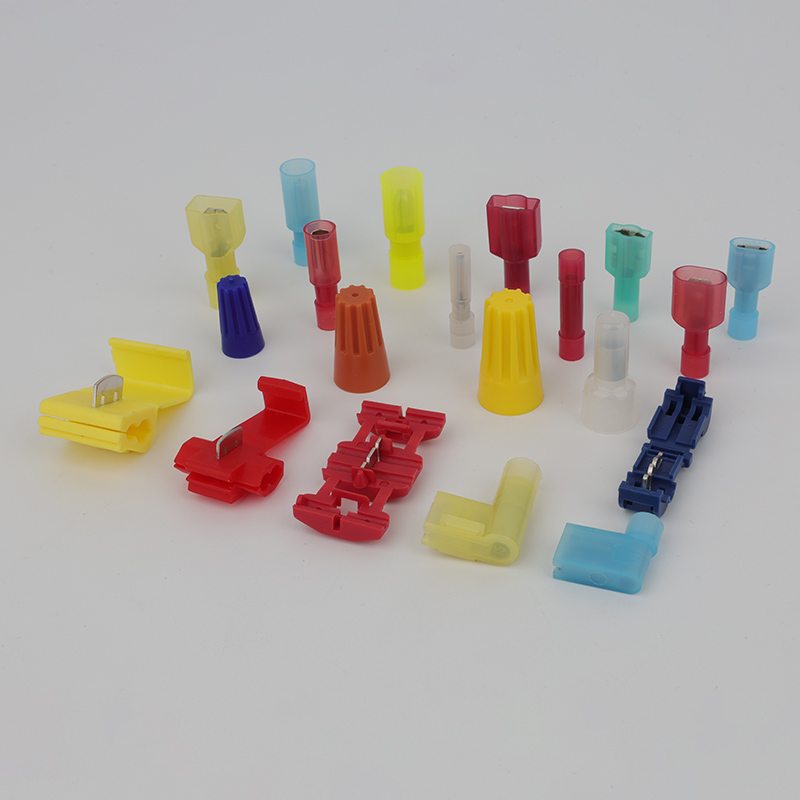
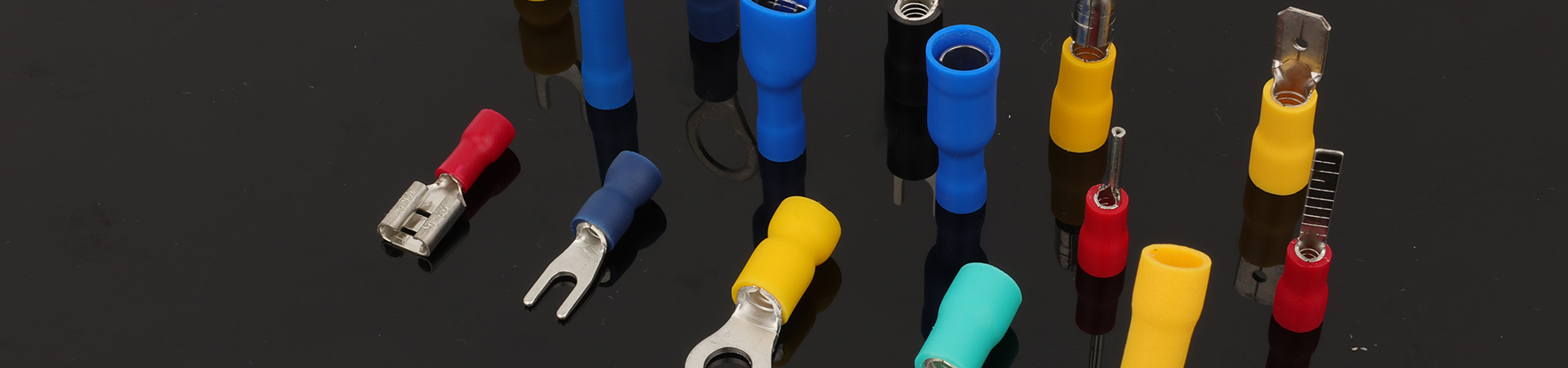
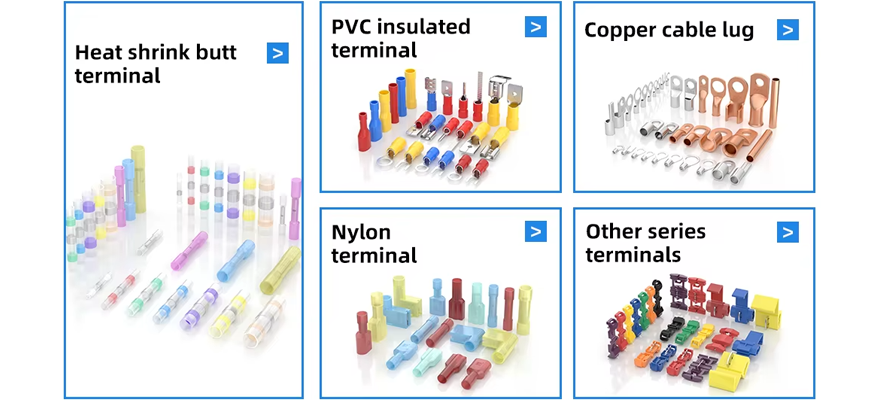
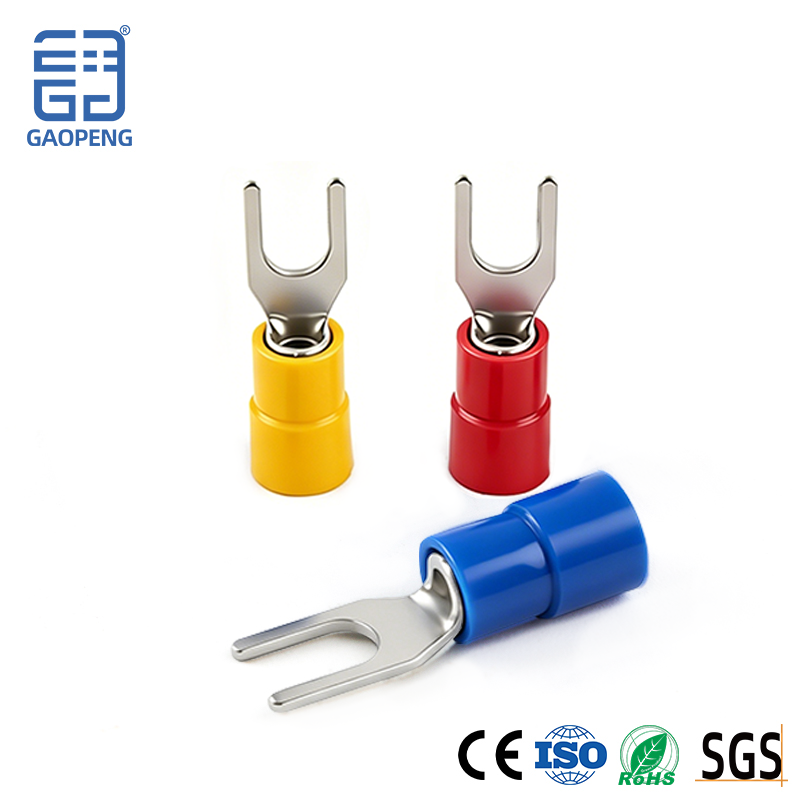
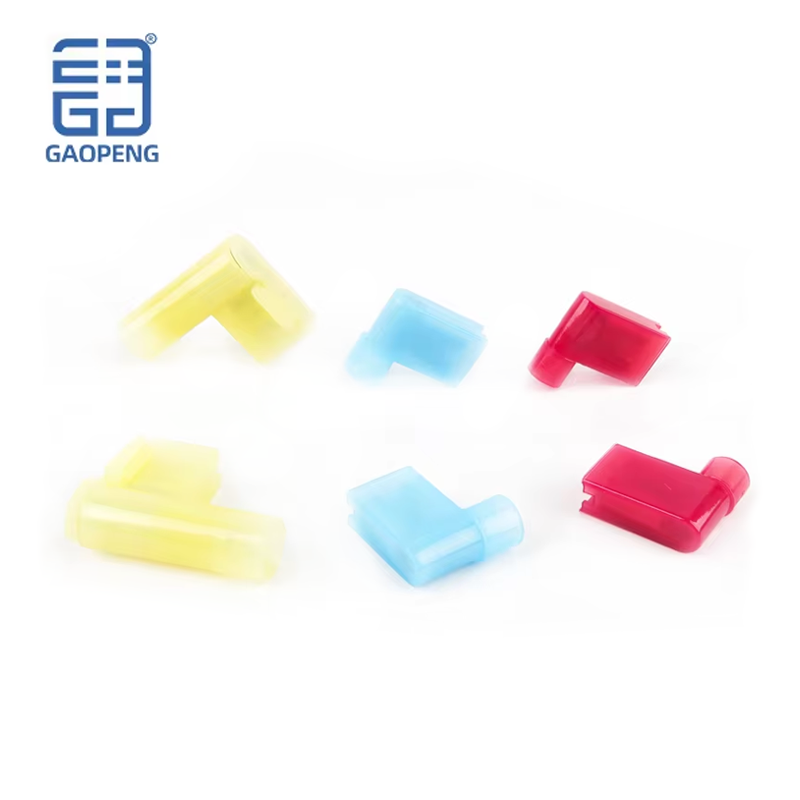
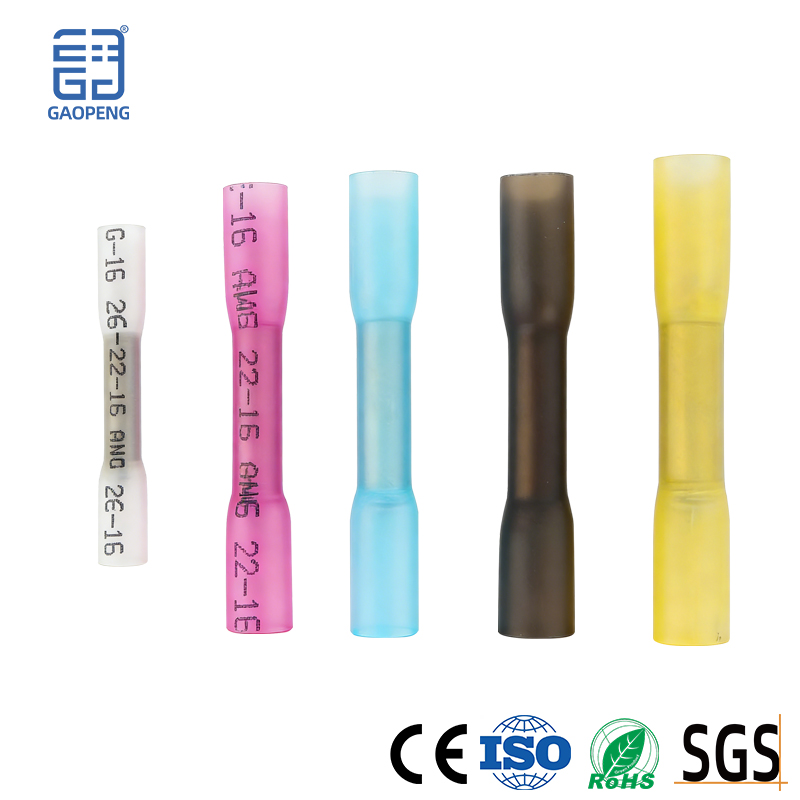
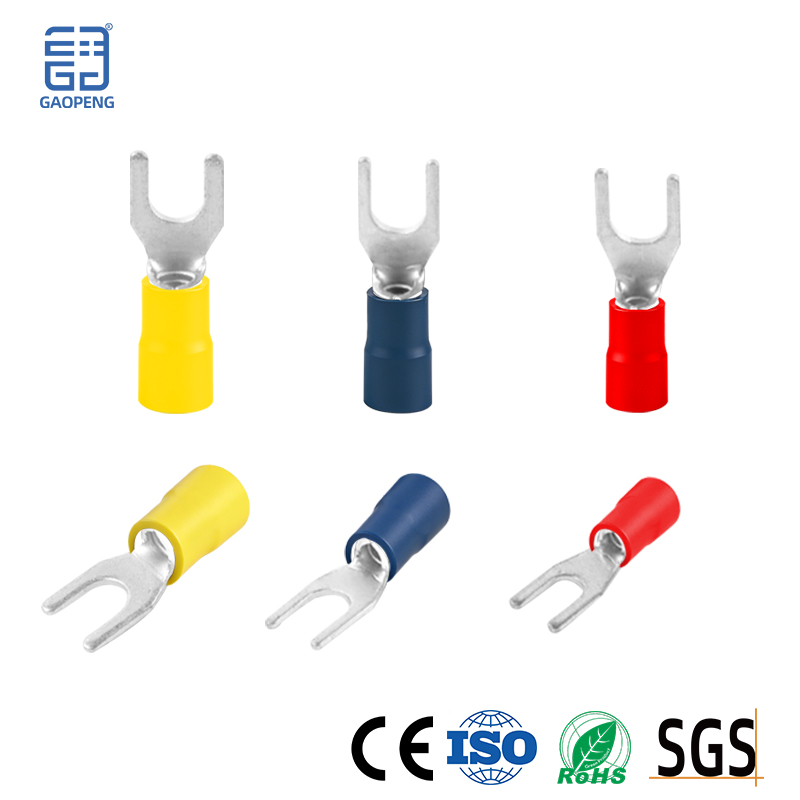
The working principle of a terminal block
Core working principle
Electrical Contact: Insert the prepared wire (e.g., with the insulation removed) into the conductive part of the terminal (usually a metal plate or sleeve). This is the first step in establishing an electrical connection.
Mechanical Fixing and Clamping: Apply a continuous and sufficient pressure to the wire through mechanical means such as screws, springs, levers, or crimping. This pressure serves two key purposes:
Securing: Prevent the wire from loosening due to vibration, pulling, or other external forces.
Tight Contact: Break through the wire’s surface oxide layer and microscopic irregularities, allowing the terminal metal to make a large-area, tight metallic contact with the wire core.
Establishing a Conduction Path: Under tight contact, current can smoothly flow from the wire through the contact surface to the terminal, and then to the connected part (such as another wire, a PCB pad, or a device terminal).
Key Technical Points
Contact Resistance: This is a critical indicator of terminal performance. Proper mechanical pressure can create low and stable contact resistance. If the pressure is insufficient, contact resistance increases, leading to heating during operation, accelerating oxidation, creating a vicious cycle, and potentially causing fault or even fire.
Vibration Resistance and Anti-Loosening: Good terminal designs (such as spRing Terminals or screw terminals with locking washers) can prevent pressure drop due to mechanical vibrations, maintaining long-term connection stability.
Air Tightness: Ideally, crimping or tight contact should prevent oxygen and moisture from entering the contact interface, thereby slowing oxidation and corrosion.
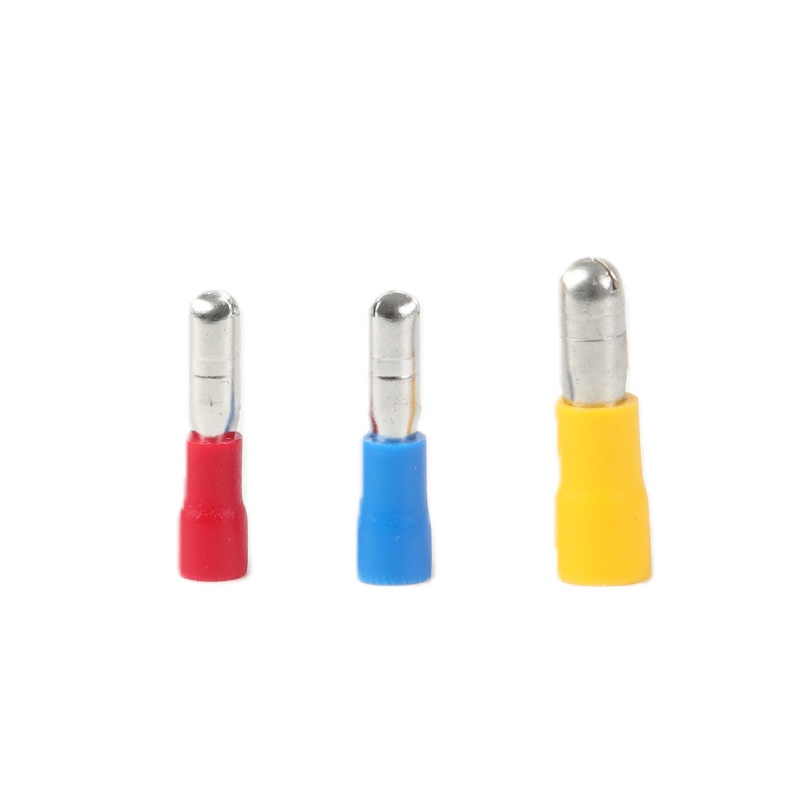
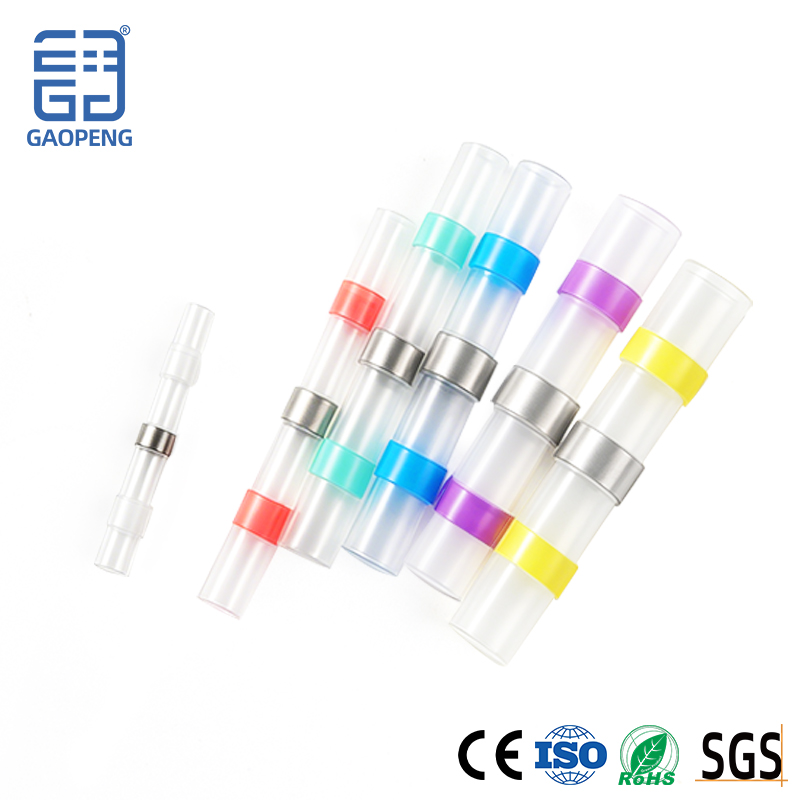
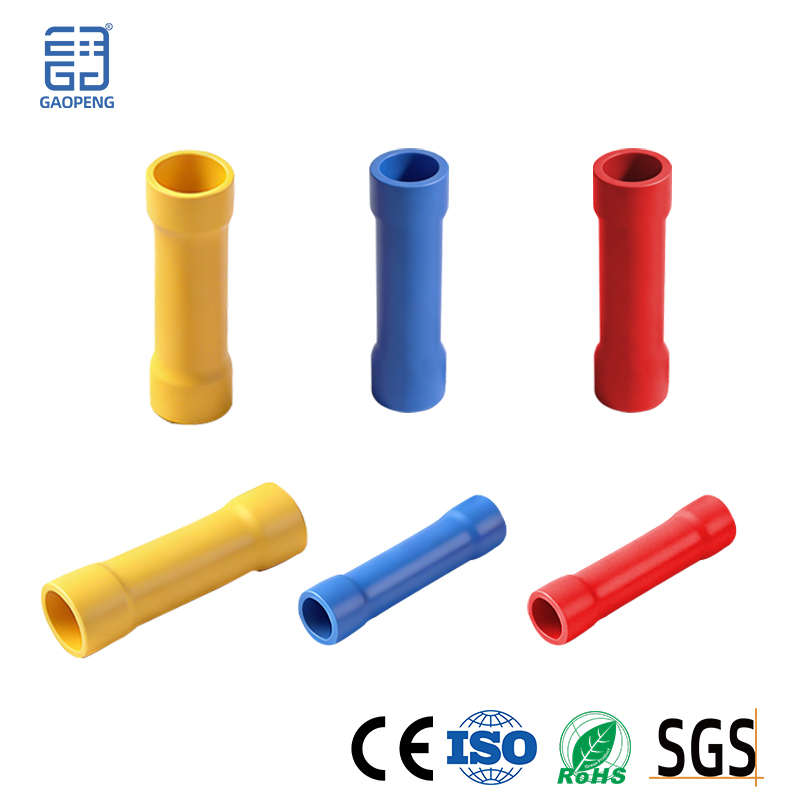
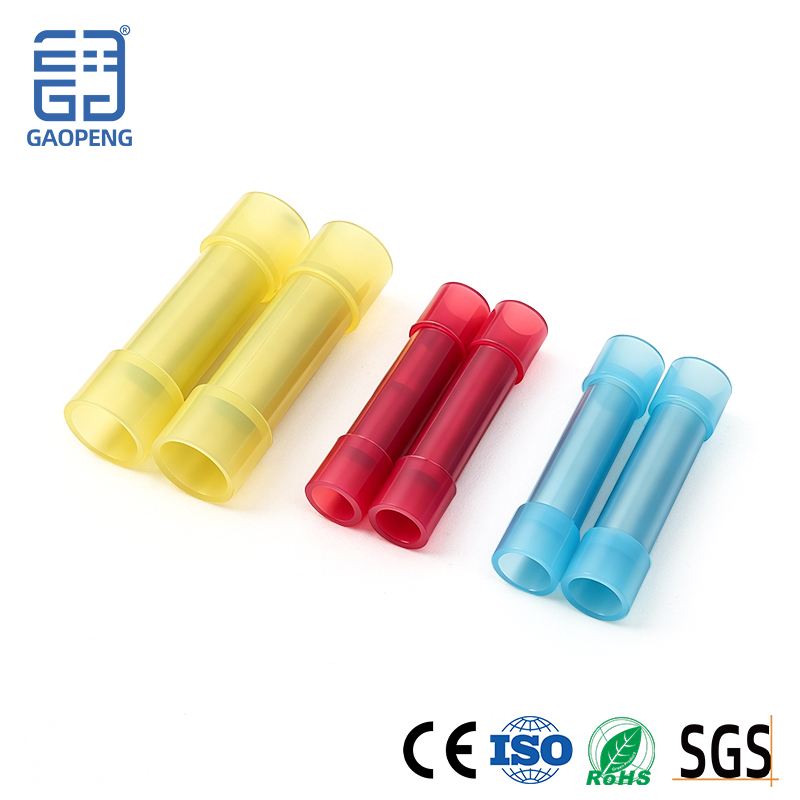
The Terminal Block utilizes the existing rail-type terminal RTB connection technology and is equipped with circuits made of electronic components to achieve the transmission coupling of the photoelectric process. It is applied for the convenience of wire connections. Essentially, it is a piece of metal enclosed in insulating plastic, with holes at both ends for inserting wires and screws for tightening or loosening. For example, when two wires sometimes need to be connected and sometimes need to be disconnected, the terminal can connect them and can also be disconnected at any time, without having to solder or twist them together, which is very convenient and fast. Moreover, it is suitable for connecting a large number of wires. In the power industry, there are dedicated terminal strips and terminal boxes, all filled with terminal blocks—single-layer, double-layer, for current, for voltage, standard, disconnectable, and so on. A certain crimping area is necessary to ensure reliable contact and to allow sufficient current to pass through.