



Types of Terminal Blocks
1. Classification by structure and connection method (the most core classification)
Screw/bolt terminals
Principle: The wire is pressed against the conductor by the pressure generated by the rotating screw.
Features: Strong versatility, firm connection, repeatable wiring, suitable for single strands. For multi-strand threads, it should be used with the thread nose. There is a risk of loose wires and regular maintenance is required.
Common forms: plate screw terminals, rail-type terminal strips, binding posts on electrical equipment.
Spring/SpRing Terminals
Principle: Uses the constant pressure of the spring to hold down the wire, usually by operating a lever (lever) or hole probe to open and close the spring.
Features: Quick wiring, no tools (or simple tools), anti-vibration, maintenance-free, especially suitable for multi-strand thin wires. High connection reliability is the mainstream of modern wiring technology.
Common forms: push-in spring terminals (push-in), lever-operated spring terminals.
Push-in terminals
Principle: It is a kind of spring terminal, and the wire can be stuck and conducted by the inner spring plate directly inserted into the hole. When disassembling, you need to use a tool (such as an unbuckling pin) to press the release mechanism.
Features: The wiring speed is extremely fast and space-saving, but it usually has strict requirements for wire diameter and stripping length.
Insulated puncture terminals
Principle: V-shaped toothed contacts with special design, which pierce the insulation of the wire during crimping and make direct contact with the conductor.
Features: No need to strip wires, save time, good waterproof and moisture-proof performance, and maintain insulation integrity. It is commonly used in communication cables, street lamp cables, building pre-branch connections, etc.
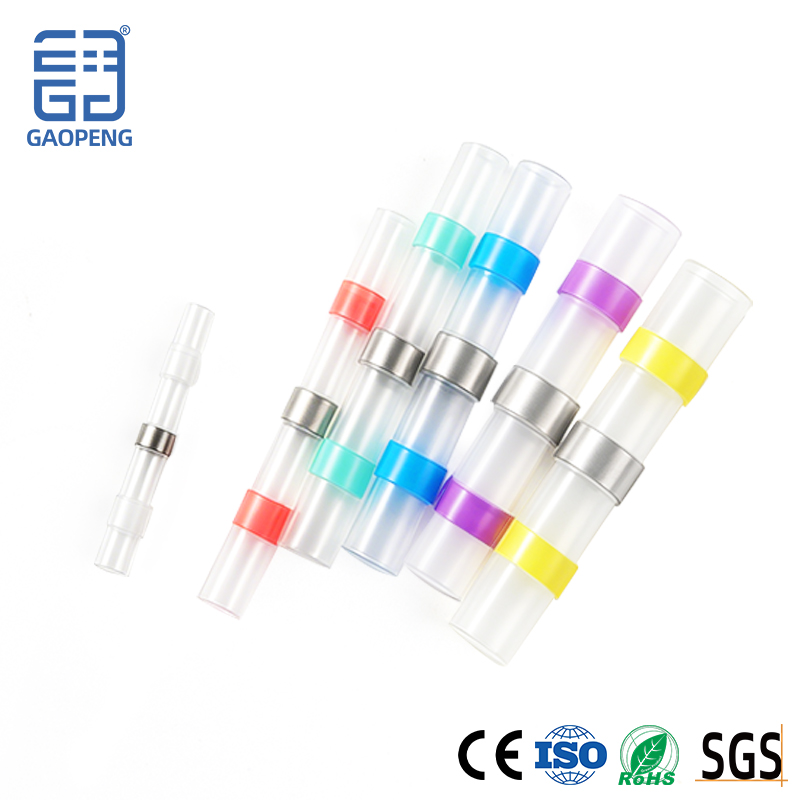
Solder terminals
Principle: There is a "cup" or "tubular" solder slot on the terminal, which melts the solder by heating and solds the inserted wire to fix it.
Features: The connection is permanent, reliable, and has excellent conductivity, but the operation is complicated and not removable. It is often used in situations where high reliability is required (such as military industry, aerospace).
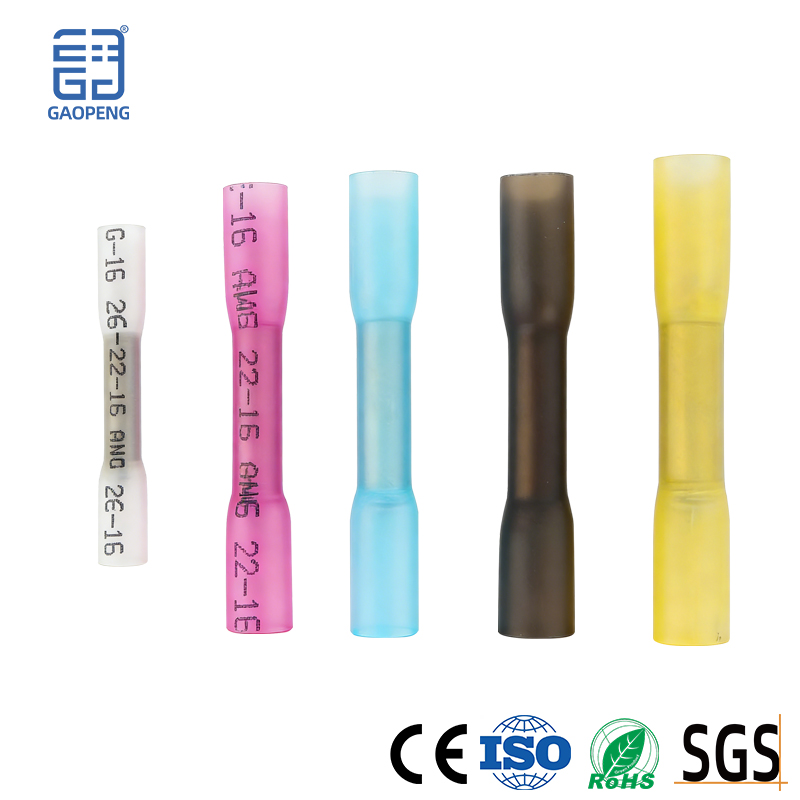
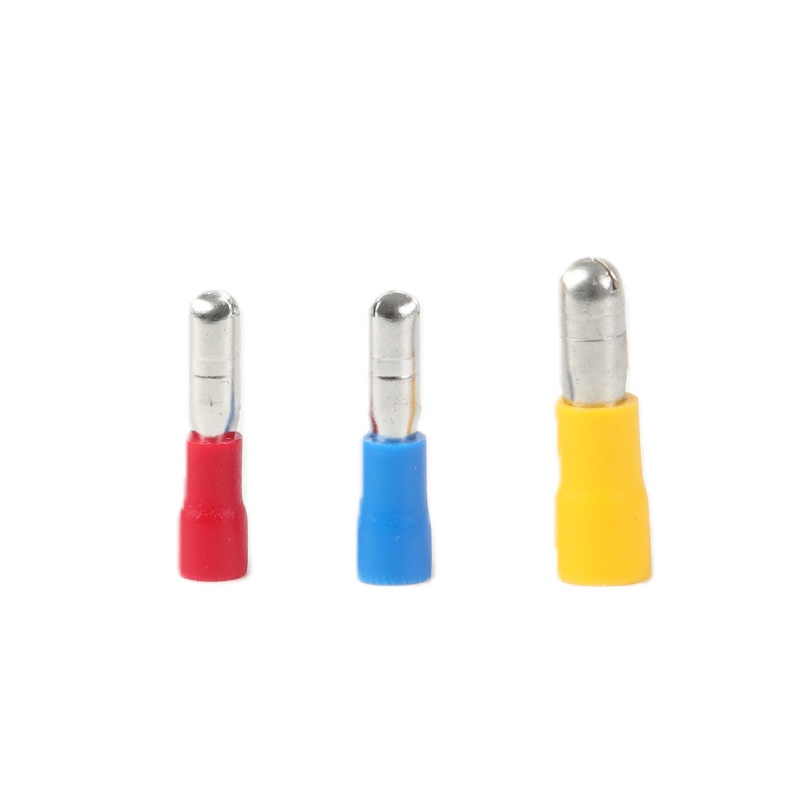
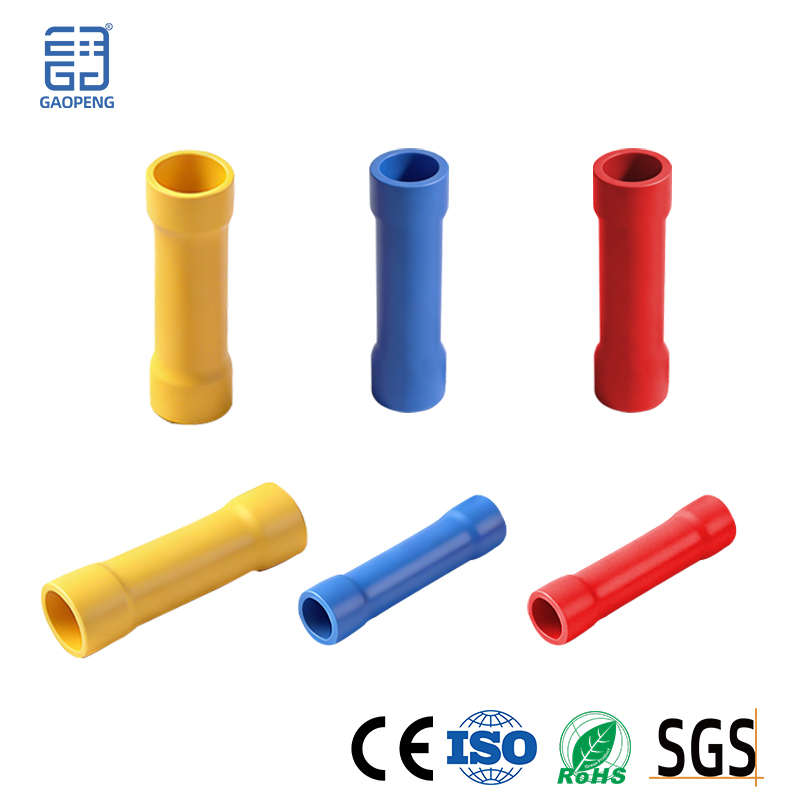
Crimp Terminals
Principle: Using special crimping pliers, the metal sleeve of the terminal is tightly pressed with the wire by physical deformation (cold pressing).
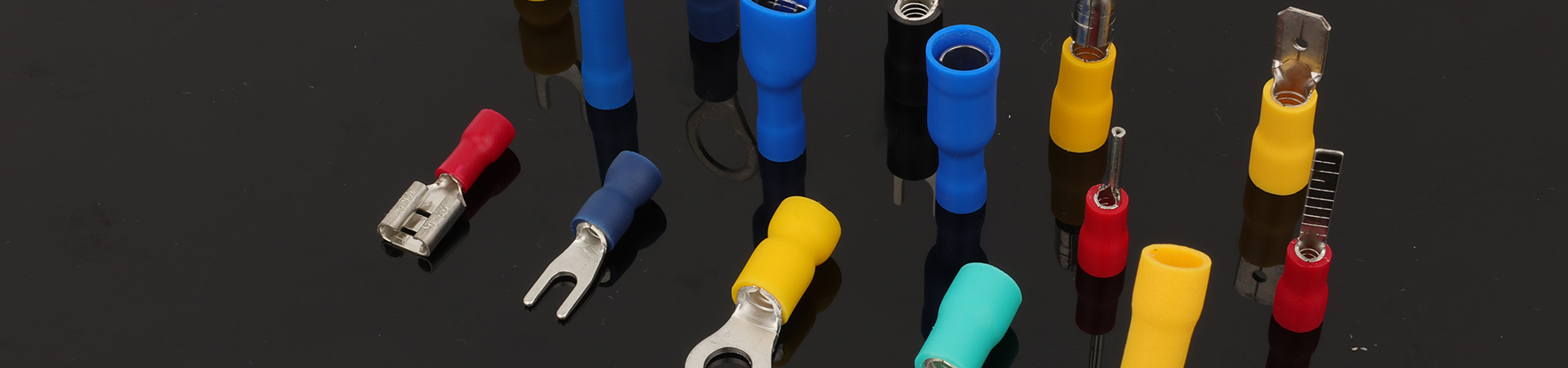
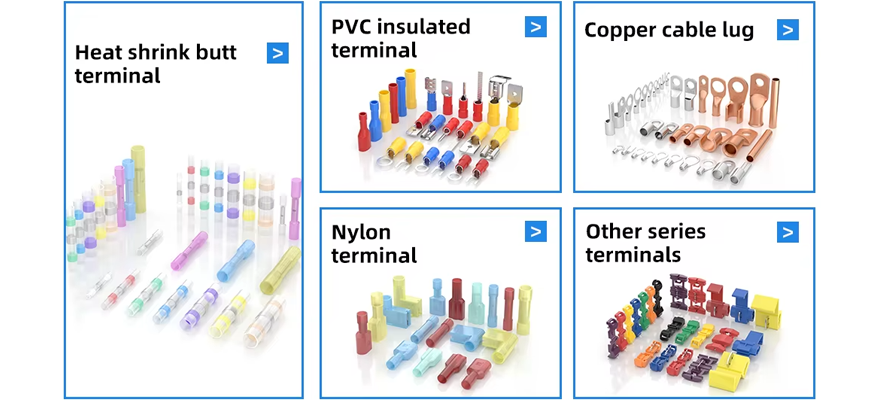
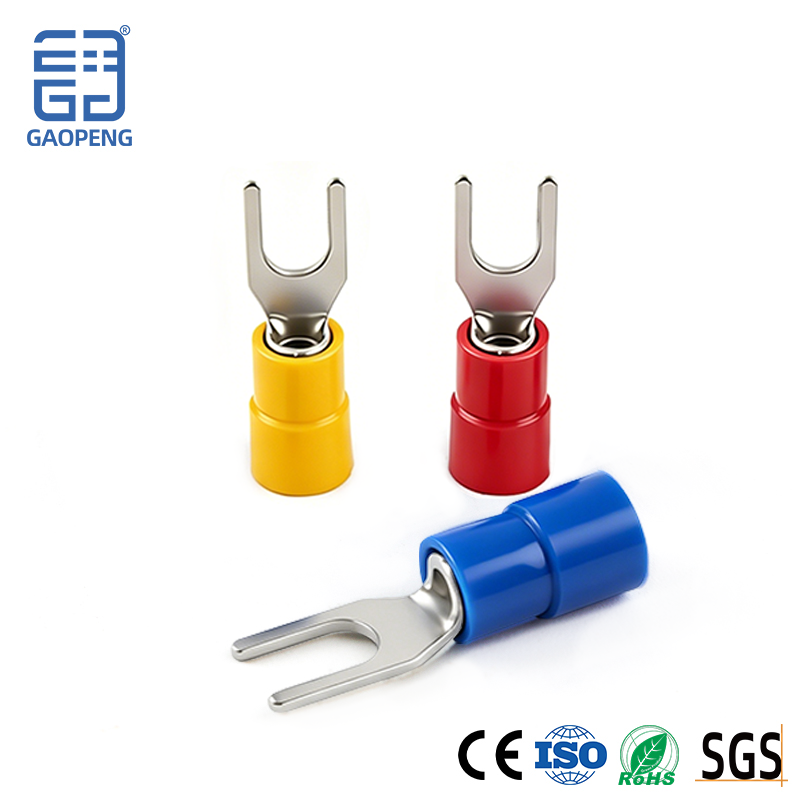
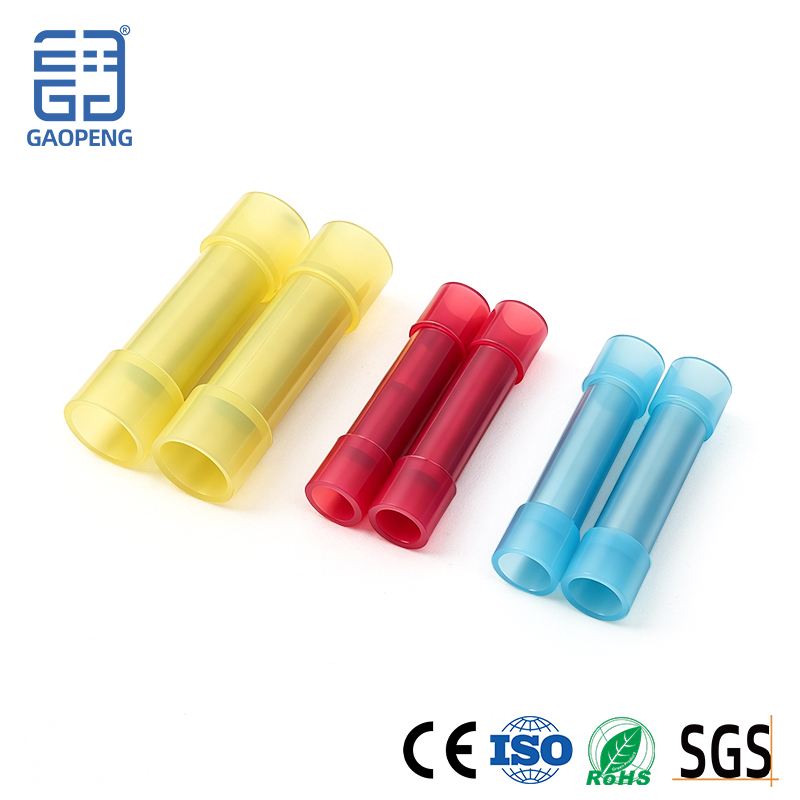
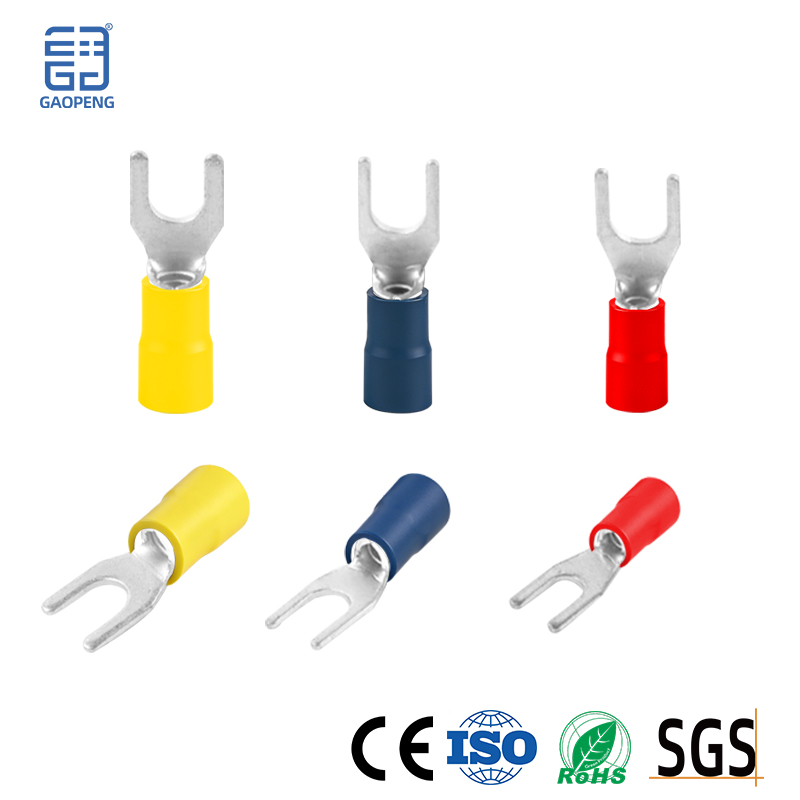
Features: Reliable connection, pull-resistant, suitable for high current and vibration environments. Supporting tools and terminals of different specifications are required. Such as pre-insulated terminals, ring terminals, fork terminals, needle terminals, etc.
Twist Terminals (Wire Nut / Wire Cap)
Principle: Threaded metal tapered sleeve on the inside, insulated shell on the outside. Screw multiple stripped wires into them clockwise to achieve connection and insulation.
Features: Low cost, easy installation, mainly used for building wiring and branch connection in lighting circuits.
2. Classification by purpose and function
Universal terminal blocks
It is used for general circuit connections, such as rail terminal strips and PCB terminal blocks.
PCB terminal blocks
Specially soldered or mounted on the edge of the printed circuit board for the connection of the board to the external wires. There are various forms such as straight insertion, curved insertion, fence type, screw type, etc.