



What is a Cable Terminal? A Comprehensive Guide to Understanding This Essential Component
Part 1: Defining the Cable Terminal
A cable terminal, also commonly referred to as a Cable lug, cable end terminal, or cable termination device, is an electrical component attached to the end of a cable or wire to enable a secure, reliable connection to another device, such as equipment terminals, busbars, junction boxes, or other cables .
The fundamental purpose of a cable terminal is to provide:
-
A Reliable Electrical Interface: Creating a low-resistance path for current to flow from the cable conductor to the connection point.
-
Mechanical Security: Ensuring the cable remains firmly attached under vibration, thermal cycling, and physical stress.
-
Environmental Protection: In many designs, shielding the connection point from moisture, dust, and corrosive elements.
The term "cable terminal" encompasses a wide range of devices, from the small Insulated Terminals used in control panels to the massive high-voltage terminations found in power substations .
Part 2: The Dual Nature of Cable Terminals: A Critical Distinction
In professional electrical engineering, "cable terminal" can refer to two distinct categories of components, and understanding this distinction is essential for proper specification.
Category 1: The Crimp Terminal (Cable Lug)
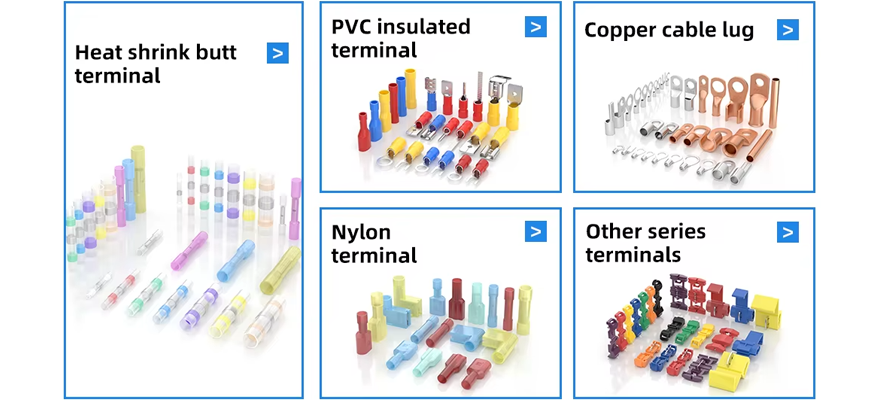
This is the most common interpretation in low-to-medium voltage applications (up to 1kV and beyond for larger cables). A crimp terminal or cable lug is a metal sleeve, typically made from high-conductivity copper or aluminum, that is permanently attached to the end of a cable conductor through crimping .
Key characteristics:
-
Attachment Method: The terminal is compressed onto the cable conductor using a calibrated crimping tool, creating a cold weld that is mechanically strong and electrically sound.
-
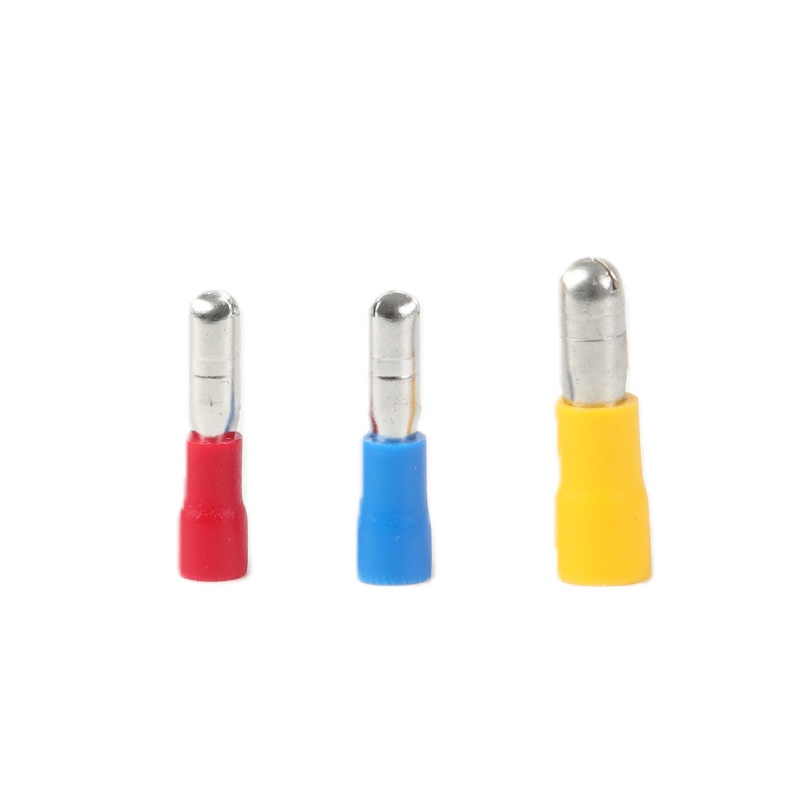
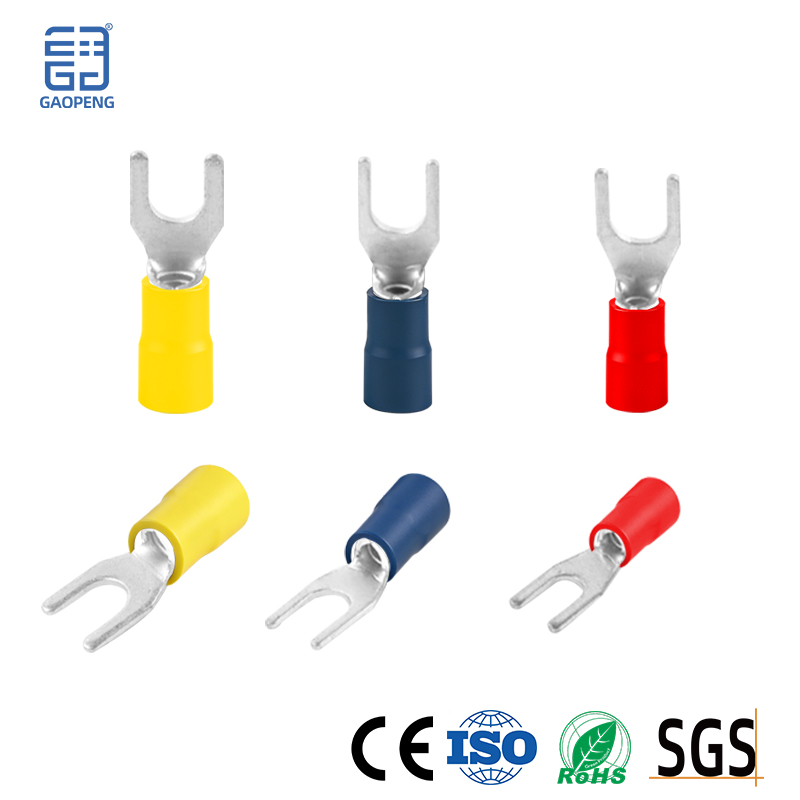
Connection End: Features a palm, ring, spade, pin, or other shaped end designed for bolting or screwing onto equipment terminals.
-
Materials: Typically manufactured from electrolytic copper, often plated with tin, silver, or nickel for corrosion resistance and enhanced conductivity .
-
Commonly Known As: Cable lugs, copper lugs, battery terminals, crimp lugs.
Example: A heavy-duty ring terminal crimped onto a 50mm² power cable for connection to a circuit breaker .
Category 2: The Medium/High-Voltage Cable Termination
In medium-voltage (MV) and high-voltage (HV) power systems (from 2.5 kV up to 500 kV and beyond), a cable terminal refers to a sophisticated assembly designed to terminate shielded power cables .
Key characteristics:
-
Complex Function: Must manage the electrical stress at the cable end, control the electric field, provide insulation, and seal against environmental ingress.
-
Multi-Component Assembly: Includes stress control elements, insulation materials, weather sheds (for outdoor use), and connection hardware.
-
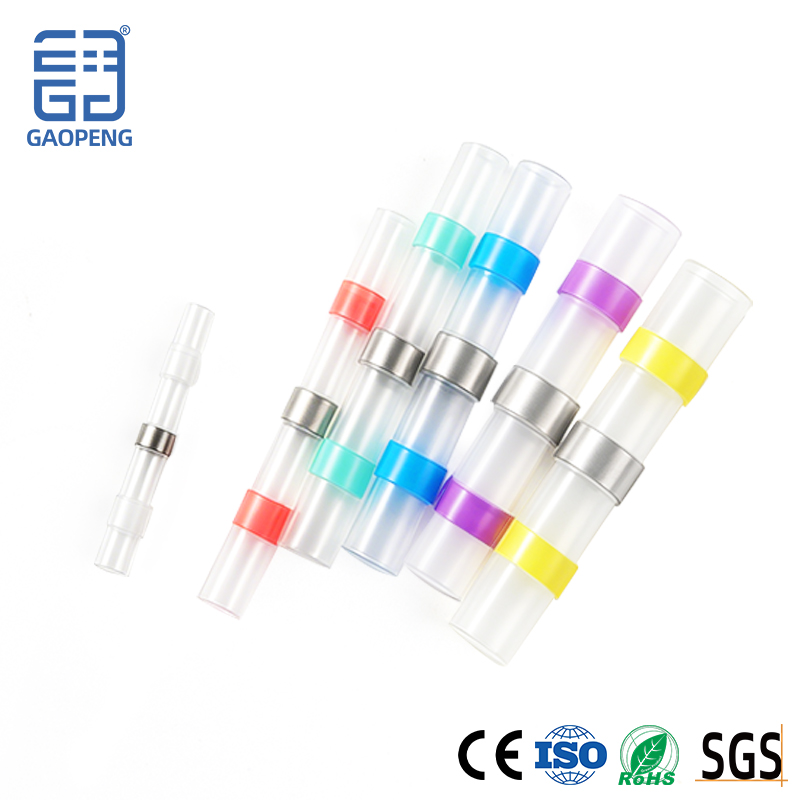
Types: Available as heat-shrink, cold-shrink, or pre-molded slip-on terminations .
-
Applications: Used in power distribution networks, industrial plants, renewable energy farms, and utility substations .
Example: A 33kV cold-shrink termination installed on an underground feeder cable entering a transformer.
Part 3: The Critical Functions of a Cable Terminal
Whether a simple crimp lug or a complex high-voltage termination, all cable terminals perform several essential functions:
1. Electrical Connection and Current Transfer
The primary function is to provide a secure, low-resistance path for electrical current. A properly installed terminal ensures that the connection point does not become a source of energy loss or heat generation .
2. Mechanical Fixation
Terminals transform a flexible cable into a securely mountable component. The connection end is designed for permanent or semi-permanent attachment to equipment terminals, ensuring the cable stays in place despite vibration or movement .
3. Stress Control (Especially in MV/HV Applications)
In medium and high-voltage cables, the termination must manage the electric field at the cable end, where the shield is cut back. Without proper stress control, the concentrated electrical stress can lead to partial discharge, insulation degradation, and eventual failure .
4. Environmental Sealing
Quality terminals protect the vulnerable cable end from moisture, dust, chemicals, and other environmental contaminants. This is critical for long-term reliability, especially in outdoor or harsh industrial settings .
5. Conductor Protection
By consolidating the individual strands of a multi-stranded cable, the terminal prevents strand damage, fraying, and the associated reduction in current-carrying capacity .
Part 4: Major Types of Cable Terminals
By Construction and Materials
1. Copper Tube Terminals (Copper Lugs)
Made from seamless copper tube with a wall thickness engineered to exceed the current-carrying capacity of the conductor. Available for conductors from 1.5 mm² up to 1000 mm² and beyond. Typically terminated using indentation or hex crimping tools .
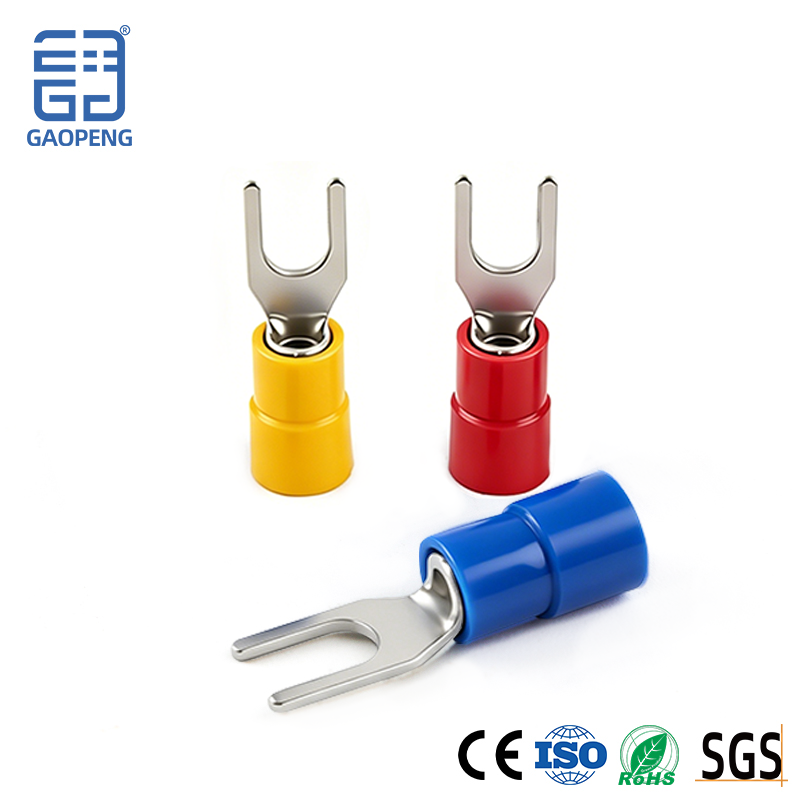
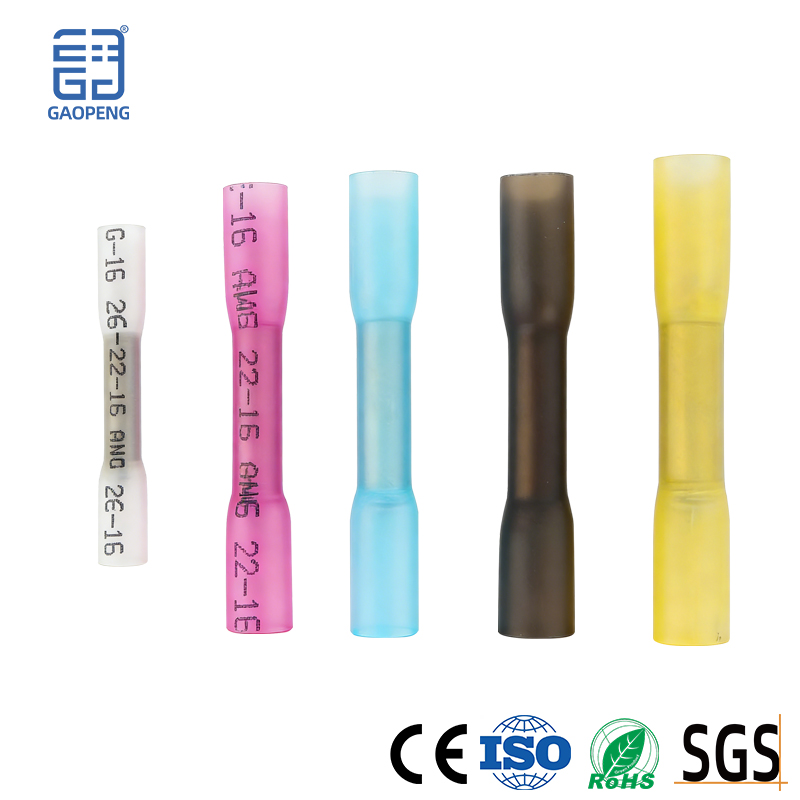
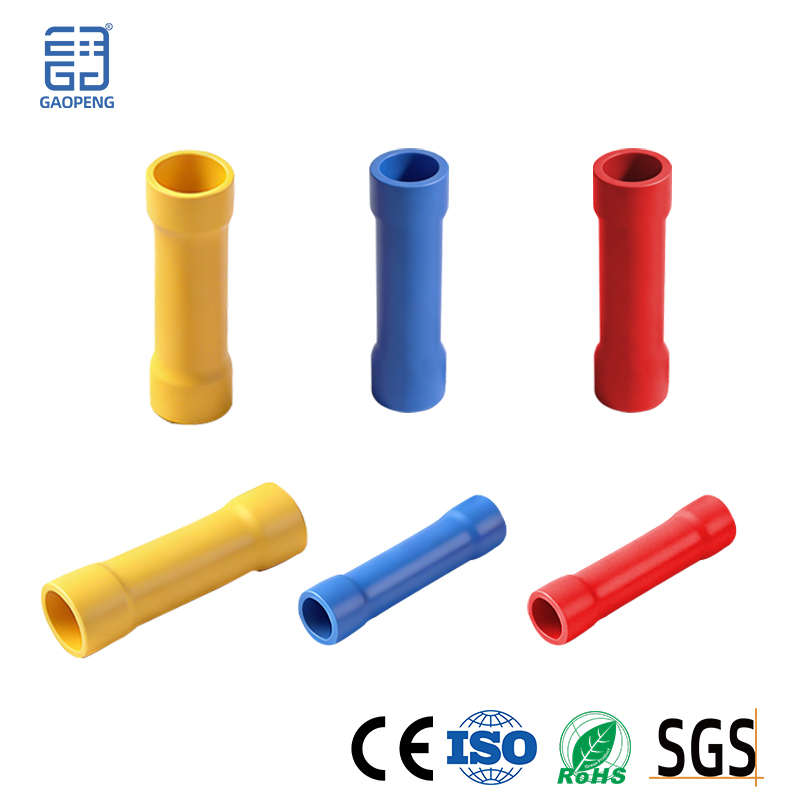
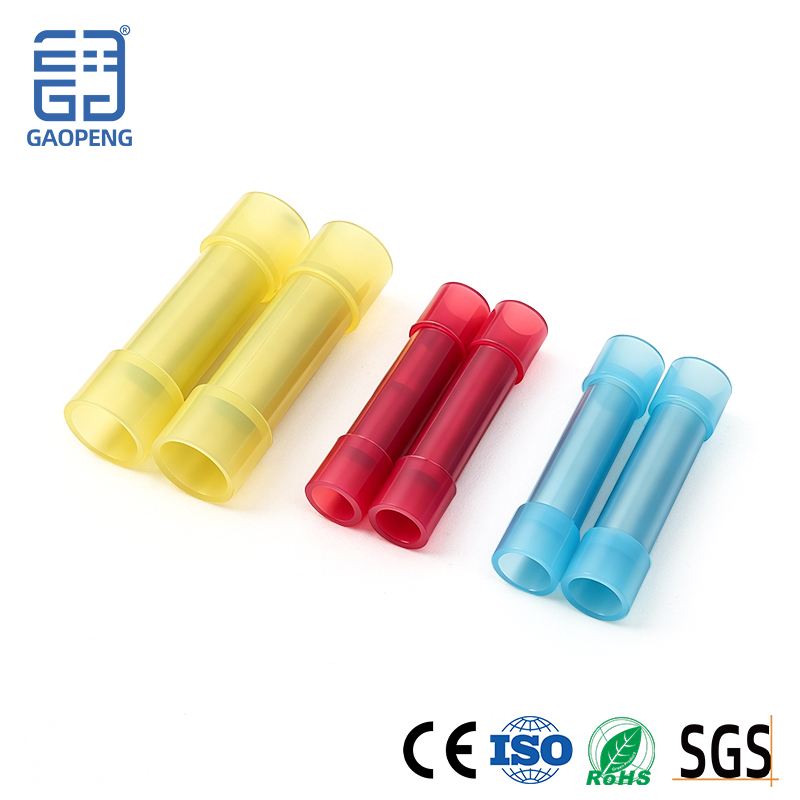
2. Pre-Insulated Crimp Terminals
Feature a color-coded PVC or nylon insulation sleeve that provides electrical insulation, strain relief, and visual wire gauge identification. The standard color coding is:
3. Uninsulated Terminals
Simple metal terminals without insulation, used where environmental conditions or space constraints require a bare connection, or where additional insulation (like heat shrink tubing) will be applied separately.
4. Aluminum and Bimetallic Terminals
Specialized terminals for aluminum conductors, or for connecting aluminum cables to copper equipment (bimetallic terminals), which manage the galvanic corrosion potential between dissimilar metals .
By Connection End Shape
By Application Voltage
-
Low Voltage (LV) Terminals: For cables up to 1kV. Includes all standard crimp terminals and lugs.
-
Medium Voltage (MV) Terminals: For cables rated 2.5 kV to 46 kV. Complex terminations with stress control features .
-
High Voltage (HV) Terminals: For cables above 46 kV. Sophisticated assemblies requiring specialized installation techniques .
Part 5: Installation Methods
Crimping (The Most Common Method)
Crimping is the preferred method for attaching terminals to low and medium-voltage cables. It uses calibrated tools—manual, pneumatic, or hydraulic—to compress the terminal barrel around the conductor, creating a cold weld. Using the manufacturer's matched crimping tooling is critical for reliable results .
Soldering
Less common in modern practice but still used in specific applications, such as fine-wire connections or where crimping tools are unavailable. However, soldering can create stress points and is more susceptible to vibration fatigue.
Exothermic Welding
Used for critical grounding connections and in applications requiring the most reliable, permanent connection. This molecular bonding process creates a connection that cannot loosen or corrode .
Bolting
Many large cable lugs are designed to be bolted directly to equipment terminals or busbars after crimping, using appropriate hardware and torque specifications.
Part 6: How to Select the Right Cable Terminal
Choosing the correct terminal is an engineering decision with significant implications for safety and reliability. Consider these factors:
1. Conductor Material and Size
The terminal must be designed for the cable's conductor material (copper, aluminum) and precisely match its cross-sectional area (mm² or AWG).
2. Voltage Rating
Ensure the terminal and its insulation are rated for the system voltage. MV/HV applications require specialized terminations with appropriate stress control.
3. Current Carrying Capacity
The terminal must be capable of handling the maximum continuous current without excessive temperature rise.
4. Environmental Conditions
Consider exposure to moisture, chemicals, temperature extremes, and UV radiation. Select materials (plating, insulation) accordingly. Stainless steel terminals offer superior corrosion resistance in harsh environments .
5. Connection Type
Match the terminal's connection end to the equipment terminal—ring for studs, spade for screw terminals, pin for connectors.
6. Certifications and Standards
Look for terminals certified to relevant standards: UL 486 for North America, IEC 60999 internationally, or IEEE standards for medium-voltage applications .
Part 7: Quality Indicators for Premium Cable Terminals
At Gaopeng, we believe that quality is visible in the details. Premium cable terminals exhibit:
-
Consistent Dimensions: Precision manufacturing ensures every terminal meets specifications.
-
Smooth Surfaces: No burrs, sharp edges, or plating defects.
-
Proper Material Thickness: Adequate copper gauge for rated current.
-
Uniform Plating: Even coverage without bare spots or flaking.
-
Clear Markings: Size and type identification.
-
Complete Certification Documentation: UL, IEC, or other relevant certifications.
Conclusion: The Critical Link in Every Circuit
A cable terminal, whether a simple crimp lug or a complex high-voltage termination, is far more than a simple accessory. It is the engineered interface that ensures the energy generated, transformed, and transmitted through millions of kilometers of cable actually reaches its destination—safely, reliably, and efficiently.
Understanding what cable terminals are, how they function, and how to select the right type for each application empowers engineers, technicians, and procurement professionals to build systems that perform as designed, year after year.
At Yueqing Gaopeng Electric Co., Ltd., we manufacture a comprehensive range of cable terminals—from precision insulated crimp terminals to heavy-duty copper lugs—all engineered to meet the highest international standards. We are committed to providing not just components, but complete solutions for reliable electrical connectivity.
Build with Confidence. Connect with Gaopeng.
Explore our full range of cable terminals, lugs, and crimping accessories. Contact our technical team for specification assistance and certification documentation.