




What is the difference between a terminal block and a terminal?
Defining the Core: It’s an "Apple and Orchard" Relationship
The simplest analogy is that of a single apple and the entire orchard. A Terminal is the singular, discrete connection point (the apple). A Terminal Block is the structured assembly that houses, organizes, and insulates multiple such terminals (the orchard).
Understanding this hierarchical relationship is essential for accurate design, specification, and communication across global engineering and procurement teams.
Part 1: The Terminal – The Fundamental Connection Unit
A Terminal (or Wire terminal, Crimp Terminal) is a singular, standalone component designed to be permanently attached to the end of a wire, transforming it into a safe and reliable connection interface.
Key Characteristics:
-
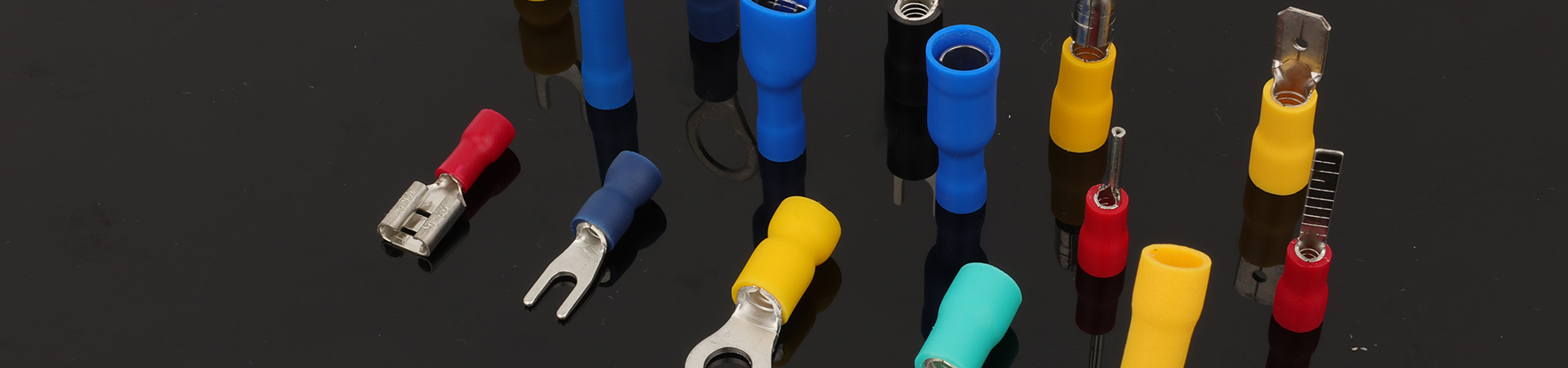
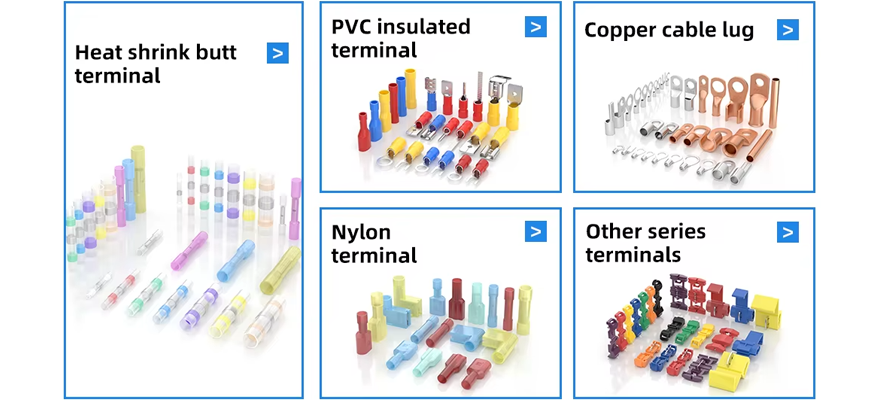
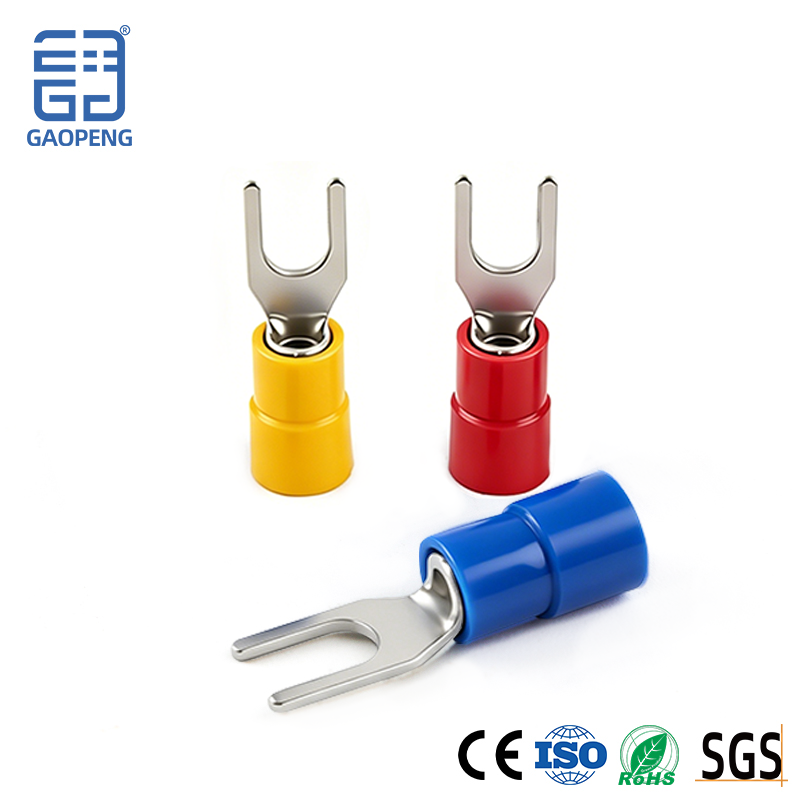
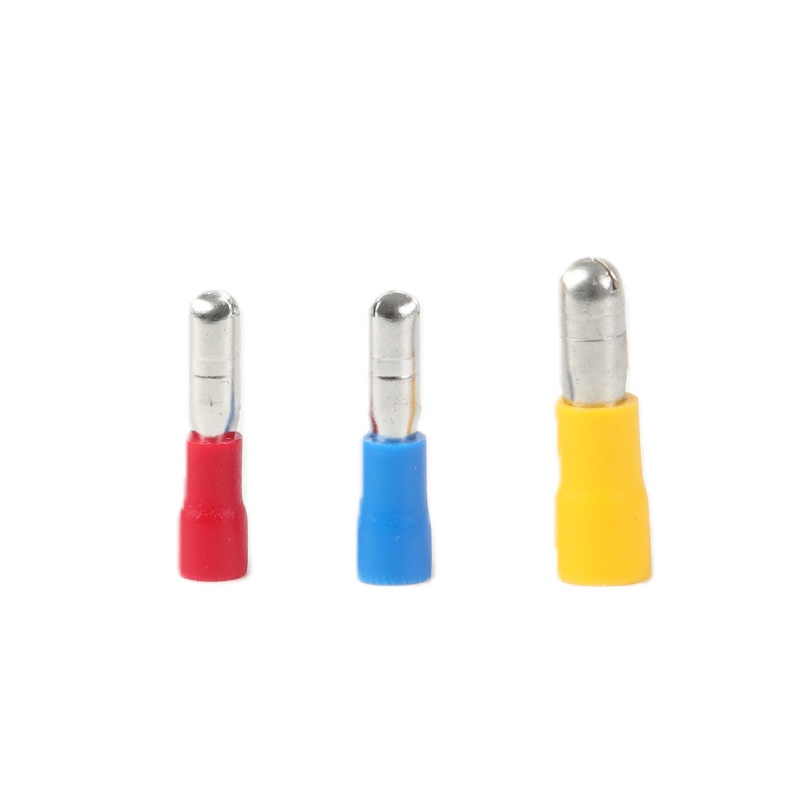
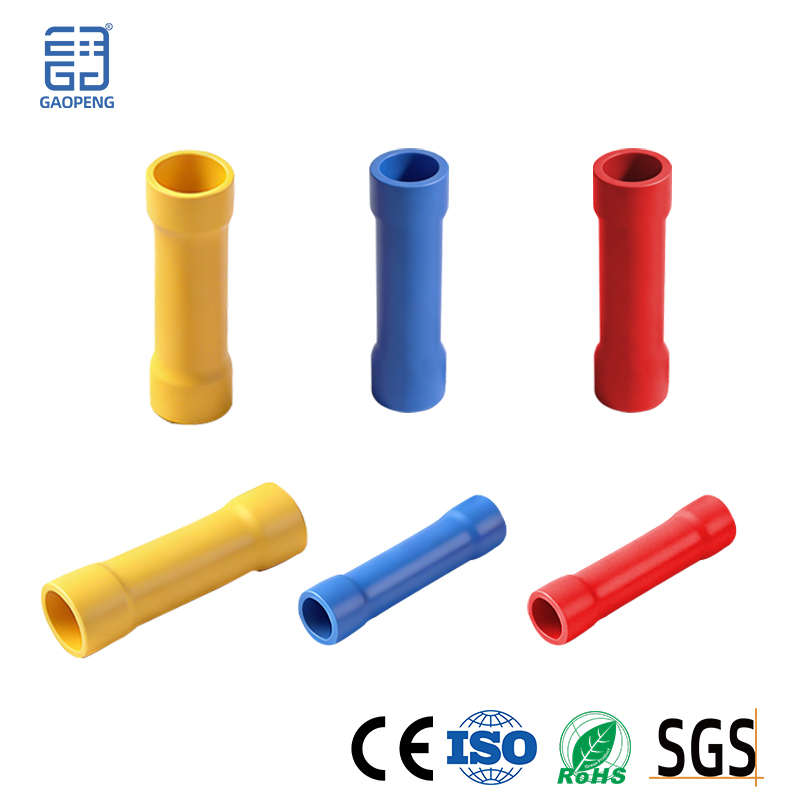
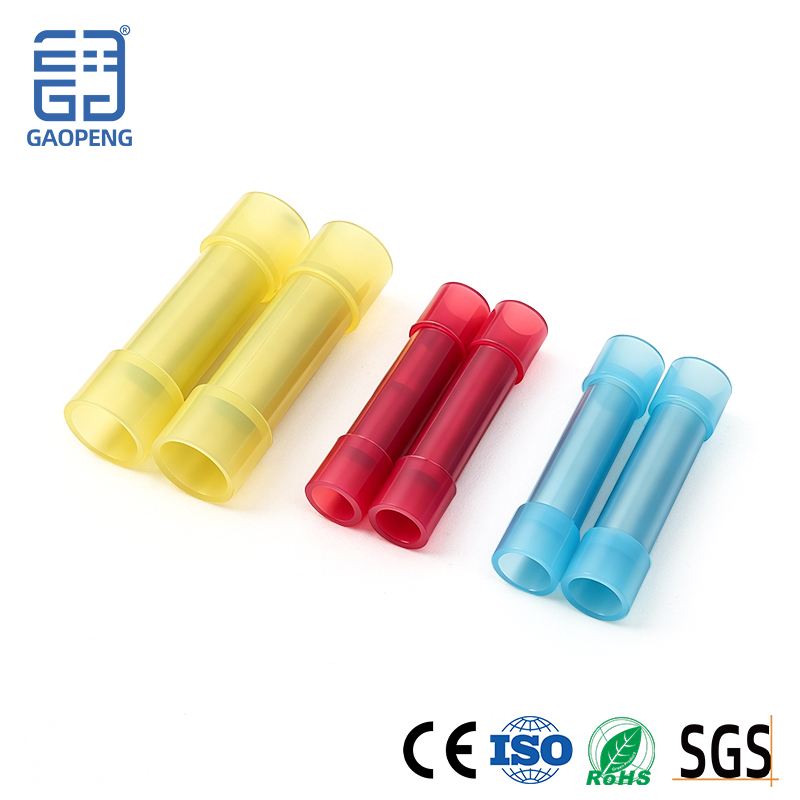
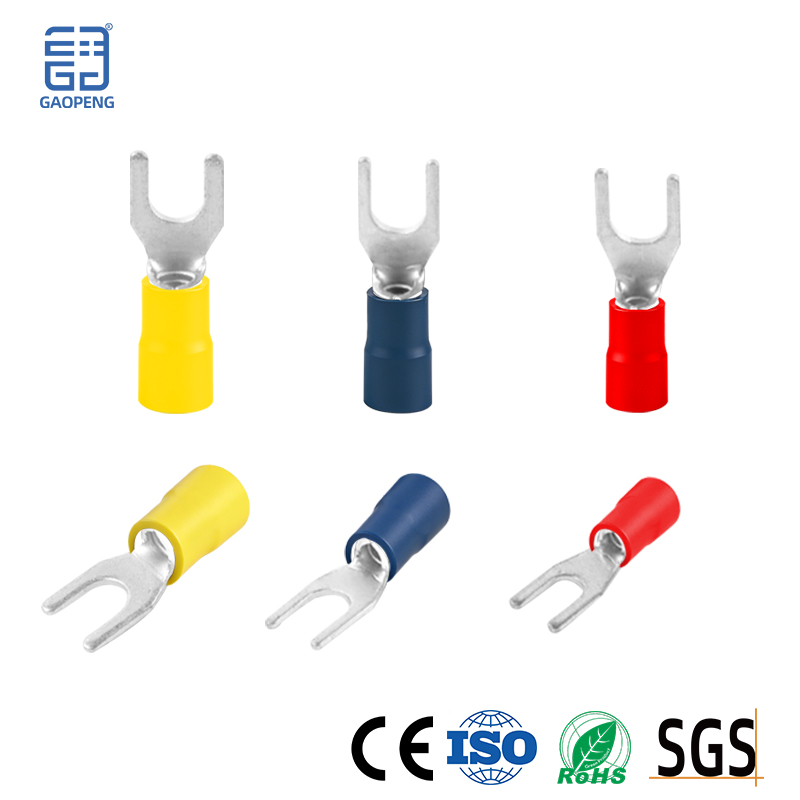
Form Factor: It is a single piece, typically made of a metal conductor (copper, brass, tin-plated) and often encased in an insulating sleeve. Common types include Ring Terminals, Spade (Fork) Terminals, Pin Terminals, and Bullet Connectors.
-
Primary Function: To provide a terminated end on a wire that is secure, electrically optimal, and mechanically suited for attachment to a fixed point (like a stud, screw, or mating connector).
-
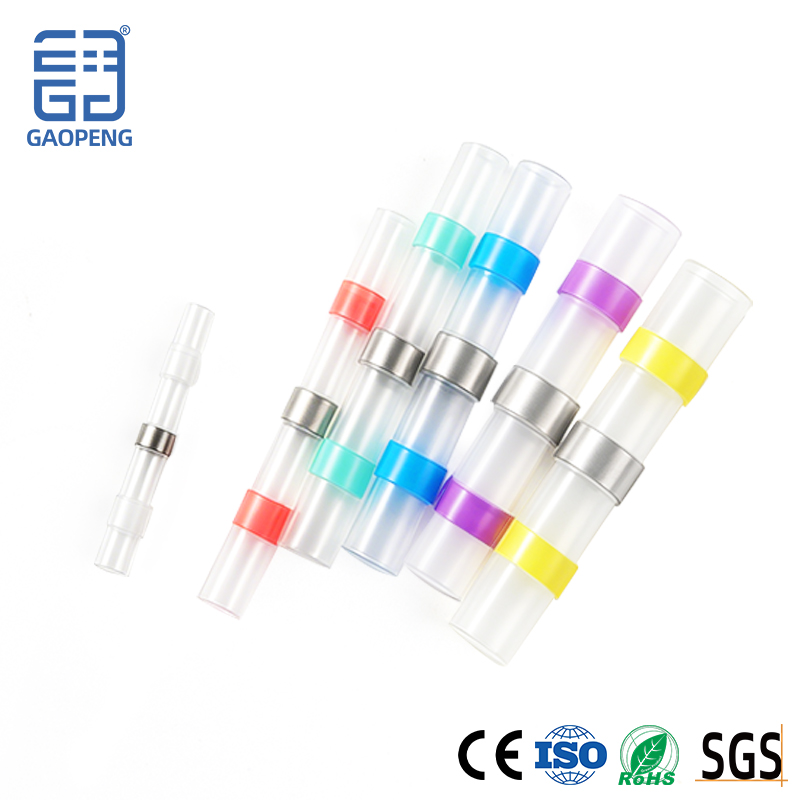
Installation Method: It is crimped (or sometimes soldered) onto the wire conductor using a specialized tool. This creates a permanent, cold-welded connection.
-
Purpose & Application: Its job is to solve the problem of connecting a bare wire to something. For example, a ring terminal allows a wire to be securely fastened under a screw or stud on a circuit breaker, motor, or the connection point of a Terminal Block.
In essence, a Terminal is the interface on the wire.
Part 2: The Terminal Block – The System Organizer
A Terminal Block (or Terminal Strip, Connection Block, Barrier Strip) is a modular, insulated housing that contains multiple connection points in a single, organized unit. It is designed to be mounted inside an enclosure (typically on a DIN rail or panel) and facilitates the safe connection and distribution of multiple circuits.
Key Characteristics:
-
Form Factor: It is a multi-pole assembly, consisting of a durable insulating body (made from polyamide PA66, polycarbonate, etc.) with embedded metal connection elements (clamps, cages, screws). They come in 2-pole, 12-pole, or even longer sections that can be combined.
-
Primary Function: To provide a centralized, safe, and organized platform for connecting, distributing, combining, or isolating multiple incoming and outgoing wires.
-
Installation Method: It is mounted to a DIN rail or panel. Wires (which may or may not be pre-fitted with Terminals) are then inserted and secured into its individual connection points.
-
Purpose & Application: Its job is to solve the problem of system organization, modularity, and maintenance. It allows for easy troubleshooting, safe isolation of circuits, and the orderly management of dozens or hundreds of wires in a control panel. Common types include screw-clamp, spring-cage, push-in, and pluggable terminal blocks.
In essence, a Terminal Block is the interface on the panel.
The Synergy: How They Work Together
The relationship is beautifully complementary and is standard practice in professional electrical work:
-
An installer strips a stranded wire.
-
They select an appropriate Insulated Ring Terminal, matching its size to the wire gauge.
-
They use a calibrated crimp tool to permanently attach the terminal to the wire.
-
This terminated wire is then brought to a control panel.
-
The ring terminal is placed under the screw of a specific pole on a DIN-rail mounted Terminal Block and torqued down.
-
Another wire, perhaps terminated with a ferrule, is connected to the opposite side of the same pole, completing the circuit through the terminal block's internal metal connector.
Here, the Terminal ensures a perfect, reliable, and safe end on the wire, while the Terminal Block provides the organized, mounted infrastructure to make that connection manageable and part of a larger system.
Why the Distinction is Critical for Your Project
-
Procurement Accuracy: Specifying "terminals" when you need "terminal blocks" (or vice versa) leads to project delays and cost overruns. Clear communication with your supplier, like Gaopeng, is essential.
-
Design Integrity: An electrical schematic must differentiate between a point requiring a wire termination device and the central connection/distribution hardware. This affects the Bill of Materials (BOM) and assembly drawings.
-
Safety & Compliance: Using an unterminated stranded wire directly in a terminal block (without a ferrule terminal) is a known safety risk, leading to potential short circuits and loose connections. Understanding that a terminal (ferrule) is often a required partner to a terminal block is a mark of professional practice.
-
System Reliability: The terminal ensures the wire-to-connection integrity, while the terminal block ensures the system-level organization and stability. Both are equally vital for long-term, trouble-free operation.
Conclusion: Partners in Connectivity Excellence
The question is not "Which one is more important?" but rather "How do they work together to create a superior electrical system?" The Terminal and the Terminal Block are partners in the mission of achieving safe, reliable, and maintainable connectivity.
The terminal is your first line of defense—ensuring every wire ends in a secure, compliant, and high-performance manner. The terminal block is your command center—bringing order, flexibility, and safety to the complex web of circuits in any modern application.
At Yueqing Gaopeng Electric Co., Ltd., we provide comprehensive solutions for both halves of this critical partnership. From our extensive range of precision-crimp Terminals (ring, spade, insulated, non-insulated) to our robust, certified Terminal Blocks (screw-clamp, spring-cage, and more), we engineer every component to meet the highest international standards.
Understanding their distinct roles empowers you to design better, specify correctly, and build electrical systems that stand the test of time.
Build with Clarity. Connect with the Complete Solution. Partner with Gaopeng.
Explore our integrated portfolio of terminals and terminal blocks, and contact our technical team for support in selecting the perfect combination for your project’s needs.