



What Makes A Connector Heat-Resistant? The Science of Staying Cool Under Fire
What are the Benefits of Using Heat-Resistant Insulated Connectors?
Employing heat-resistanT connectors is not merely a precaution; it's a strategic investment in reliability, safety, and longevity. The advantages are clear and compelling:
-
Enhanced Safety and Reliability: The foremost benefit is the prevention of catastrophic failure. Standard PVC insulation can soften, melt, or even ignite at elevated temperatures (typically above 105°C). Heat-resistant insulation maintains its integrity, preventing short circuits, electrical fires, and exposure of live conductors, thereby ensuring continuous, safe operation.
-
Long-Term Performance Stability: Heat accelerates oxidation and corrosion of metal contacts. Heat-resistant connectors often use premium, corrosion-resistant metals and platings (like tin or silver) that maintain stable electrical conductivity. This minimizes voltage drop and power loss over time, even in demanding conditions.
-
Mechanical Integrity Preservation: Plastic that softens loses its grip. The insulated sleeve on a connector provides crucial strain relief. Heat-resistant materials retain their mechanical strength, preventing wires from pulling loose due to a softened housing, which is vital in high-vibration environments often associated with high heat.
-
Reduced Maintenance and Downtime: By specifying connectors rated for temperatures higher than the anticipated operating environment, you build in a safety margin. This "derating" strategy significantly extends service intervals, reduces unexpected failures, and lowers the total cost of ownership by minimizing maintenance needs and system downtime.
In essence, a heat-resistant connector is your first and most effective line of defense against the degrading effects of thermal energy, transforming a potential point of failure into a bastion of reliability.
Where are Heat-Resistant Insulated Connectors Typically Used?
These specialized components are indispensable anywhere ambient temperatures exceed the limits of standard commercial-grade parts. Key industries and applications include:
-
Automotive & Transportation: The engine compartment is a prime example, where connectors face radiant heat from the engine, exhaust manifolds, and hot fluids. Applications include sensors, ignition systems, lighting near heat sources, and battery connections in electric vehicles where thermal management is crucial.
-
Industrial Machinery & Manufacturing: Found near motors, drives, braking systems, ovens, welding equipment, and heavy machinery that generate substantial operational heat. They ensure control systems and sensors remain functional on factory floors.
-
Appliances: Critical in dishwashers (near heating elements), ovens, dryers, boilers, and any appliance with an internal heating function. They prevent failures that could lead to appliance breakdown or safety hazards.
-
Aerospace & Defense: Avionics bay equipment, connections near engines, and systems subject to intense thermal cycling require connectors with exceptionally high temperature ratings and material stability.
-
Lighting: High-intensity discharge (HID) lamps, LED drivers in enclosed fixtures, and stage/studio lighting equipment generate significant heat, demanding connectors that won't degrade.
-
Renewable Energy: In solar power systems, connections within combiner boxes or near inverters can be subjected to intense, sustained heat from solar radiation, requiring robust thermal performance.
In these environments, using a standard connector is a calculated risk. A heat-resistant connector is a specification of intent for durable, safe design.
How Do You Install Them Correctly?
Even the most advanced heat-resistant connector can fail if installed improperly. Correct installation is non-negotiable. Follow this professional procedure:
-
Tool Selection: Use a high-quality, ratcheting crimp tool with dies specifically calibrated for the terminal type and wire gauge. The tool must provide a consistent, complete crimp cycle. For some high-temp materials, a specialized tool or die may be recommended.
-
Wire Preparation: Strip the wire insulation to the exact length specified for the connector. The goal is for the bare conductor to sit fully within the metal barrel, with the wire's own insulation ending just inside the connector's insulated sleeve. Avoid nicking the strands.
-
Terminal Selection: Verify the connector is rated for both the wire gauge and the expected temperature range. Using an undersized or incorrectly rated terminal voids any benefit.
-
The Critical Crimp: Insert the stripped wire fully into the terminal. Place the metal barrel (not the plastic insulation) into the correct die of the crimping tool. Execute a full crimp cycle until the tool ratchet releases. This cold-welds the wire and barrel, creating a gas-tight connection that resists oxidation.
-
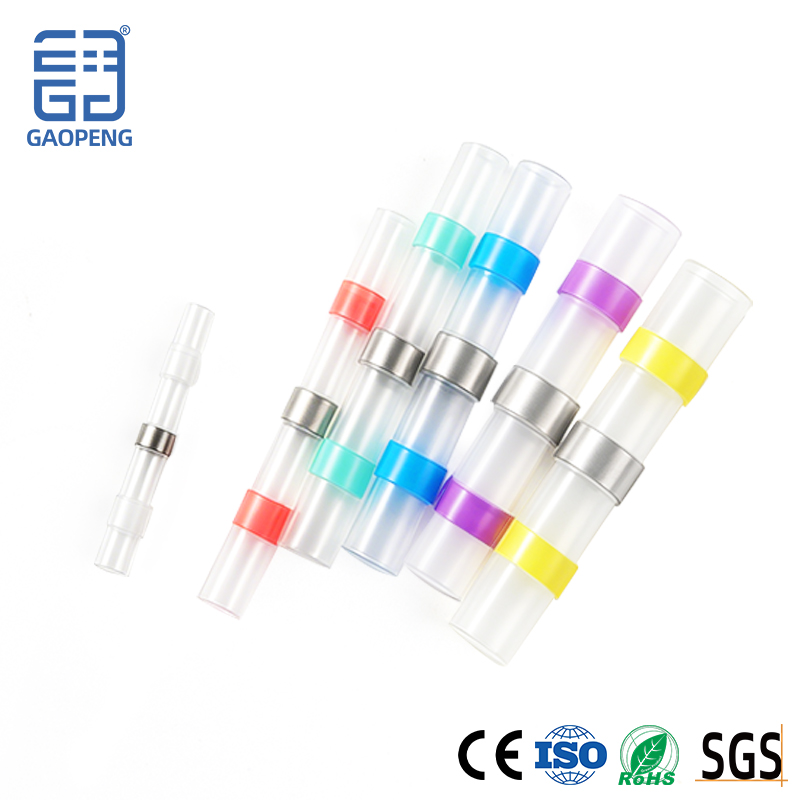
Insulation Handling: For connectors with a separate heat-shrink sleeve or integral adhesive-lined insulation, apply heat evenly using a heat gun. The sleeve should shrink tightly and, if present, the sealant should flow to create a waterproof, dust-proof barrier. Avoid open flames.
-
Post-Installation Check: Perform a firm pull test to verify mechanical security. For critical applications, a go/no-go gauge can verify crimp dimensions, and electrical continuity/resistance tests can be conducted.
Professional Insight from Gaopeng: The crimp on the metal barrel is what ensures electrical performance. The heat-resistant insulation is the protective armor. Both must be correctly applied for the system to succeed. Never crimp over the insulated sleeve.
What Types of Wire Crimp Connectors Are Available?
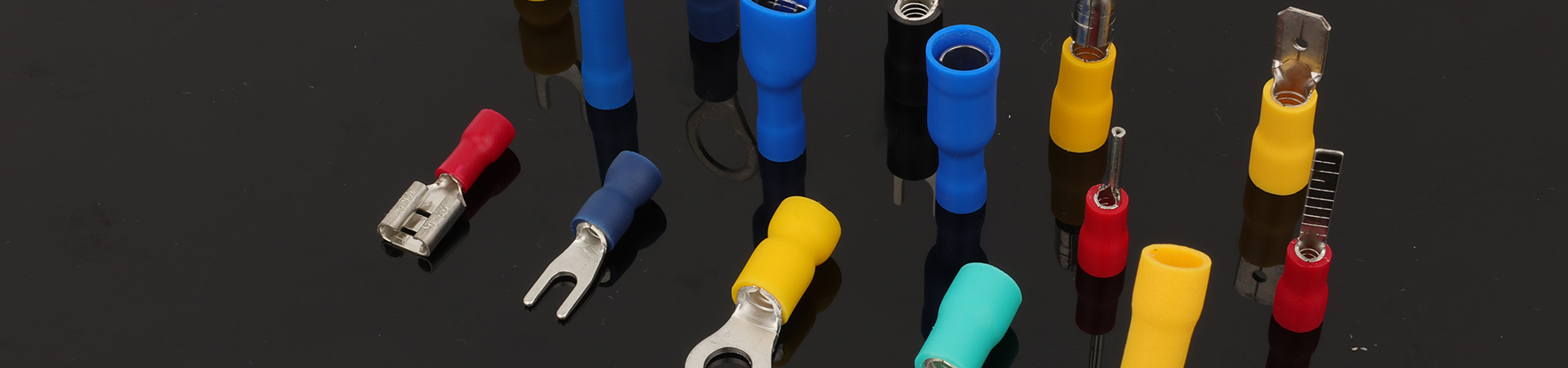
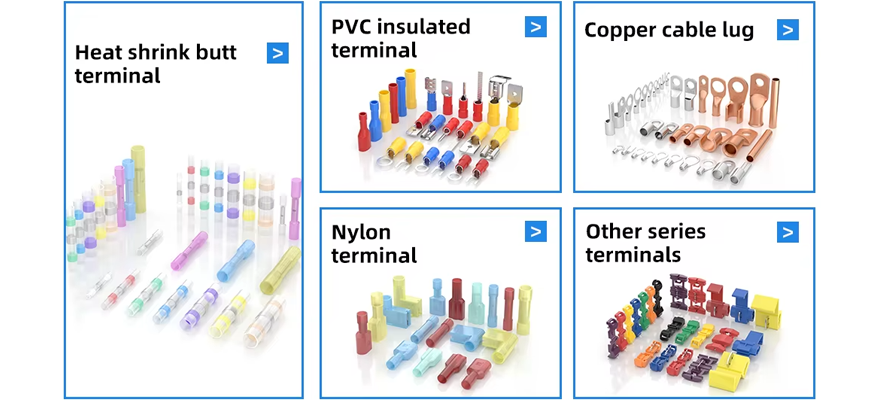
The family of heat-resistant crimp connectors is diverse, designed to meet specific mechanical and electrical requirements. Yueqing Gaopeng Electric offers a comprehensive range, including:
-
Heat-Resistant Ring Terminals: Feature a circular eyelet for secure attachment under a screw or stud. Preferred for permanent, high-vibration, and high-current applications where loosening is unacceptable (e.g., power distribution blocks, battery terminals).
-
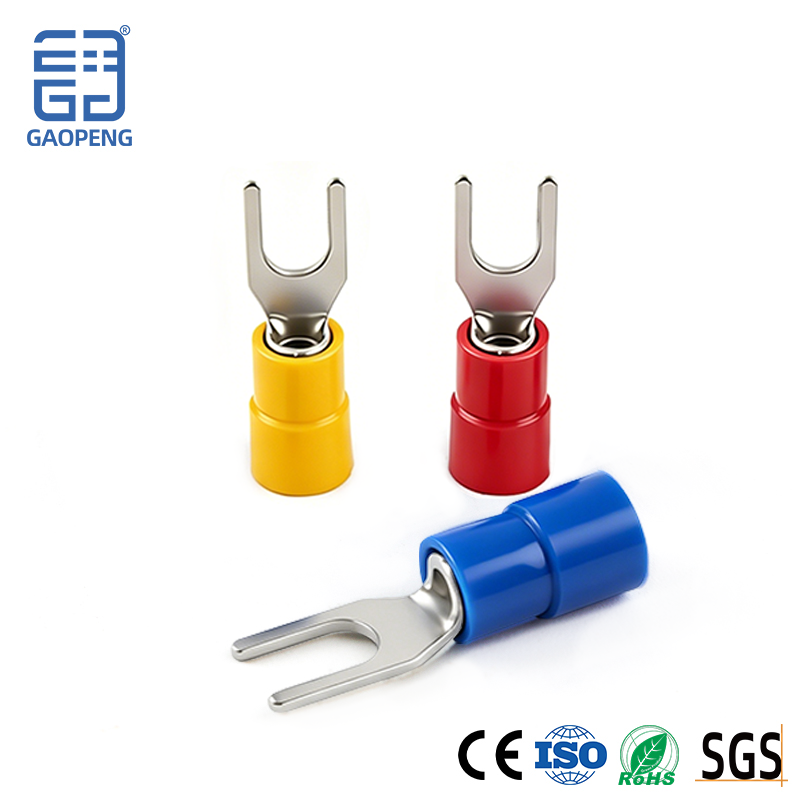
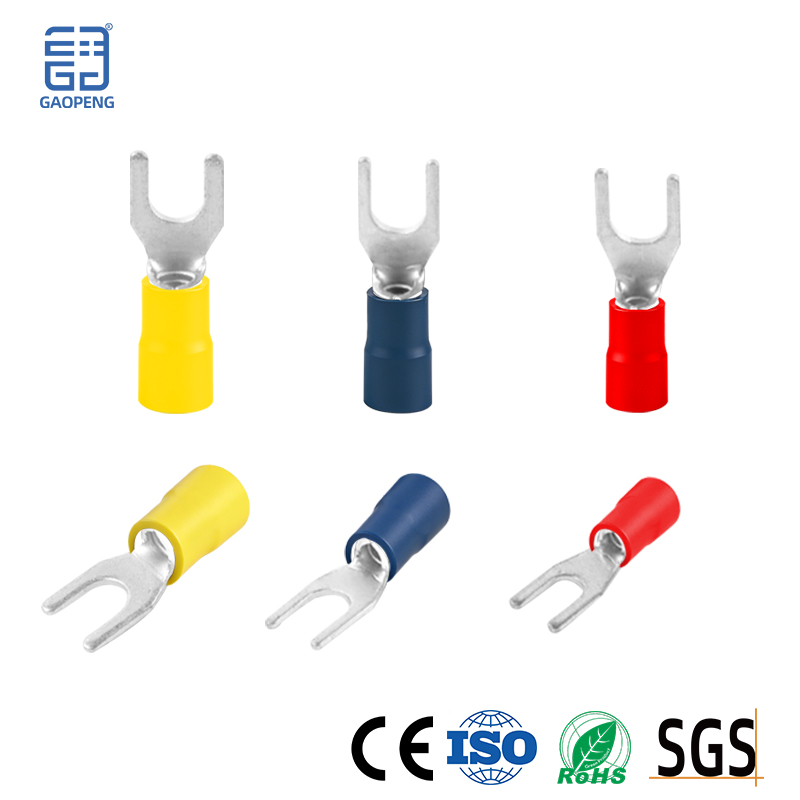
Heat-Resistant Spade (Fork) Terminals: Have a forked tongue that allows for easy connection and disconnection under screw heads without complete removal. Ideal for serviceable connections in control panels or appliance wiring, where space is limited.
-
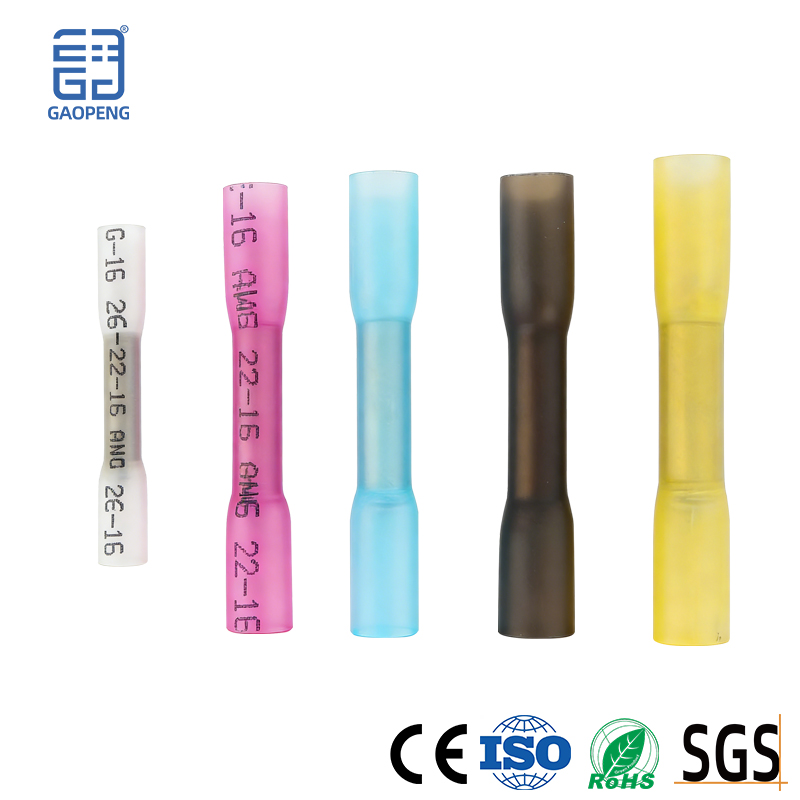
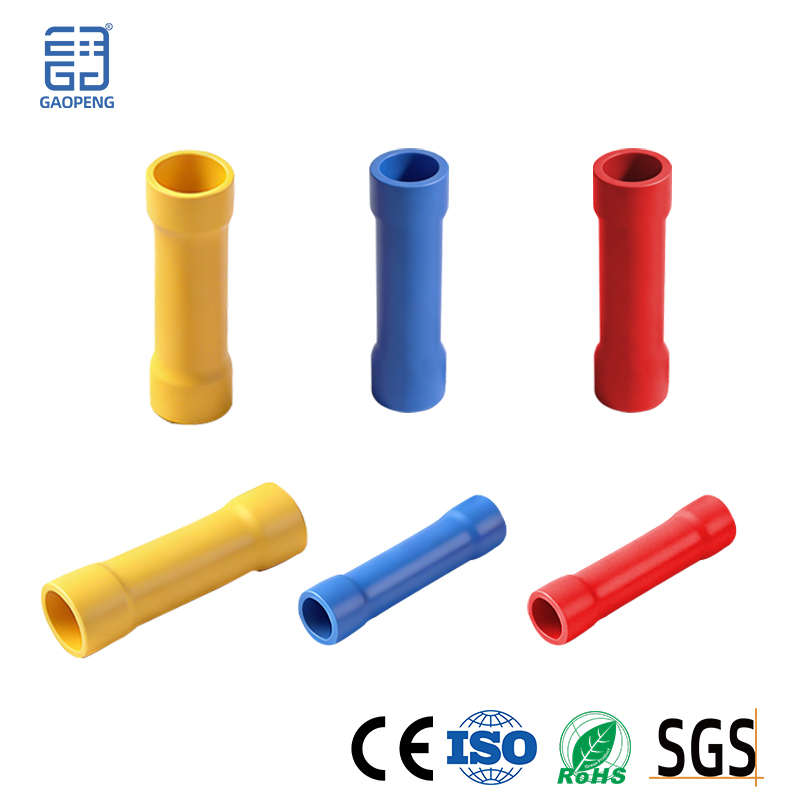
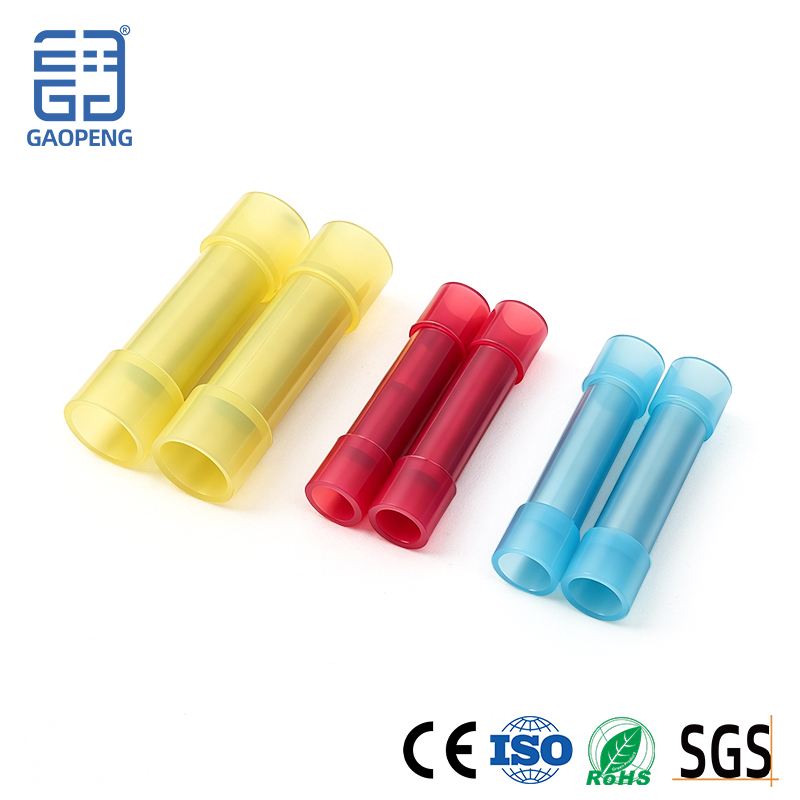
Heat-Resistant Butt Connectors: Used to splice two wires end-to-end in a permanent, insulated joint. Essential for wire extensions or repairs within harnesses located in hot zones.
-
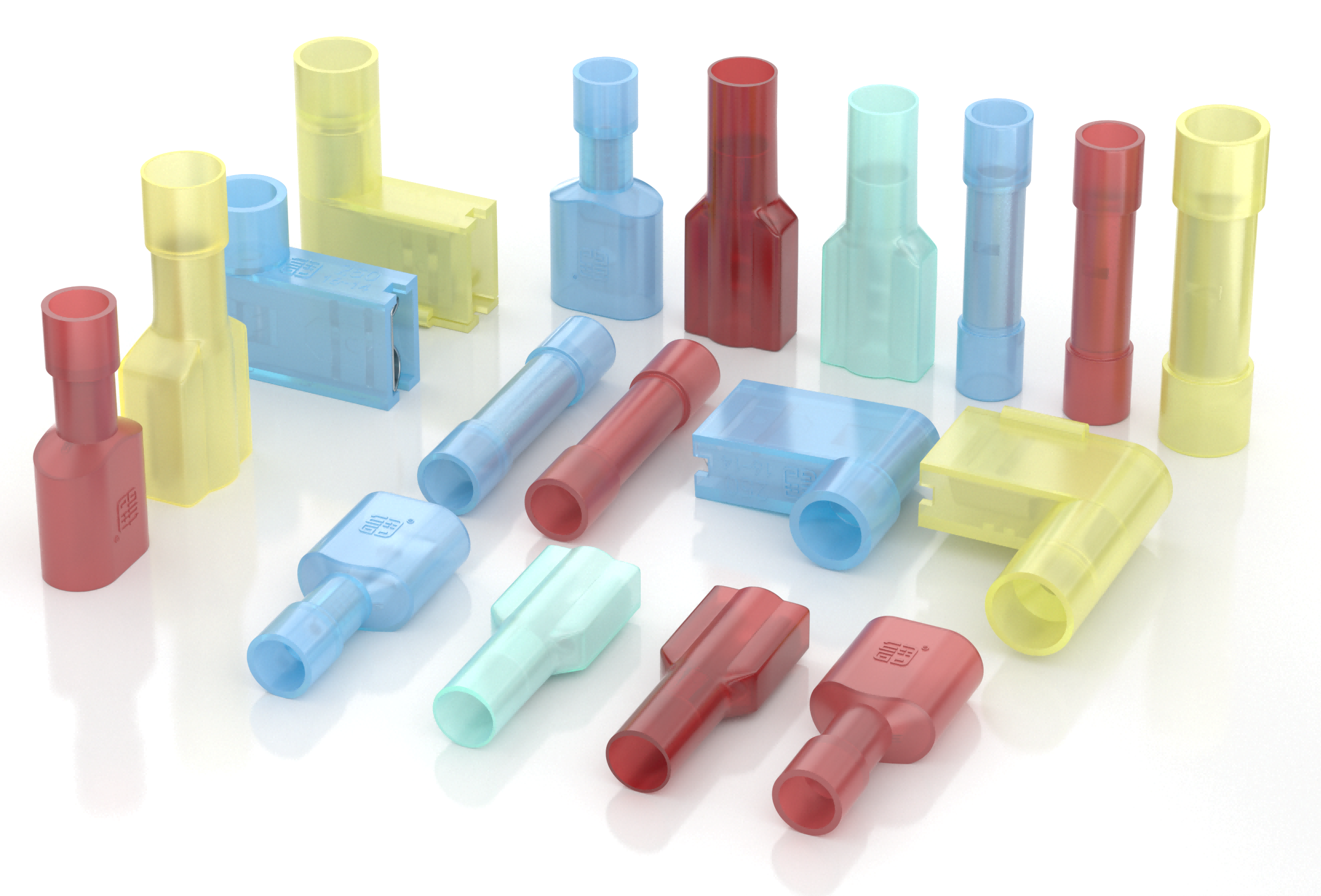
Heat-Resistant Pin & Receptacle Connectors: Male (pin) and female (receptacle) terminals used within modular plug housings for multi-circuit connections in engineered systems like automotive harnesses or industrial controllers.
-
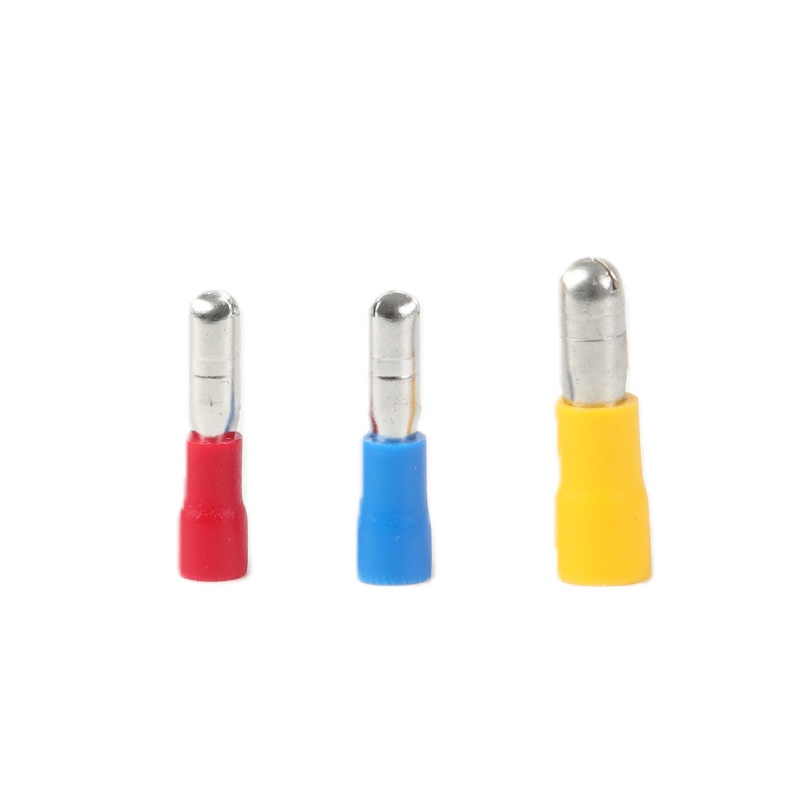
Heat-Resistant Bullet Connectors: Simple male and female push-to-connect terminals, often used in automotive and low-voltage applications where easy mating and unmatting is needed.
-
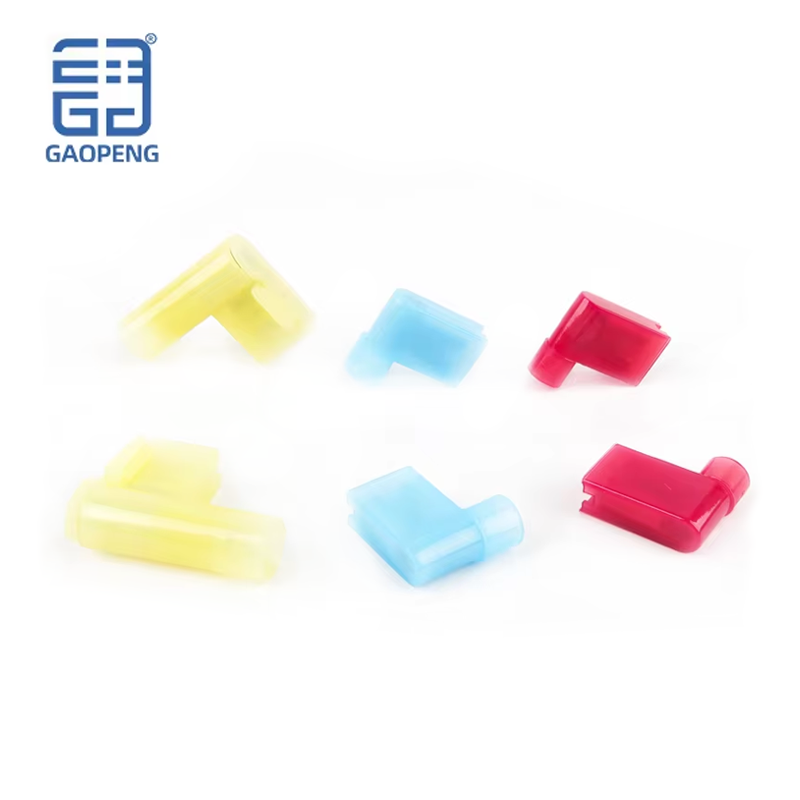
Specialty High-Temp Formats: This includes piggyback connectors (allowing two wires on one stud), flanged terminals for better stability, and terminals with integrated thermal protection or specific colors denoting temperature rating (e.g., yellow for 105°C, blue for 125°C, red for 150°C+).
Material Matters: The heat resistance is achieved through:
-
Insulation: Using polymers like Cross-Linked Polyethylene (XLPE), Silicone Rubber, Polytetrafluoroethylene (PTFE), or Polyimide. These materials retain form and dielectric strength at temperatures ranging from 125°C to over 200°C.
-
Metal Contact: Electrolytic copper for conductivity, often plated with matte tin (excellent for general high-temp), nickel (superior corrosion resistance), or silver (optimal conductivity in very high-temp environments).
Selecting the right type involves matching the connector's form factor, material rating, and performance specifications to the electrical, mechanical, and thermal demands of the specific application.
Conclusion: An Engineered Solution for a Hostile Environment
A connector's heat resistance is not a single feature but a system property—a symphony of metallurgy, polymer science, and precision engineering. It is defined by the intentional selection of stable conductive metals and advanced insulating materials capable of withstanding prolonged thermal stress.
At Yueqing Gaopeng Electric Co., Ltd., we subject our heat-resistant terminals to rigorous testing—including sustained temperature exposure, thermal shock cycling, and humidity resistance—to ensure they meet declared specifications and exceed expectations. In the demanding landscapes of modern industry, the choice of a connector is a fundamental design decision. Choosing a certified heat-resistant solution is the definitive strategy for ensuring unwavering performance where it matters most.