What Makes a Connector Heat Resistant?
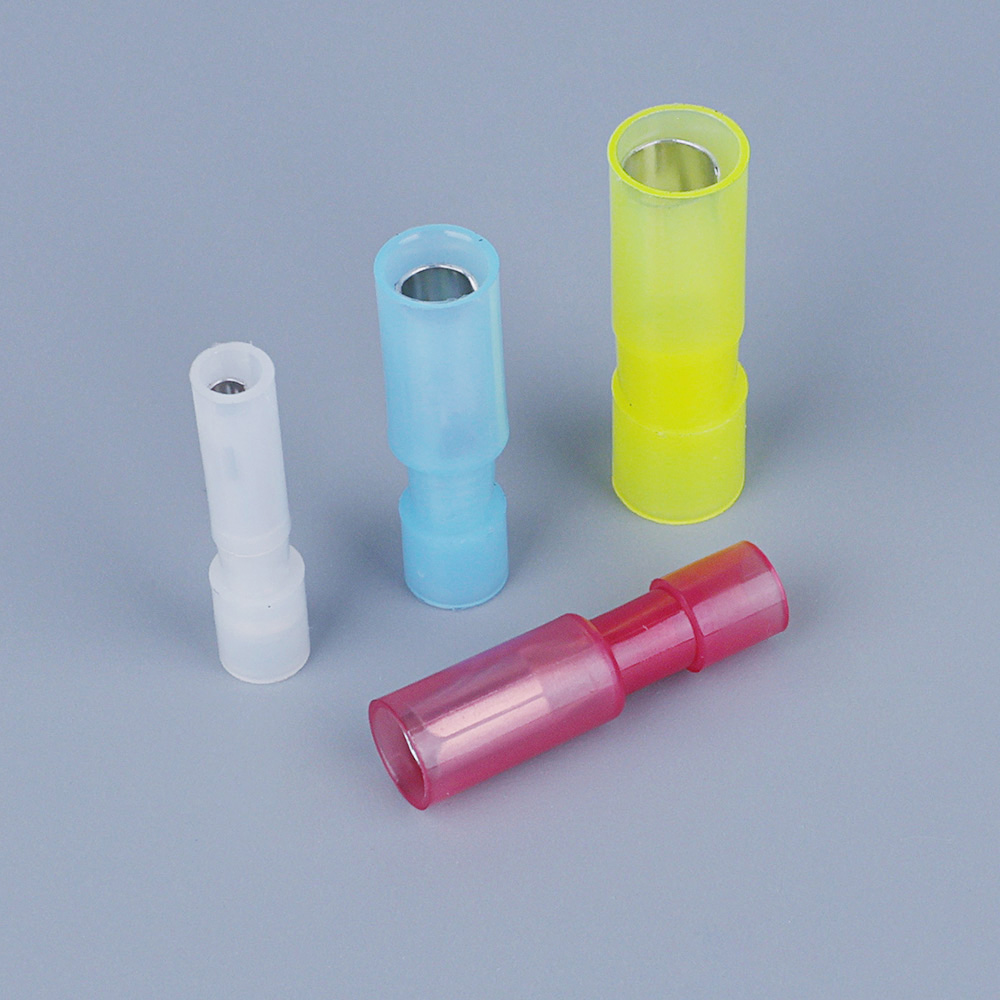
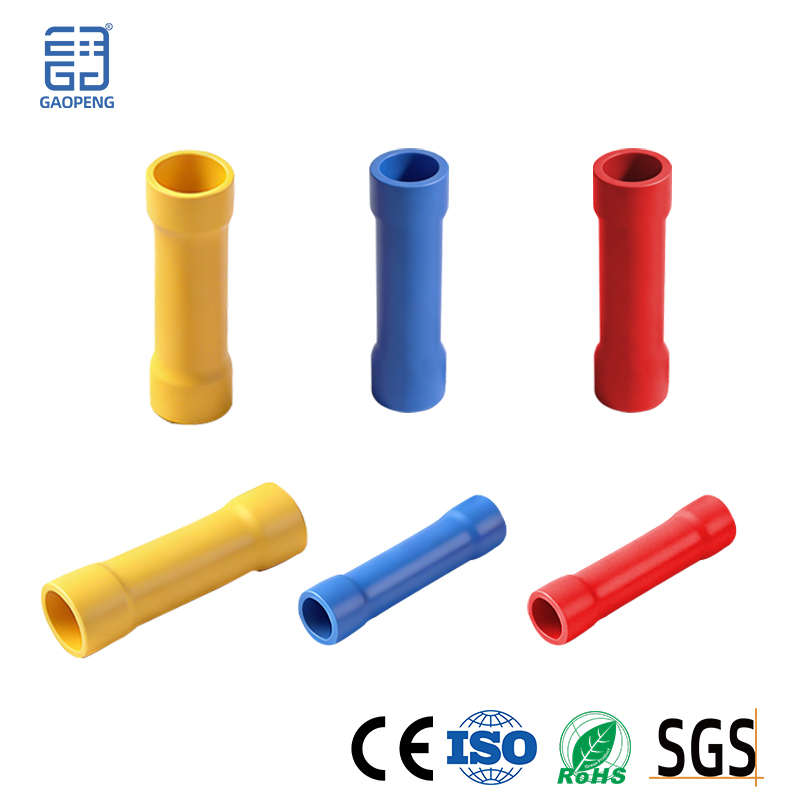
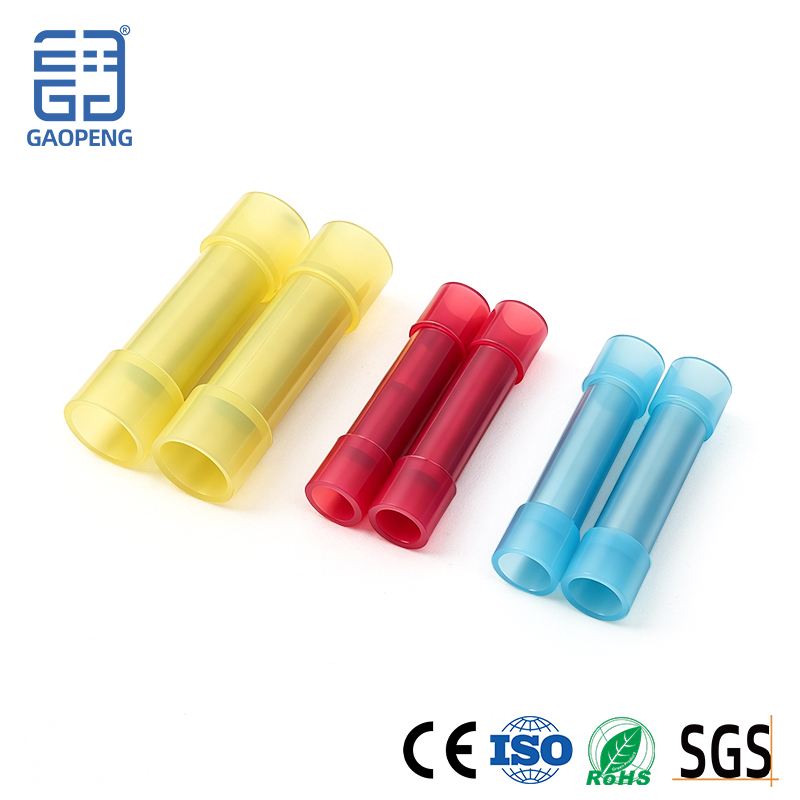
High-temperature resistant insulated connectors are designed using materials that can withstand higher temperatures than ordinary connectors. The metal parts are usually made of copper, brass, or tin-plated alloys, which maintain electrical conductivity under high-temperature stress. The insulation parts are made of special polymers such as nylon, polytetrafluoroethylene (PTFE), or silicone, capable of resisting melting, deformation, and degradation at high temperatures. This combination ensures electrical continuity and mechanical stability under various conditions.
What are the benefits of using heat-resistant insulated connectors?
1. Enhanced Safety and Fire Prevention: This is the primary benefit. Heat-resistant insulation, often made from materials like silicone, fiberglass, or special cross-linked polymers, can withstand high temperatures without melting, degrading, or catching fire. This contains electrical arcs or short circuits within the connector, preventing them from igniting surrounding materials.
2. Superior Reliability in High-Temperature Environments: In applications like automotive engine bays, industrial machinery, appliance internal wiring, and lighting fixtures, temperatures can soar. Standard insulation (like PVC) can melt, become brittle, and crack, exposing live conductors. Heat-resistanT connectors maintain their integrity, ensuring a continuous, safe connection and preventing unexpected failures.
3. Protection from External Heat Sources: Connectors are often routed near hot components like exhaust manifolds, boilers, or ovens. Heat-resistant insulation acts as a protective barrier, preventing the external heat from damaging the internal metal terminal and the wire crimp, which could otherwise lead to a rise in resistance and potential failure.
4. Prevention of Insulation Shrinkback: When subjected to heat, some insulating materials can shrink back from the metal terminal, exposing the bare wire. Heat-resistant materials are specifically engineered to resist this, maintaining full coverage and preventing accidental short circuits.
5. Improved Mechanical Durability: The materials used for heat resistance often have excellent flexibility and resistance to chemicals, oils, and abrasion. This makes the overall connection point more robust, capable of withstanding harsh conditions beyond just high heat, such as in industrial or automotive applications.