




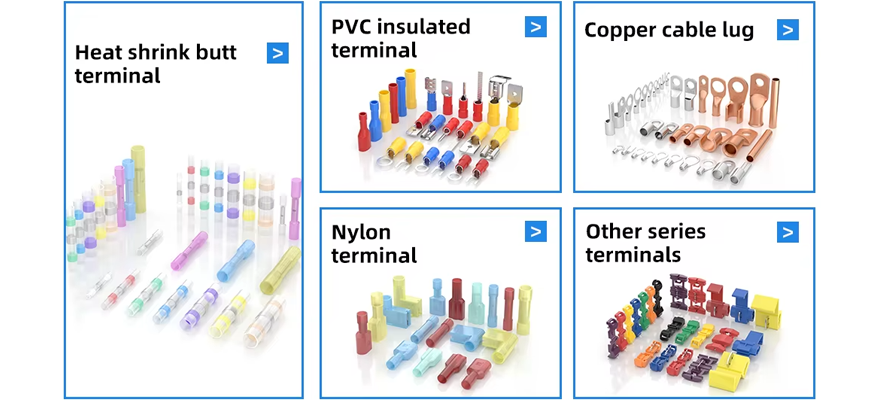
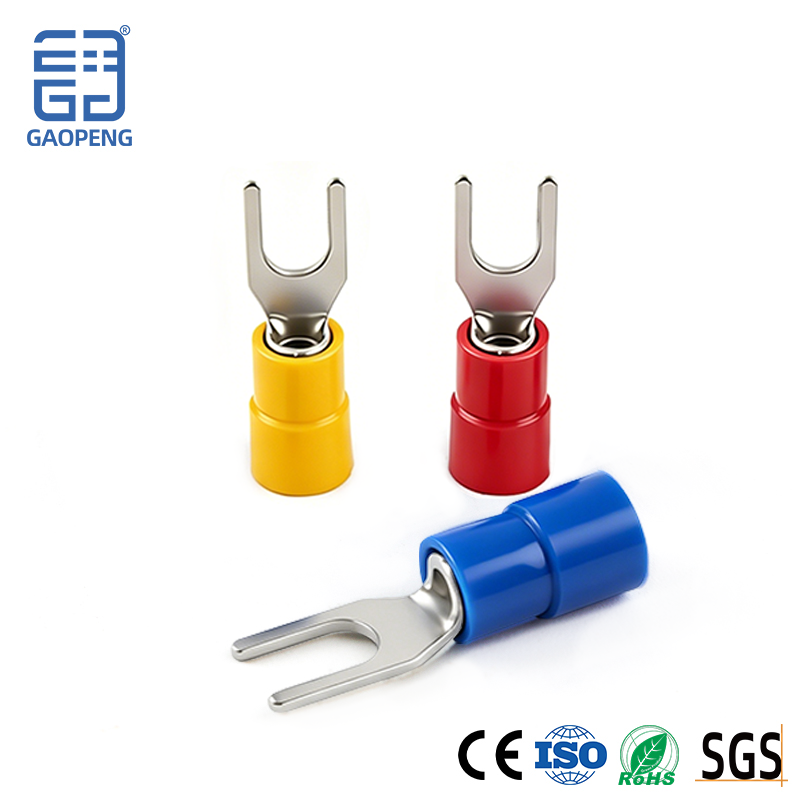
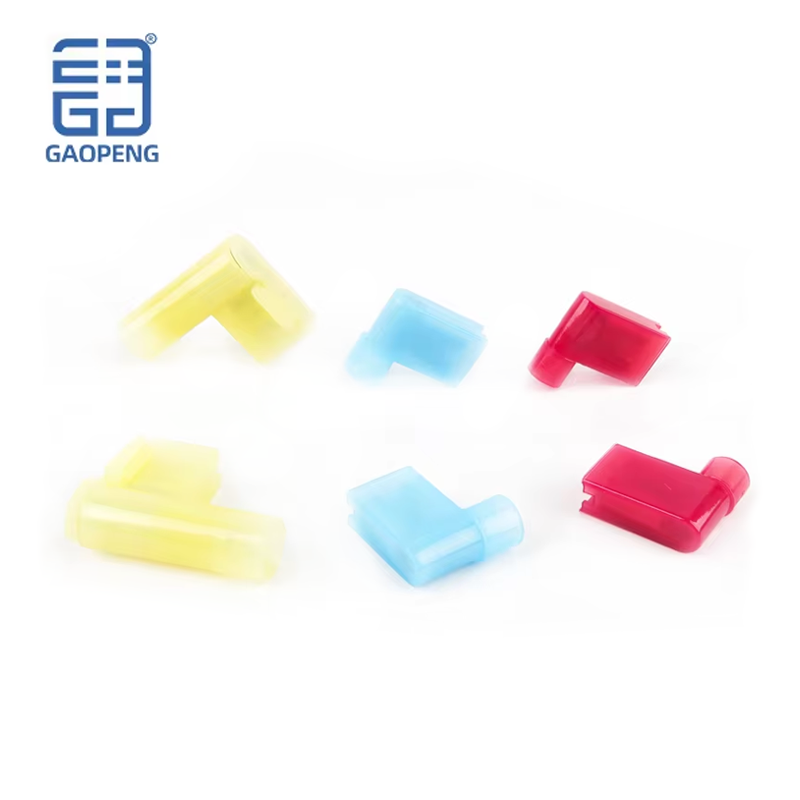
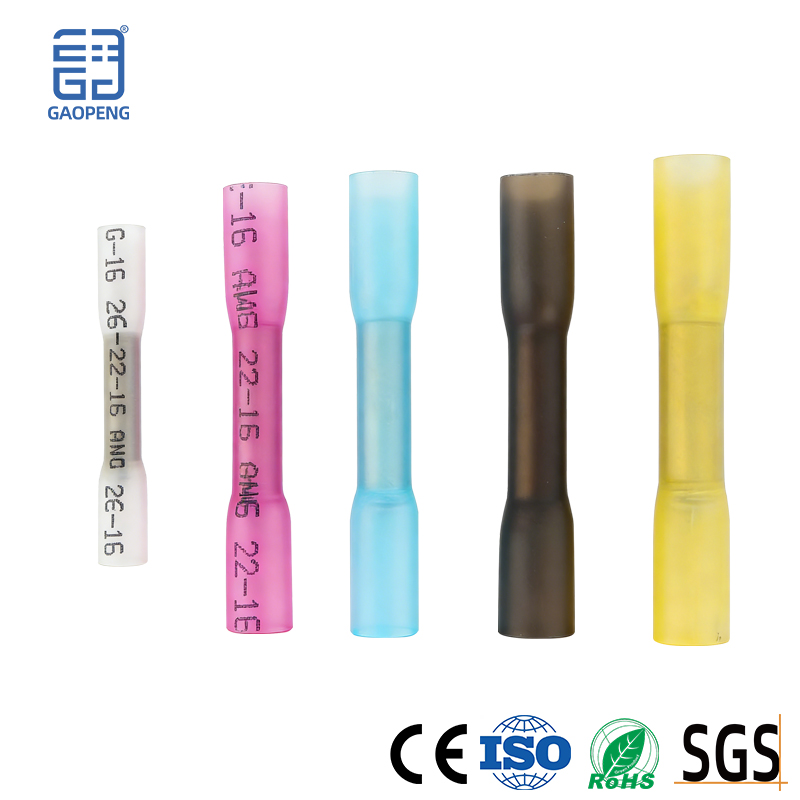

What scenarios are connector joints used in?
Due to the complexity of modern electronic devices and industrial systems, connectors have also developed various forms to adapt to different application scenarios. Below are some major application areas and specific examples:
Industrial manufacturing and control, with main scenarios/equipment being industrial manufacturing and control, industrial robots, servo motors, machine tools, automated production lines, and wind power equipment. The core role and characteristics are to ensure stable transmission of power and signals in harsh environments such as vibration, oil, and dust, often with high protection levels (such as IP67 waterproof and dustproof).
Automobiles and new energy, high-voltage wiring harnesses for new energy vehicles, energy storage equipment, battery management systems, as well as bearing high voltage and large currents, enable fast and safe connections. Some quick-connect designs can replace traditional bolts, significantly simplifying assembly.
Communication and data centers, communication base stations, server cabinets, data center liquid cooling systems, fiber optic networks. It also ensures the integrity of high-speed signal transmission, as well as 'zero leakage' and high reliability of liquid cooling pipeline connections, supporting modular rapid deployment and maintenance.
Instruments and meters in medical care, medical equipment, and precision measuring instruments (such as pressure and temperature sensors). They transmit high-precision, weak analog signals and require extremely low contact resistance and signal loss to prevent the risk of leakage.
Aerospace and defense, military communication systems, spacecraft ground equipment, etc. Adapted to extreme temperatures, strong vibrations, high vacuum, and other harsh environments, with extremely high reliability and environmental adaptability.
Positions that require frequent plugging and unplugging
Such as connections between devices and power/signal cables (chargers, USB drives, headphone jacks), no soldering or rewiring is needed during maintenance and disassembly.
Modular and expandable design
Sensors/actuators in industrial automation, backplane connections in server cabinets, cascading modules of LED splicing screens, supporting plug-and-play and flexible configuration.
Reliable connections in harsh environments
Automotive wiring harnesses (waterproof and vibration-resistant), aerospace (high and low temperature-resistant and lightweight), outdoor LED lighting (IP68 Waterproof connectors), resistant to vibration and corrosion through special structures.
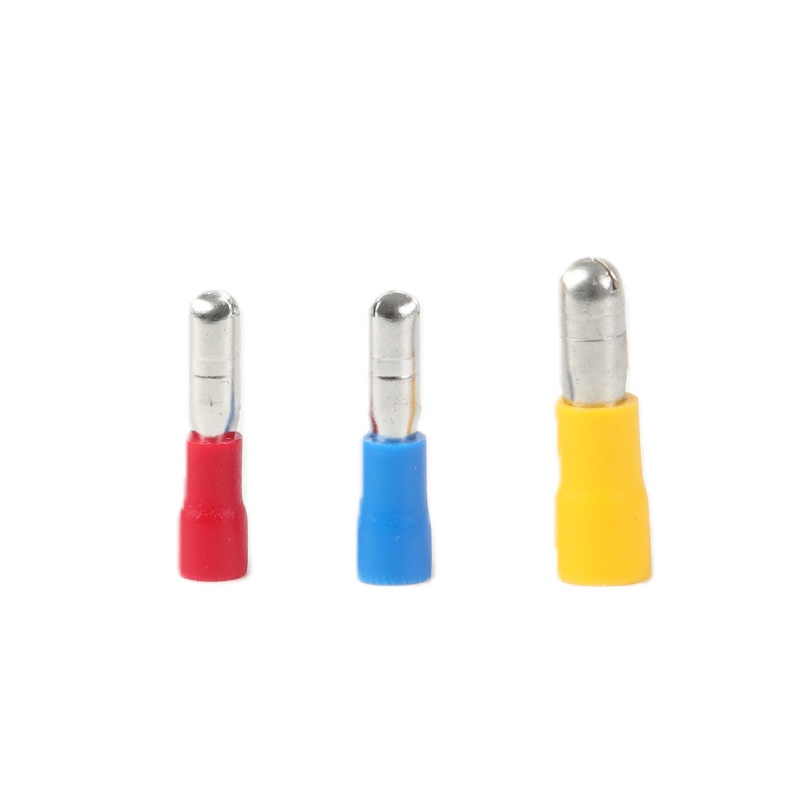
Besides that, connectors are also quite commonly used in everyday life. For example, the ribbon cables and power interfaces inside computers, power plugs of household appliances, charging guns for electric vehicles, and even network cable interfaces essentially all fall under the category of connectors. Their value lies in simplifying the assembly of electronic products, making maintenance and upgrades more convenient, and enabling modular design.
In summary, connectors are everywhere. Their existence allows complex electronic and electrical systems to achieve modular design, not only simplifying production and assembly but also making fault repair easy—simply unplug the old one and plug in the new one.