

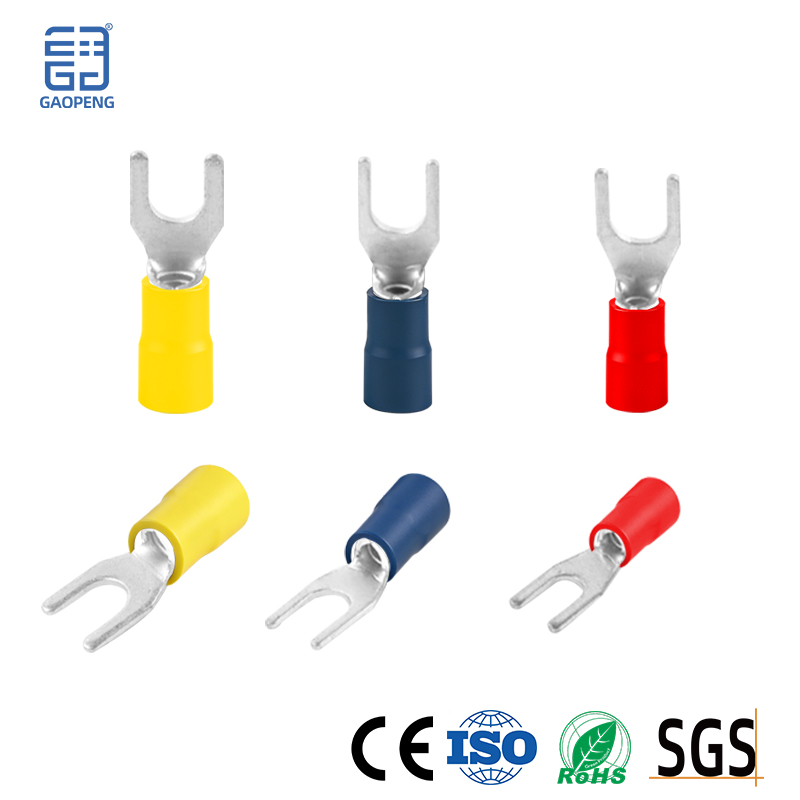
Why Are Insulated Ferrules Terminals Becoming a Key Focus in Global Wiring Solutions?
1. Electrical safety and protection against electric shock
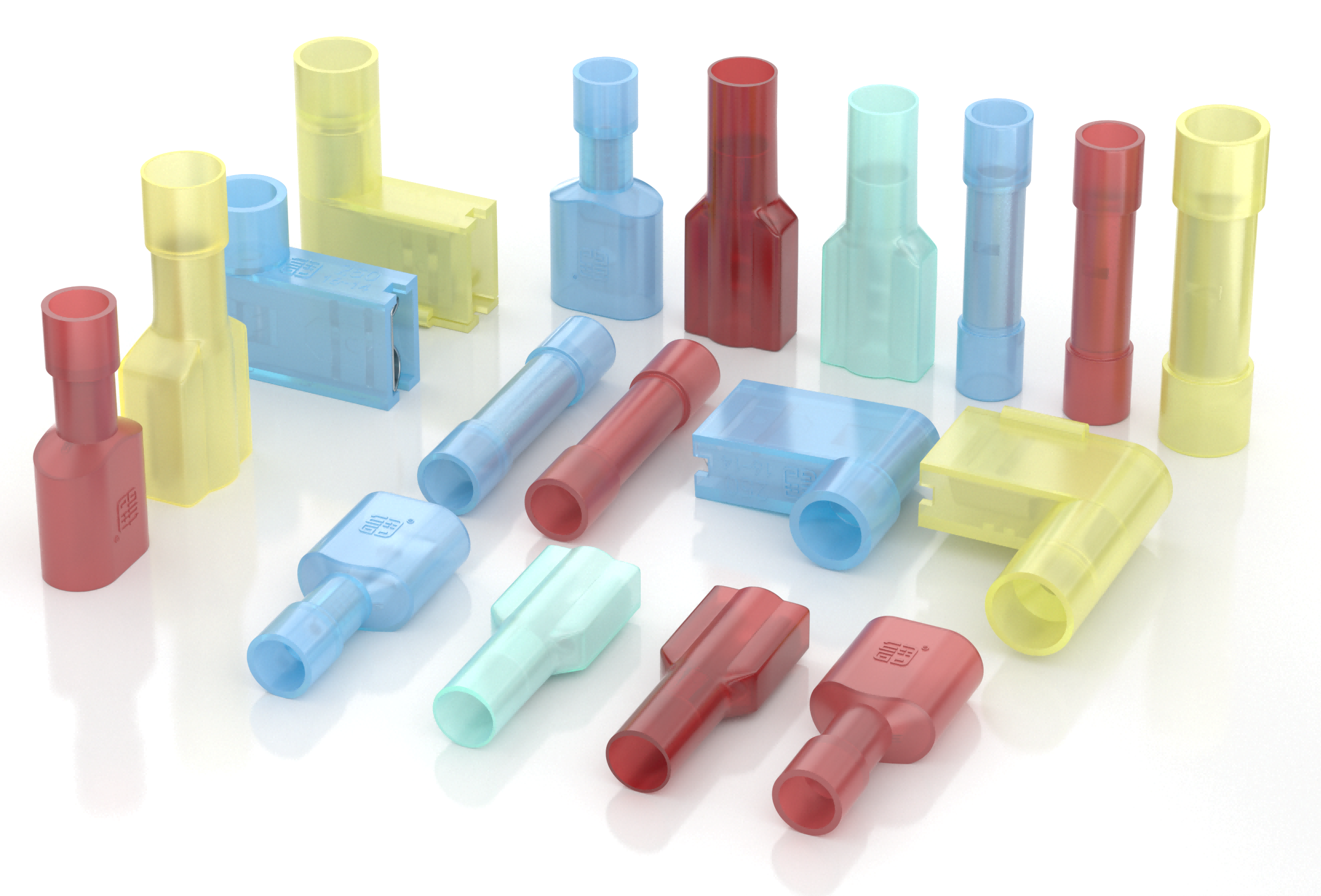
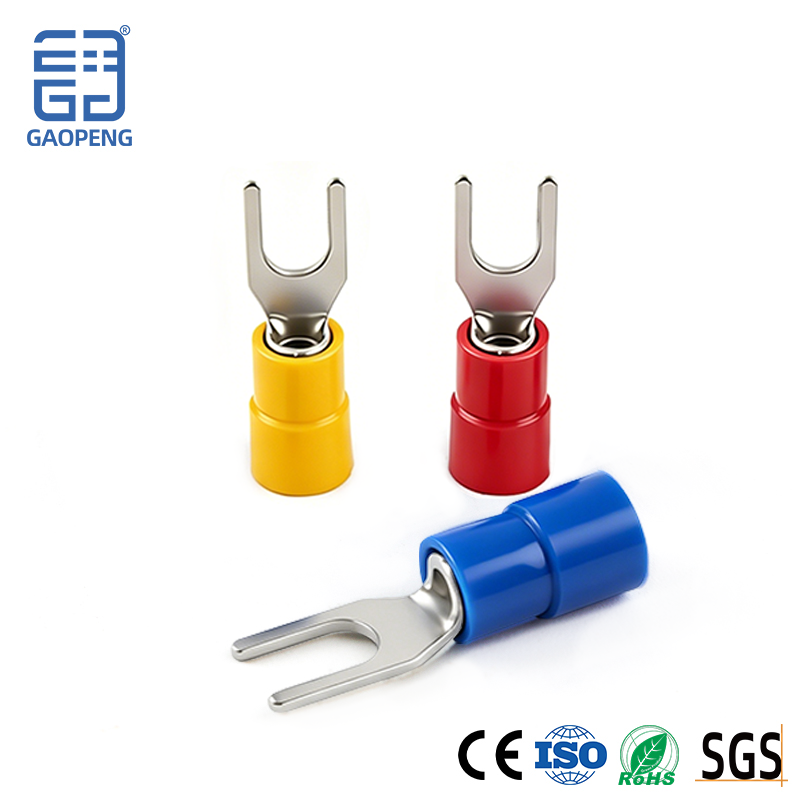
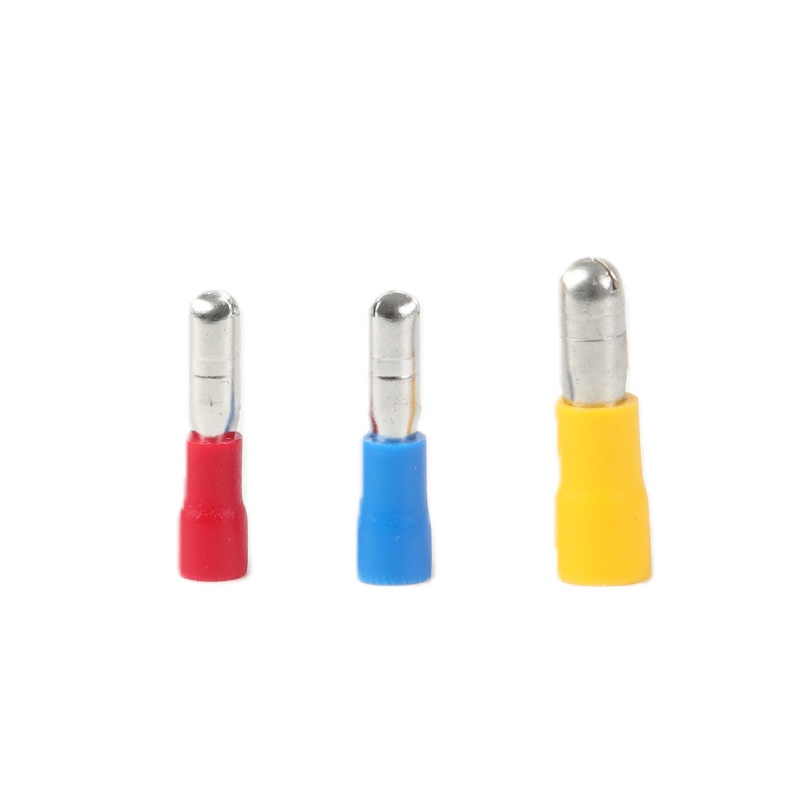
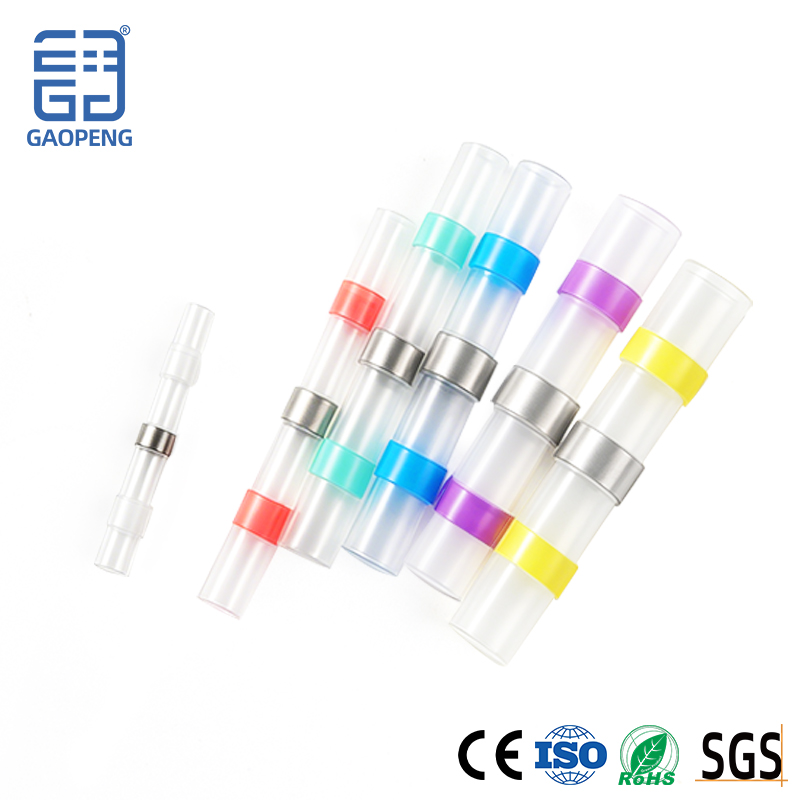
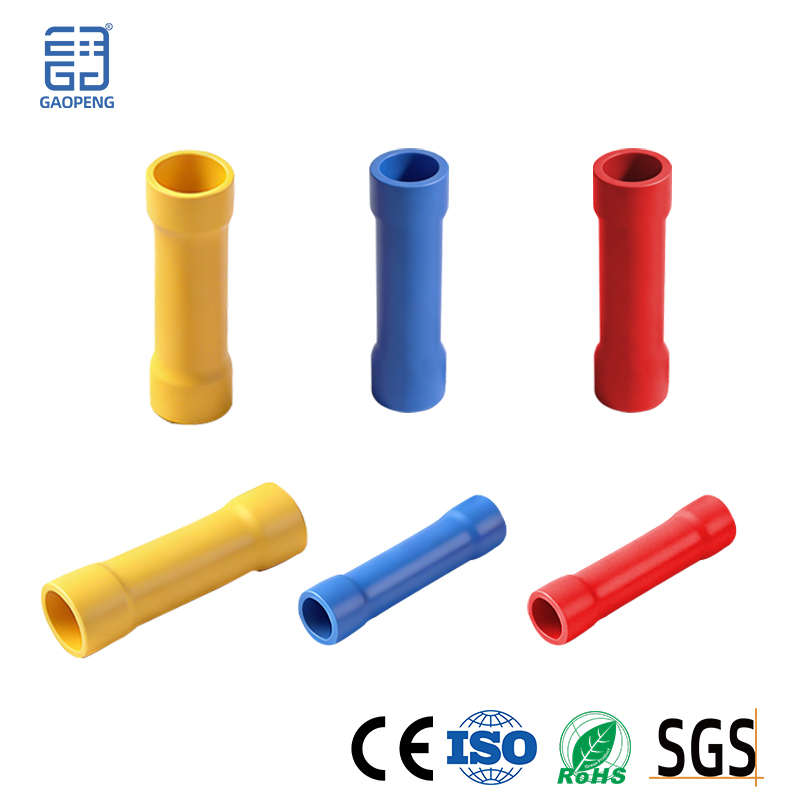
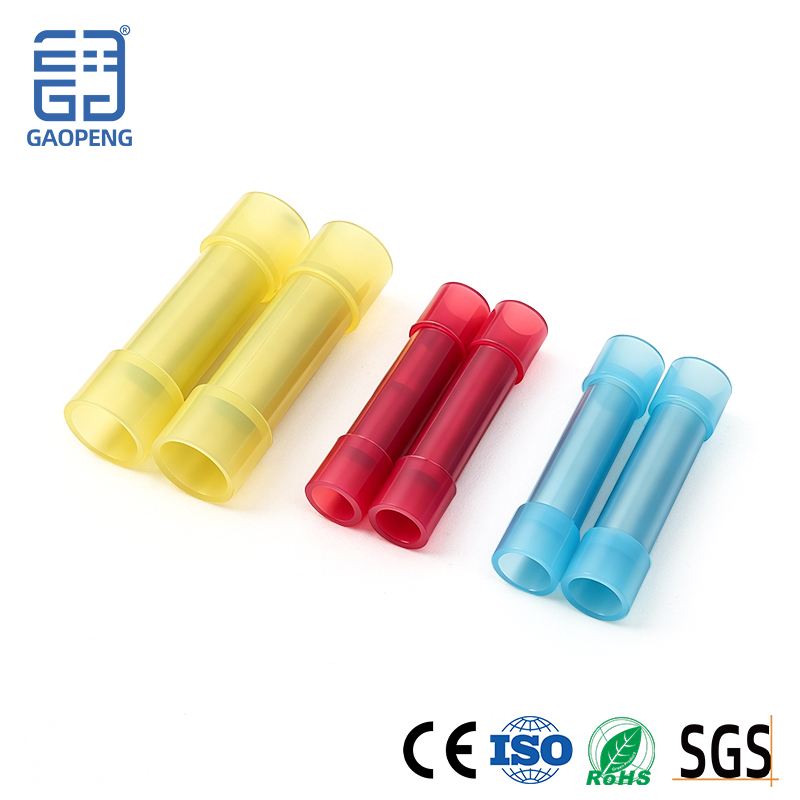
Insulated Terminals prevent the risk of electric shock caused by accidental contact with personnel by isolating live conductors, and also avoid short circuits between different conductors.
In high-voltage or complex electrical environments, the quality of insulation materials directly affects fire risk and equipment safety.
2. System reliability and durability
High-quality insulation materials (e.g., thermoplastics, silicone, etc.) can withstand high temperatures, moisture, chemical corrosion, or mechanical stress, adapting to diverse international installation environments (e.g., extreme climates, industrial sites).
Degradation of insulation performance can lead to signal interference, energy loss, or connection failure, affecting the stability of critical infrastructure such as data centers and communication networks.
3. International standards and compliance requirements
The International Electrotechnical Commission (IEC), the International Organization for Standardization (ISO) and regional standards (such as CE certification in the European Union and UL standards in the United States) have strict regulations on the fire resistance level, environmental protection (such as RoHS), and electrical performance of insulation materials.
Compliant insulated terminals are a prerequisite for product export and bidding for multinational projects, especially in the fields of construction, energy, and transportation.
4. Signal integrity and anti-interference ability
In communication or control lines, insulated terminals reduce electromagnetic interference (EMI) and radio frequency interference (RFI) to ensure accurate data transmission (e.g., 5G networks, industrial automation).
Precision electronics have higher requirements for the dielectric constant and loss factor of insulation to maintain signal quality.
5. Installation efficiency and maintenance costs
Modular insulated terminal designs (such as spring connection, insulation puncture technology) simplify the wiring process, reduce installation error rates, and meet international engineering requirements for efficiency.
Good insulation reduces maintenance frequency and long-term O&M costs, especially for overseas projects.
6. Adapt to global application scenarios
Voltage levels, grid specifications, and environmental conditions vary from country to country, and insulated terminals need to have a wide range of adaptability (e.g., moisture and dust protection IP ratings).
The rapid development of new energy fields (such as photovoltaics and energy storage systems) has posed new challenges to DC high-voltage insulation and promoted technological innovation.
7. Environmental and sustainability trends
International environmental regulations (such as REACH) restrict the use of hazardous substances (such as halogens) in insulation materials, driving the research and development of green terminals.
Recyclable materials or long-life designs help reduce e-waste, aligning with global sustainability goals.