



Why choosing the right electrical terminal can improve safety and efficiency!
1. Improve security: The core is to reduce risks
Electrical accidents often stem from heating, ignition, loosening, or corrosion, and the right terminals can address these issues.
Prevent overheating and fire: Inferior or mismatched terminals have high contact resistance, and when large currents pass through, they will generate abnormal heat, which may burn the terminals or even cause fires in the long run. The high-quality terminals are made of highly conductive copper and tin/silver plated, combined with a precision crimping process, which can minimize contact resistance and eliminate heat generation from the source.
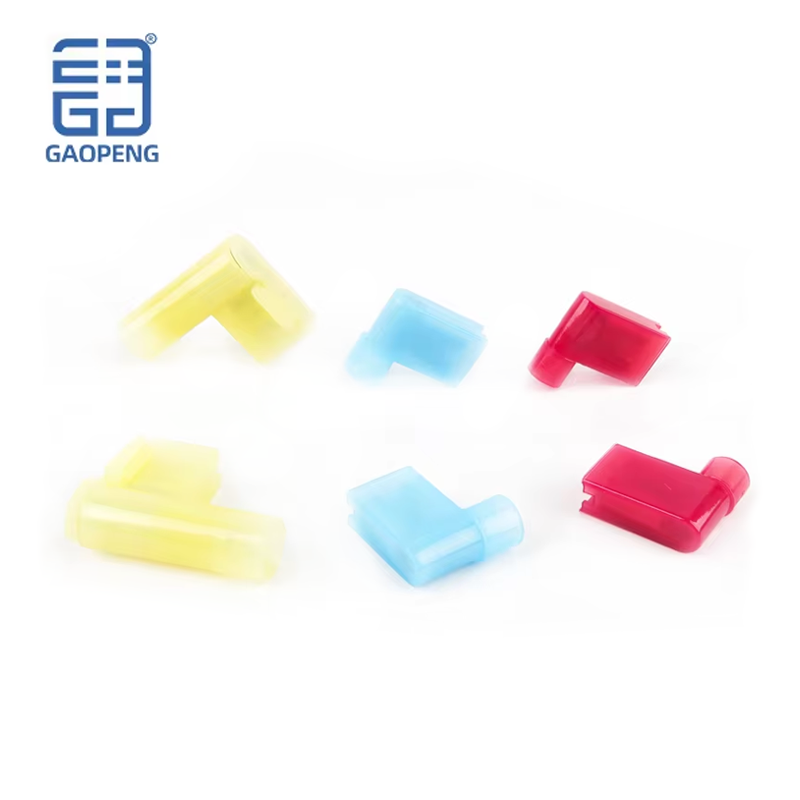
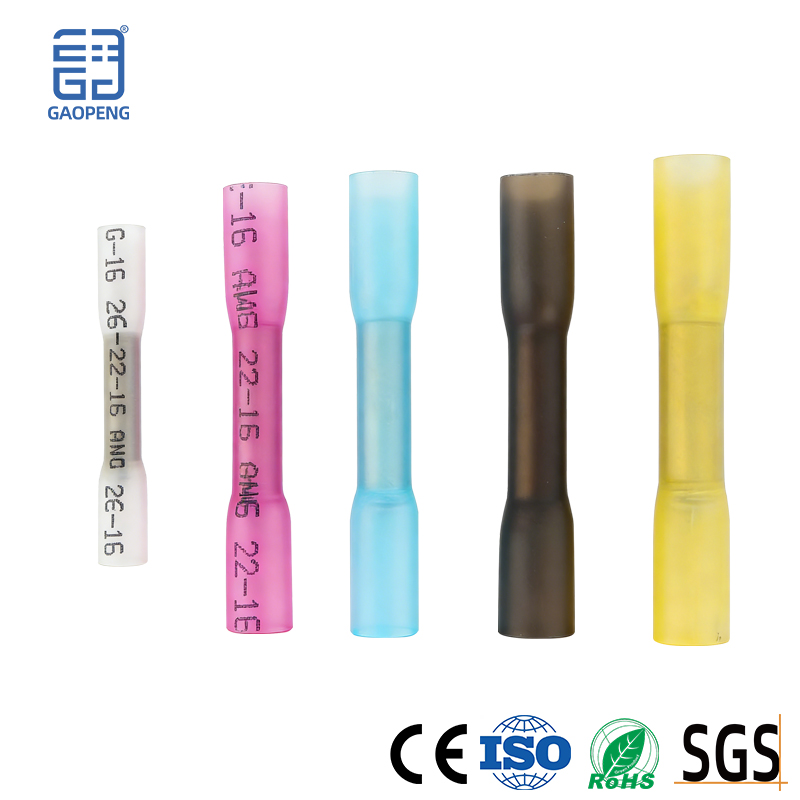
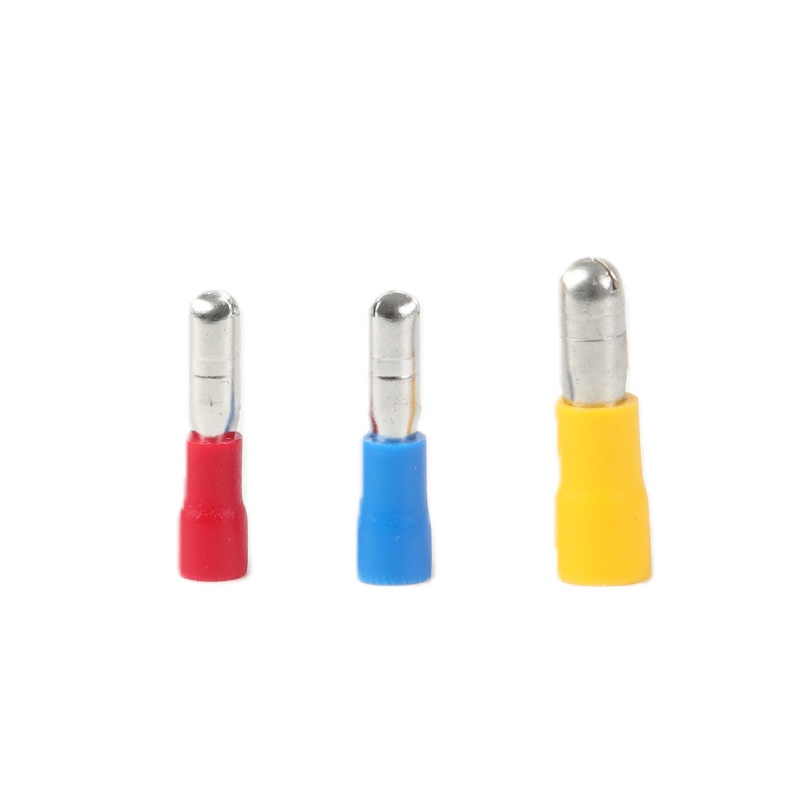
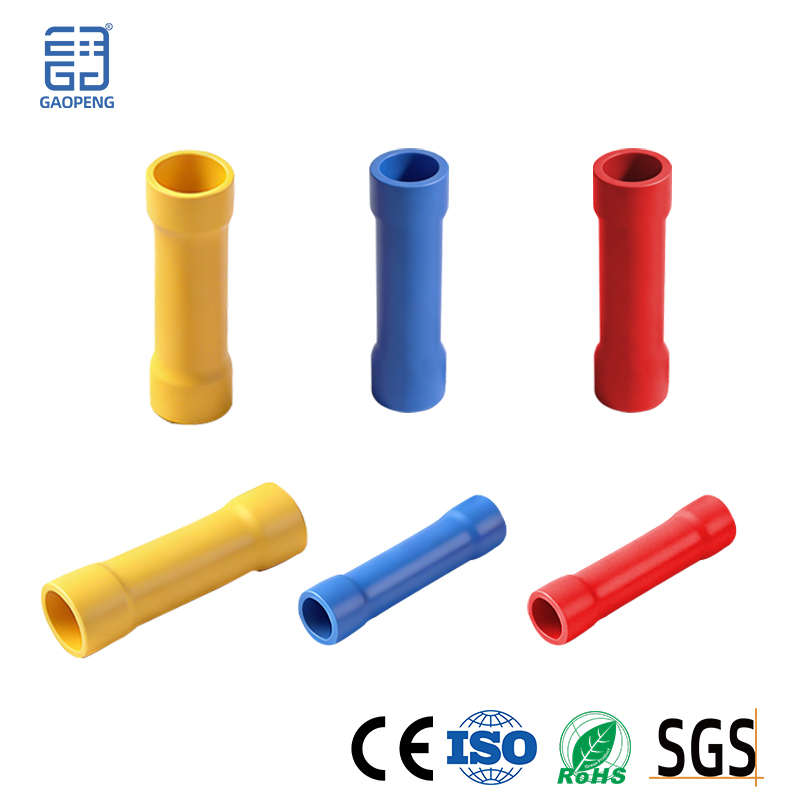
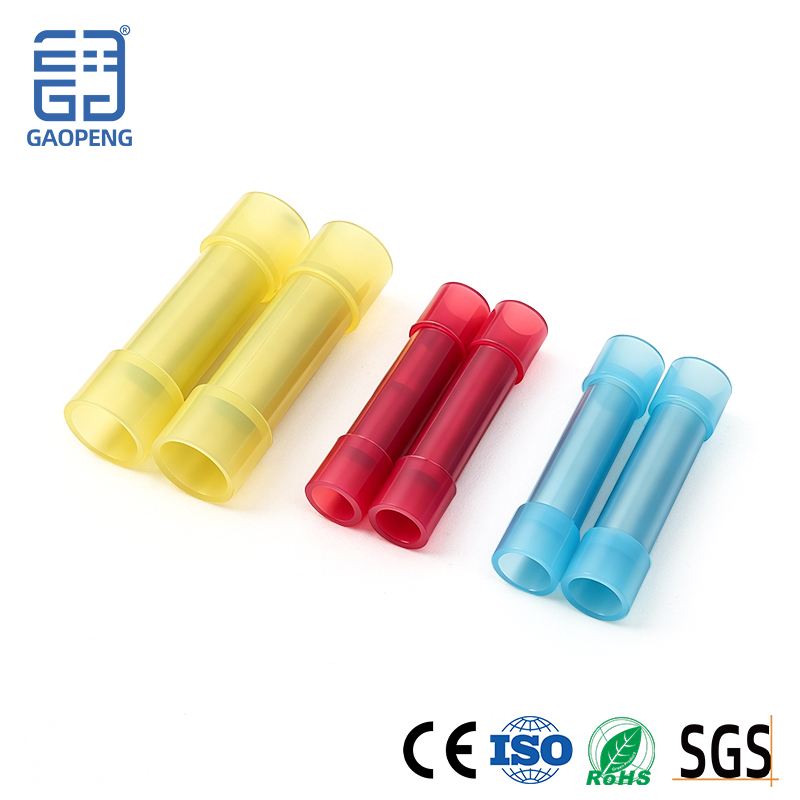
Avoid arcing and short circuits: Exposed wires or loose terminals are prone to electrical sparks (arcing), which can break down insulation and damage equipment. Terminals with insulating sheaths (such as nylon fully Insulated Terminals) prevent short circuits at adjacent terminals; Terminals with a non-slip design (such as flange bolt type) resist vibration loosening and avoid instantaneous arcing caused by shedding.
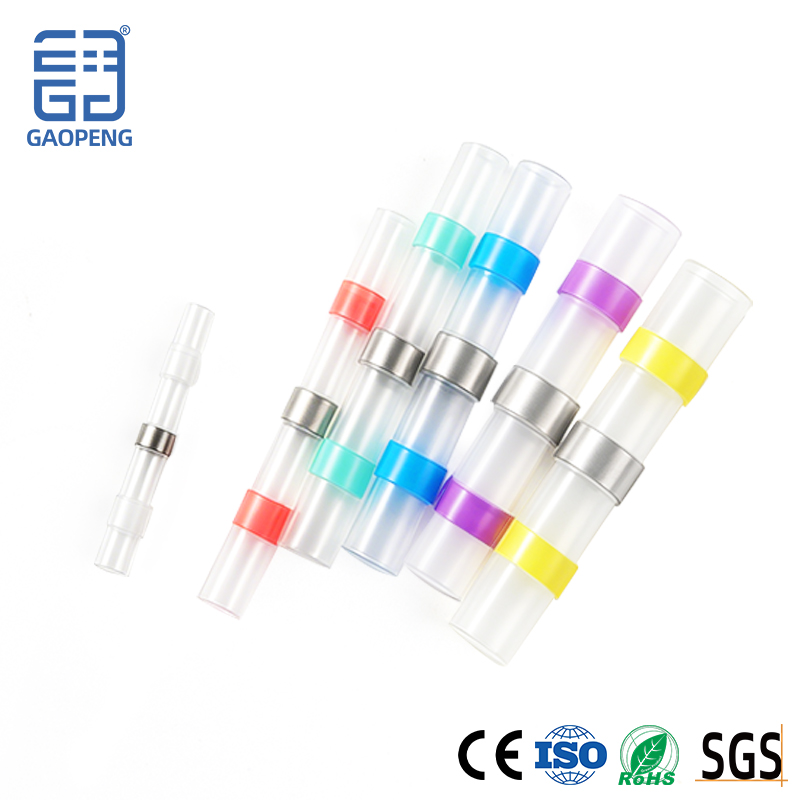
Improved environmental resistance: In wet, salt spray, or corrosive environments, copper wires can oxidize and turn black, resulting in poor contact. Tin-plated, nickel-plated or stainless steel terminals are effective in resisting corrosion; Waterproof terminals (with rubber ring or glue) keep moisture out and ensure long-term reliability.
Standardized construction and elimination of human error: direct winding wire connection, tightness and number of turns are all based on experience, extremely unreliable. When using terminals, simply crimp to specification (e.g., ratchet crimpers) to achieve consistent, controllable connection strength and avoid false connections.
2. Improve efficiency: reflected in the whole life cycle
Efficiency here is not only about the speed of installation, but also about the ease of maintenance, diagnostics and retrofits.
High installation and wiring efficiency: Modern terminals are often designed as pluggable (e.g. 2.54mm pitch connectors) or cage spring clamps (no screws required, just plug it in). Especially in multi-core wiring harness scenarios (e.g. distribution cabinets), the efficiency of using terminal strips or quick couplings is several times higher than manual winding.
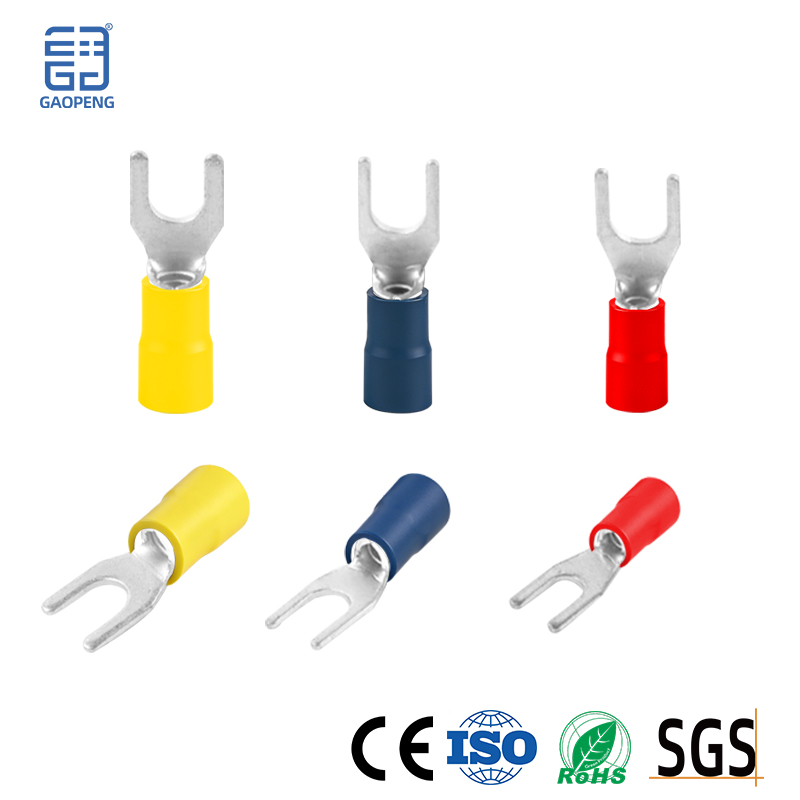
High inspection and maintenance efficiency: The specification terminal usually has a test hole, and the multimeter pen can non-destructively probe the voltage and current. The terminal color and logo are also convenient for quick identification of the line (e.g. yellow-green is specially used for ground wires). Compared with stripping troubleshooting, maintenance time can be reduced by more than 50%.
High efficiency in retrofitting and expansion: Modular terminal strips support jump tabs or short lugs, allowing multiple circuits to be connected in parallel without additional wiring. When replacing the equipment, unscrew the terminals and pull them out without damaging the wires. If the winding method is adopted, the wire must be cut and peeled again every time it is dismantled, and the wire will become shorter and shorter.
Reduce downtime and improve overall efficiency: Faults such as poor contact and heat generation caused by incorrect terminal selection often require power-off troubleshooting. The right terminals can significantly reduce these failure rates and reduce unplanned downtime, which is a key indicator of plant efficiency.