
Why Choosing the Right Electrical Terminal Can Improve Safety and Efficiency!
Improve Safety (The core is to prevent faults and hazards)
1. Prevent Loose Connections (the most critical hidden risk)
Problem: The resistance at a loose connection can increase sharply, creating abnormally high temperatures when current passes through (Joule's law: Heat = Current² × Resistance).
Consequences: At a minimum, it can burn terminals and insulation, causing equipment failure; at worst, it can lead to fire. Loose wires may also come off due to vibration, causing sudden power loss or short circuits.
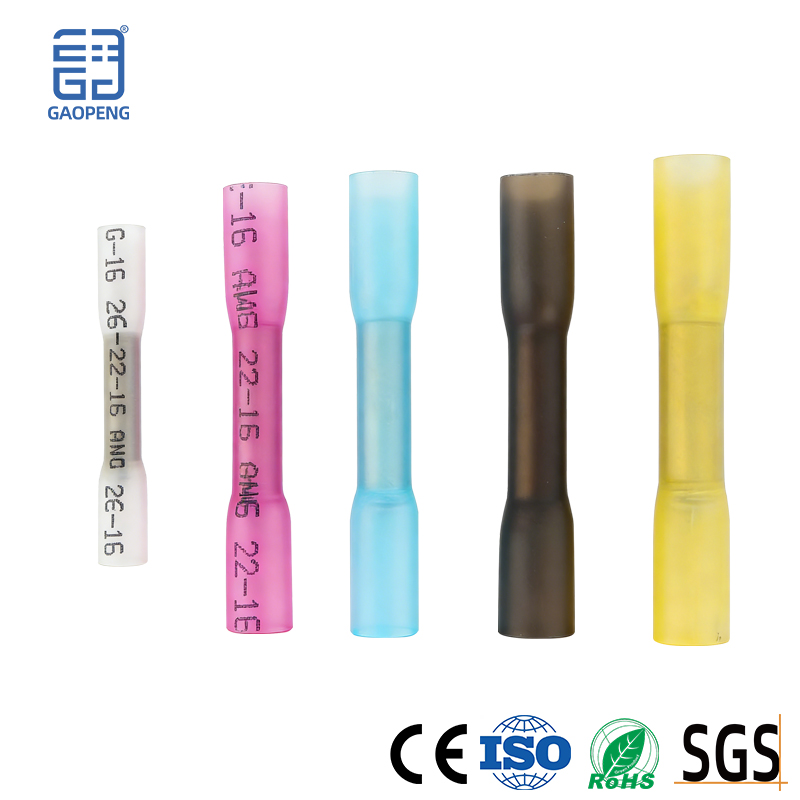
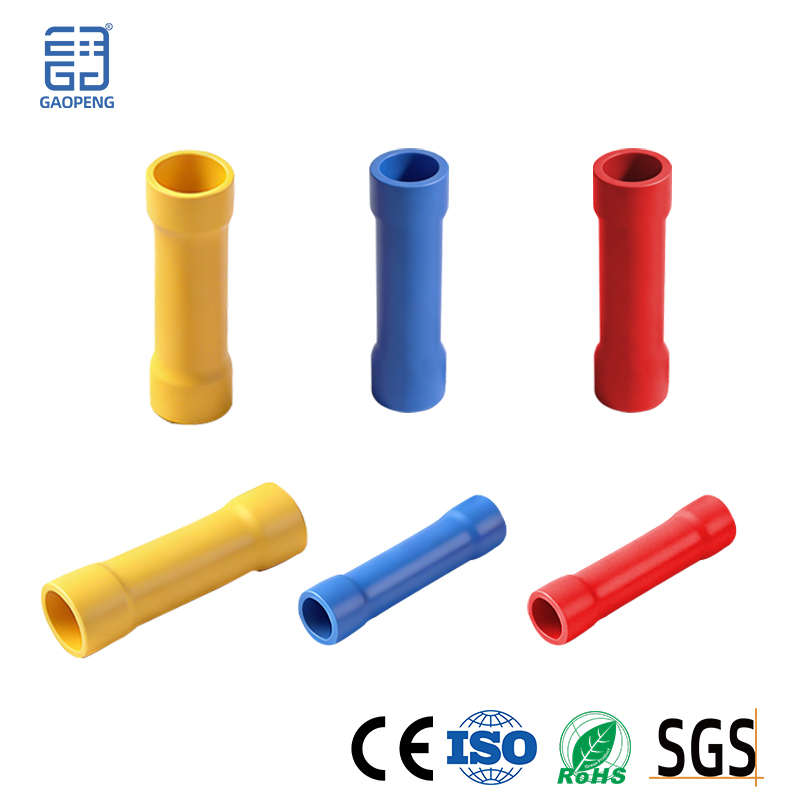
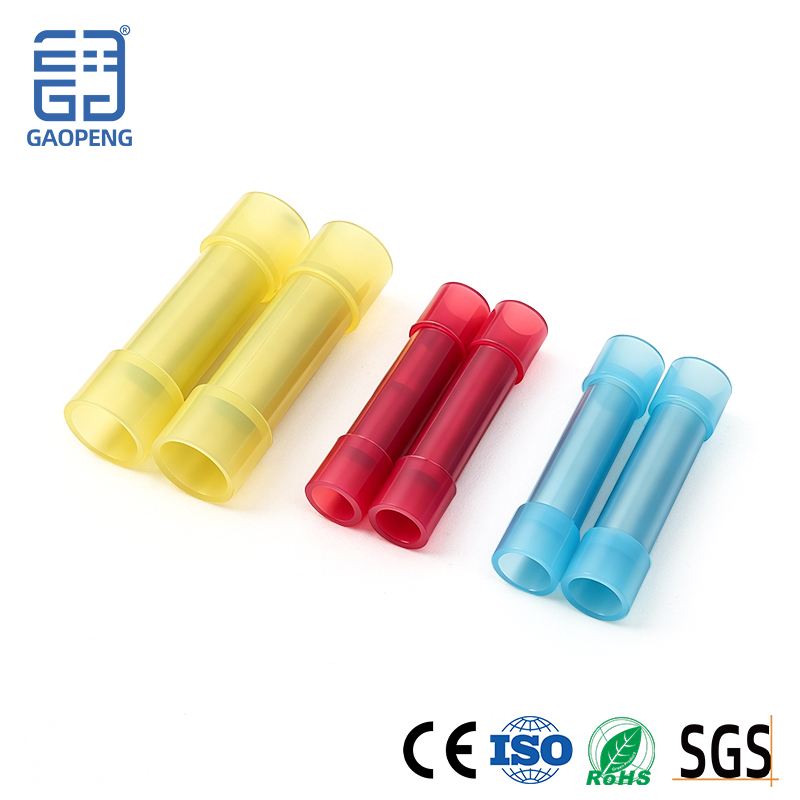
Solution: Proper terminals (such as well-crimped tubular terminals or spring-loaded plug terminals) can provide durable, stable, and tight mechanical connections, resisting vibration and thermal expansion/contraction, fundamentally eliminating "hot spots."
2. Avoid Electric Shock Risk
Problem: Exposed or incompletely inserted wire cores are easy for people or metal objects to accidentally touch.
Consequences: This can cause electric shock accidents.
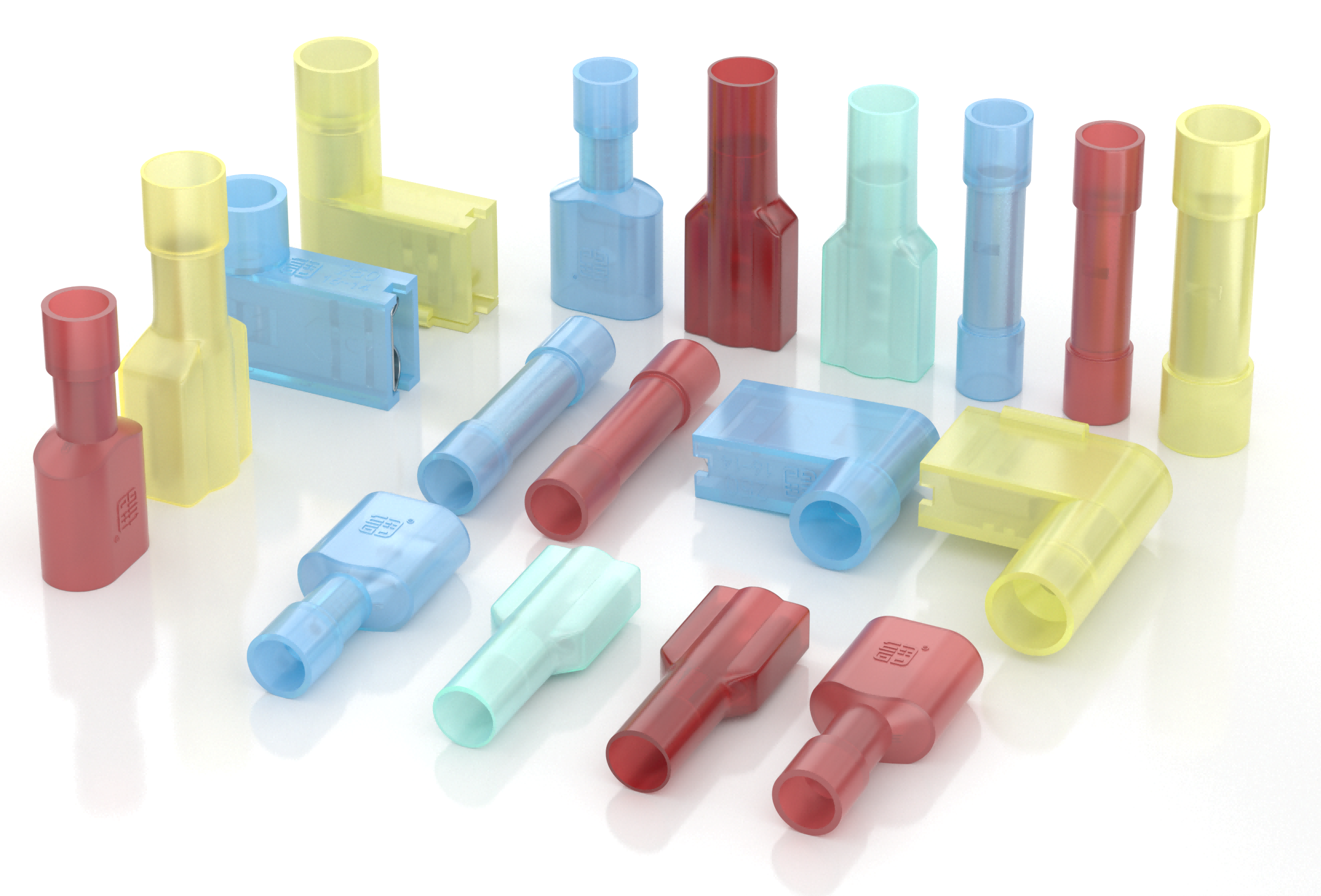
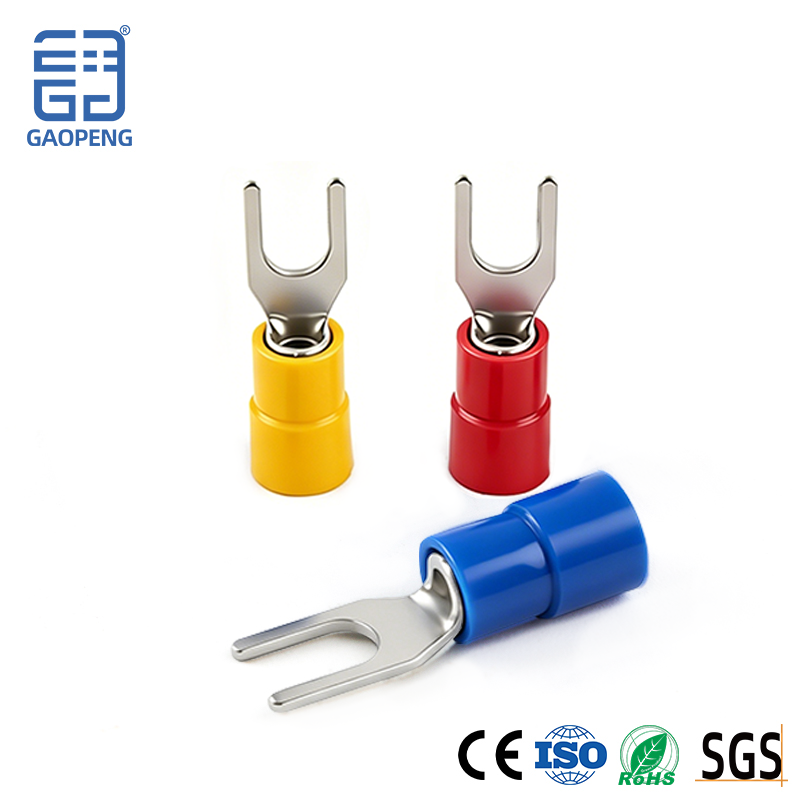
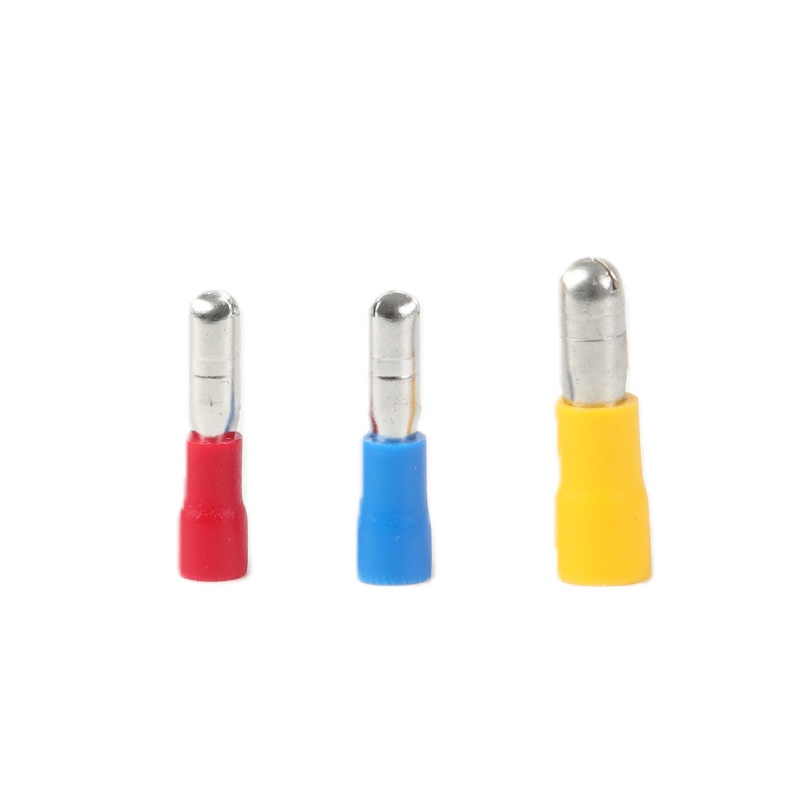
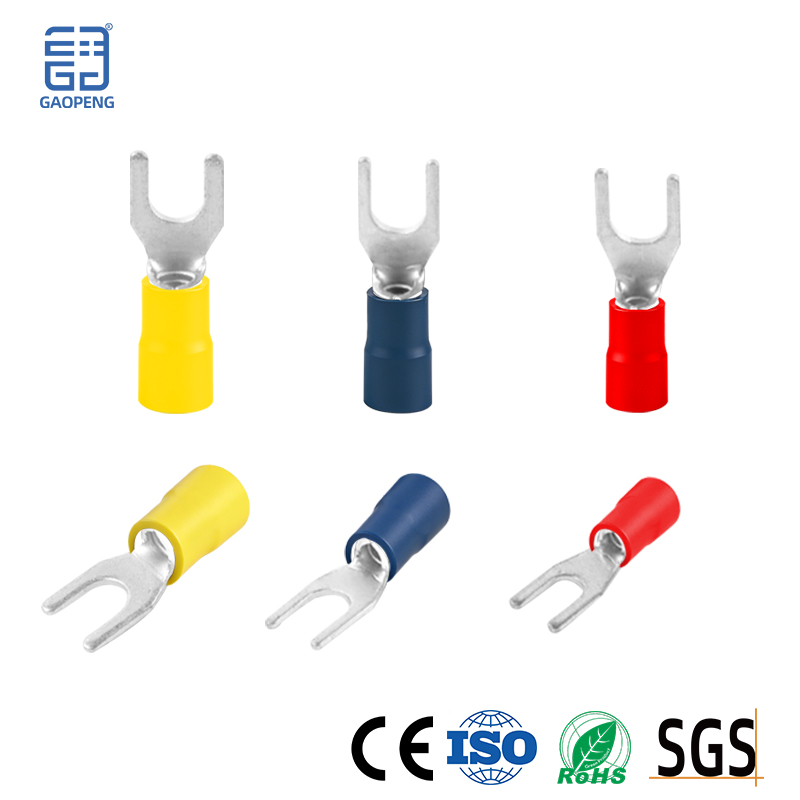
Solution: Insulated terminals (such as pin or Fork terminals with plastic sleeves) can fully cover exposed metal parts, providing reliable electrical insulation. The terminals themselves also ensure wires are securely fixed in the correct position, preventing accidental slips.
3. Reduce Arcs and Short Circuits
Problem: Loose wires may make intermittent contact, generating sparks (arcs). Detached wire ends may also touch adjacent conductors or grounded enclosures.
Consequences: Arcing generates high temperatures and electromagnetic interference, damaging sensitive electronic components; short circuits can trip breakers, damage equipment, or even cause fire.
Solution: Secure connections and insulation protection effectively prevent wire displacement and accidental contact, eliminating the causes of arcing and short circuits.
4. Match Materials to Prevent Corrosion and Electrochemical Corrosion
Problem: If the terminal metal mismatches the wire metal (such as copper wire and aluminum terminals) or the environment, oxidation or electrochemical corrosion may occur.
Consequences: The corrosion layer increases contact resistance, causing the connection point to overheat continually and gradually degrade performance.
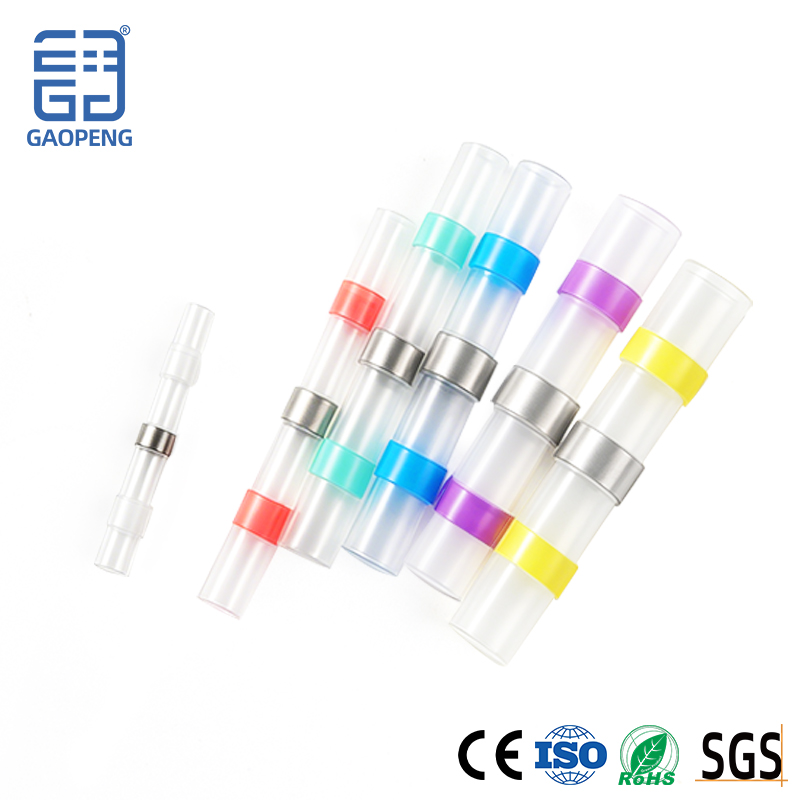
Solution: Choosing appropriate materials (such as Copper Terminals with copper wires, using tin or silver plating to prevent oxidation) and environmental adaptability (such as waterproof terminals for outdoor use) ensures long-term chemical stability of the connection.
Improving Efficiency (the core is ensuring stable transmission of energy and information)
1. Reduce energy loss, save energy
Principle: The lower the resistance at electrical connections, the less energy is lost as useless heat.
Function: A high-quality terminal with a large contact area (e.g., using a dedicated crimping tool) can provide extremely low contact resistance, close to the resistance of the wire itself. This means more electrical energy is effectively delivered to the load (such as motors or lighting) instead of being wasted at the connection points. For high-current or long-distance circuits, the cumulative energy-saving effect is very significant.
2. Ensure signal integrity (especially critical for data, communication, and control systems)
Problem: Poor connections can introduce additional resistance, capacitance, or even antenna effects.
Consequence: This can lead to signal attenuation, increased noise, data errors, disrupted control commands, or distorted analog signals.
Solution: Choosing appropriate shielded terminals, plug-in terminals, or gold-plated terminals for signal lines can provide a stable, low-noise electrical path, ensuring precise and reliable transmission of data and control commands.
3. Increase reliability and maintainability
Efficiency manifestation: A reliable connection system means less downtime due to faults.
Function: Using quick-connect terminals (such as spring or clip terminals) simplifies installation and subsequent maintenance or replacement processes, reducing operation time. Clearly labeled terminals also help with troubleshooting.
4. Optimize current carrying capacity
Problem: Using undersized or poor-quality terminals for high currents creates a bottleneck.
Solution: Selecting terminals with the correct specifications (wire gauge and material) based on the current ensures the entire circuit’s current-carrying capacity is matched, allowing the system to operate at its designed maximum efficiency.