



Why choosing the right electrical wire terminal can improve safety and efficiency
Enhancing Safety: Eliminating Hazards at the Source
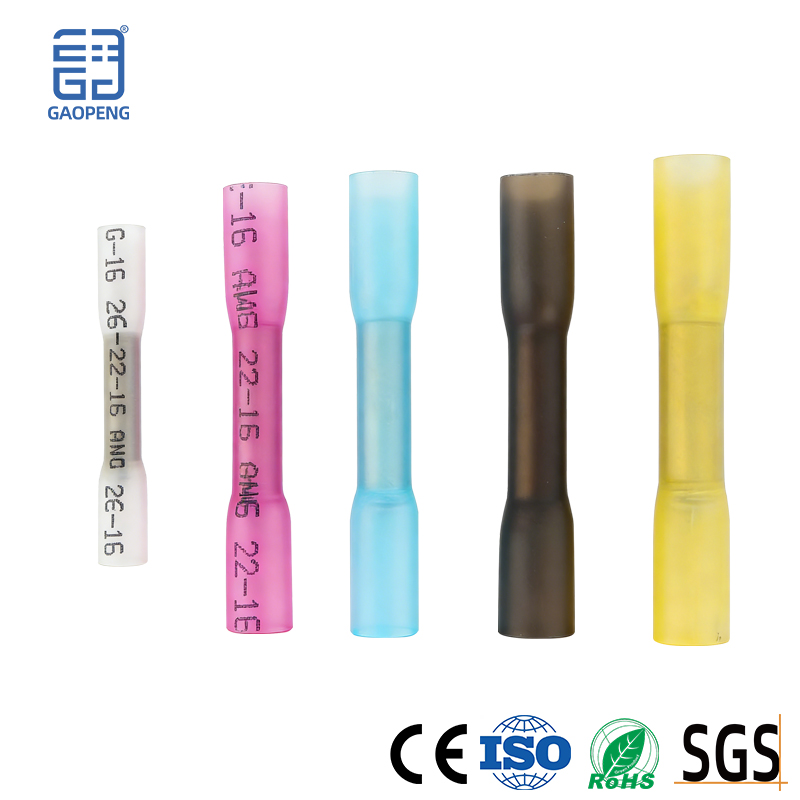
Avoid Overheating and Fire Risks: This is the most critical safety assurance. The rated current and voltage of the terminals must exceed the system's maximum load; otherwise, overheating and damage may occur. Choosing copper alloys with good conductivity and low-resistance designs can reduce heat generation from the start. At the same time, high-quality flame-retardant insulating materials (such as nylon PA66, meeting UL 94 V-0 rating) can prevent the spread of fire.
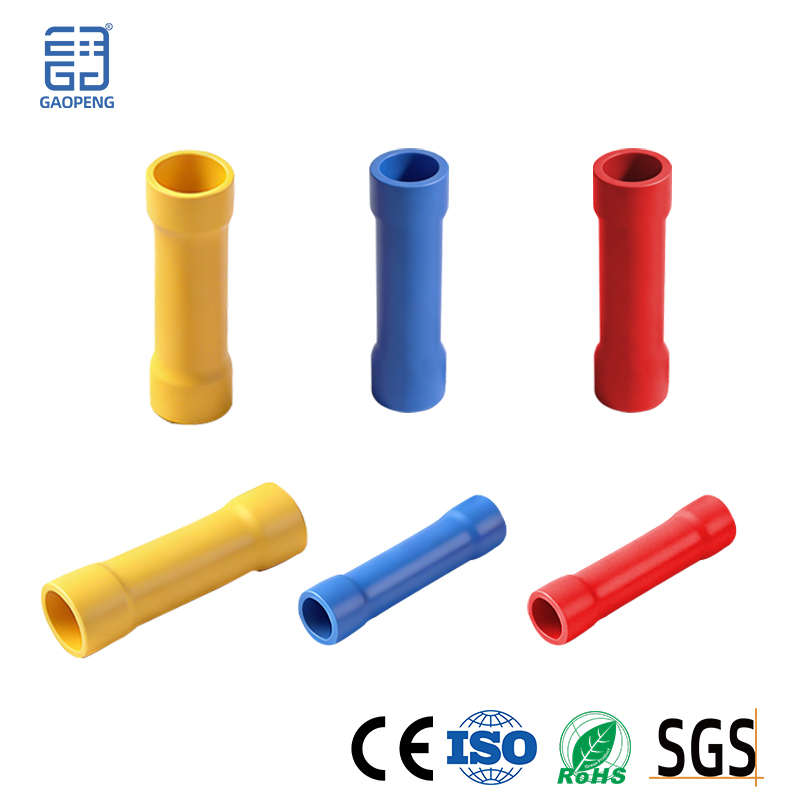
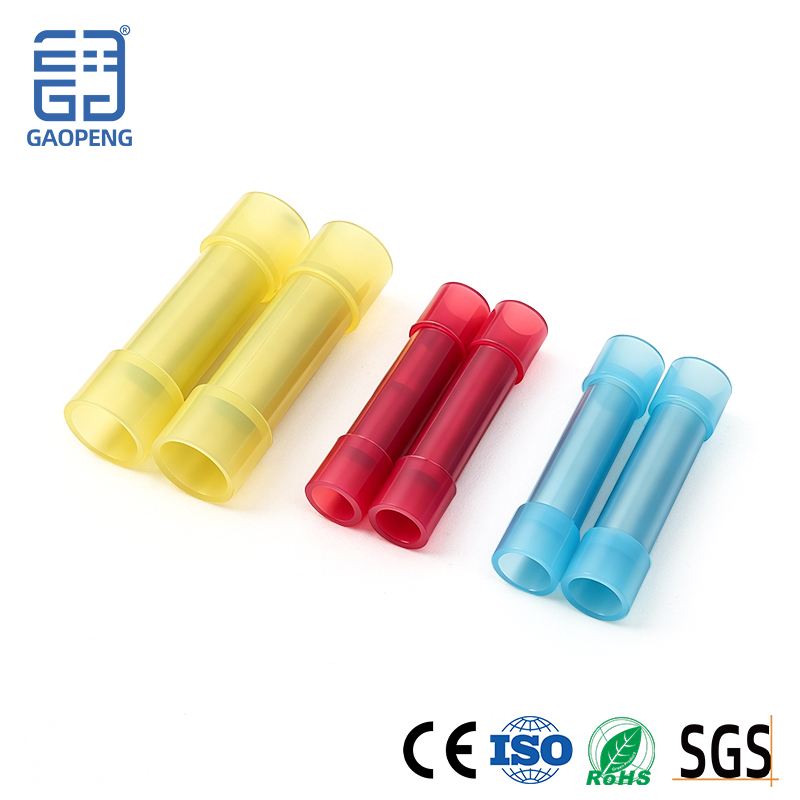
Prevent Short Circuit and Leakage: Qualified terminals completely cover exposed wires with an insulating shell to prevent short circuits. Their design should have sufficient creepage distance (the shortest path along the surface of the insulator for current leakage) to prevent breakdown and leakage under high voltage or humid conditions, which is especially critical in compact devices.
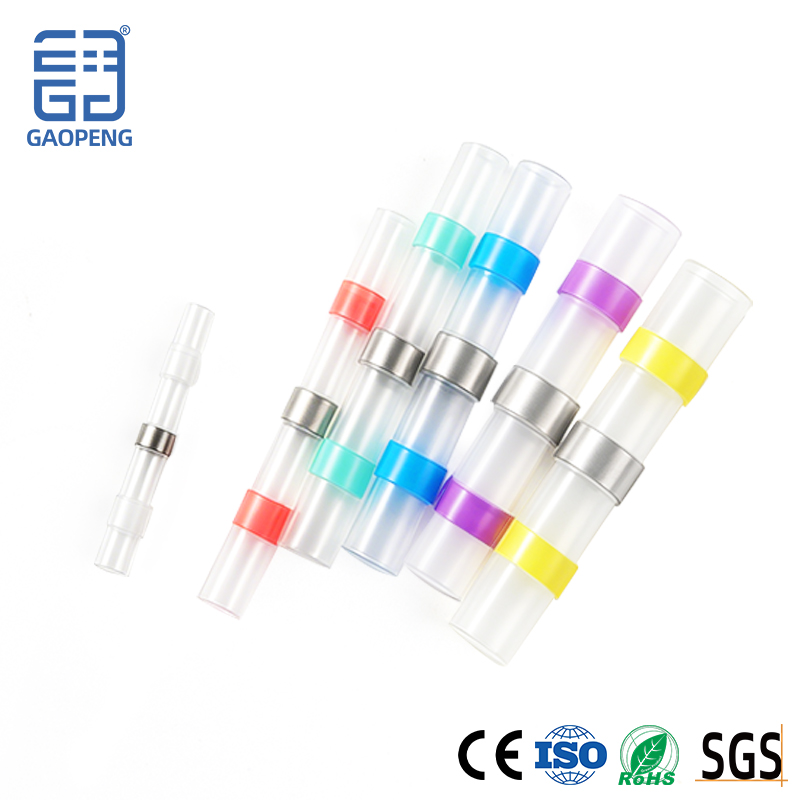
Ensure Secure Connections and Resistance to Harsh Environments: For environments with vibration (such as automobiles and industrial motors), spring-type terminals must be selected, as they continuously clamp the wires with spring force to prevent poor contact or disconnection due to loose screws. For humid environments, corrosion-resistant metal parts and well-sealed housings are required.
Improving Efficiency: Optimizing Installation and Maintenance Processes
Significantly Increased Wiring Speed: Compared to screw-type terminals that require tools to tighten, plug-in (push-in), spring-type, and IDC (Insulation Displacement Contact) technologies can increase wiring efficiency by orders of magnitude (for example, some cases show that push-in types can save up to 70% of the time compared to screw types), which represents a huge cost advantage in mass production.
Facilitate Quick Maintenance and Modular Design: Pluggable terminals allow circuits to be disconnected quickly without removing wires, greatly facilitating device maintenance and module replacement. This is standard for equipment such as controllers and inverters that require frequent testing.
Reduce Human Errors: Terminal products usually provide clear identification slots, allowing line numbers or function codes to be printed to prevent damage or accidents caused by wiring errors. Additionally, some structural designs (such as separating screws and solder pins) can prevent torque damage to fragile solder joints when tightening screws.
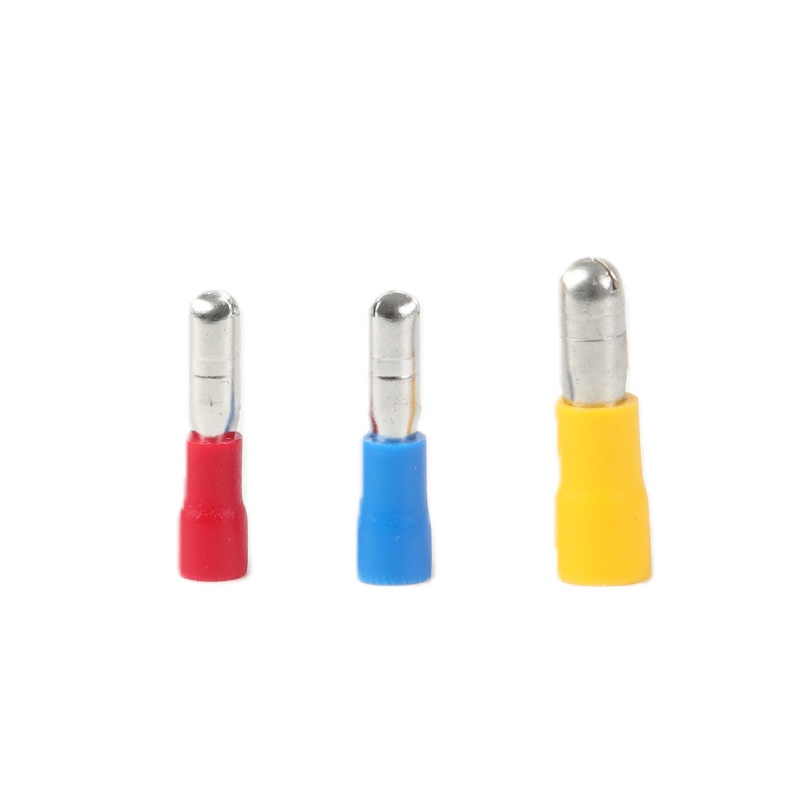
When selecting a model, attention should also be paid to matching the wire diameter with the terminal wiring range, and choosing the appropriate grade of insulation material according to the operating environment (such as high temperature or outdoor use). Products from internationally renowned brands (such as Eaton, Chint, etc.) or those that meet authoritative standards like UL and IEC have more reliable nominal parameters.