Why Choosing the Right Electrical Wire Terminals Enhances Safety and Efficiency
Ensuring Reliable Connections: The Cornerstone of Safety
A secure electrical connection is the first and most vital line of defense against a host of potential hazards. The primary function of a wire terminal is to create a permanent, low-resistance, and mechanically stable interface between a conductor and a connection point (such as a Terminal Block, stud, or equipment lug).
When an incorrect or substandard terminal is used, the risk of a loose connection increases exponentially. Loose connections are not merely an inconvenience; they are a significant fire hazard. As current flows through a compromised point, increased electrical resistance causes localized overheating. This thermal degradation can melt insulation, damage surrounding components, and, in the presence of combustible materials, ignite a fire. Furthermore, arcing can occur at intermittent connections, posing additional risks of shock and equipment failure.
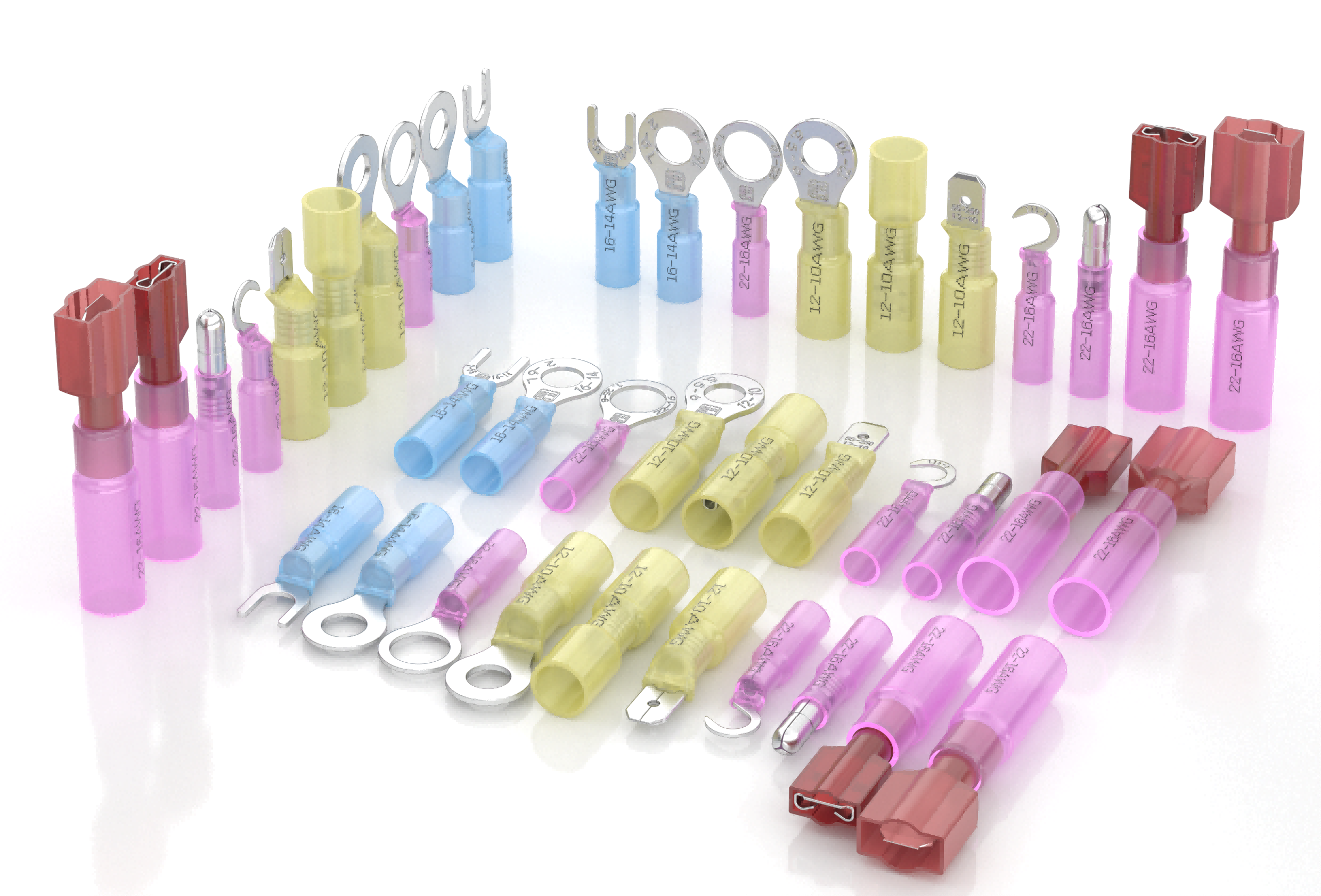
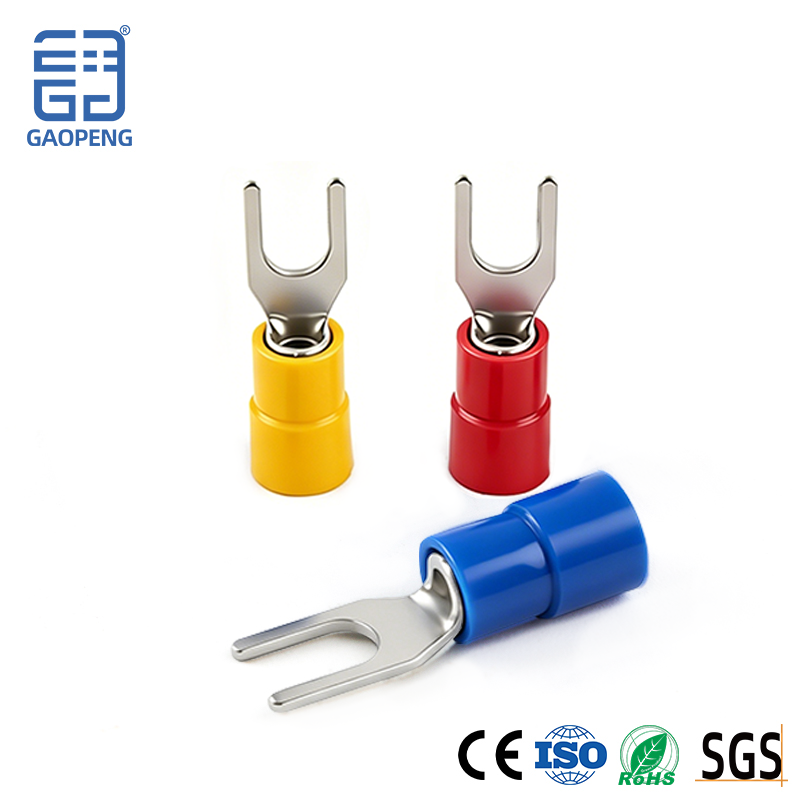
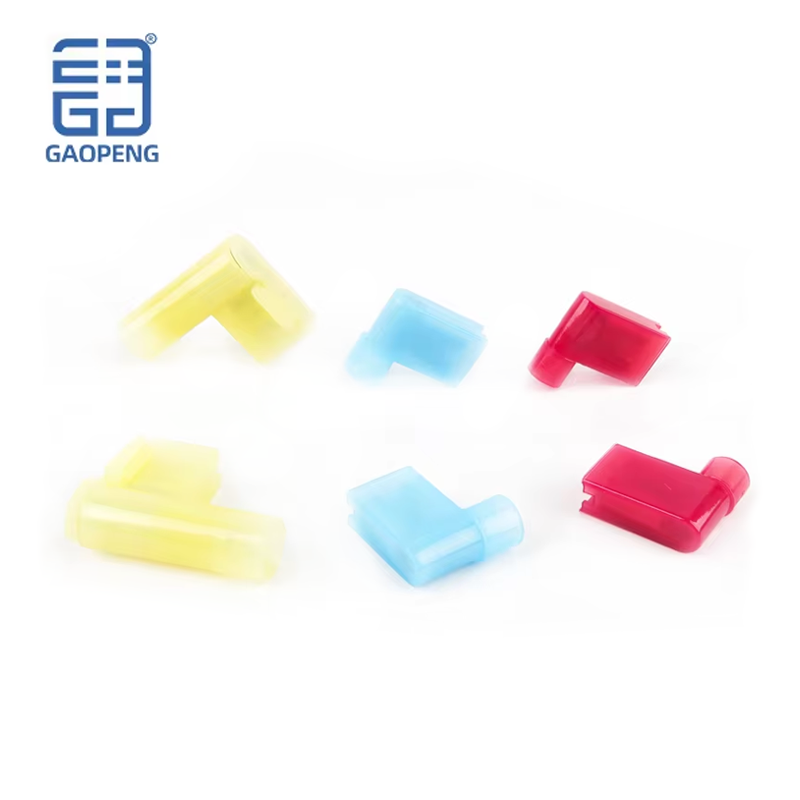
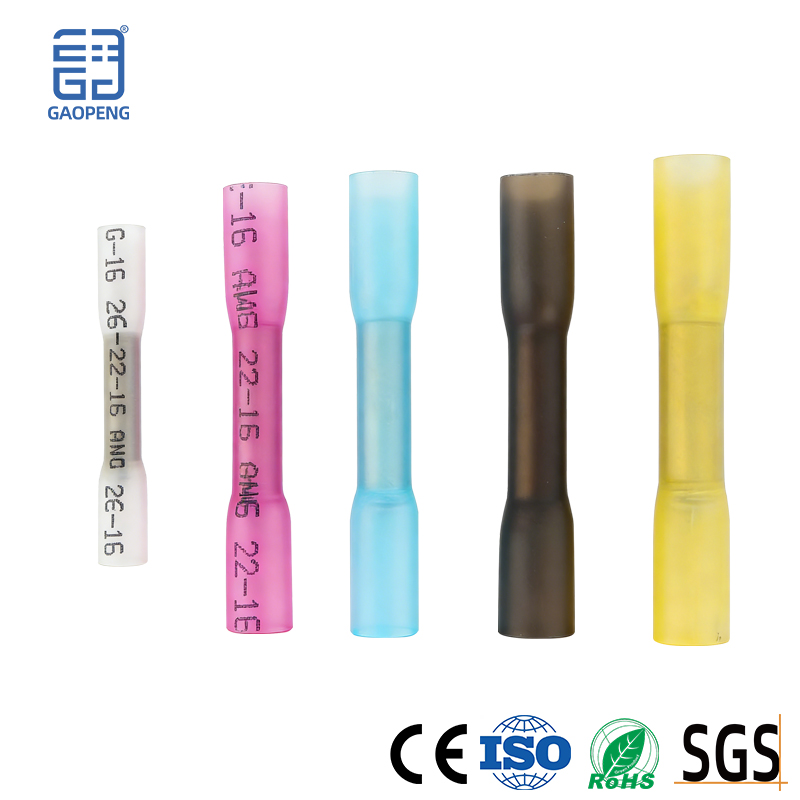
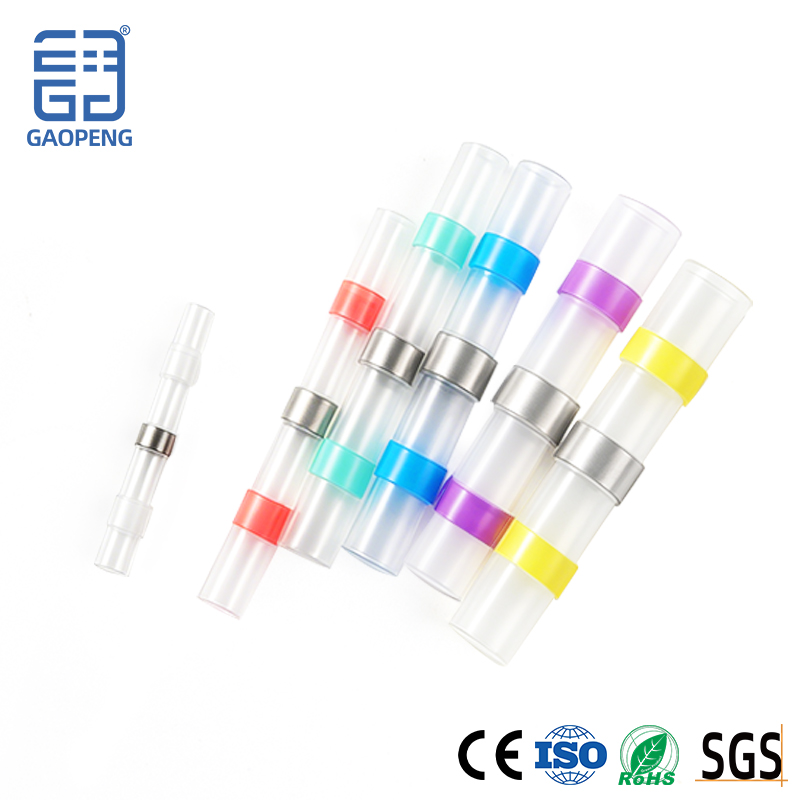
The right terminal—precisely matched to the wire gauge, stranding, and material—ensures optimal surface contact and clamping force. High-quality terminals, like those manufactured by Gaopeng, are engineered with precise geometries and robust materials to maintain this force over time, resisting vibration, thermal cycling, and stress relaxation. This eliminates micro-movements that lead to fretting corrosion and connection breakdown, thereby guaranteeing a reliable current path and preventing dangerous heat buildup. In essence, the correct terminal acts as a perpetual guardian against the silent threat of connection failure.
Improving Installation Efficiency: Precision in Practice
Time is a critical resource in any electrical project. The choice of terminals has a direct and measurable impact on installation speed, consistency, and overall labor costs. Utilizing poorly designed or mismatched terminals leads to frustration, rework, and unreliable terminations.
Optimized terminals enhance efficiency in several ways:
-
Ergonomic Design: Modern terminals feature intuitive shapes, clear markings, and integration-friendly designs (such as funnel-shaped entry ports) that guide the wire effortlessly, reducing insertion time and installer fatigue.
-
Tool Compatibility: Proper terminals are designed for use with standard, professional Crimping Tools. A perfect match between terminal, tool, and die set ensures a consistent, high-quality crimp with every cycle, eliminating guesswork and the need for visual inspection alone. This standardization streamlines workflow, especially in large-scale installations.
-
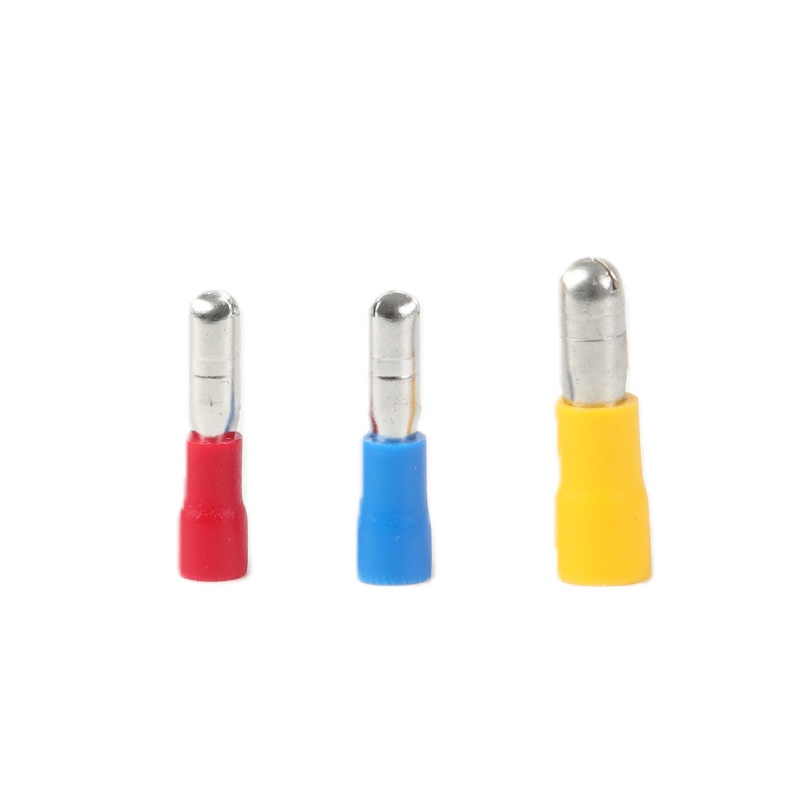
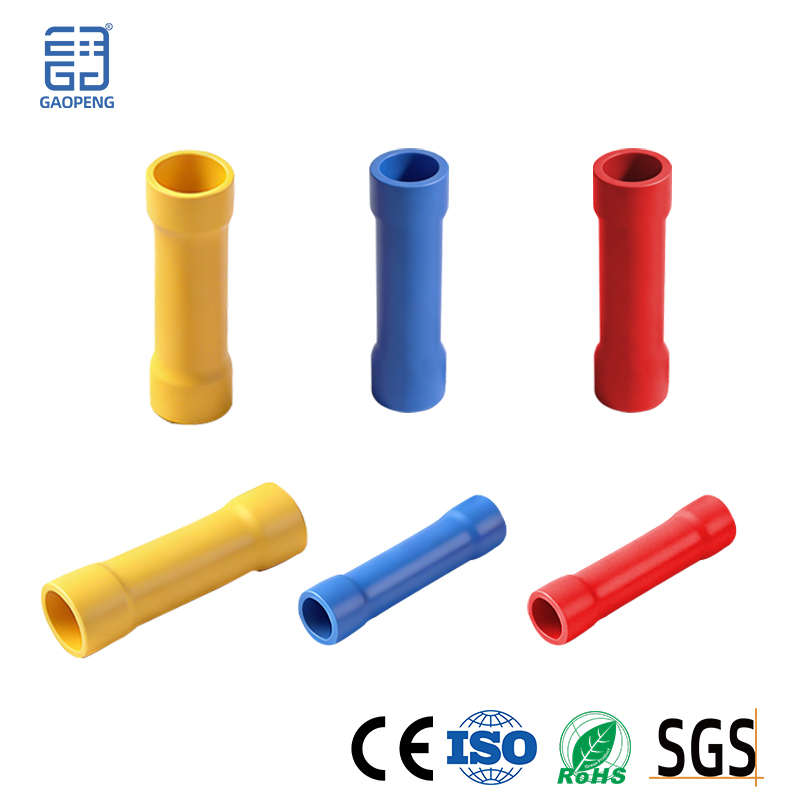
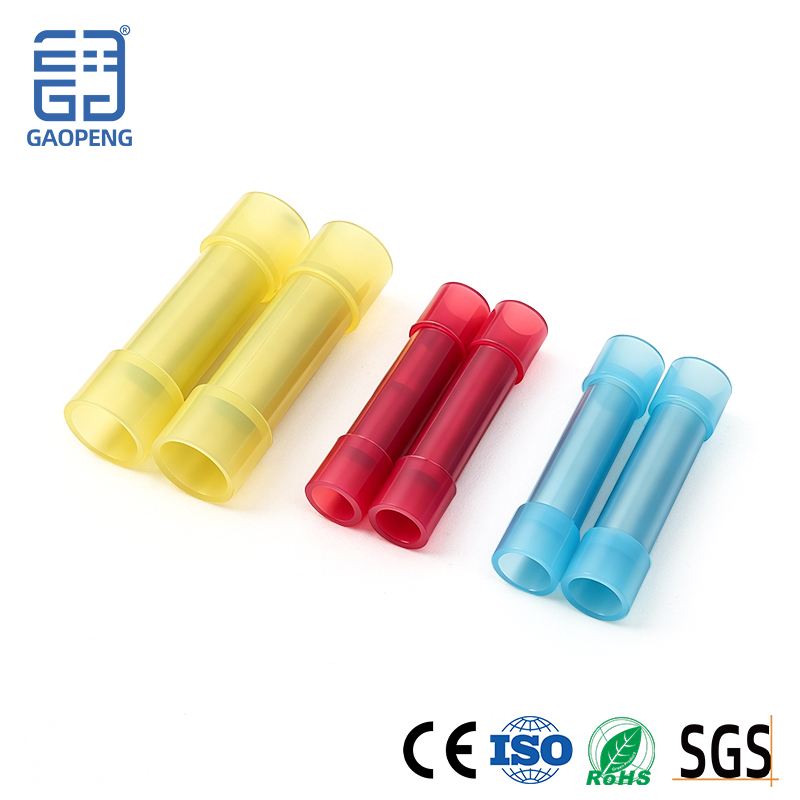
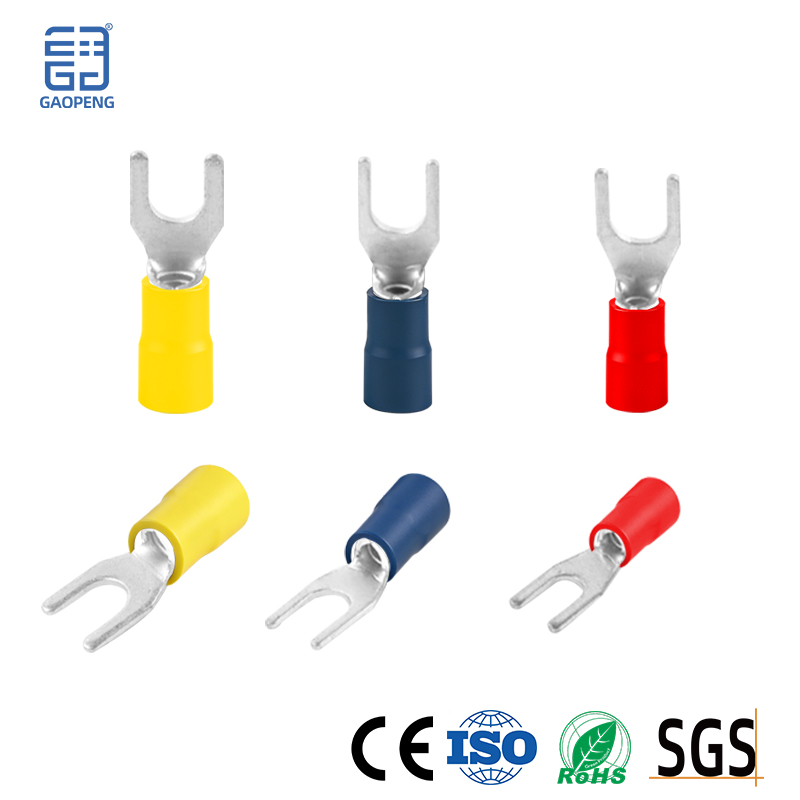
Error Reduction: Color-coding and standardized packaging (by wire gauge and type) allow for quick visual identification, minimizing the risk of selecting the wrong terminal. This is crucial in complex panels with multiple wire sizes.
-
Time Savings: A seamless process—from selection to crimping to installation—dramatically reduces the time spent per connection. When multiplied across hundreds or thousands of connections in an industrial control panel, building wiring, or machinery, the cumulative savings in man-hours are substantial.
Material and Durability Considerations: Engineered for the Environment
Not all terminals are created equal because not all applications face the same challenges. The operating environment dictates the material science behind the terminal. Selecting a terminal with the appropriate material composition is paramount for long-term durability and performance.
-
Copper Alloys (Tin-Plated, Bare, or Silver-Plated): The most common choice for general-purpose applications. Tin plating provides excellent corrosion resistance and solderability. For high-current or high-temperature applications, silver-plated terminals offer superior conductivity and oxidation resistance.
-
Aluminum Terminals: Specifically designed for aluminum wiring, these terminals use special compounds or designs to prevent galvanic corrosion and cold creep phenomena that can occur when dissimilar metals are joined incorrectly.
-
High-Temperature Materials: In automotive, aerospace, or industrial heating applications, terminals made from specialized alloys or with high-temperature insulation (such as silicone) maintain integrity and clamping force under extreme thermal stress.
-
Corrosion Resistance: For marine, outdoor, or harsh industrial environments (chemical plants, wastewater treatment), terminals with superior plating thickness, stainless steel components, or anti-corrosive coatings are essential to prevent failure from moisture, salt spray, or aggressive chemicals.
Choosing a terminal without considering these factors can lead to premature corrosion, increased resistance, and catastrophic failure. At Gaopeng, our product lines are developed with these specific environmental and operational stresses in mind, ensuring the terminal not only fits the wire but is also engineered to survive and thrive in its intended application.
Applications Across Industries: Versatility Meets Specific Demand
The critical importance of correct terminal selection is universally recognized across all sectors that utilize electrical power and control systems.
-
Industrial Automation & Control Panels: Here, reliability is paramount. Thousands of connections in a single cabinet demand terminals that ensure signal integrity, prevent downtime, and withstand constant vibration.
-
Renewable Energy (Solar/Wind): Systems are exposed to extreme weather, UV radiation, and temperature fluctuations. UV-resistant, corrosion-proof, and vibration-resistant terminals are mandatory for long-term, maintenance-free operation.
-
Automotive & Transportation: From traditional vehicles to electric vehicles (EVs), terminals must endure severe vibration, thermal cycling, and exposure to fluids. They are also critical for high-voltage battery connections in EVs, where safety margins are zero-tolerance.
-
Construction & Building Wiring: Safety and code compliance are top priorities. Terminals must facilitate safe, reliable connections in distribution boards, lighting, and HVAC systems, often needing to meet specific regional safety standards (UL, IEC, VDE, etc.).
-
Appliances & Consumer Electronics: Space constraints and the need for automated assembly require precision-engineered, compact terminals that provide a safe and durable connection for the product's lifespan.
In each sector, the "right" terminal is defined by a unique set of parameters, underscoring the need for a specialized supplier with a broad and nuanced product portfolio.
Enhancing Safety and Compliance: Beyond Good Practice
Ultimately, selecting the correct electrical terminal is a core component of a comprehensive safety and compliance strategy. It transcends best practice and enters the realm of legal and regulatory obligation.
-
Meeting International Standards: Reputable terminals are designed, tested, and certified to meet rigorous international standards such as UL, IEC, EN, and CSA. These standards define requirements for materials, construction, temperature rise, pull-out force, and durability. Using certified components is often a prerequisite for obtaining overall system certification and insurance approval.
-
Risk Mitigation: In the event of an electrical incident, the use of uncertified, inappropriate, or substandard terminals can expose manufacturers, integrators, and installers to significant liability. Documentation proving the use of properly specified and certified components is a powerful shield.
-
Systematic Safety: Correct terminals contribute to a "preventive safety" culture. By eliminating weak links at the connection points, the entire system's safety factor is elevated, protecting both equipment and, more importantly, human life.
Conclusion
The choice of an electrical wire terminal is a decision that resonates throughout the lifespan of an electrical system. It is a critical intersection of electrical engineering, materials science, and practical installation methodology. As a leading manufacturer, Yueqing Gaopeng Electric Co., Ltd. is committed to providing more than just products; we offer engineered solutions that empower our clients to build systems that are not only efficient and cost-effective but, above all, inherently safe and reliable.
Investing in the right terminal is investing in peace of mind—knowing that every connection is a point of strength, not a potential point of failure. For your next project, specify with precision. Choose Gaopeng.