



Why will global industries pay more attention to wiring reliability in 2026?
Energy Transition and Infrastructure Upgrading
The rapid transformation of the global energy system has raised higher demands on wiring infrastructure. With the large-scale integration of renewable energy sources such as wind and photovoltaic power, cables need to adapt to complex and harsh environments such as outdoor, high-altitude, and high-humidity conditions and have stronger UV resistance, heat resistance, and mechanical stress tolerance. At the same time, to meet the stringent standards of energy transmission efficiency and safety, medium and high-voltage cables are increasingly used in large-scale infrastructure projects such as power grid upgrades and rail transit construction, with their reliability directly affecting the stable operation of the entire network.
Industrial Intelligence and Digital Transformation
The manufacturing industry is accelerating towards intelligence, bringing wiring systems from the 'backstage' to the 'front stage.'
Data Floods and Signal Fidelity: The massive data transmission in smart factories requires wiring to have strong anti-interference capabilities. Traditional copper cables are prone to electromagnetic interference during long-distance transmission, causing data distortion, while optical fibers, due to their high bandwidth, low loss, and anti-interference characteristics, are becoming the mainstream choice in industrial settings to ensure the accuracy of control decisions.
Flexible Production Needs: To quickly respond to market changes, factories need to be able to flexibly adjust production lines. Traditional 'hard-wired' wiring methods require shutdowns for modification during process adjustments, which is costly. Therefore, electronic wiring solutions centered on 'software definition' have emerged, allowing flexible configuration of signal types through software, enabling dynamic reconstruction of production architecture and significantly reducing downtime.
Strict Safety and Compliance Standards
Whether in high-risk process industries such as chemical and oil & gas, or in industrial data centers operating 24/7, safety is always an inviolable red line.
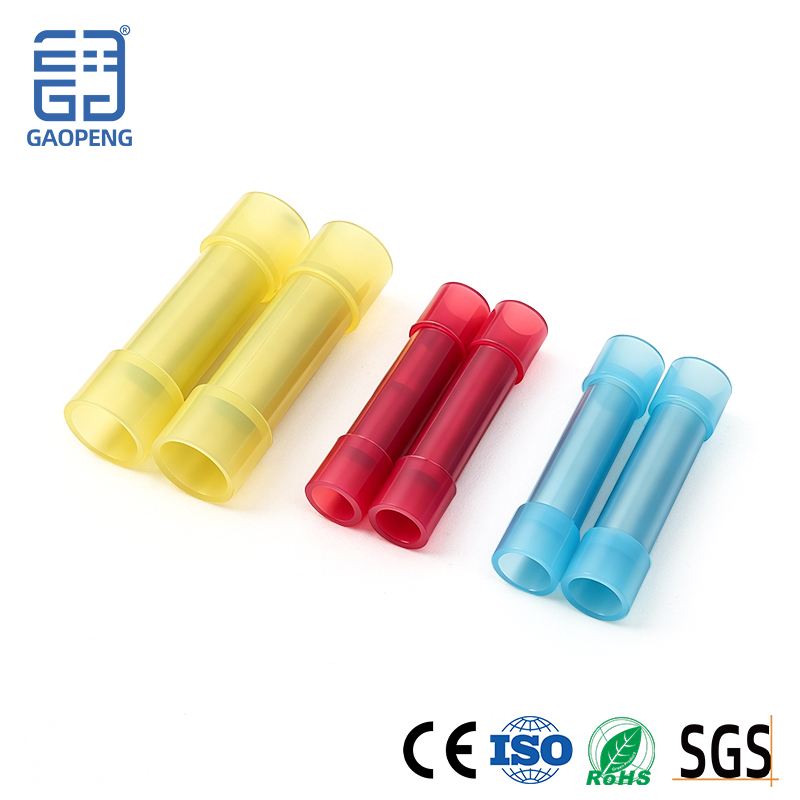
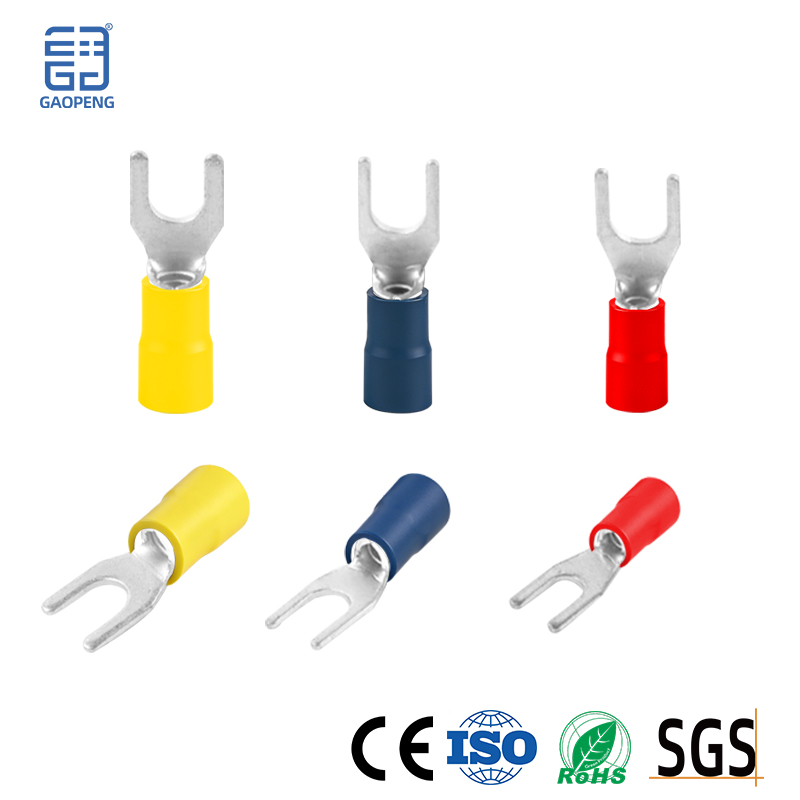
Systematic Prevention of Chronic Risks: Experience shows that real risks often stem from small mistakes in the underlying connections. For example, a substandard Terminal Block may cause contact resistance to increase and local heating after long-term operation due to thermal expansion and contraction, eventually leading to insulation aging and short circuits. This risk accumulates slowly, but once it occurs, the consequences can be disastrous. Therefore, the industry has begun to pursue stability and maintenance-free performance in connection mechanisms, cutting off the "failure chain" at the source.
Stringent Environmental and Fire Standards: In scenarios such as chemical plants and offshore platforms, wiring equipment must have explosion-proof, corrosion-resistant, and wide-temperature operational characteristics. At the same time, in enclosed spaces like rail transit systems and data centers, the use of low-smoke, halogen-free (LSZH) materials has become mandatory to minimize toxic smoke emissions in the event of a fire and ensure personnel safety.
Sustainable Development and Total Lifecycle Cost
Enterprises are increasingly aware that reliability, sustainability, and economy are unified. On the one hand, regulations in regions such as the European Union require products to be traceable throughout their entire lifecycle and promote the use of recycled materials, which requires stricter quality control to ensure that performance is not compromised after incorporating recycled materials. On the other hand, from a total lifecycle perspective, investing a little more in high-quality cabling upfront can reduce downtime and expensive repair losses later. By using technologies such as optical fiber and remote I/O to reduce long-distance copper cabling and cabinet construction, it is possible to reduce the overall cost of large chemical projects by 30% to 50%.