8 AWG copper is a common starting point for a 40 amp wire size assessment. In the reference chart below, it has an unadjusted ampacity of 40 A at 60°C. Whether it is the correct conductor for a particular installation still depends on the wiring method, equipment terminations, load and required adjustments.
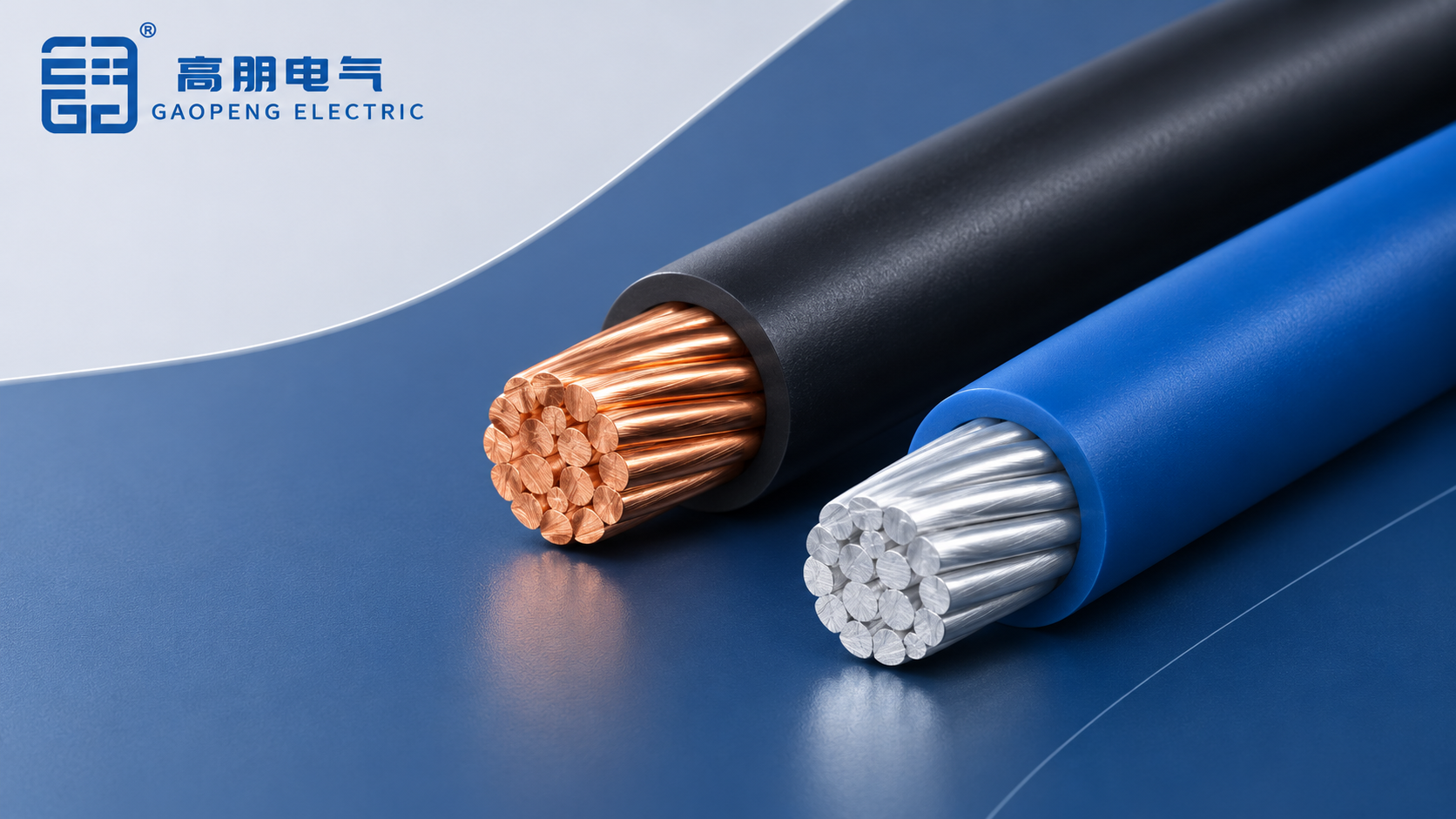
Aluminum requires its own material column and compatible connections. The chart lists 8 AWG aluminum at 40 A in the 75°C column, but that entry alone does not approve it for a circuit. A copper-only terminal cannot be made aluminum-compatible by selecting a wire that fits inside it.
40 amp wire size: a conditional copper and aluminum comparison
These selected values come from the manufacturer reference chart linked below. Its stated basis is the 2017 NEC, and its values exclude temperature corrections and ampacity adjustments. Use the table to understand the selection variables; verify the applicable requirements for the actual project separately.
| Conductor | 60°C | 75°C | 90°C | Important qualification |
|---|---|---|---|---|
| 8 AWG copper | 40 | 50 | 55 | Use only the column permitted by the cable, equipment and terminations. |
| 10 AWG copper | 30 | 35 | 40 | The 90°C entry is not general permission for a 40 A branch circuit. |
| 8 AWG aluminum | Not listed | 40 | 45 | Requires aluminum-compatible equipment and the appropriate sizing basis. |
The table answers a reference question: what ampacities appear under these stated columns? It does not independently answer the protective-device, wiring-method or equipment-approval questions.
Why the 10 AWG, 90°C entry can be misleading
The 40 A figure in the 10 AWG copper row is easy to notice. It is also easy to use incorrectly. Selecting that cell requires more than finding a 90°C marking on the insulation. Termination limits, wiring-method restrictions and applicable conductor-protection rules still govern the completed circuit.
For a general branch-circuit design, do not treat this one table cell as permission to use 10 AWG on a 40 A breaker. An equipment-specific arrangement or exception needs its own applicable basis. The correct purchase specification should identify that basis rather than leave the supplier to infer it from an amperage request.
This distinction is especially useful when comparing quotations. A proposal that names only gauge and insulation temperature has not necessarily answered the same requirement as one that identifies the cable construction and the equipment’s accepted conductor conditions.
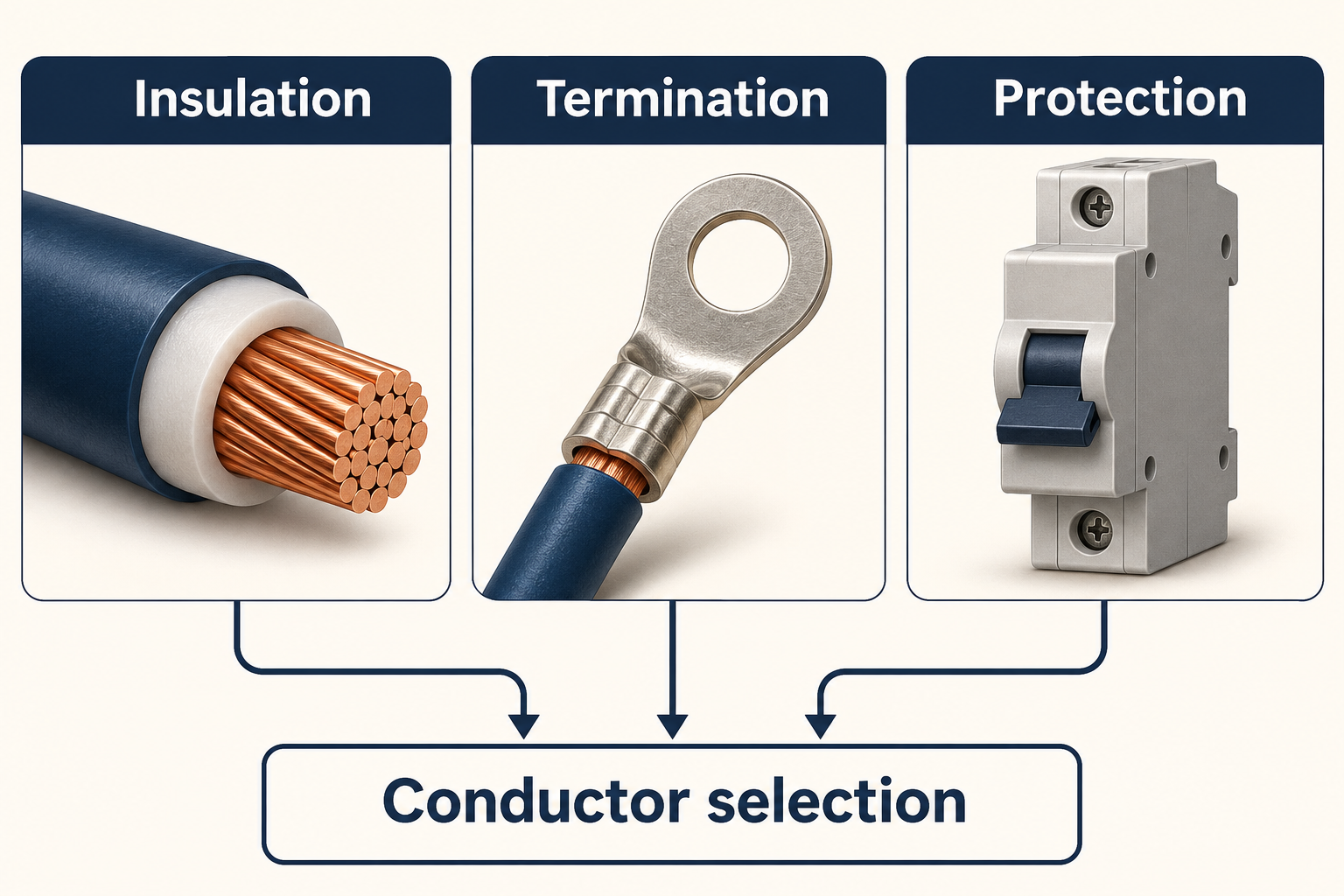
Match the conductor to the terminal’s material and temperature limits
A wire’s insulation rating describes one component. A terminal’s temperature and material markings describe another. The circuit-breaker marking guidance explains that a higher insulation rating does not remove the ampacity basis established by the breaker’s marked termination temperature.
The other end of the conductor matters as well. Check the receiving equipment, not just the supply-side breaker. If the connection involves a separately installed connector or terminal kit, identify the specified component and its accepted conductor range.
Copper and aluminum are not interchangeable purchase descriptions. Equipment documentation distinguishes terminals evaluated for copper only from those acceptable for aluminum. Confirm the conductor material, construction and preparation requirements for the exact connection, including any manufacturer-specified tooling.
Resolve load and route conditions before freezing the bill of materials
A 40 A protective-device rating and a 40 A operating load do not necessarily create the same conductor-sizing requirement. The design review should identify the actual load characteristics and any applicable continuous-load or equipment-specific provisions.
Ambient conditions, conductor grouping and cable routing may also require an adjustment from the reference ampacity. A long cable run adds a voltage-drop consideration. If that assessment increases conductor size, the terminal and cable-entry selection must follow the revised dimensions.
Ask the designer or responsible installer to provide the approved conductor designation and the assumptions that affect it. This is a clearer purchasing instruction than “40 amp cable,” especially when two bidders propose different conductor materials or wiring methods.
Specify the lug independently of the current label
For a stud-mounted copper connection, specify the conductor fit and mounting geometry separately. Gaopeng’s SC copper cable-lug listing gives a family to compare by full product reference and dimensional requirements. Its existence does not establish approval for every 40 A application.
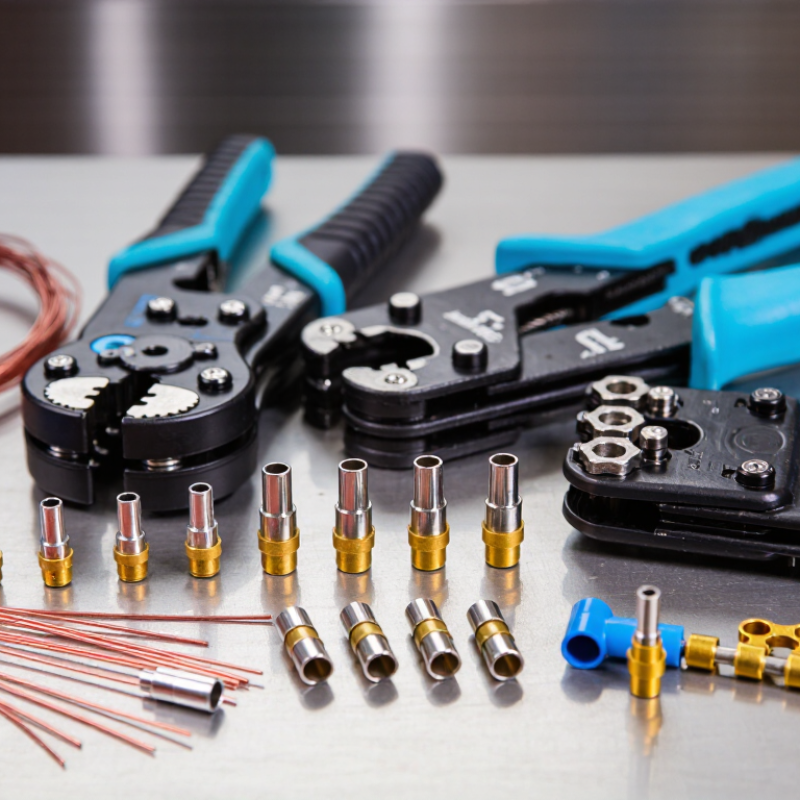
A useful order line includes conductor material, AWG or cross-section, strand construction, mounting-hole size and available palm clearance. Add the required finish and the approved tooling or application instructions. Those details distinguish a mechanically similar alternative from a part that meets the actual specification.
Keep quantities and documentation requirements attached to each full reference. Confirm any proposed substitution before combining order lines. That preserves the conductor and terminal decisions already made for the equipment, instead of reopening them during delivery or assembly.