Leave Your Message
With the approach of 2025, it cannot be denied that Insulated Terminals continue to be a key area in the electrical industry. They provide safety and reliability in electrical connections. These should be protected from the environment and short circuit occurrences. Innovation, performance improvements, and expansion of the applications of insulated terminals in various industries will transform their way into the market with the growing technology and manufacturing processes. The forthcoming trends and innovations concerning insulated terminals that are expected to become a hallmark in shaping the industry soon will be discussed in this blog.
Since its establishment in 2016, Yueqing Gaopeng Electric Co., Ltd. has been devoted to the design and development of a wide range of terminals and connectors. It is located in Wenzhou city, Zhejiang Province, China. Now, Gaopeng manufactures an annual capacity that is beyond several billion units. Our output products are in the Asian, European, American, and African markets. Exploring innovations within insulated terminals for 2025, it is also going to present a basic buyer checklist for making sound decisions based on which of these vital components to incorporate into projects.
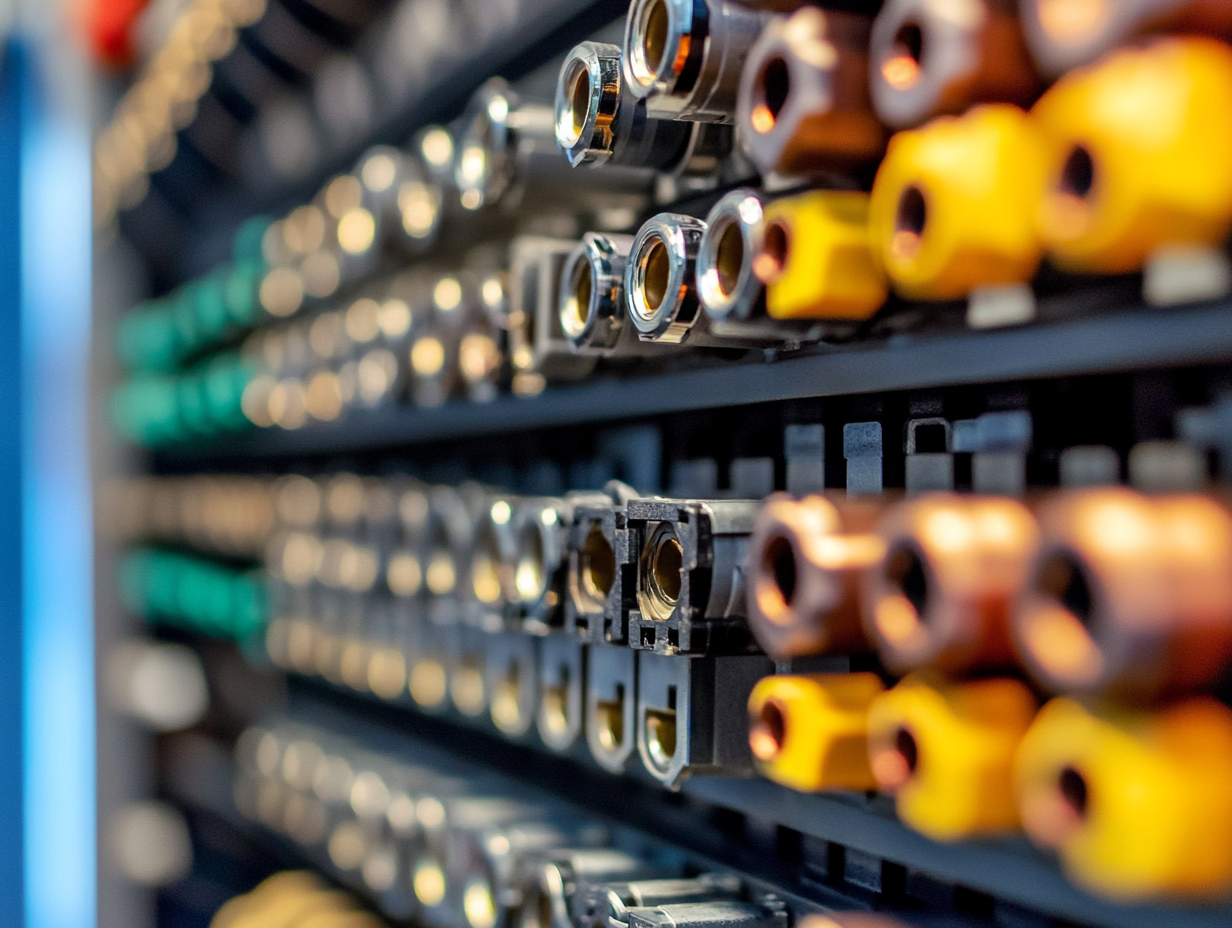
Insulated terminals are a vital component of electrical connections, providing safety and reliability for different applications. They are especially important in environments that are usually harsh, such as the offshore cable systems. In this regard, it can be argued that recent improvements in the industry have shown that the development of insulated terminals is evolving to perform and offer durability in an effective manner for power transmission in the tough working conditions. Quality enhancement Techniques and precision manufacturing form the major focus of manufacturers. Insulated terminals find application in a large number of fields, including marine cables, where the working conditions put a premium on violent resistance. The considerations learned regarding the unique characteristics and applications of insulated terminals will thus become even more important in the buyer's checklist for 2025 as companies continue to carve out their places in the market.
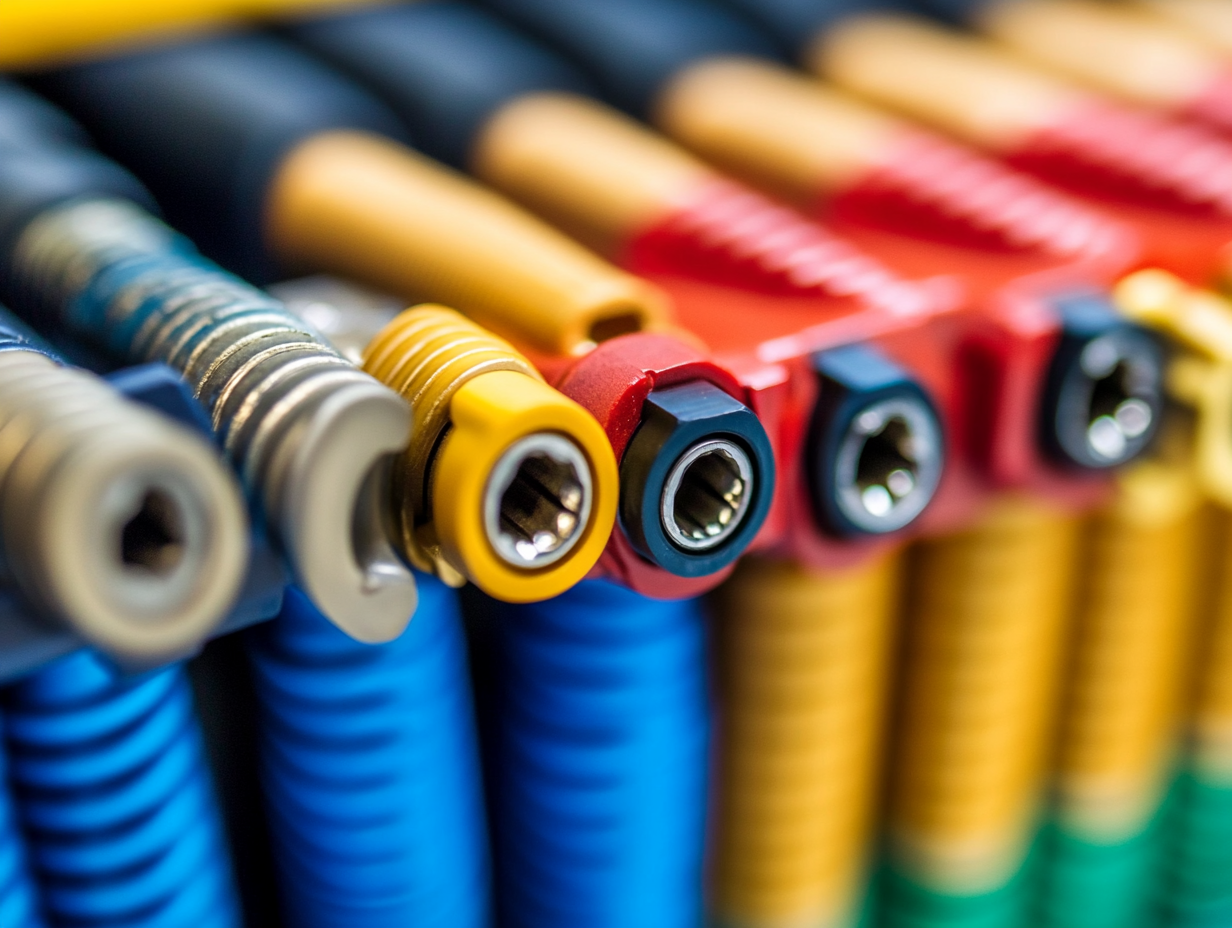
Insulated terminal technology is likely to undergo substantial innovations, for enhanced functionality and safety, as we near the year 2025. Key among these innovations are the improved materials which are supposed to exhibit better insulating properties and enhanced environmental resistance. Such innovations not only promise longevity for insulated terminals but also ensure more reliability in a range of applications from automotive to the industrial sector.
Further, the integration of smart technology into insulated terminals is poised to change the face of this industry. With IoT-enabled characteristics, these terminals will be capable of performing real-time monitoring and diagnosis, resulting in higher efficiency and reduced downtimes. Therefore, when prospective buyers consider investments in these advanced products, they should consider not only the material quality and compatibility of these products with their existing systems, but also the availability of cutting-edge innovative features which may be relevant for the future technological generations.

These new developments in materials for insulated terminals in 2025 are changing the industry. Improved resilience comes at the top of the engineering innovations, with manufacturers committed to producing terminals that will work under extreme and unfavorable environments. These materials are designed to prevent corrosion; they will also improve electrical insulation in which failures can be avoided, thus prolonging the lifetime of electrical connection.
When buyers start evaluating what they will require for 2025, a checklist becomes critical. All potential customers need to consider the materials-they would have to be compatible with existing components and overall terminal reliability. Advancing these facets will increase a company's operational efficiency to include sales ascendance in the competitive market.

And really, innovations in insulated terminals are going to change the usability and efficiency of applications in 2025. Advances in materials, the latest being flame-retardant polymers, are enhancing safety and reliability of the electrical connections, particularly in the electric vehicle sector. If you do all these innovations, you would fulfill the rigorous safety norms and, probably, ensure that the polymer lasts longer while maintaining it at lower costs.
Most innovations in design would concentrate on the installation facilities so that connections can be made faster and easier. Terminal design, ergonomically enhanced, simplifies the whole process of the assembly in response to manufacturing for streamlined operations. Modern industry will, indeed, require adaptability in the exploitation of high-performance electrical systems when these new technologies are injected into the production process. In fact, the market is undoubtedly headed toward a future where improved functionality and safety of devices will dominate.
Insulated terminal innovations will play a borderlining role in improving industry standards and safety features by 2025. Manufacturers are more and more concerned about meeting stringent industry standards and regulations, ensuring that products perform exceedingly well with safety in mind. This trend is being ushered in by the continuous development of technology alongside the demand for quality in cable manufacturing.
New designs in insulated terminals are also being developed to serve the needs of specific applications, especially in underwater cable technology. Products manufactured under well-regulated conditions ensure increased reliability of functioning and extra safety features. These changes imply a firm commitment to safety regulations regarding the protection of users and the environment.
Indeed, sustainable product development is anticipated among the trends which shall hold sway as we enter the new millennium, 2025. Consumers have begun making inquiries about eco-friendly materials and practices as part of their buying consideration, which has influenced brands to come up with sustainable innovations. Healthier-status snacking, therefore, has become a marketing focus. This is based on the simple premise that companies have to make a sustainable addition to meeting healthy snack demand. Considering that the snack market is booming, it would allow companies to create a unique possibility around sustainable ingredients and packaging.
Not least of these is the introduction of progressive procurement solutions, featuring access to sustainable products, facilitating this for businesses. Companies are with high-tech and advice in the purchasing process where efficiency and eco-friendly purchasing are one of the subjects. With such a transformation, there is a balance in the dual purpose of being sustainable and better shopping. As we step into the year 2025, the consideration of consumers and the operations that would otherwise ensure a sustainable company growth would be dependent entirely on them.
The insulated terminal market is expected to witness unprecedented growths due to the advancements in electrical and electronic applications, especially as we head towards the year 2025. Under various emerging technologies, electric vehicles and renewable energy systems spearhead such growth, being joined by insulated terminals, which play an immensely significant role in ensuring safety and efficiency in these connections. Meanwhile, as industries evolve, manufacturers work diligently to create new designs that enhance performance with minimal space and installation time.
Specific proactive buyers need to remain aware of market trends for conducting informed purchasing decisions. Evolving specifications and compliance standards will be involved. Accordingly, as the market burgeons, the once-hot checklist will include factors such as the quality of the material, electrical ratings, or thermal stability so that the buyers are able to treat their options sensibly in ensuring an investment in reliable goods that meet future requirements.
The insulated terminals market is undergoing rapid changes, and potential buyers must have a lot of things to consider before buying the insulated terminals for product quality and compliance. Reports show that very high proportions of online products have failed to meet the standards of quality; therefore, one should thoroughly research well before any purchase. This is very important if one is looking for insulated terminals because they are safety- and performance-critical components and require integrity.
The factors that count on a buyer checklist include assessing the reputation of a manufacturer; compliance with industry standards and the presence of relevant certifications. Besides, it is essential to analyze the specific materials from which the terminals were built, to mitigate failure conditions that could arise from such poor manufacturing components. All these considerations lead buyers into present and informed decision-making prohibiting the likelihood of entanglement with such risk from quality issues in their electrical connections.
The evolution of insulated terminals is vital in all sectors, particularly in electric vehicles and renewable energy solutions. Traditionally, insulated terminals have been the norm; however, creative designs that have been emerging over time promise a shift towards safety and efficiency. Fire-retardant materials are a game changer, ensuring that components can withstand higher temperatures and significantly lower chances of thermal incidents when thermal runaways occur.
Such advancements are typified in innovations designed for electric vehicles. For example, the development of new formulations visiting the sites which used to be occupied by non-flame-retardant materials can largely reduce safety hazards in inverter and motor systems. While the potential for more reliable and efficient insulated terminals continues to develop, the buyer needs to keep abreast of such innovations. The comparative analysis carried between the conventional and new terminals presents a situation under which safety, performance, and sustainability have to be married in the real sense.
The insulated terminal landscape 2025 and beyond will massively change with new advances in materials science. Some recent developments, including flame-retardant polymers, are furthering the safety and performance of electrical systems, especially where electric vehicles are concerned. The safety of the material will be complemented by enhanced performance for inverter and motor systems, thus marking an important transition to more reliable and sustainable technologies.
Material development will have another partner in smart technology, which will pave the way for a fundamental overhaul in the functioning of insulated terminals. Smart systems are gaining traction in energy management and distribution, thus terminals will not only connect but will also monitor and control energy flow. Really, this evolution is a further endorsement of the commitment to innovation in the electrical and automotive firms, thereby heralding safer and efficient applications into the future.
Innovations in insulated terminals by 2025 include advancements in materials like flame-retardant polymers, which enhance safety and reliability in electrical connections, particularly for electric vehicles.
New designs focus on user-friendly installations with enhanced ergonomic features that simplify the assembly process, enabling quicker and more efficient connections in manufacturing.
The demand for insulated terminals is being driven by advancements in electrical and electronic applications, primarily due to the rise of electric vehicles and renewable energy systems.
Buyers should consider material quality, electrical ratings, thermal stability, and evolving specifications and compliance standards to make informed purchasing decisions.
Traditional insulated terminals have been the standard, but innovative designs with flame-retardant properties significantly enhance safety and efficiency, particularly in high-temperature environments like those found in electric vehicles.
Compliance with safety standards is crucial as it ensures the reliability and longevity of electrical connections, reducing maintenance costs and preventing thermal incidents.
Fire-retardant materials are game-changers, allowing components to withstand higher temperatures and significantly improving the safety of electrical systems, such as inverters and motors in electric vehicles.
Industries should proactively integrate cutting-edge developments into production processes to enhance performance and adaptability in electrical systems as market demands evolve.