Leave Your Message
In the modern shifting environment of manufacturing tools, the most important thing is to choose the right tools for efficient and accurate working. Crimp tools, which are among the least appreciated, often perform very vital functions, such as not only crimping into assembly but also crimping various terminals and connectors, which mostly constitute electrical systems. With companies such as Yueqing Gaopeng Electric Co., Ltd., founded in 2016, constantly innovating in the design and production of these components, knowing how to select the right crimp tools can change the quality of your products and the whole workflow.
Yueqing Gaopeng Electric Co., Ltd., Wenzhou City, Zhejiang Province, is an astonishing annual production capacity from billion connectors and terminals exported across Asia, Europe, America, and Africa. When companies strive for better efficiency and performance in their manufacturing processes, this becomes imperative knowing what to look for when selecting the crimp tools according to the specific operational needs. This blog will walk with you through the major factors to consider when selecting Crimping Tools so that your manufacturing goals can be met with the highest standards.
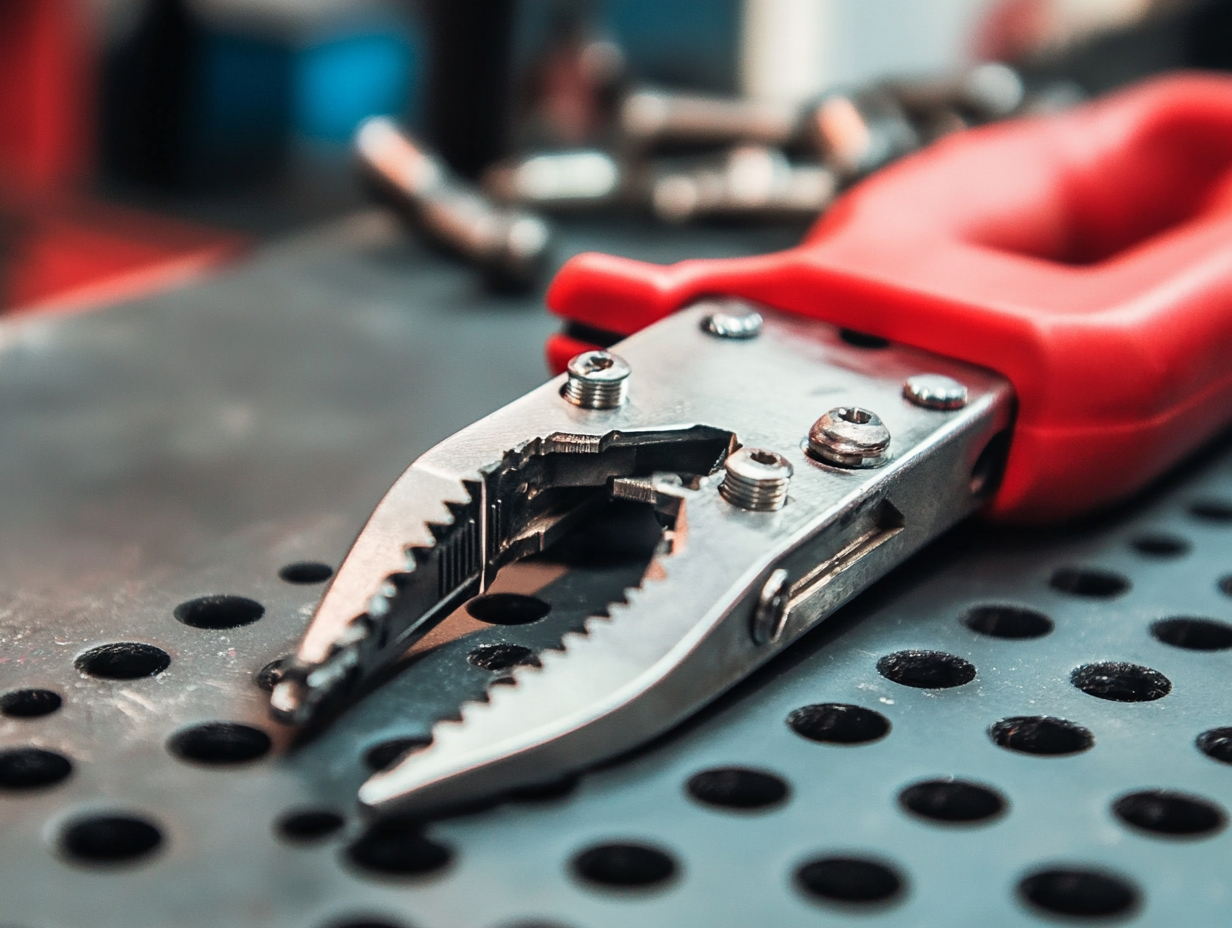
Crimp tools play a major role in manufacturing by ensuring a strong and reliable connection in diverse applications. Understanding this importance proves relevant, especially as industries become more pressured to maintain efficiency and quality while faced with a shortage of skilled labor. Good crimp tools enhance productivity and reduce mistakes, allowing teams to work accurately in challenging situations. With manufacturers searching for ways to improve operational efficiency, there is no doubt that the purchase of quality crimp tools becomes necessary. These tools assist in securing electric components, but they are also integral to the development of innovative systems that deal with current labor challenges. By introducing crimp tools into the sorted processes, organizations maintain consistency in product quality and ease through an ever-competitive landscape where skilled labor is hard to come by.
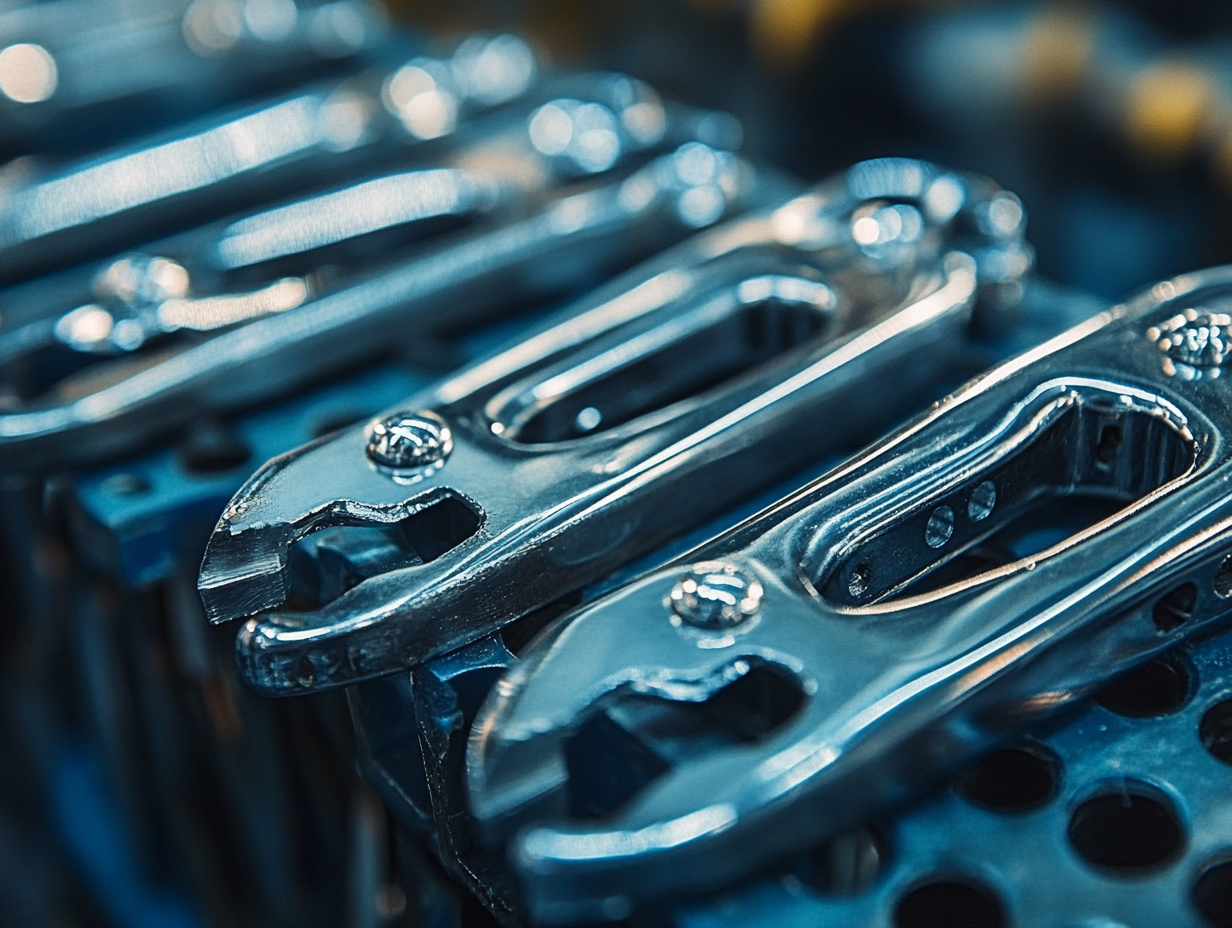
It is possible to select crimp tools among different variations based on the type required for the manufacturing needs. An example is a handheld crimping tool best suited for a small to medium wire and within cramped spaces. This fine tool cuts and flattens lead wires so that components can be attached to PCBs before soldering, making it all very helpful in rapid prototyping and low-run manufacturing projects.
Specialized crimping equipment is also available for specific installations, such as non-leaky joints that ensure proper fitting in PEX plumbing projects. With improved technology in tools, manufacturers can easily access a variety of crimp tools that fit a specific application, including hydraulic systems and electrical assemblies. Knowing these differences will ensure that the right tool is selected in terms of production requirements, be it for hydraulic applications or electrical assemblies.
They are trained on data until the time arrives in the long run, October 2023.
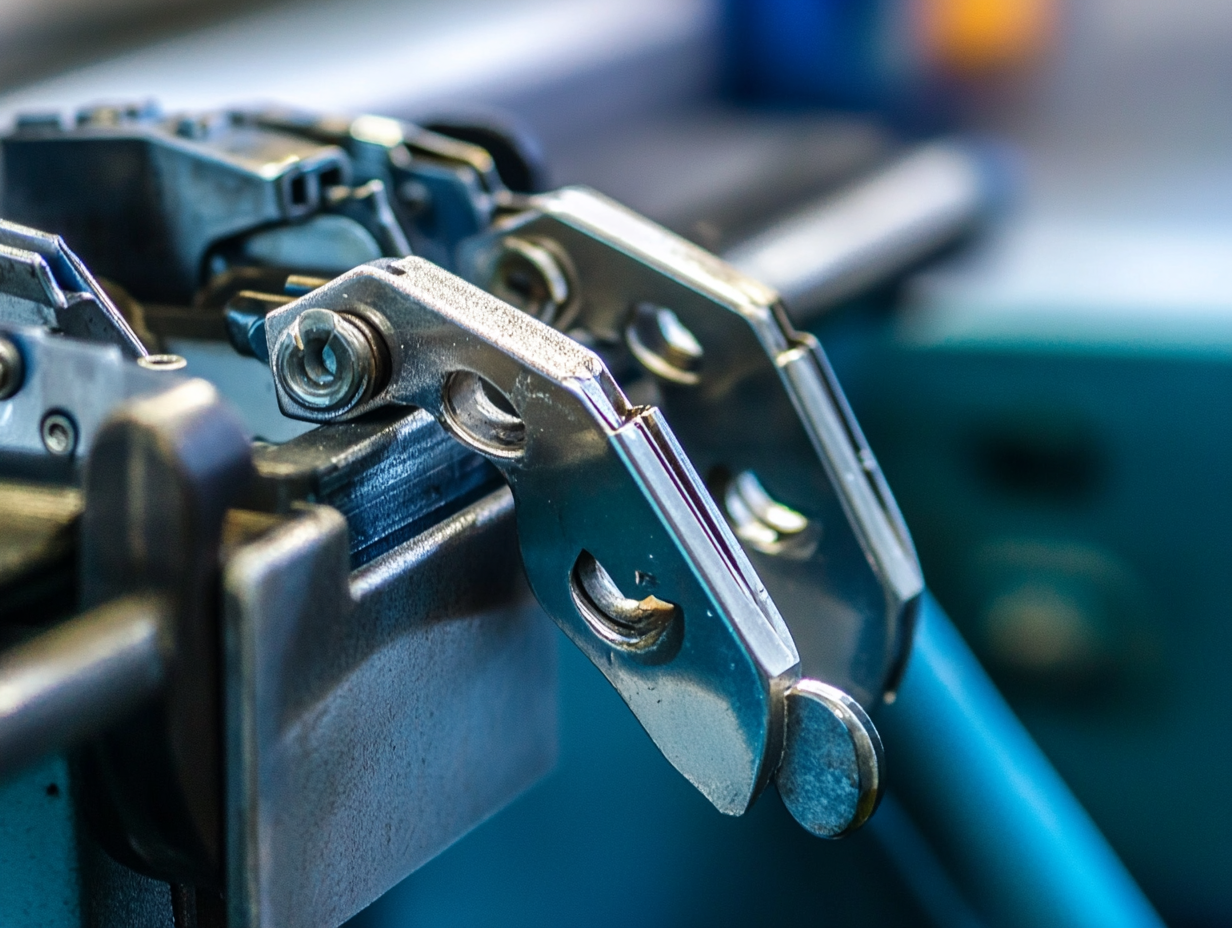
The choice of the right crimp tool will depend on a lot of considerations so that the end performance and productivity are optimized. It is very important to know what type of wire and connector you are working with. There are crimping tools available for different wire sizes and types, which in turn determine how reliable an electrical connection is. In particular, if working with larger cables or specialized connectors, seek out high-leverage tools that impart the required forces without undue fatigue.
Another one that matters is, of course, the design and ease of operation of the tool. For small-to-medium wire application, in particular, handheld crimping tools should work well, especially in tight spaces. Ergonomically designed tools minimize fatigue and enhance accuracy that might be key for repetitive processes. Also check the build quality and durability of the tools, as investing in quality tools will improve long-term return value and minimize replacements.
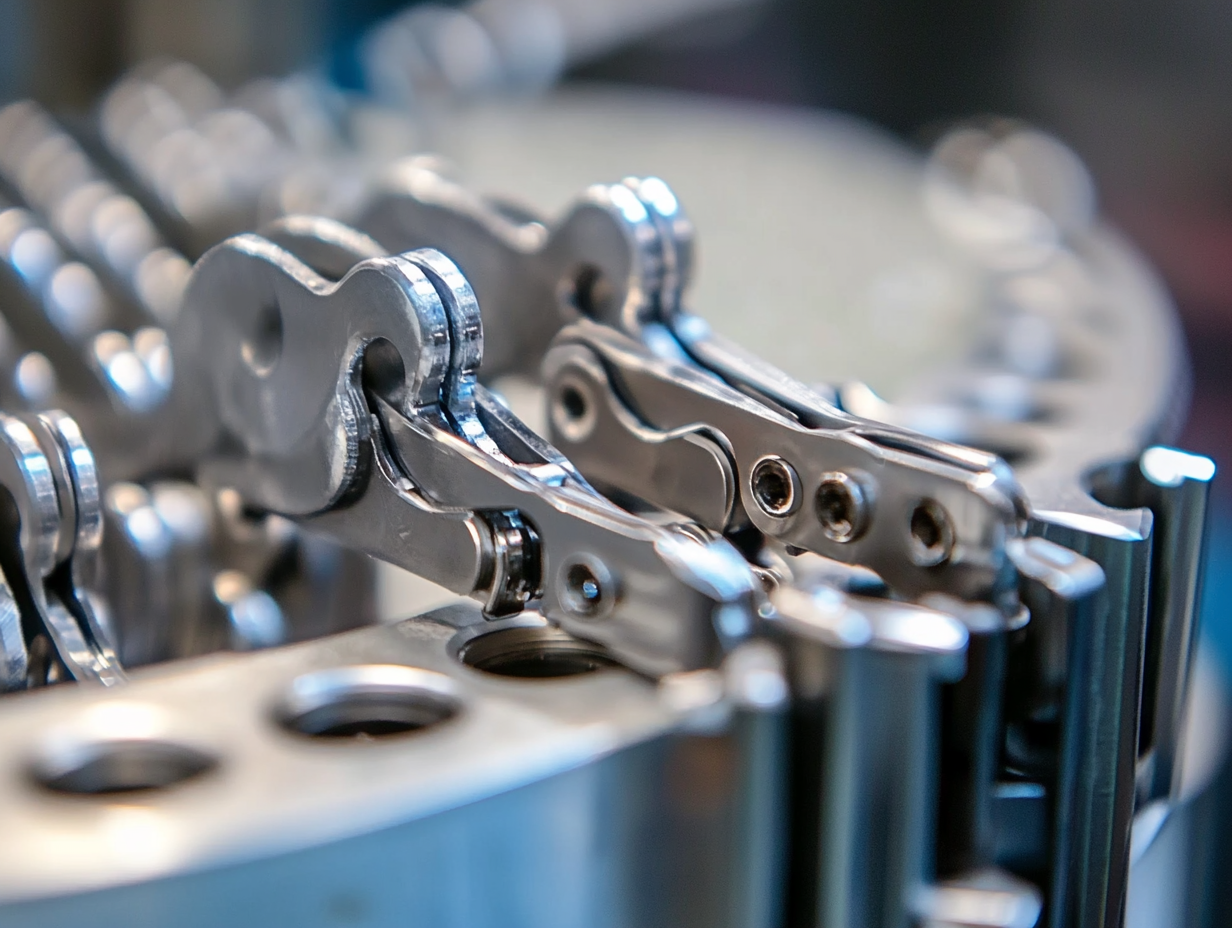
It is vital to understand the concept of material compatibility in a crimp tool selection operation. Crimp tools are tools that short circuit wires or cables and the kinds of tools one to use, well, depend on the actual crimping activity. Such conditions include the wires gauge and also type insulation which can greatly impact the crimping activity. Handheld Wire Crimpers usually can perform well with most projects that use small to medium cables, particularly in places that are kind of hard to access or small production runs.
In addition, the advancement in crimping technology such as smart crimpers helps in achieving better accuracy and efficiency. Tools need to be selected with respect to the specific material usage but also development-wise, to take opportunities for performance improvement. Periodic changes come with developments in the industry, and the innovations-to-date trend always improves speed and quality in production.
The lifeblood of ergonomics and ease in operating and maintaining them brings the need for such crimp tools to produce in the process. Crimping tools that are ergonomically designed go a long way toward reducing fatigue caused by long hours of work in production and increases productivity in a measure. Tools become possible for better control and comfort, producing good output excellence when the ergonomic grip and a more balanced-weight distribution also apply.
The other is effortless operation handling. Intuitively designed tools with ratcheting action or easily swappable component designs make the crimping process easier to manage and lessen mostly the chance of improper applications. Such an instance is vital in PEX plumbing jobs that absolutely require leak-free joints. Moreover, manufacturers can ensure their operations run efficiently but at the same time minimize human errors associated with more complicated equipment through tools that are designed for easy use. Such considerations cover the quality of work done as well as safety from occupational hazards.
The decision to select either manual or powered crimping tools has paramount importance for manufacturing. Manual crimping tools are portable and simple to use and can be used effectively for smaller jobs or jobs on-site. Manual crimping is better suited for precisely controlled crimping, allowing the operator to control the crimping of a component without the danger of over-crimping.
Powered crimping tools, meanwhile, shine in productivity and consistency in large production environments. Powered crimping tools are made to drive heavy workloads while completing repeated tasks quickly to ensure reliable crimping every time. In light of recent advances toward greater tensile strength in crimping assemblies, the selection of tools based on their optimization of performance for certain applications-whether in aviation wiring harnesses or plumbing systems-has become even more crucial.
Understanding a range of available crimp tools is critical in choosing the right types of Crimp Connectors suitable for your manufacturing requirements. For instance, handheld crimping tools are very convenient when linking components with a PCB for reliability prior to soldering, cutting-off, and flattening lead wires for perfect leads to ensure no failure occurs.
New developments in crimping technology have recently included smart crimper advancements, which show just how important it is to use a variety of tools that have features on them that are considered intelligent in terms of precision and supports efficient manufacturing systems. As the need for reliable connections has increased among many sectors such as renewable energy where this demand is increasingly becoming a need, it becomes excellent to invest in the right crimp connector types to ensure product-great integrity, functionality, and longevity.
Certainly, while selecting crimp tools for production, price becomes a major consideration in the budgeting process. The complete life-cycle cost of the tools-the purchase price plus any value they generate for the customer-must be weighed. An expensive crimping tool up front will usually pay back this investment many times over in increased tooling efficiency and lower direct labor costs.
Knowing one's manufacturing environment can also change a few budgeting considerations. Take, for instance, small- to medium-sized jobs needing handheld crimping tools for confined space use. Those crimpers are often obtained at a low price and are acceptable for short runs while still allowing a good level of performance. Properly spent, however, an investment in advanced crimping technology that can withstand high-stress applications, such as those involved in aircraft wiring, would warrant the allocation of larger expenditures in order to positively increase end product reliability. Striking a balance between immediate costs and future requirements will allow you the best opportunity to make an informed conclusion for the health of your company.
Regular maintenance is vital to sustain the crimp tools for longer duration. Cleaning the tools is crucial to remove debris or metal shavings after each usage, which would affect the performance of tools. This would include periodic lubrication of moving parts to prevent rusts and reduce wear, thus lengthening its lifespan visibly.
Moreover, wise storage should also be considered. Have an exclusive tool storage system that will keep the crimp tools organized and well protected. Never leave them in moist places, as moisture causes corrosion. Such simple maintenance efforts can maximize the efficiency and durability of crimp tools and make them valuable assets for all your manufacturing needs.
Reliability and endorsement play an important role when sourcing crimping tools for your manufacturing needs. Tool performance assessment is vital for application such as PEX plumbing, where it is intended to form a leak-free connection. The most recent tests have been conducted on the best performing PEX crimping tools, which serve to simplify the installation process but also ensure the longevity and efficiency of the plumbing project.
Another point worth consideration before heading to purchase a crimp tool is understanding the criteria by which different methods of crimping have their advantages. For example, one would want to buy the ratchet crimp pliers that guarantee proper crimping without much effort to be put into accuracy, while the simple contraptions are better if ease is to be taken into account. Brands that would carry strong credence regarding tool purchase would be those that show commitment to manufacture those products with tensile strengths characteristic of materials, like carbon fiber as they've found their place within the industry. Ultimately, crimp tools will always be the means to increased productivity while keeping upprisingly high standards in manufacturing processes.
Handheld crimping tools are utilized for projects involving small to medium wires and tight spaces. They efficiently cut lead wires and secure components to printed circuit boards (PCBs) before soldering, making them ideal for prototyping and low-volume runs.
There are specialized crimp tools designed specifically for PEX plumbing projects, which ensure leak-free joints essential for successful installations.
Manual crimp tools offer portability and precision, making them suitable for smaller projects, while powered crimp tools excel in efficiency and consistency for larger production environments, allowing them to handle heavier workloads.
Powered crimp tools provide efficiency, speed, and reliability for repetitive tasks, ensuring a consistent crimp every time, which is particularly beneficial in larger production settings.
Regular maintenance includes cleaning tools after use to remove debris, lubricating moving parts to prevent rust, and ensuring proper storage to protect against damp environments.
Proper storage helps keep crimp tools organized and protected, preventing moisture accumulation that can lead to corrosion, thus extending their lifespan and maintaining performance.
It's advisable to clean the tools after each use and lubricate the moving parts periodically to ensure optimal performance and longevity.
Selecting the appropriate crimp tools can optimize performance in various applications, including aviation wiring harnesses, hydraulic systems, and electrical assemblies.