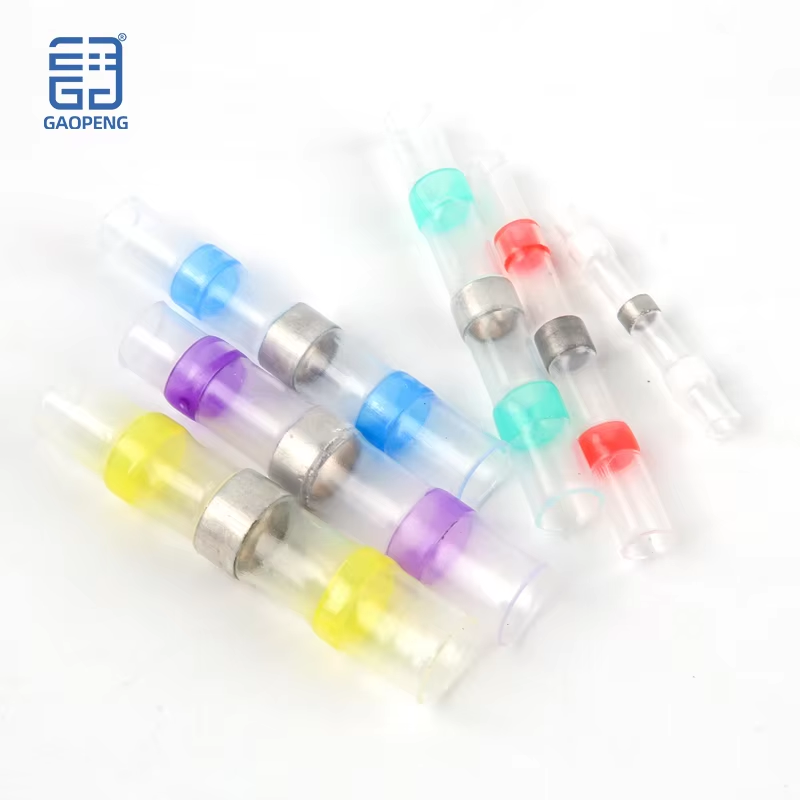
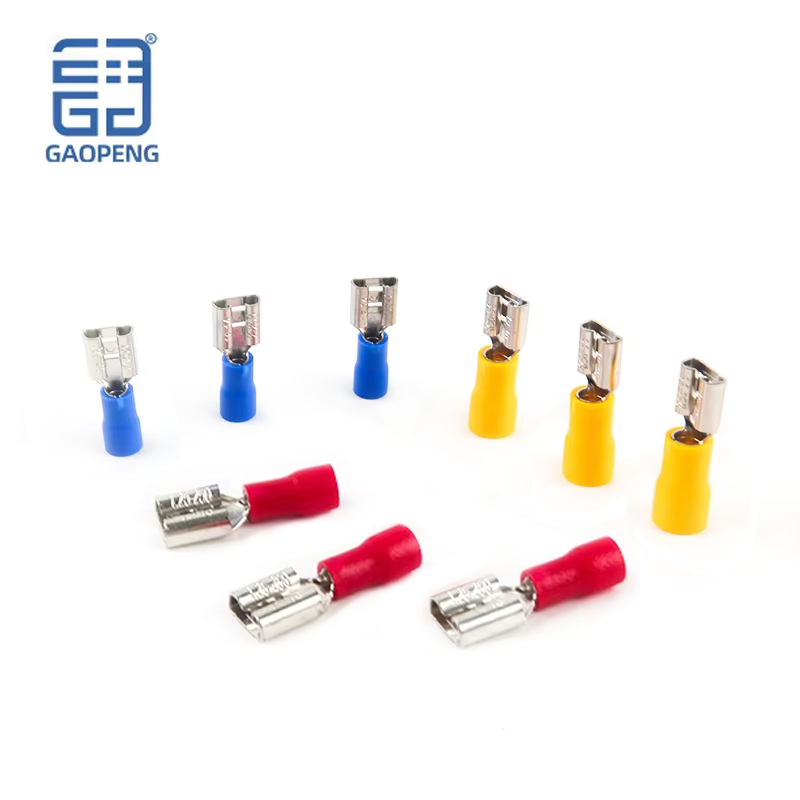
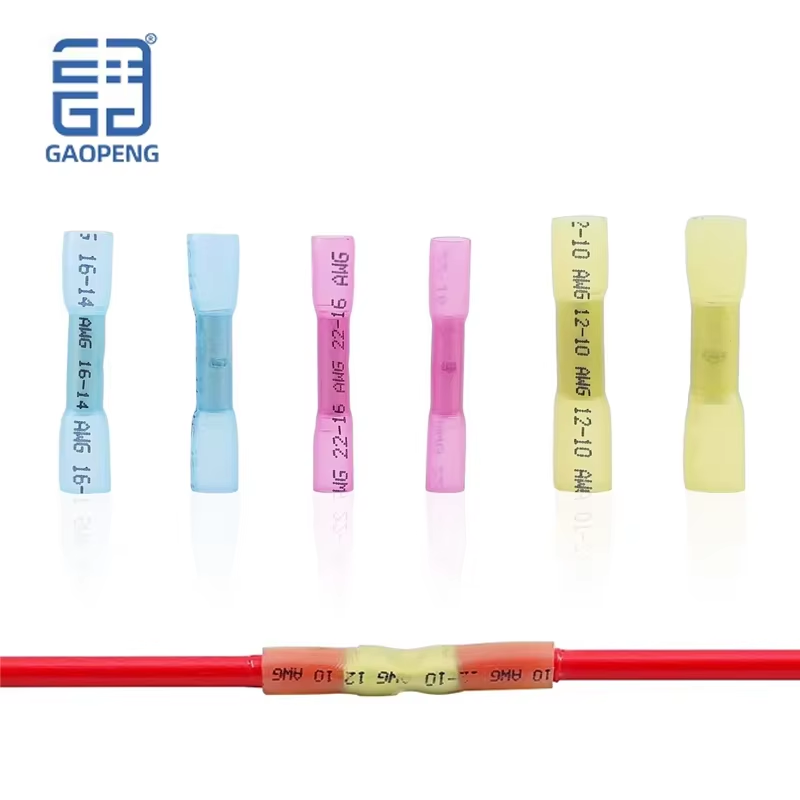
You know, in today’s fast-paced electrical world, making sure connections are solid is super important if you want your systems to perform well and last a long time. That’s where Heat Shrink Connectors come into play—they’re a real game-changer. These connectors give you great protection against the elements and mechanical jolts, kind of like a shield for your wires. Industry experts say that the global market for these connectors is really heating up, mainly because everyone’s looking for durable, efficient electrical connections. You see this across all sorts of industries—auto, telecom, renewable energy, you name it.
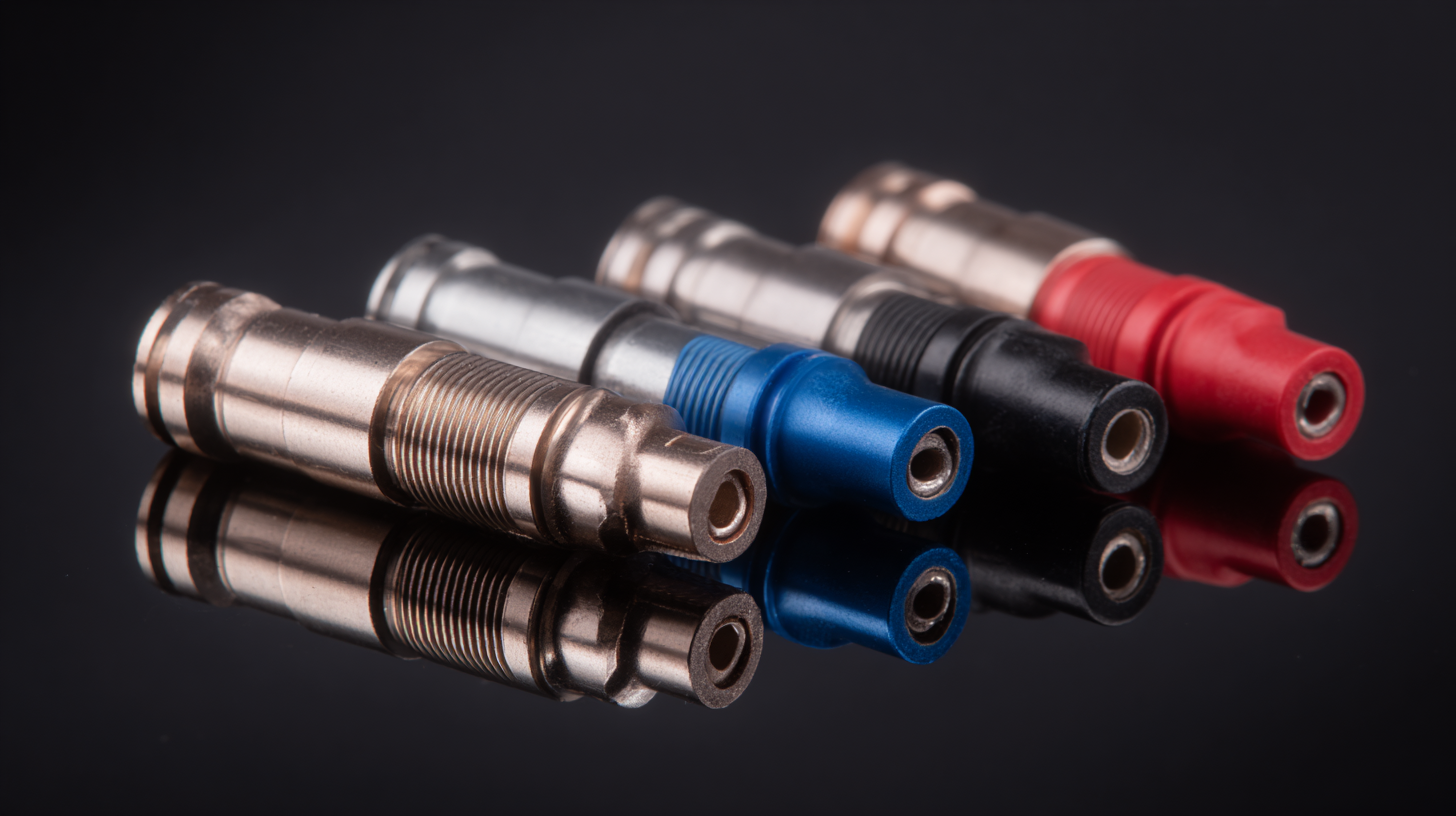
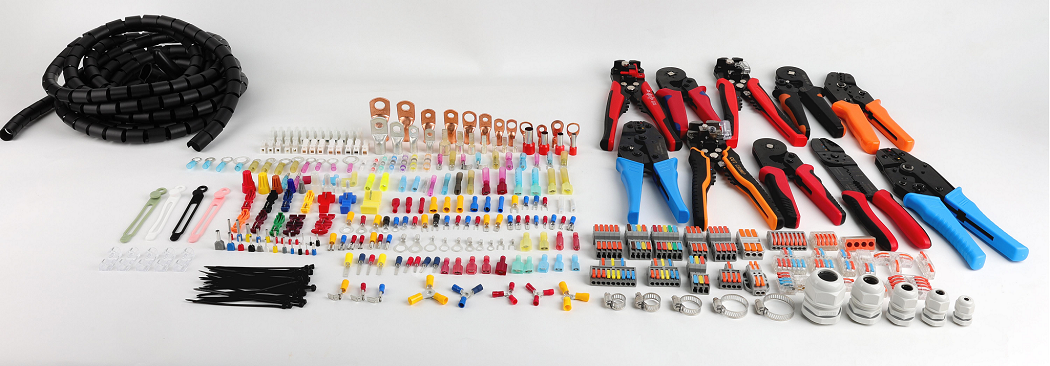
Oh, and by the way, Yueqing Gaopeng Electric Co., Ltd., started back in 2016 in Wenzhou, Zhejiang Province. They’re pretty much focused on creating top-notch terminals and connectors, including those heat-shrink ones. They’re cranking out billions of units every year and are big players across Asia, Europe, America, and Africa. Basically, Gaopeng’s got what it takes to meet the demand of this busy market, making sure their customers get products that are both innovative and reliable for their electrical needs.
Advantages of Heat Shrink Connectors in Electrical Applications
You know, heat shrink connectors have really been gaining popularity across different electrical projects lately. One of the main reasons? They do a much better job at sealing things up—waterproof and dustproof—so your connections last longer and stay more reliable. I remember reading that, according to the Electrical Connector Industry Association, these connectors can cut down failure rates by up to 60% in tough environments. That makes them a no-brainer for stuff like cars, boats, or outdoor setups, where moisture and dirt are always lurking around.
And it doesn’t stop there. These connectors also do a fantastic job with strain relief and handling vibrations. The adhesive lining inside helps keep the connection tight, but it also absorbs some of the mechanical stress—huge bonus for things like vehicles or heavy machinery that vibrate all the time. An international study even showed that installations using heat shrink tech had significantly fewer failures over time—that’s a pretty solid proof of how dependable they are. All in all, these features make heat shrink connectors a smarter choice for safer, more durable electrical systems, no matter what industry you’re in.
Exploring the Benefits of Heat Shrink Connectors for Reliable Electrical Connections
| Feature | Description | Benefits |
| Waterproofing | Heat shrink connectors provide a tight seal when shrunk, preventing moisture ingress. | Increases longevity and reliability in humid or wet environments. |
| Durability | Made from robust materials that withstand mechanical stress and environmental factors. | Reduces the risk of connection failure due to vibration or movement. |
| Electrical Insulation | Offers excellent electrical insulation properties. | Minimizes short circuits and electrical leaks. |
| Ease of Use | Simple installation process needing only heat to activate. | Saves time and reduces the need for additional tools. |
| Versatility | Available in various sizes and compatibility with different wire gauges. | Can be used in a wide range of applications, from automotive to industrial. |
Key Features of Heat Shrink Technology Enhancing Connection Reliability
Heat shrink connectors are really becoming a popular choice these days when it comes to making sure your electrical connections stay solid and reliable. One of the coolest things about heat shrink technology is how well it seals things up against the elements—whether it’s moisture, dust, or even chemicals. Basically, when you apply heat, the connector shrinks snugly around the wire, creating a waterproof, airtight seal that helps prevent corrosion and makes the connection last longer. This is especially handy for stuff like cars, boats, or outdoor setups where things get pretty rough.
Another thing I’ve noticed is that a lot of heat shrink connectors come with this adhesive liner inside. It’s pretty smart because it not only keeps everything tight and secure around the wire but also adds an extra layer of protection. When you heat it up, the adhesive melts slightly and bonds with the wire and the connector, which really helps with electrical conductivity and reduces the chances of the connection coming loose over time. Plus, these connectors come in different sizes and colors, so you can pick what’s best for your project—whether you’re a pro or just doing a DIY fix at home, they’re super versatile.
Step-by-Step Guide to Properly Install Heat Shrink Connectors
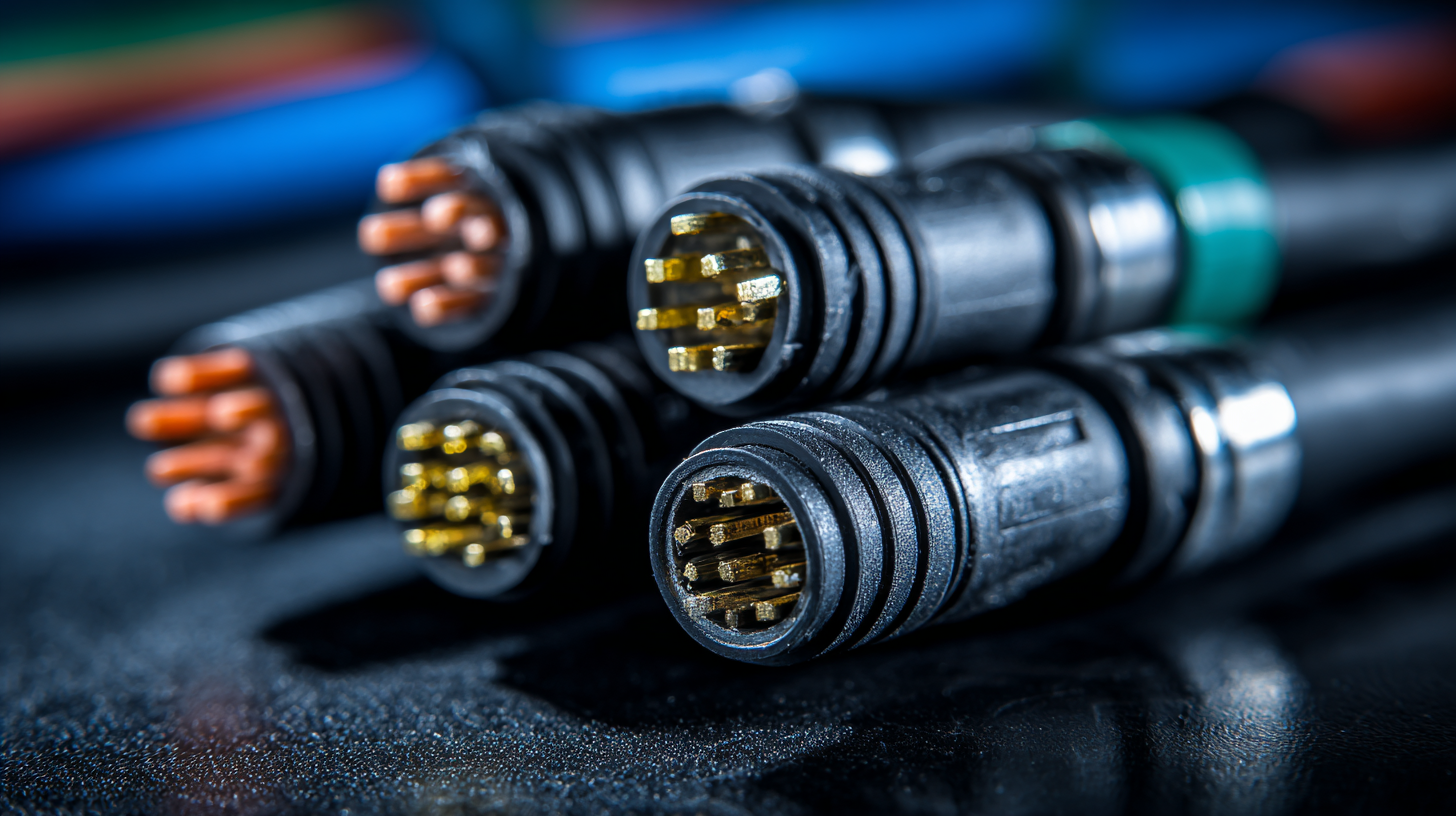 Heat shrink connectors are pretty much essential when you want to make sure your electrical connections are solid, especially if you're dealing with environments that tend to get damp or have a lot of vibrations. Getting the installation right is super important if you want these connectors to do their job well. Here’s a quick rundown on how to get a reliable, long-lasting connection.
Start by preparing your wires—strip off a little insulation so the bare conductor shows, enough to make a good connection. Then, insert those stripped ends into the heat shrink connector, making sure they fit nice and snug. Once that’s in place, grab a good crimper to secure the connection. Trust me, skipping this step or doing it poorly can lead to things failing down the line, and that might even be dangerous—especially in cars or other setups where safety matters.
A couple of tips: it’s a good idea to use some electrical moisture sealant along with the heat shrink. That extra layer helps keep water out. When you’re heating the connector, spin it around evenly so it shrinks uniformly. This’ll give you a tight, waterproof seal that keeps corrosion at bay and keeps your connection strong over time. And last thing—make sure you pick connectors that match your wire gauge; it’ll make everything work way better.
Common Mistakes to Avoid When Using Heat Shrink Connectors
When you're using heat shrink connectors, it's pretty common to make a few mistakes that can really mess with how well they work. One of the biggest issues is not applying enough heat during the shrinking process. I came across a report from the Electrical and Electronics Institute that says if you don’t heat the connector enough, it can lead to a 30% drop in connection reliability over time. Basically, if you don’t heat it enough, the adhesive lining doesn’t activate properly, so it can’t seal out moisture and dirt effectively — which isn't great for long-term performance.
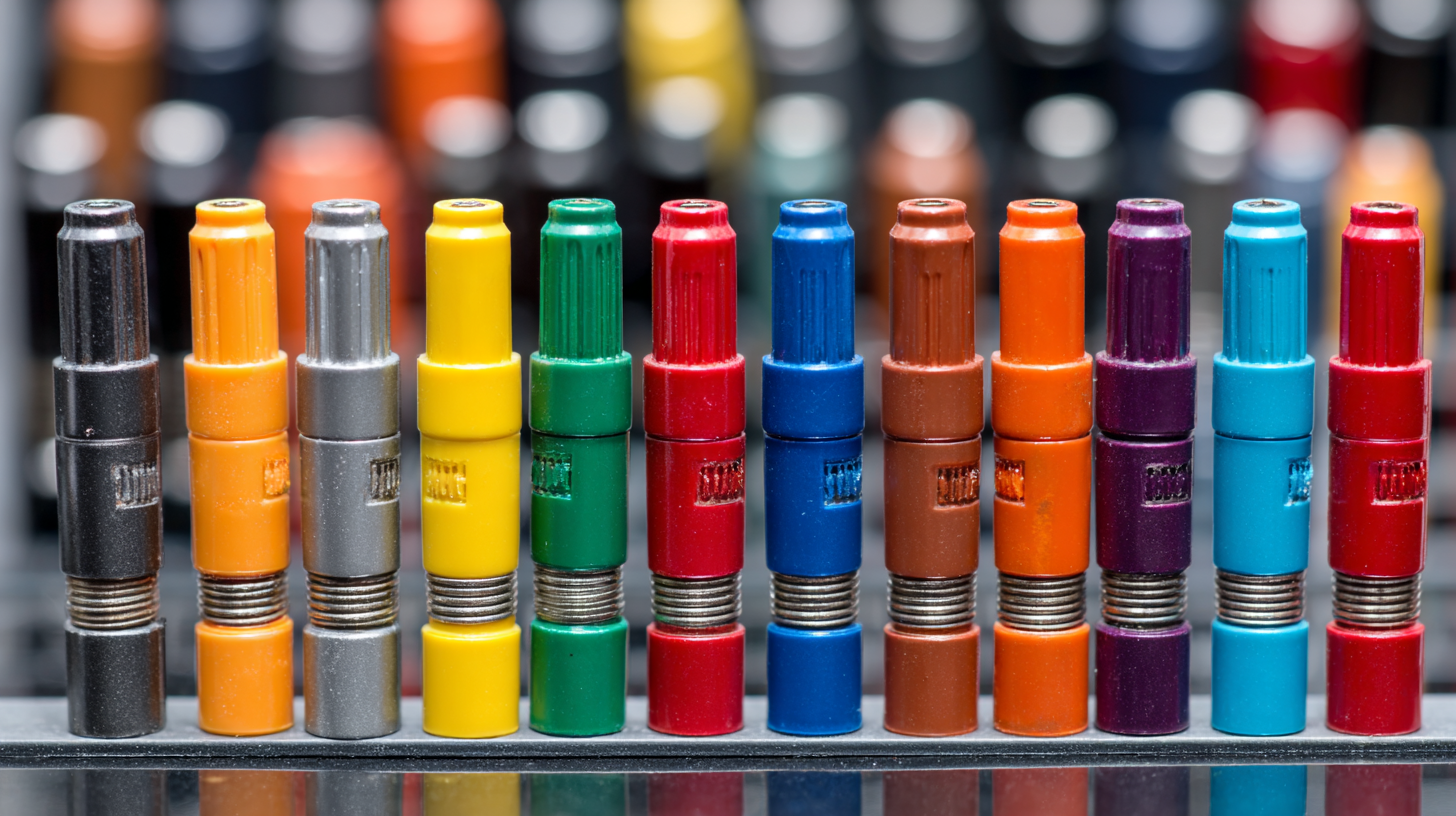
Another thing people often overlook is making sure the connector actually fits the wire size properly. According to a study by the IEEE, using mismatched sizes can bump up resistance and even cause the wire to overheat, which can lead to system failures. Plus, a lot of folks skip cleaning the wires before applying the connector. Dirt or oxidation on the wires can seriously mess things up, and a report from Electrical Reliability Maintenance points out that skipping proper cleaning can cut the lifespan of that connection in half! Overall, avoiding these common pitfalls can really help ensure your heat shrink connectors hold up and do their job, no matter what you're working on.
Choosing the Right Heat Shrink Connector for Your Project
So, when you're diving into a project that needs solid electrical connections, picking the right heat shrink connector is kind of a big deal. These connectors come in all sorts of sizes and materials, and each one works better for specific situations. It's really worth thinking about where you'll be using them. For example, if the wires are going to be exposed to moisture, you'll want to go for waterproof kinds that have an adhesive lining—those really help keep everything sealed up tight.
A few tips for picking out the right heat shrink connectors: check their operating temperature range and make sure they match your wire gauge. Also, try to stick with those that are certified and meet industry standards—that way, you know they’re reliable and safe. Spending a bit extra on quality connectors can save you headaches later on, like fixing or replacing failed connections.
And don’t forget to think about how you’re going to install them. Some connectors need special tools, while others are pretty straightforward—you might just need a heat gun. Take a moment to understand what your chosen connectors require so you can do a clean, secure job that lasts.
Comparative Analysis: Heat Shrink Connectors vs. Traditional Connectors
When it comes to making sure your electrical connections are reliable, choosing between heat shrink connectors and traditional ones can actually make a pretty big difference. Heat shrink connectors tend to do a much better job at keeping out moisture, dirt, and other environmental stuff—that’s why they’re especially good for outdoor setups or places with high humidity. Unlike the old-school connectors, which can get corroded over time, heat shrink options seal everything tight, so contaminants stay out, and your connection lasts longer.
A quick tip: when you’re installing heat shrink connectors, make sure to apply heat evenly—using a heat gun is much better than a lighter because it gives you more control and shrinks the tubing more uniformly.
On the flip side, traditional connectors usually rely on mechanical fastening methods. Over time, especially in places with a lot of vibrations, those connections can loosen up, causing stuff like electrical shorts or signals cutting in and out. Heat shrink connectors, by comparison, tend to be a lot more solid—they help keep a consistent electrical connection, even in rough conditions.
Another thing to keep in mind: always pick the right size of heat shrink connector for your wire—fits snugly, you know? And if you’re using them in automotive or marine projects, look for models that are rated to handle high temperatures and are made from tough, weatherproof materials. That way, you’re set for whatever environment they’re in.
Comparative Analysis of Heat Shrink Connectors vs. Traditional Connectors
FAQS
: Heat shrink connectors are used to ensure durable and reliable electrical connections, particularly in environments exposed to moisture, dust, and chemicals.
Heat shrink technology provides a waterproof and airtight seal when heat is applied, preventing corrosion and enhancing the longevity of the connection.
The adhesive liner enhances the mechanical grip between the connector and the wire, improves electrical conductivity, and reduces the risk of failure due to loosening over time.
Yes, heat shrink connectors come in various sizes and colors, allowing for tailored solutions for specific project needs.
The first step is to prepare the wires by stripping the insulation to expose enough conductor for a solid connection.
Proper crimping is crucial because improper crimping can lead to connection failures, which may pose safety hazards, especially in automotive applications.
Yes, using electrical moisture sealant in combination with heat shrink connectors helps protect against moisture ingress.
It is recommended to heat the connector evenly with a heat source and rotate it to ensure even shrinking.
Always choose connectors that match your wire gauge for optimal results.
Heat shrink connectors are especially advantageous in automotive, marine, and outdoor applications where exposure to harsh conditions is common.
Conclusion
Heat shrink connectors are really gaining popularity in the world of electrical work lately. Why? Well, they come with a bunch of benefits like being super durable and resistant to moisture — pretty important when you're dealing with real-world conditions. Basically, these connectors use heat shrink technology, which means you get a tighter, more reliable connection. It helps seal things up nicely and also provides some strain relief, so wires don’t get tugged apart easily. If you’re thinking about installing them, following a simple step-by-step guide can definitely help you get the best results. That said, it’s also good to keep an eye out for rookie mistakes — they can seriously mess with how well the connectors perform.
When you're choosing the right heat shrink connector for your project, there are a few things to think about. Like, what’s the environmental situation? Will it be exposed to moisture, heat, or harsh conditions? And, of course, the size of the wires you’re working with matters too. Comparing heat shrink connectors to the traditional ones, it’s pretty clear they tend to perform better and last longer. Here at Yueqing Gaopeng Electric Co., Ltd., we’re pretty proud of our expertise in designing and making high-quality terminals and connectors. We offer a wide range of heat shrink options to fit different applications around the globe — so whatever your project needs, we’ve got you covered.