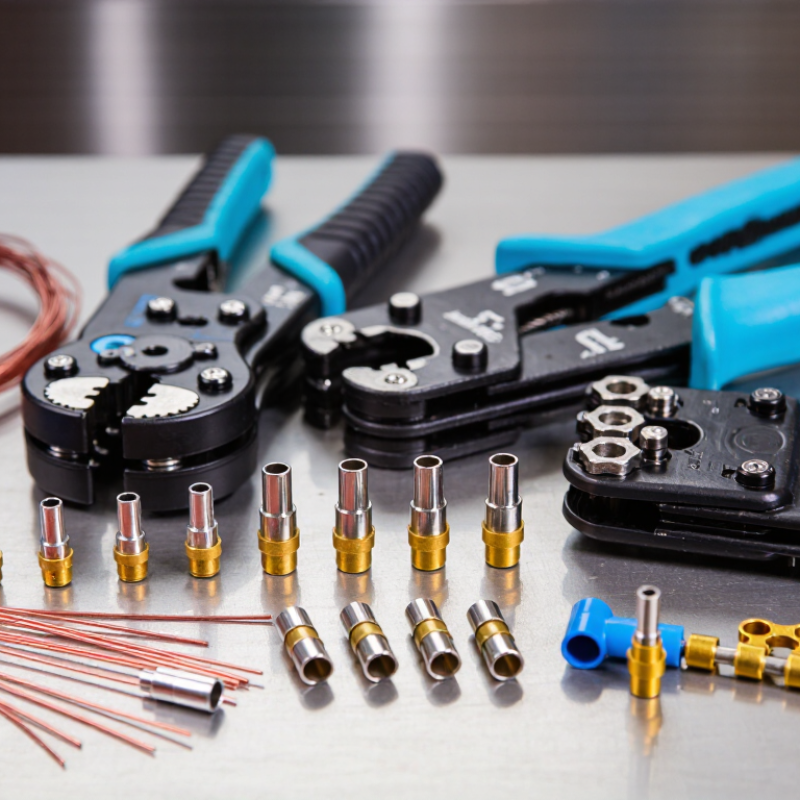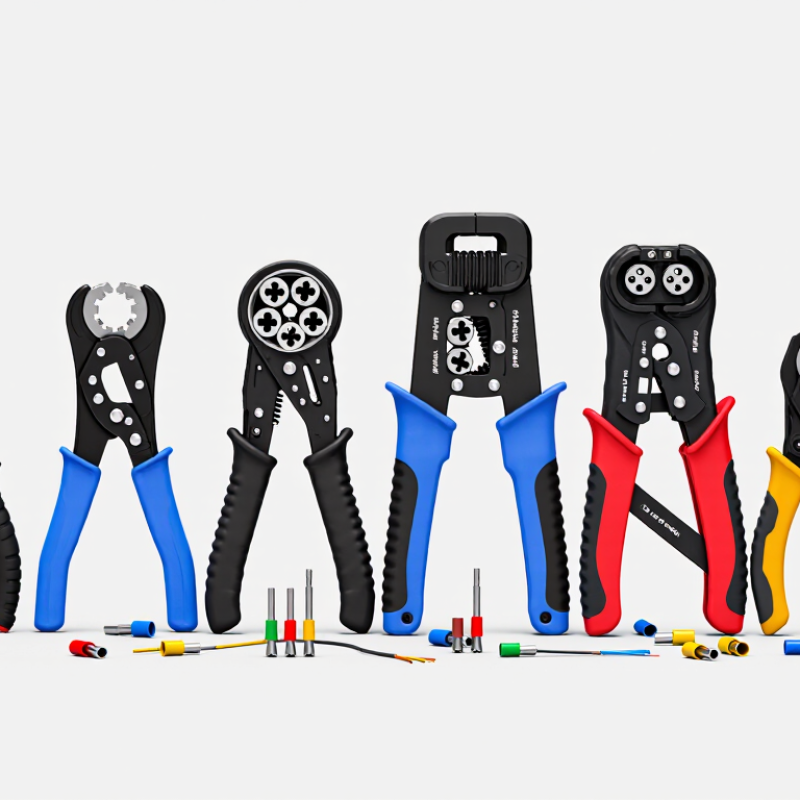
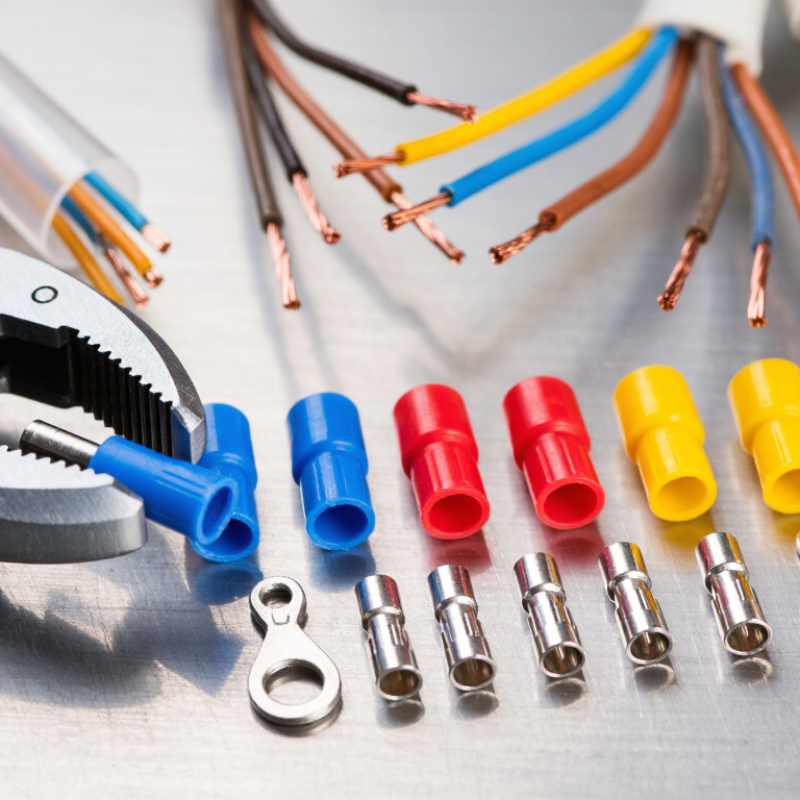
Choosing Insulated Terminal Connectors is a practical decision, not a simple catalog exercise. The right connector must match the wire size, conductor material, insulation type, and working environment. A terminal that looks suitable may loosen under vibration or overheat during continuous operation. Small details matter.
During hands-on wiring inspections, I have seen poor crimps hidden beneath clean insulation. The connection appeared acceptable, but the conductor pulled free with modest force. This is why experienced technicians check crimp height, barrel fit, and pull strength before approving a batch. They also verify whether the connector supports copper, aluminum, or both conductors. Compatibility should never be guessed.
Start with the application. Is the terminal used inside a dry control cabinet, a vehicle, or outdoor equipment? Moisture, oil, heat, and repeated movement can change the selection. Nylon, PVC, and heat-shrink insulation offer different levels of protection. Temperature ratings and voltage ratings should come from the manufacturer’s datasheet, not a reseller’s brief description.
Check the crimping tool, too. A reliable terminal can still fail when installed with the wrong die. Look for traceable test reports, clear batch information, and recognized standards such as UL or IEC requirements where applicable. Certification alone is not proof of perfect performance. It is supporting evidence.
A careful selection process reduces rework, loose connections, and unexpected downtime. Still, no checklist replaces a real installation review. Your first choice may need revision after testing. That is not failure; it is responsible engineering.

Understanding Insulated Terminal Connectors and Their Main Functions
Insulated Terminal Connectors join wires to equipment while controlling current flow and preventing accidental contact. Their insulation also reduces short-circuit risk near metal panels, batteries, and control cabinets. In practical panel work, a connector must match the wire size, conductor material, voltage, temperature, and expected vibration. A loose crimp may look acceptable but can create heat under load. That detail is easy to miss.
High-Quality Insulated Terminal Connectorsshould provide a stable crimp barrel, consistent insulation, and enough strain relief for repeated movement. The connector’s main functions are electrical continuity, mechanical retention, insulation, and corrosion resistance. Choose ring terminals for fixed studs, fork terminals for accessible screws, and butT connectors for in-line splicing. Check the manufacturer’s crimp range and perform a pull test when possible. It is not glamorous work.
Grand View Research estimated the global electrical connectors market at about USD 84.6 billion in 2023, with continued growth through 2030. This expansion reflects rising demand across vehicles, industrial controls, and energy systems. The International Energy Agency reported nearly 14 million electric cars sold worldwide in 2023, increasing the need for reliable low-voltage and high-voltage connection practices. However, market growth does not guarantee quality. I would still inspect insulation cuts, exposed strands, and uneven crimps before installation. Temperature cycling and moisture can reveal weaknesses that a visual check misses.
Identifying the Correct Connector Type for Each Wiring Application
Choosing an insulated terminal connector starts with the wiring application, not the package label. Identify the conductor material, cross-sectional area, voltage, current, and installation environment. Copper wire usually requires a compatible copper terminal. Aluminium conductors need approved solutions for oxidation and thermal expansion. Check the crimp barrel carefully. A loose fit can create heat at the joint.
Ring terminals suit permanent stud connections, while fork terminals support faster service access. Butt connectors join two wires in-line. Spade terminals work well in compact control panels, but they may loosen under vibration.
For damp or exposed areas, select sealed heat-shrink connectors with suitable temperature ratings. IEC 61210 and UL 486A-486B provide useful requirements for terminal performance, crimping, and current-carrying reliability. Follow the connector’s tested wire range, not just its colour code.
The numbers show why selection matters. Grand View Research valued the global electrical connectors market at about USD 84 billion in 2023 and expects continued growth through 2030. Bishop & Associates also identifies automotive, industrial, and data applications as major connector demand areas in recent industry reporting.
Those environments rarely share the same connector needs. A control cabinet may need vibration resistance, while a vehicle harness may need sealing and temperature stability.
In practice, I would verify the crimp with a pull test and inspect the conductor brush length. I have seen “correct-looking” crimps fail after repeated movement. Specifications help, but installation quality still decides the result.
Matching Wire Size, Terminal Size, and Electrical Capacity
Choosing insulated terminal connectors starts with three matches: wire size, terminal size, and electrical capacity. A connector may look suitable, yet fail when one detail is overlooked. Check the conductor’s gauge, the terminal’s stud diameter, and its rated current before ordering Wholesale Insulated Terminal Connectors. The wire must fit the barrel without forcing or loose strands. The terminal hole must sit flat on the screw or stud.
NFPA 70 (2023), Table 310.16, lists 14 AWG copper at 15 amperes under the 60°C column, 12 AWG at 20 amperes, and 10 AWG at 30 amperes. These values are reference points, not automatic connector ratings. Temperature, bundling, insulation type, and installation conditions can reduce usable capacity. UL 486A-486B also emphasizes secure crimping and reliable wire-to-terminal connections. A terminal rated below the circuit load becomes the weak point.
Measure twice. Crimp once. Select a red, blue, or yellow insulated terminal only when its marked wire range matches the actual conductor. For example, a 12 AWG wire needs a terminal approved for that gauge, not merely one that fits the stud. After crimping, inspect the barrel for cracks and gently pull the wire. A neat crimp can still be wrong if the die size is incorrect. This is where many purchasing checks become too simple. Recheck the datasheet, especially for high-temperature panels or crowded enclosures.
Selecting Suitable Insulation Materials and Protection Levels
How to Choose Insulated Terminal Connectors?
Selecting the right insulation material starts with the working environment. PVC suits many indoor control panels because it is flexible, affordable, and easy to crimp. However, high temperatures can soften it and reduce protection around the terminal. Nylon generally handles heat and mechanical stress better, while polyolefin offers reliable moisture resistance. Silicone works well in demanding temperature ranges, but it may not resist abrasion as effectively.
Check the connector’s temperature, voltage, and flame-resistance ratings before installation. Do not select insulation by appearance alone. A terminal near a motor may face vibration, oil mist, and repeated heating. In that situation, a stronger material and secure strain relief are important. I have seen neatly crimped terminals fail because the insulation was not suited to movement.
Protection level also depends on the enclosure and the finished connection. In damp areas, choose sealed terminals or heat-shrink insulation with proper recovery. Keep water paths away from exposed metal. For dusty locations, inspect the seal after crimping, because a small gap can collect contamination. This detail is easy to miss.
Use a calibrated crimping tool and match it to the terminal size. Then perform a gentle pull test. It is not a complete inspection, but it reveals weak crimps quickly. Recheck the specification when conditions change. A connector suitable for a dry cabinet may be unsuitable beside heated equipment.
Checking Crimping Methods, Tools, and Connection Reliability
How to Choose Insulated Terminal Connectors?
Checking Crimping Methods, Tools, and Connection Reliability
A reliable insulated terminal connector starts with the correct wire size and terminal barrel. Check both before crimping. A loose fit can create resistance, heat, and eventual failure. The insulation sleeve should support the wire without entering the metal barrel too deeply.
Use a ratcheting crimp tool matched to the terminal design. It should complete the crimp before releasing the handle. This helps produce consistent pressure. Place the terminal squarely in the correct die cavity, then insert the stripped wire fully. Copper strands should remain visible near the inspection opening, if one exists. Do not twist or fold the strands.
Pull firmly by hand.
I once accepted a connection because it looked neat. Later, a gentle pull exposed a weak crimp. Appearance was not enough. A proper check may include a pull test, conductor inspection, and a resistance measurement under expected load. These checks reveal problems that visual inspection misses.
Custom Insulated Terminal Connectors can suit unusual wire sizes, layouts, or insulation requirements. However, custom dimensions demand tighter process control. Confirm the conductor material, insulation thickness, crimp profile, and operating temperature. Record the tool setting and inspection result for repeatable production. If the terminal rotates after crimping, stop and investigate. The connection may be usable, but I would not call it reliable without finding the cause.
Considering Environmental Conditions and Safety Requirements
Selecting insulated terminal connectors starts with the environment, not the catalog photo. In humid cabinets, condensation can creep under insulation and corrode the crimp area. For outdoor equipment, choose insulation and sealing suited to rain, ultraviolet exposure, dust, and temperature swings. Cold conditions may make some plastics brittle. Heat accelerates aging. Small details matter.
In practical inspections, I check conductor size, insulation diameter, crimp profile, and pull strength before energizing a circuit. A connector that fits the wire but leaves loose strands is not a safe connection. Use the specified crimping tool, and inspect the barrel for even compression rather than relying on appearance alone. It feels slow. It prevents surprises. For China Insulated Terminal Connectors, verify traceable material data, production consistency, and test records from the supplier.
Safety requirements also include voltage, current, flame behavior, vibration, and clearance around neighboring terminals. Select products against the equipment’s actual limits, not a generous estimate. Where standards apply, compare documented test results with relevant installation rules and local electrical requirements. I would also sample connectors from different production batches when failure consequences are serious. No inspection is perfect. I have learned not to trust a bright, clean connector without checking its crimp.
Comparing Quality, Standards, Cost, and Long-Term Performance
How to Choose Insulated Terminal Connectors?
Quality begins with the crimp, not the plastic color. In field inspections, loose crimps often show heat marks, oxidation, or pulled conductors. Choose terminals with consistent barrel thickness, clear wire-size markings, and insulation that grips firmly. UL 486A-486B covers wire connectors, while IEC 60352-2 addresses solderless crimped connections. These standards help, but certification alone does not guarantee correct installation. The wrong crimp tool can still produce a weak joint.
Standards protect performance.
Cost requires a wider view. A low-priced connector may save cents today, yet premature corrosion can increase maintenance labor and downtime. Test evidence matters more than packaging claims. Look for tensile, vibration, temperature-cycling, and corrosion results tied to recognized methods. The NFPA report Fire Loss in the United States During 2022 recorded 1,504,500 fires and about $18.1 billion in property damage. This figure does not prove that terminals caused those fires, but it highlights why dependable electrical connections deserve careful selection. Use terminals rated for the conductor material, current, temperature, and surrounding moisture.
Long-term performance depends on the whole installation. Match the terminal to the wire size, strip length, and approved crimp profile. Inspect the finished joint for exposed strands or damaged insulation. I still see experienced technicians over-tighten connections, assuming more force means better contact. It does not. A documented pull test and periodic inspection can reveal weaknesses early. Sometimes, the costliest mistake is choosing a connector that merely looks compliant.
How to Choose Insulated Terminal Connectors?
Typical continuous temperature ranges for common insulation systems. Higher temperature capability can improve long-term reliability, but connector quality, crimp tooling, wire compatibility, and compliance with applicable standards must also be verified.
PVC-insulated terminals are commonly selected for economical general-purpose wiring. Nylon provides a wider practical temperature range, while heat-shrink polyolefin systems generally offer the strongest environmental sealing and higher temperature capability at a higher typical cost. Always check the product datasheet and the required requirements of standards such as UL 486A-486B, IEC 60352-2, or CSA C22.2 No. 65 before selection.
FAQS
They join wires to equipment while maintaining electrical continuity and limiting accidental contact.
A ring terminal suits fixed studs because it stays secured after tightening.
Use a butt connector for an in-line wire splice.
Check wire size, insulation diameter, voltage, temperature, vibration, and expected moisture.
A loose crimp can create resistance and heat under load.
Use the specified crimping tool and check the completed crimp visually.
Humidity can cause condensation and corrosion beneath the insulation.
Verify current, voltage, flame behavior, vibration resistance, and clearance from nearby terminals.
Conclusion
Choosing the right Insulated Terminal Connectors is essential for creating safe, stable, and durable electrical connections. Start by identifying the connector type that suits the wiring application, such as ring, fork, butt, or quick-disconnect terminals. Confirm that the connector matches the wire gauge, terminal dimensions, and expected electrical load. The insulation material should also be selected according to the required protection against heat, moisture, chemicals, abrasion, and accidental contact.
Reliable installation depends on using the correct crimping method and a suitable tool to achieve a firm, uniform connection without damaging the wire or insulation. Environmental conditions, operating temperature, vibration, and safety requirements should be evaluated before selection. Finally, compare product quality, applicable standards, total cost, and expected service life rather than focusing only on the initial purchase price. A well-matched connector can improve connection reliability, reduce maintenance, and support long-term system performance.