 In the rapidly evolving field of electrical connectivity, selecting the right components can significantly impact project outcomes. As highlighted in industry reports, the global market for Wire Connectors, including Butt Connectors, is projected to reach USD 16.5 billion by 2025, driven by the increasing demand for efficient electrical systems across various sectors. With the growing complexities of electrical installations, mastering the art of choosing the best Butt Connectors becomes crucial for ensuring reliability and performance.
Yueqing Gaopeng Electric Co., Ltd., founded in 2016 and located in Wenzhou city, Zhejiang Province, stands at the forefront of this development. Engaged in the design, development, and production of various terminals and connectors, Gaopeng boasts an annual production capacity in the billions, exporting to markets in Asia, Europe, America, and Africa. As such, understanding the nuances of Butt Connectors will empower engineers and technicians to make informed decisions in their projects.
Understanding Different Types of Butt Connectors and Their Unique Benefits
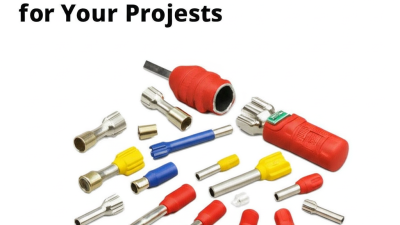
When it comes to electrical projects, choosing the right butt connectors is crucial for ensuring strong and reliable connections. Understanding the different types of butt connectors available can significantly impact the efficiency and longevity of your work. For instance, butt connectors come in various materials such as copper and aluminum, each offering unique benefits in terms of conductivity and durability. A well-informed choice can prevent issues like corrosion and signal loss, which are common pitfalls in casual wiring setups.
Switching from traditional terminal strips to connectors can also streamline the installation process. Connectors not only save time but enhance consistency across projects, making them an ideal choice for both amateur and professional electricians.
Furthermore, specific upgrades, like subframe connectors in automotive applications, exemplify how specialized connectors can enhance structural integrity and performance. Recognizing the value of these small yet impactful components is essential for mastering your electrical and automotive projects.
Key Factors to Consider When Selecting Butt Connectors for Your Project
When selecting butt connectors for your project, it’s crucial to consider several key factors to ensure reliable and effective electrical connections. First and foremost, the wire gauge is vital; understanding the specific wire sizes you will be working with allows you to choose connectors that fit securely. This ensures optimal conductivity and minimizes the risk of overheating, which can lead to failures. Additionally, the connector's insulation type should match your project environment, whether it be for outdoor use, exposure to humidity, or demanding industrial settings.
Another important aspect is the connector's material composition. Copper connectors tend to provide better conductivity than aluminum, making them a preferred choice for many applications. Furthermore, the type of application—whether for automotive, residential, or industrial uses—will dictate the connector specifications necessary to withstand different stress levels. For instance, heavy-duty projects might necessitate connectors specifically designed for higher voltage and current requirements. By carefully evaluating these factors, you can ensure that the butt connectors you choose will not only support your operational needs but will also contribute to the longevity and safety of your electrical systems.
Choosing the Best Butt Connectors for Your Projects
Advantages of Using Heat Shrink Butt Connectors Over Traditional Options
When it comes to electrical connections, ensuring reliability is paramount. Heat shrink butt connectors offer distinct advantages over traditional options, making them an ideal choice for various projects. Unlike standard connectors, which rely solely on mechanical pressure to create a connection, heat shrink butt connectors incorporate a unique design that enhances both protection and performance. The heat shrink tubing encases the connection, creating a watertight seal that prevents moisture ingress and corrosion, which are common culprits of electrical failures.
Another significant advantage of heat shrink butt connectors is their improved durability. The adhesive lining within the connector not only secures the wire but also provides an added layer of protection against environmental factors. This fusion of insulation and strength ensures that connections can withstand vibrations and temperature fluctuations, making them particularly suitable for automotive and outdoor applications. Additionally, the ease of installation is a noteworthy benefit—simply apply heat to the connector, and it will shrink tightly around the connection, providing a professional-grade seal without the need for extensive tools.
Exploring the Durability and Reliability of Marine-Grade Butt Connectors
When it comes to electrical projects, especially in marine applications, the importance of selecting high-quality butt connectors cannot be overstated. Marine-grade butt connectors are engineered to withstand harsh environments, making them essential for ensuring the longevity and reliability of electrical systems. According to industry reports, corrosion resistance is a critical factor, as connectors failing due to oxidation can lead to costly repairs and safety hazards. Companies like Yueqing Gaopeng Electric Co., Ltd. focus on producing connectors that meet rigorous quality standards, with an annual production capacity reaching billions.
One key tip for selecting the best butt connectors is to verify that they are made from high-quality materials, such as tinned copper, which offers superior resistance to corrosion and enhances conductivity. Additionally, consider the environmental conditions your project will face; connectors rated for marine use typically have protective features like heat shrink tubing. Ensuring that the connectors you choose are properly rated—like those manufactured by Gaopeng, which exports to multiple continents—can enhance the reliability of your projects under challenging circumstances.
Another essential aspect to consider is the size and compatibility of the connectors with your wiring. Industry studies suggest that improper sizing can lead to increased resistance and potential overheating, which compromises the integrity of electrical systems. Always refer to the specific application requirements and choose connectors that are appropriately rated for the current and voltage levels involved. By prioritizing durability and reliability in your selection of butt connectors, you'll give your projects the best chance for success.
How Proper Installation Techniques Enhance the Benefits of Butt Connectors
When it comes to electrical work, the installation techniques you employ can significantly influence the performance and reliability of butt connectors. According to a report from the National Electrical Contractors Association (NECA), improper installation can lead to increased resistance at the connection points, which may result in overheating and potential circuit failure. This highlights the importance of mastering installation methods to ensure that butt connectors function optimally in any application.
One key tip for enhancing the effectiveness of butt connectors is to use the appropriate crimping tool. A study by the International Electrotechnical Commission (IEC) shows that using the correct tool reduces the risk of damage to both the connector and the wire, which can impair conductivity. Also, ensure that the wire strands are fully inserted into the connector before crimping, as this helps create a stronger and more reliable connection.
Additionally, it is vital to perform a tug test after installation. A report from the Institute of Electrical and Electronics Engineers (IEEE) indicates that connectors that pass this test are less likely to experience intermittent connections or fail under load. Conducting this simple but effective technique will help secure long-lasting performance in your projects.
Mastering the Art of Choosing the Best Butt Connectors for Your Projects - How Proper Installation Techniques Enhance the Benefits of Butt Connectors
| Connector Type | Wire Gauge | Maximum Current (A) | Temperature Rating (°C) | Material | Recommended Installation Method |
| Standard Butt Connector | 22-16 AWG | 10 A | 85 °C | Copper | Crimping |
| Heat Shrink Butt Connector | 20-14 AWG | 15 A | 105 °C | Copper with Heat Shrink | Crimp and Heat |
| Marine Grade Butt Connector | 16-12 AWG | 30 A | 105 °C | Tinned Copper | Crimp and Seal |
| High-Current Butt Connector | 10-8 AWG | 45 A | 125 °C | Aluminum | Crimp and Solder |
Common Mistakes to Avoid When Choosing Butt Connectors for Electrical Connections
When it comes to selecting butt connectors for electrical connections, avoiding common mistakes can significantly enhance both the safety and efficiency of your projects. One prevalent error is overlooking the environmental factors that could affect connector performance. According to a report by the Electrical Safety Foundation International (ESFI), environmental conditions can precipitate corrosion and reduce the longevity of connections by up to 90%. For instance, using unsealed connectors in moist or outdoor environments without proper protection can lead to failure.
Another mistake to avoid is not considering the wire gauge and the corresponding butt connector size. The American National Standards Institute (ANSI) emphasizes that a mismatch between wire and connector can introduce resistance, resulting in overheating and potential fire hazards. Notably, research indicates that using undersized connectors can lead to a 70% increase in resistance, compromising the integrity of the entire electrical system. Therefore, it is crucial to match the connector size to the specific wire gauge to ensure safe and reliable electrical connections.