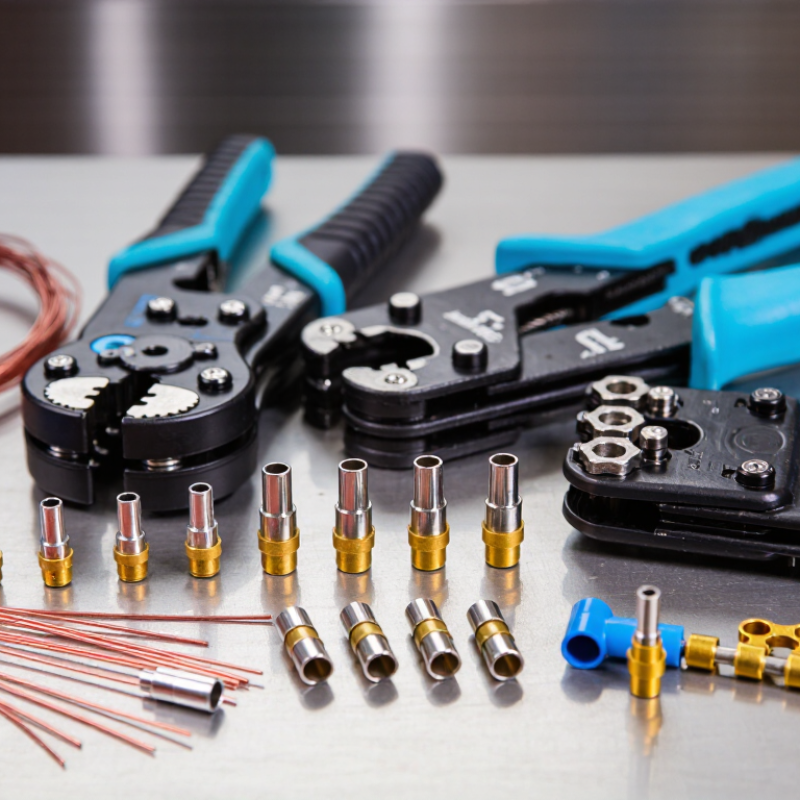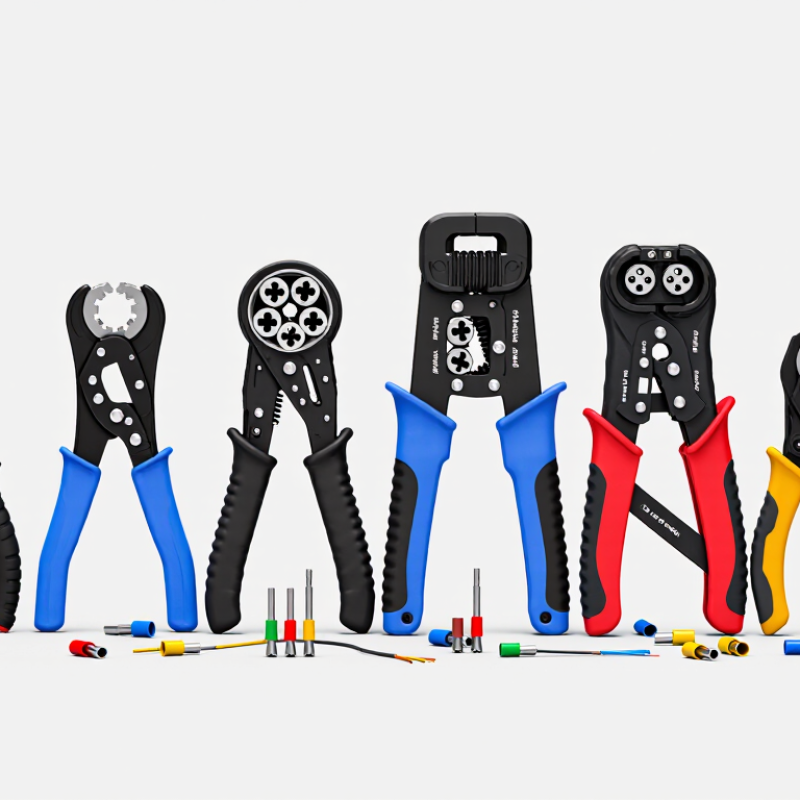
In a PEX crimp vs clamp comparison, the main difference is where the tool acts. A conventional copper crimp ring is compressed around its circumference. A raised-ear stainless clamp is closed by a tool acting on the ear. Those different mechanisms lead to different tooling and inspection requirements.
The purchasing choice depends on the complete pipe, fitting, ring and tool combination. Select a method permitted by the intended system, then compare the tooling, working access and documentation it requires. Neither method is a universal substitute for the other.
PEX crimp vs clamp: compare the closing mechanism
A copper-ring crimp tool closes its jaws around the ring. An ear-clamp tool engages the raised ear. A name such as “PEX crimp ring” can be used broadly in a supplier listing, so identify the actual ring geometry before choosing a tool.
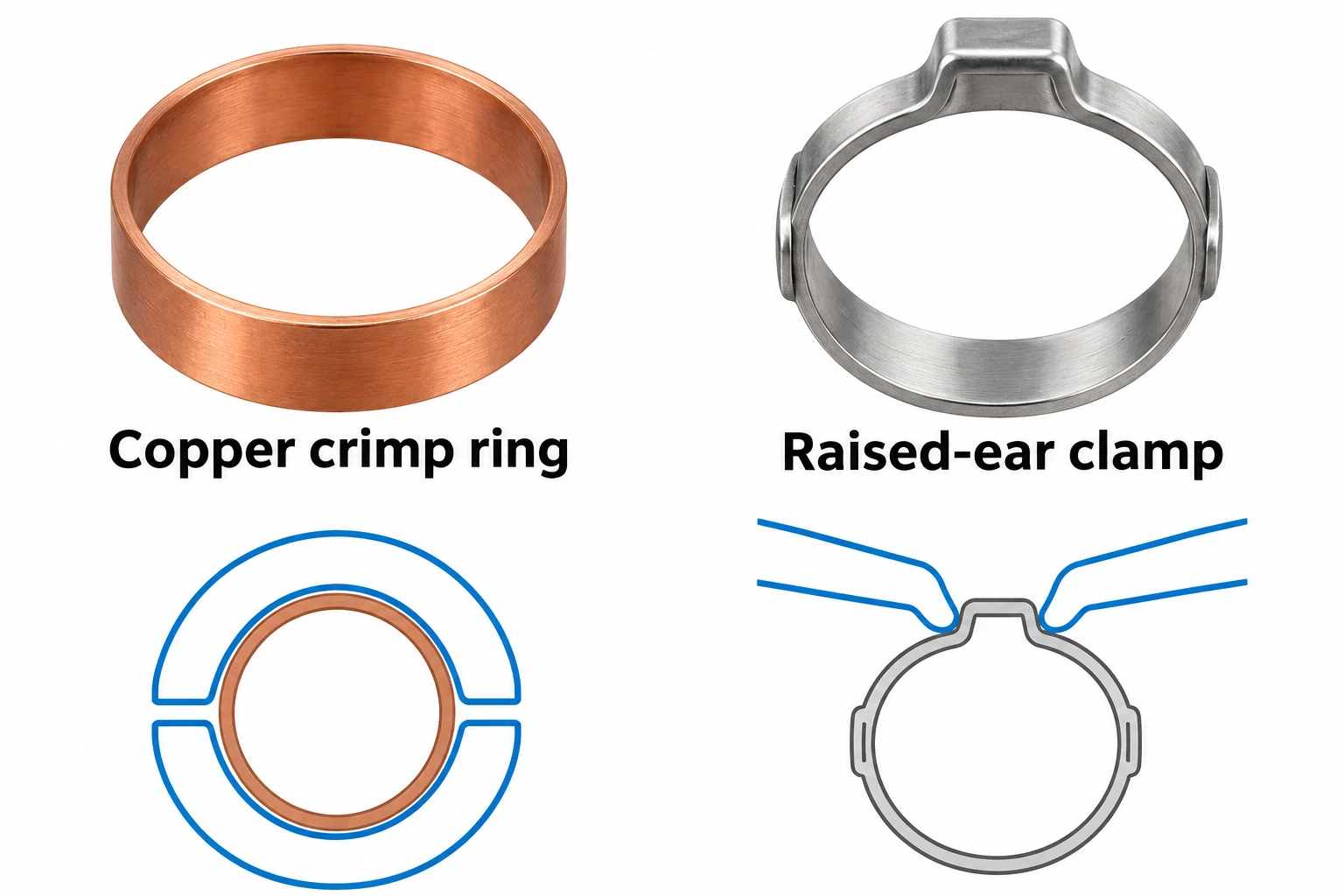
| Buying question | Copper crimp-ring method | Raised-ear clamp method |
|---|---|---|
| Where does the tool engage? | Around the ring | At the raised ear |
| What tooling must be identified? | Specified ring-size jaw or tooling arrangement | Specified clamp tool and compatible clamp family |
| Which inspection record is needed? | The selected system’s ring-checking instructions | The selected system’s closure and inspection instructions |
| What establishes compatibility? | Documented pipe, fitting, ring and tool combination | Documented pipe, fitting, clamp and tool combination |
This comparison identifies the decision inputs. It does not establish a pressure rating, service life or approval for either an unspecified ring or an assembled joint.
Compare the whole tooling requirement
A tool comparison should include the exact models and the sizes required by the job. Some clamp tools cover several sizes within a specified clamp family. That does not mean every clamp can be closed with the same tool, or that an existing tool supports an unfamiliar supplier’s ring.
For a replacement order, record the tool already used and request confirmation against the proposed ring drawing. For a new assembly, compare the required tool, jaw or accessory references for every pipe size in the parts list. This makes the equipment requirement visible before comparing ring prices.
Working access also deserves a drawing check. Consider where the tool engages, how it approaches the ring, and the clearance needed through its closing stroke. A small contact point does not, by itself, establish that the complete tool will fit the available space.
Keep system compatibility and inspection together
The system manufacturer’s instructions should identify the permitted connection components. A matching nominal pipe size is only one input. Keep the pipe reference, fitting reference and ring or clamp reference together when requesting confirmation.
Inspection instructions can differ between the two methods. The manufacturer guide in the references describes a Go/No-Go check for its copper-ring connections and a closed-ear inspection for its clamp connections. These are examples from that system, rather than instructions to transfer to every ring on the market.
Do not use a gauge intended for one connection as an assumed acceptance check for another. Obtain the selected system’s current tooling, calibration and inspection requirements. The people assembling and inspecting the connection need the same document set that engineering used to select it.
Product-specific application restrictions also matter. A clamp manufacturer’s documentation may limit fitting or tubing systems and identify environmental conditions. An approval or restriction stated for that product cannot be assigned to a visually similar ring from another supplier.
What to confirm for Gaopeng stainless PEX rings
Gaopeng’s stainless steel PEX rings are listed for PEX pipe and fitting connections. The product page asks buyers to match the ring geometry with the pipe, fitting system and intended tool.
Use the actual product photograph and request the drawing for the required version. The photographed band-ring construction should not be silently replaced in the specification by a generic raised-ear clamp illustration. Confirm how the selected ring is intended to close and which tooling supports it.
Include the installation conditions and inspection requirements in the enquiry. Stainless material identifies one product property; it does not independently establish system compatibility, a plumbing approval or the performance of the finished joint.
Hand purchasing a complete connection record
A useful handoff lets procurement compare the same requirement across quotations. Keep each proposed variant separate and resolve any missing compatibility evidence before approving a substitute.
| Record | Information to retain | Question it resolves |
|---|---|---|
| Connection components | Pipe, fitting and ring references with drawings | Which exact combination is being purchased? |
| Tooling | Tool and applicable jaw or accessory references | What equipment must the assembly team use? |
| Instructions | Current system assembly and inspection documents | Which process and checks apply? |
| Supply request | Variant quantities, destination and required documents | Are the quotations based on comparable deliverables? |