So, picking the best screw-on Wire Connectors for 2026? It’s not just about package prices or flashy labels. A connector has to grip the wires tightly, stand up to vibration, and keep a solid electrical path over time. And in a market this crowded, the little build details really do matter. Spring tension, shell durability, thread quality, and wire-range markings? Those can be the difference between a connector you trust and one that drives you nuts.
Mike Holt, founder of Mike Holt Enterprises and a well-respected electrical educator, once said, “A good electrical connection is a mechanical connection first.” That idea still holds up when you’re looking at products from IDEAL Industries, 3M, and NSi Industries. A properly installed connector should feel secure—not just tight. The wire ends should stay lined up under the cap. And no copper strands should be poking out.
Small details reveal quality. That’s really the whole point.
This guide compares screw-on wire connectors for residential repairs, lighting work, control panels, and everyday maintenance. It also touches on the often-confused term Screw In Wire Connectors, though product terminology can vary by manufacturer and region. Before installing anything, check the package instructions. Wire size, conductor type, insulation thickness, and connector capacity can all change the outcome.
Our evaluation is practical, but let’s be honest—it’s not flawless. Real installations are different, and a connector that works great in a dry junction box may act differently in damp, vibrating, or crowded spaces. So we look at published specs alongside installation feel, grip consistency, visibility, and user feedback. The best choice isn’t always the cheapest one. It’s the connector that matches the job and stays trustworthy after the cover is closed.

What Are Screw-On Wire Connectors? UL 486C Scope and Purpose
The 2026 best Screw On Wire Connectors should be judged by verified performance, not appearance.
UL 486C defines requirements for splicing wire connectors used to join conductors securely. Its purpose is to evaluate electrical, mechanical, and environmental performance under controlled tests.
The standard addresses details installers can see on a real job. These include conductor size, material compatibility, strip length, tightening method, and connection security. A connector that fits the wire may still be unsuitable. Copper and aluminum conductors require careful matching. A tidy twist is not proof of a safe joint.
NFPA’s Home Fires Involving Electrical Distribution and Lighting Equipment report estimates about 32,000 related home fires annually in the United States from 2016–2020. The same report records roughly 470 deaths and 1,100 injuries each year.
These figures do not prove every incident involved a loose connector. They do show why small connection details deserve serious attention. In practice, I would inspect for exposed copper, damaged insulation, uneven twisting, and unclear markings. I would also verify the installation instructions before energizing the circuit. A UL 486C evaluation helps, but it cannot repair poor workmanship. That limitation is easy to forget.
How Wire-Connector Ratings Cover 600 V and 105°C Applications
What Are the 2026 Best Screw On Wire Connectors?
The best screw-on wire connector is not simply the largest or newest option. It must match the conductor size, wire combination, insulation, and enclosure. A 600 V rating indicates the connector’s tested voltage limit under specified conditions. It does not make every installation safe at 600 V.
The 105°C marking refers to the connector’s maximum rated operating temperature. This matters near lighting equipment, motors, rooftop junction boxes, and other warm locations. At 105°C, insulation can soften, torque can change, and weak connections may develop resistance. Heat leaves clues. Discoloration, brittle insulation, or a loose cap deserves attention.
Check the installation instructions carefully. Some connectors accept copper conductors only, while others permit approved aluminum combinations. The listed wire range also matters. Two small wires may fit, yet fail to grip correctly if the connector expects a larger combined diameter. Strip lengths should remain even, with no exposed copper outside the connector. A gentle pull test can reveal poor engagement.
In practical inspections, a neat appearance can be misleading. I have seen twisted wires held by a cap but not fully secured inside it. That mistake is easy to repeat. Use the correct connector for the circuit, follow the specified tightening method, and verify the rating against the actual temperature and voltage. Ratings are useful evidence, not a substitute for careful installation.
| Screw-On Connector Type | Typical Solid Conductor Range | Typical Stranded Conductor Range | Representative Wire Combinations | Maximum Rated Voltage | Maximum Rated Temperature | Common Compliance Basis | Best-Fit Applications | Important Selection Check |
|---|---|---|---|---|---|---|---|---|
| Small Twist-On Connector | 18–14 AWG | 18–14 AWG | Two or three conductors in the 18–14 AWG range, depending on the listed combination | 600 V maximum | 105°C maximum | Typically evaluated to UL 486C or an equivalent recognized wire-connector standard | Lighting branches, switch connections, control wiring, and small residential conductors | Confirm the exact conductor count, wire type, and insulation diameter in the connector listing |
| Medium Twist-On Connector | 14–10 AWG | 14–10 AWG | Two 14 AWG, two 12 AWG, or two 10 AWG conductors are common listed combinations | 600 V maximum | 105°C maximum | Usually marked for use with copper conductors and listed wire combinations under UL 486C | General branch circuits, receptacles, lighting junctions, and equipment wiring | Do not exceed the permitted conductor combination; a larger connector is not automatically acceptable |
| Large Twist-On Connector | 12–6 AWG | 12–6 AWG | Two or more larger conductors, with the permitted combination determined by the product listing | 600 V maximum | 105°C maximum | Commonly covered by a recognized wire-connector standard when properly marked and tested | Feed-through junctions, larger branch circuits, service equipment interiors, and motor connections | Check whether the connector is listed for solid, stranded, compact-stranded, or aluminum conductors |
| Winged Twist-On Connector | 18–10 AWG | 18–10 AWG | Commonly used for two to five conductors within the listed wire range | 600 V maximum | 105°C maximum | Typically uses a metal spring insert and an insulated polymer shell evaluated for electrical use | Installations requiring improved hand grip, faster twisting, and easier removal during maintenance | Verify that the shell is fully seated and that no bare copper remains outside the connector |
| Deep-Skirt Twist-On Connector | 14–6 AWG | 14–6 AWG | Suitable for larger conductor bundles when the listed volume and wire combination are followed | 600 V maximum | 105°C maximum | Generally identified by a temperature and voltage marking plus a recognized connector listing | High-volume junctions, larger conductor bundles, and connections needing increased insulation coverage | Use only within the listed conductor volume; forcing an oversized bundle can damage the spring |
| Aluminum/Copper-Rated Twist-On Connector | Commonly 14–6 AWG, depending on the listing | Commonly 14–6 AWG, depending on the listing | Only the aluminum-to-copper, aluminum-to-aluminum, or copper-to-copper combinations specifically listed | 600 V maximum | 105°C maximum | Must be specifically marked for the conductor materials and evaluated for oxidation and thermal cycling concerns | Approved transitions between aluminum branch-circuit conductors and copper pigtails | A standard copper-only connector must not be assumed suitable for aluminum conductors |
| Moisture-Resistant Twist-On Connector | Usually 18–10 AWG, depending on the model | Usually 18–10 AWG, depending on the model | Listed solid and stranded combinations within the connector’s stated range | 600 V maximum | 105°C maximum | May include a prefilled sealant or gel; the product must be specifically marked for damp or wet locations | Outdoor luminaires, landscape wiring, irrigation controls, and damp junction boxes | Moisture resistance is not automatic; verify the location rating and installation instructions |
| High-Temperature Twist-On Connector | Typically 18–10 AWG | Typically 18–10 AWG | Wire combinations listed for elevated-temperature equipment and fixture connections | 600 V maximum | 105°C maximum | Uses a heat-resistant shell and spring assembly with a clearly marked temperature rating | Lighting fixtures, appliances, HVAC equipment, and enclosures exposed to elevated ambient heat | The 105°C rating applies to the connector under its listed conditions, not automatically to the entire wiring system |
| Ratings and wire ranges shown are representative of common 600 V, 105°C screw-on connector categories. Always use the conductor combinations, wire materials, temperature limits, enclosure requirements, and installation method printed on the specific connector. The circuit, cable insulation, equipment terminals, and applicable electrical code must also be rated for the intended application. | ||||||||
Which Materials Improve Torque, Grip, and Corrosion Resistance?
What Are the 2026 Best Screw On Wire Connectors?
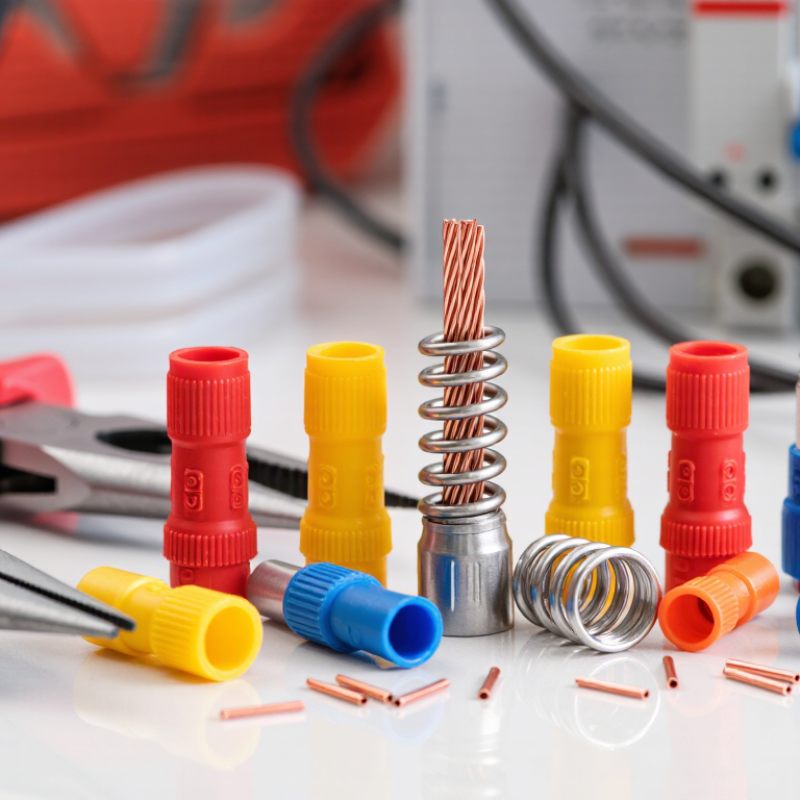
Material selection strongly affects torque, grip, and corrosion resistance in screw-on wire connectors. A tempered steel spring usually provides firm contact pressure around twisted conductors. Its shape should resist flattening after installation. If the spring loses tension, the connection may loosen under vibration or thermal cycling.
I prefer connectors with a tough thermoplastic shell, such as nylon or polycarbonate. These materials resist cracking, impact, and moderate heat better than brittle plastics. A textured exterior also improves grip when gloves are dusty or damp. The internal spring needs a protective finish, such as zinc plating, to slow oxidation. Stainless steel can perform better in humid or corrosive locations, although its spring behavior and cost require careful evaluation.
Sealing matters in exposed environments. A connector with a compatible moisture-resistant compound can reduce water entry around the conductors. However, the compound must suit the insulation and connector design. I once assumed that a heavier spring always meant a safer connection. That assumption was too simple. Excessive torque can damage smaller conductors or deform the connector shell. Installers should match the connector size to the conductor range, then follow the stated twisting and tightening method. Look for independently tested products and clear temperature ratings. A connector that feels tight may still have poor internal contact. Pull testing and visual inspection remain useful field checks, especially when wires contain mixed metals or show surface oxidation.
How Do Winged, Wingless, and Push-In Connectors Compare?
For 2026 installations, winged, wingless, and push-in connectors serve different working conditions. Winged connectors provide stronger grip when gloves, vibration, or stiff conductors are involved. Their larger profile also helps electricians twist them securely. Wingless connectors fit better inside crowded junction boxes. They require more finger pressure, however. Push-in connectors save time and produce neat, repeatable terminations. They can be useful for solid conductors, but compatibility must be checked carefully.
The National Fire Protection Association reported that electrical distribution and lighting equipment caused about 35,150 home structure fires annually from 2016 to 2020. Those fires caused approximately 470 civilian deaths and 1,100 injuries. These figures make connection quality more than a convenience.
High-Quality Screw On Wire Connectors should meet recognized testing requirements, including conductor-retention and temperature-cycle evaluations under UL 486C. Screw-on designs also need correct wire combinations. A loose cap may pass a quick pull test but fail after heating and cooling.
In field work, winged models often feel safer with multiple wires. Wingless models are cleaner in shallow boxes. Push-in types reduce installation time, though removal can be awkward during repairs. IEC 60998 guidance also emphasizes suitability for household and similar fixed wiring applications. The difficult part is choosing by habit. A connector that works perfectly on two solid wires may perform poorly with fine-stranded cable. Even experienced installers occasionally overlook that detail. Check the package rating, strip length, conductor range, and enclosure space before energizing the circuit.
How to Verify Conductor Range, Wire Combinations, and Temperature Ratings
What Are the 2026 Best Screw On Wire Connectors?
How to Verify Conductor Range, Wire Combinations, and Temperature Ratings
The best connector is not chosen by appearance. It must match the conductor range printed on its technical label. Check the smallest and largest approved wire sizes. A connector rated for 14–10 AWG may not safely hold two 18 AWG wires. That small mismatch can create a weak connection.
Wire combinations deserve equal attention. Confirm whether the connector accepts solid, stranded, or mixed conductors. Count every wire before installation. A connector approved for two wires may not accept four, even when each wire fits individually. High-Quality Screw In Wire Connectors should also identify copper-only or copper-and-aluminum use. Never assume compatibility from color or shape.
Temperature ratings require careful reading. Compare the connector rating with the wire insulation, surrounding air temperature, and expected circuit load. A 105°C connector does not automatically make an entire connection suitable for high heat. I also inspect the label under bright light and keep the installation sheet nearby. Labels can be surprisingly easy to misread. My own rushed checks have caused unnecessary rework. For reliable verification, look for recognized testing information, clear conductor tables, and installation instructions from the manufacturer. If the wire combination is missing, stop and seek qualified electrical guidance rather than guessing.
What 2026 Tests Identify the Best Certified Screw-On Connector?
Certified screw-on connectors should be judged by repeatable evidence, not appearance or price. NFPA’s Fire Loss in the United States 2023 report recorded about 1.39 million fires and 3,670 civilian deaths. That context makes connection quality a safety measurement, not merely a purchasing detail. When evaluating Wholesale Screw In Wire Connectors, I look for traceable certification and batch records.
The 2026 test plan should begin with conductor compatibility, strip length, and installation torque. Technicians should use calibrated torque tools, not guesswork. Pullout testing checks whether conductors remain secure under controlled force. Temperature-rise testing measures heat at rated current. Thermal cycling then exposes changes caused by expansion and contraction. UL 486C and IEC 60998 test frameworks provide useful references for these evaluations. Results should include sample sizes, failure points, conductor types, and test conditions.
Field experience adds details laboratory charts can miss. I photograph copper strands before installation. A single damaged strand may signal poor stripping technique or limited connector space. I also inspect the cap after cycling, searching for cracks, deformation, or loosened threads. No test bench is perfect. Humidity, vibration, and installer inconsistency deserve more attention in future testing. A connector passing one pull test may still disappoint after repeated temperature changes. Certification is meaningful only when the certificate matches the exact construction, wire range, and installation method being sold.
How an Automatic Wire Stripper Makes Electrical Work Faster, Safer, and More Precise
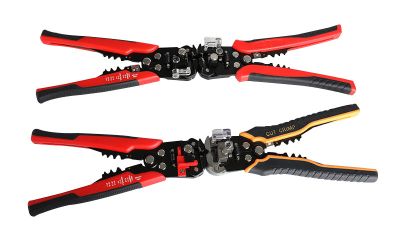
An automatic wire stripper can make electrical work faster, safer, and more precise by combining several essential operations in one controlled tool. Instead of repeatedly measuring, cutting, and adjusting separate hand tools, an electrician can strip insulation from 24–10 AWG wires (0.2–6.0 mm²), cut copper or aluminum-core cable, and Crimp Terminals from 22–10 AWG (0.5–6 mm²). This streamlined process reduces handling time and helps produce consistent strip lengths, which is important for reliable terminal connections.
Precision also supports workplace safety. The U.S. Bureau of Labor Statistics recorded 145 workplace fatalities involving exposure to electricity in 2022, demonstrating why careful preparation and safe procedures remain essential. A self-adjusting stripping mechanism can help limit accidental conductor damage, while a sharp SK5 blade provides clean cuts with less force. These features are especially useful when technicians must complete repetitive wiring tasks across control panels, appliances, vehicles, or building systems.
The tool’s three-in-one design also helps reduce workflow interruptions. Models in this series support common wire sizes and combine stripping, cable cutting, and terminal crimping in a compact format. When used only on de-energized circuits and alongside appropriate personal protective equipment, this type of automatic wire stripper can improve efficiency, repeatability, and connection quality without requiring multiple tools at every workstation.
FAQS
Tempered steel usually provides firm pressure around twisted conductors. Its shape should resist flattening after installation. Not always. A heavier spring may damage small conductors.
Nylon and polycarbonate resist cracking, impact, and moderate heat. They are generally tougher than brittle plastics. A textured surface improves grip with dusty or damp gloves.
Zinc-plated internal springs can slow oxidation in ordinary conditions. Stainless steel may perform better in humid or corrosive locations. Its cost and spring behavior still need evaluation.
It can reduce water entry around conductors in exposed environments. The compound must match the wire insulation and connector design. More sealant is not automatically better.
Match the connector size to the conductor range. Follow the specified twisting and tightening method. Use calibrated tools when available. Guessing creates avoidable problems.
Useful tests include conductor compatibility, pullout strength, temperature rise, and thermal cycling. Results should show sample sizes, conductor types, failure points, and test conditions.
The certificate should match the exact connector construction, wire range, and installation method. A general certificate may not cover a modified product. Check the details.
Inspectors can photograph copper strands before installation and check for damaged wires. After cycling, examine caps for cracks, deformation, or loose threads. A tight exterior may hide weak internal contact.
Vibration can loosen a connection when spring tension decreases. Thermal cycling causes expansion and contraction around the conductors. Laboratory results may miss inconsistent installation or humid conditions.
The best choice combines suitable materials, clear ratings, compatible conductors, and repeatable test evidence. Price and appearance are weak indicators. I would still question any result based on one test alone.
Conclusion
The 2026 best Screw On Wire Connectors are defined by reliable electrical performance, secure mechanical grip, and clear certification. These connectors join wires by twisting conductors together inside a threaded insulating cap, making proper installation essential. UL 486C establishes key requirements for wire connectors, including construction, performance, and safety. Leading products should support suitable applications up to 600 V and 105°C when their markings and instructions permit. Materials also matter: durable thermoplastics, corrosion-resistant internal components, and strong spring elements can improve torque retention, conductor grip, and long-term reliability.
Winged, wingless, and push-in designs each offer different installation advantages, but the best choice depends on available space, conductor size, wire combinations, and required temperature rating. Before installation, users should verify the connector’s approved conductor range, combination chart, voltage limits, and temperature specifications. In 2026, practical testing should examine pull-out resistance, torque consistency, heat aging, vibration, corrosion resistance, insulation integrity, and repeatable installation performance. A certified connector that passes these checks can provide dependable connections in residential, commercial, and industrial wiring applications.