Q1: What’s inside a Heat Shrink Connector?
Three layers, from outside in:
- The polyolefin tube— a cross-linked plastic that shrinks when heated. Ours shrink to roughly 1/3 of the original diameter, so the tube ends up gripping the wire insulation tightly.
- The adhesive ring— a hot-melt glue lining the inside of the tube at both ends. When the tube heats up, this glue melts and flows into the gaps around the wire strands and insulation, creating the actual water barrier. This adhesive is the whole secret — a heat Shrink Tube without adhesive is just a sleeve, not a seal.
- The metal connection in the middle— either a crimp barrel (the BHT type, which you crimp with pliers) or a solder ring (the solder seal type, which melts the connection when you heat it).
Q2: Crimp type or solder seal type — what’s the difference?
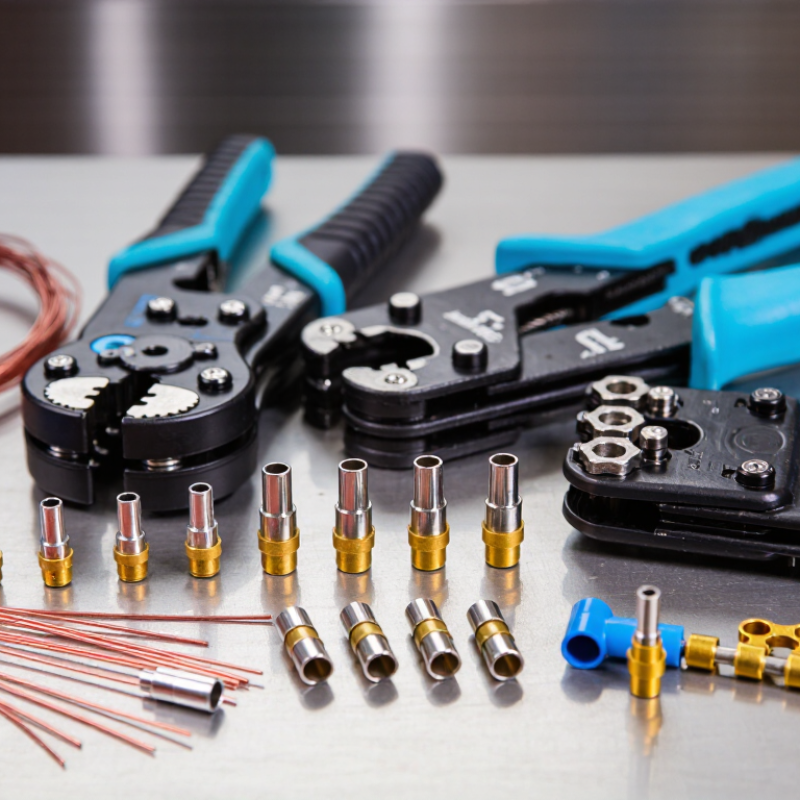
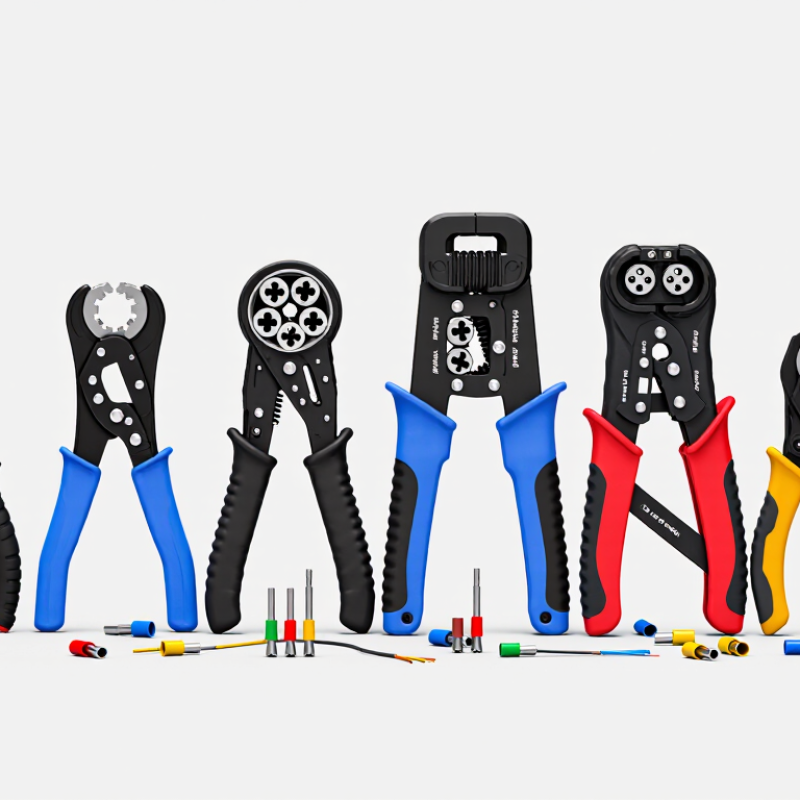
- Heat shrink butt connector (crimp type):you strip the wires, insert them into the metal barrel, crimp with pliers, then heat the tube. The crimp makes the electrical connection; the tube makes it waterproof. Working temperature range is about -45°C to +125°C, and the adhesive seal holds against salt spray for over 1,000 hours in our tests.
- Solder seal connector:the barrel contains a ring of solder. You insert the wires and apply heat — at about 120°C the solder melts and joins the wires while the tube shrinks at the same time. No crimping tool needed, and the result is a gas-tight connection with contact resistance under 0.1 mΩ. These run from about -55°C to +125°C and pass the same 1,000-hour salt spray and 20 G vibration tests.
Which one? If you already have a crimping workflow on the line, crimp type is faster. If you’re doing field repairs, small batches, or awkward locations, solder seal is simpler — just a heat gun.
Q3: Why does the adhesive matter so much?
Because water doesn’t attack the metal through the tube — it attacks through the *ends*. A plain heat shrink sleeve (the kind sold for cable bundling) seals the middle but leaves the wire entry points open. Water wicks in along the strands, and corrosion starts quietly under the insulation where you can’t see it.
The adhesive ring is what closes those entry points. When it melts, it flows around every strand and bonds to the wire insulation. That’s the difference between “covered” and “sealed,” and it’s the difference between a joint that fails in a season and one that outlives the boat.
Q4: When should I actually use them?
Use waterproof heat shrink connectors whenever the joint can get wet, vibrate, or see temperature extremes:
- Marine:bilge pumps, navigation lights, trolling motors, any wiring in a salt environment. This is the single biggest use case we see.
- Automotive and trailers:underbody harnesses, trailer light plugs, off-road accessories, engine bay repairs.
- Outdoor and agriculture:irrigation controllers, pumps, solar lighting, gate motors, anything installed outside.
- Solar and RV:panel wiring, battery connections in mobile installations where joints flex and see weather.
- Industrial:washdown areas, food processing lines, outdoor junction boxes.
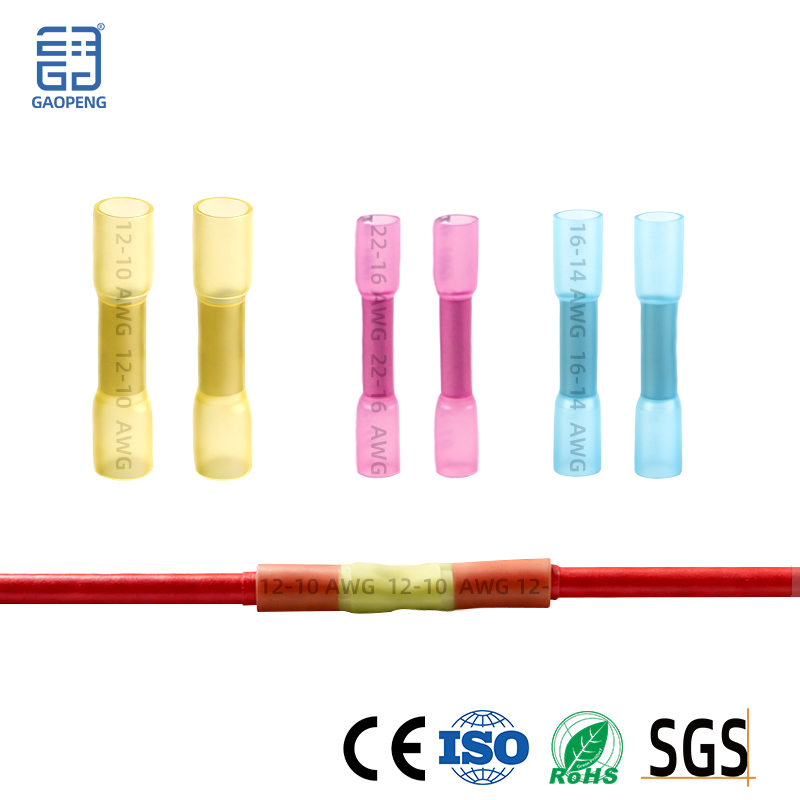
The color code is the same as other terminals — red for 18–16 AWG, blue for 16–14 AWG, yellow for 12–10 AWG — so a technician can match the connector to the wire by eye.
Q5: How do you install one correctly?
Four steps, and the fourth is the one most people get wrong:
- Stripthe wires to the length marked on the barrel.
- Crimp(for crimp type) or just insert (for solder seal type) until the wire bottoms out in the barrel.
- Heatfrom the middle outward with a heat gun — start at the center so the solder or crimp area heats first, then work toward the ends.
- Watch for the adhesive.The moment you see a bead of glue squeeze out at both ends, stop. That bead is your proof the seal is complete. Keep heating too long and you can damage the wire insulation; stop too early and the ends stay open.
Q6: When are they overkill?
Honestly? In a dry control cabinet, behind a sealed panel, with no vibration — a heat shrink connector is unnecessary cost. A nylon or PVC insulated terminal does that job for a fraction of the price. Use waterproof connectors where water, salt, or motion is a real risk, not everywhere by default.
Q7: What should I check before buying them in bulk?
Three things:
- Does it have adhesive?If the spec sheet doesn’t mention a hot-melt adhesive liner, it’s a sleeve, not a seal.
- Real test data— salt spray hours, temperature range, dielectric strength. Our range is tested at 1,000+ hours salt spray and 30 kV dielectric; any serious manufacturer can show you the numbers.
- Consistent color coding and clear packaging— in a harness shop, workers match colors fast, and boxed kits (like our BHT/SST box sets with gauge tables on the lid) cut installation errors.
If you’re a distributor stocking waterproof connectors, or an OEM specifying them for a new product, tell us the environment and wire gauges — we’ll match you to the right type, whether that’s crimp, solder seal, or both.