“How long?” is the most asked question in our inbox, and it arrives with a straight face, as if the answer were one number. It is not. There are two clocks, one for stock and one for custom, and each of them has three segments: tooling where needed, production, and packing. Here is the timeline the way it actually runs on the floor, segment by segment, so your planning sheet can carry the real dates instead of the polite ones.
The two clocks: stock items and custom tooling
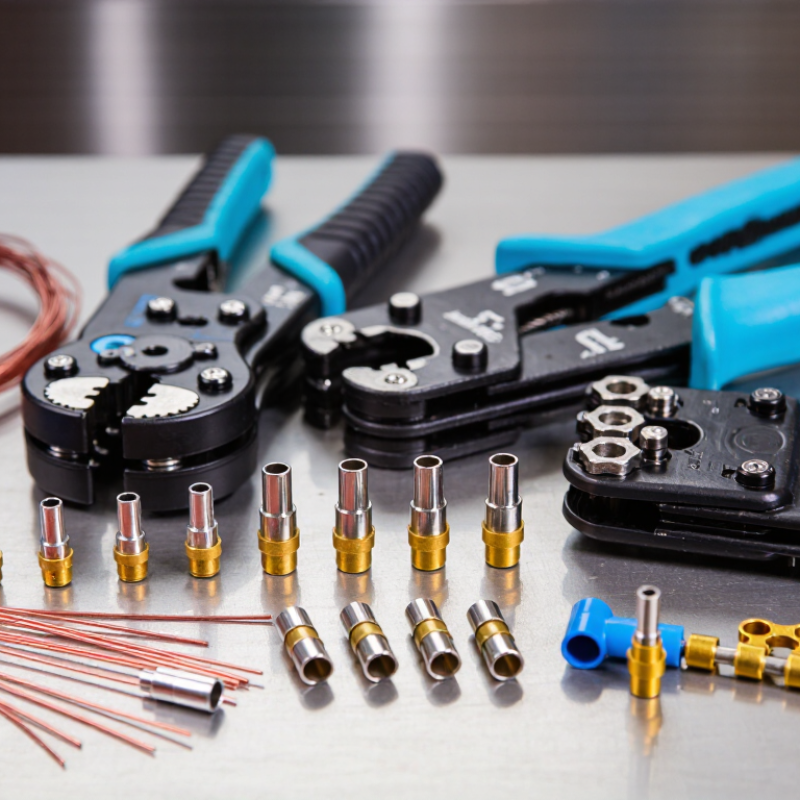
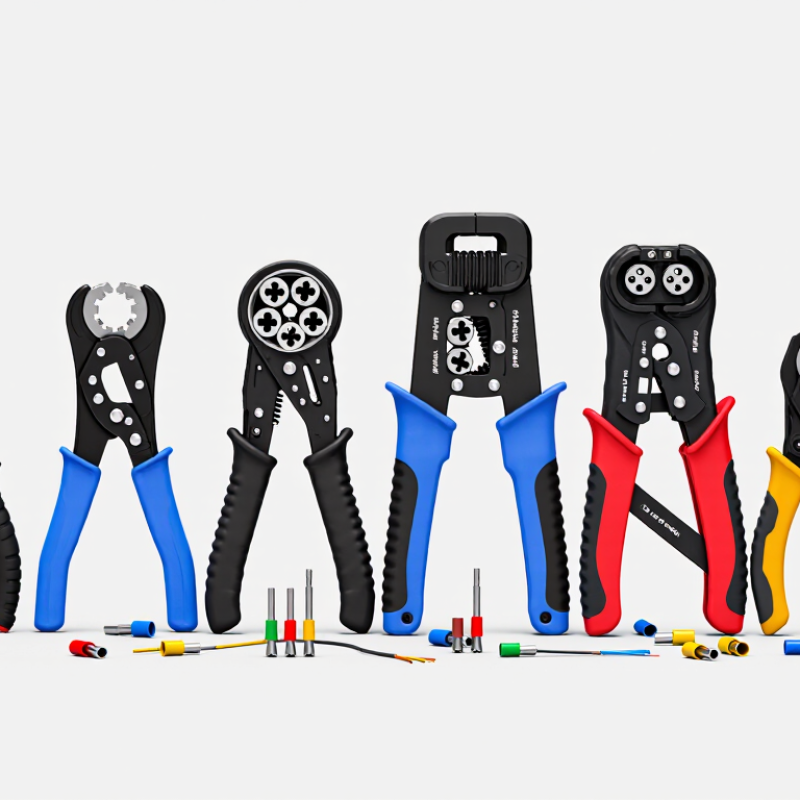
The stock clock covers our standard range: the common Insulated Terminals, ring and sock lugs, heat-shrink parts, ferrules, in catalog sizes. The clock starts at order confirmation: material check, pick from finished stock or a short crimp run, QC, packing. Depending on quantity and SKU count, that is a few days to about a week. The custom clock starts earlier, in the tool room, because a part that is not in the catalog does not exist until the steel for it exists. A stamping die for a bare copper terminal typically takes two to four weeks to design and machine. An injection mold for an insulated terminal runs longer, usually three to five weeks, because the mold steel is cut, fitted, and trialed before the first sleeve comes out. After the tool exists, the production clock is the same clock as stock. The honest total, then: stock is about a week to two weeks from PO to packed cartons, custom is typically four to eight weeks, and the entire difference is the steel, not the terminals.
The six steps inside the production clock
- Order confirmation and material check: the copper lot is confirmed against the spec, tinned or bare, alloy grade on the record, and the resin lot for insulated parts. This is the step that slips when a price review is in progress, usually after a copper move, and it is worth asking about in the quote.
- Stamping: bare Copper Terminals come off the press from strip, with in-line checks on the eye and the barrel. The stamp carries the size marking, which is why the die and the part number travel together.
- Forming and assembly: the eye is formed, the barrel sized, and the insulation fitted, crimped, molded, or heat-shrunk onto the metal depending on the part. This is where a two-color sleeve is set, and where a custom color first becomes visible.
- Plating where the spec calls for it: tinned parts run through the tin line, and the plating batch is matched to the production batch, the link the MTC clause in our certificates article keeps visible on paper.
- QC: first-article against the drawing, dimensional sampling per batch, visual, and pull samples on the crimp where the program requires them. The batch number is written at this step, not after.
- Packing to the packing list: cartons, marks, pallets, the three numbers per carton. Our packaging article covers what this step produces and what the dock needs from it.
The seasonal layer on top of the clock
Both clocks run under the same calendar, and the calendar has a busy half and a quiet half. Q3 and Q4 are the peak for wiring programs worldwide, so the POs that land in June and July queue behind the POs that landed in April, and the same quantity quoted in May and quoted in August carries different dates. The Chinese New Year shutdown is the other fixed point: production tapers in the last weeks of the year, the factory is quiet for the holiday, and the ramp-up after it is the slowest stretch of the calendar. We wrote the full calendar in the ordering article, and the planning rule here is the short version: give the factory the PO in the quiet window with a four-to-eight-week cushion, and read any quote you accept in the busy window as a best effort, not a promise.
Five moves that shorten the timeline
- Finalize the spec before the quote. Every revision after the tool is ordered is a full iteration of design, machine, and trial, and the cheapest spec change is the one made in the first email.
- Choose standard where the function allows. A stock size with a custom sleeve color is a resin run, not a mold, and it is the difference between a two-week color and a five-week tool.
- Approve samples the day they arrive. The T1 wait is often the buyer’s own calendar, and a sample approved in a week is a production start that is a week earlier.
- Split the quantity. The first tranche covers your tooling trial and your first assembly run, and the remainder follows on the tool that has proven itself, which de-risks both the part and the line.
- Book the quiet slot. The lead time you are quoted in the calm window is the lead time you will actually get, and the calendar is the tool, not the factory.
We are Yueqing Gaopeng Electric, a terminal manufacturer in Yueqing since 2016, with in-house molds and the tooling room on site. When you ask for a lead time, we answer with three dates, not one: tool ready, production complete, shipment booked. Send us the drawing or the part number and the quantity, and the three dates come back in the quote, so your planning sheet carries the timeline the floor actually runs, not the timeline the brochure sells.