Q1: Why does the crimping tool matter more than people think?
Because the terminal is only half the connection. A perfect terminal crimped with a bad tool gives you a bad connection — loose strands, high resistance, heat buildup, and eventually failure. In harness shops, most crimp defects trace back to the tool, not the terminal: either the die is wrong, the tool doesn’t fully close, or it’s worn out.
The physics is simple: a crimp needs enough compression to cold-weld the strands together into a solid mass. Too little pressure and the connection relies on surface contact — which corrodes and loosens over time. That’s why the tool matters.
Q2: Ratchet vs manual — what’s the real difference?
- Manual crimpers(pliers-style, often cheap): you squeeze until you think it’s done. There’s nothing stopping you from stopping early, and two workers will produce two different crimp qualities. Fine for occasional DIY use; a quality risk in production.
- ratchet crimpers:the handle locks and won’t release until the jaws have completed the full crimp cycle. This guarantees a consistent, full-compression crimp every time — the same result for every operator. That consistency is why ratchet tools are the standard in automotive harness plants and panel shops.
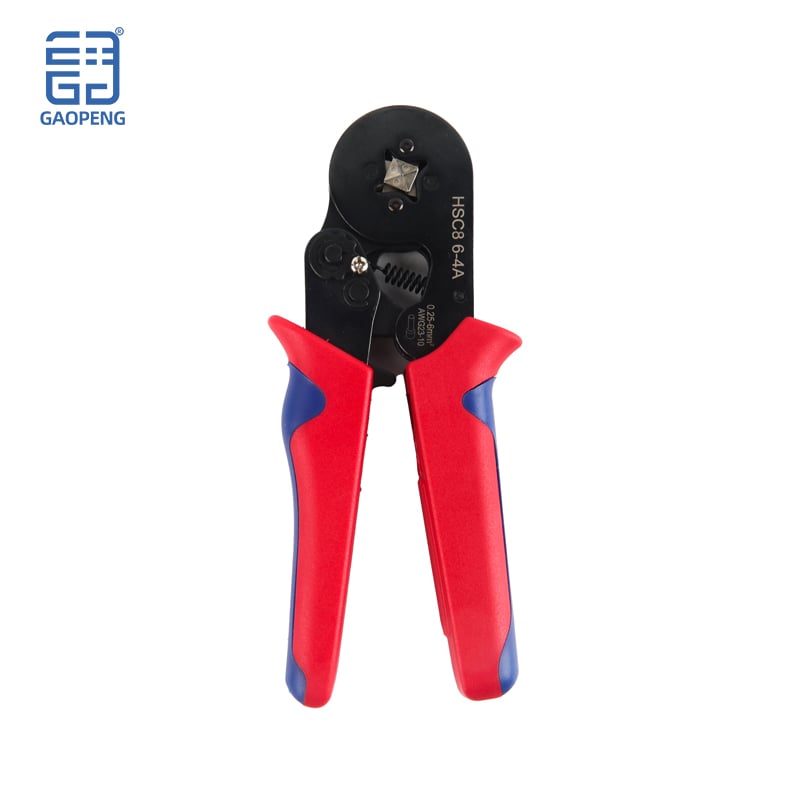
Our HSC8 6-4A, for example, covers 0.25–10 mm² (AWG 23–7) with a ratchet mechanism, and it’s CE/TUV certified. Once you start the squeeze, it won’t let go until the crimp is done.
Q3: Do I need different tools for different terminal types?
Ideally yes, because Insulated Terminals, non-insulated terminals, and ferrules need different die profiles:
- Insulated terminals(nylon/PVC/heat shrink) need a die with a center “stop” that presses the barrel onto the insulation collar without crushing it.
- Non-insulated terminalsneed a plain barrel die.
- Ferrules (Cord end terminals)need a hexagonal or trapezoidal die for the thin barrel.
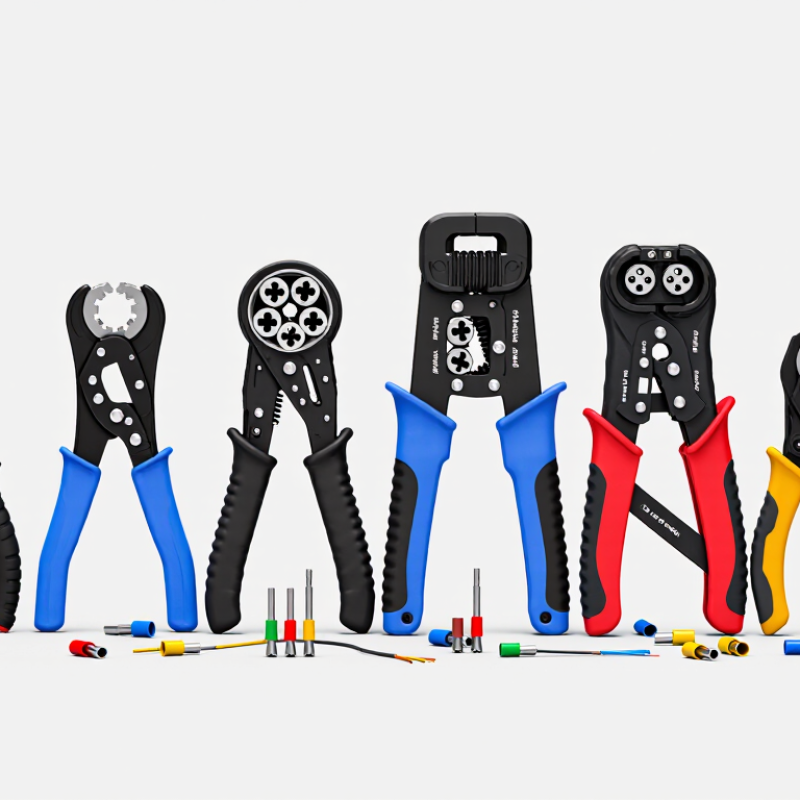
If you’re working with one terminal family, buy the tool matched to it — a universal “crimp everything” tool usually does nothing perfectly. Our HSC8 6-4A is the insulated-terminal workhorse; the SN-48B mini crimper covers non-insulated terminals; the SO16-6 is a self-adjusting model for mixed insulated work. Matching the die to the terminal is what makes the crimp gas-tight.
Q4: What is a self-adjusting crimper, and is it worth it?
A self-adjusting crimper reads the barrel size automatically — you don’t switch dies, you just squeeze. Our SO16-6 and HS-30J work this way. It’s ideal for:
- Field service and maintenancewhere technicians meet every wire size in one job.
- Shops that don’t want to track a drawer full of dies.
- Training new staff— one less thing to get wrong.
The trade-off is price and flexibility: self-adjusting tools cost more, and a fixed-die ratchet tool is often more precise for high-volume production of one or two sizes. Most professional shops own both: fixed dies for the production line, self-adjusting for the service van.
Q5: What should I look for in a crimping tool?
Five things, in order:
- Ratchet mechanism— non-negotiable for consistent crimps.
- Correct die range— check it covers your wire sizes (mm² and AWG both printed on the tool is a good sign).
- Color-coded or quick-change dies— our tools use tool-less, color-matched dies that swap in seconds, so the die matches the terminal sleeve color.
- Comfort— a spring-assisted handle reduces hand fatigue by roughly half on long days; nobody produces good crimps with a cramping hand.
- Certification— CE/TUV marks mean the tool has been independently checked; in export markets some customers require it.
Q6: How do I know my crimp is good?
Three checks, from quick to thorough:
- Visual:the barrel should be evenly compressed with no strands sticking out the back, and the insulation collar should be held, not crushed. Pull on the wire — it should not come out.
- The pull test:a good crimp on a 1.5 mm² terminal should hold several times the expected operating load. If the wire slides out with a firm tug, the crimp failed — recrimp or cut and redo.
- Milliohm check (for serious work):measure contact resistance across the crimp. Our insulated terminals are tested to under 0.5 mΩ at 20 A; if your measurement is far above spec, the tool or die is wrong.
Q7: Any tool advice for buying in bulk or equipping a team?
If you’re a distributor adding tools to your catalog, or a manufacturer equipping a line:
- Standardize on one tool familyso dies, maintenance, and training are shared across the shop.
- Buy the matching tools and terminals from one source— a tool tested against the actual terminals it will crimp is a tool you can trust. We test our tools against our own terminal range, and we publish the specs.
- Stock spare dies— they wear out before the tool does.
And if you’re choosing between a $10 crimper and a proper ratchet tool, think about what a failed crimp costs in your application. In a warranty claim or a field callout, the difference is the price of the tool many times over.