



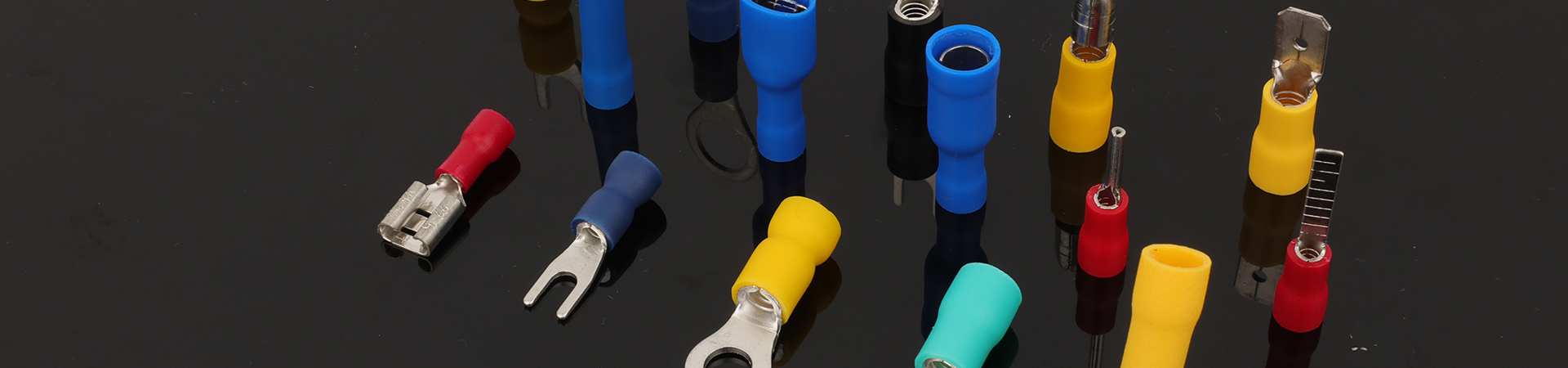
Marine Salt Spray Corrosion: Why Adhesive-Lined Heat Shrink Terminals Are Non-Negotiable
The Hidden Enemy: How Salt Spray Decides the Fate of Your Marine Wiring
If you are managing a fleet of commercial vessels or manufacturing marine electronics, you’ve likely encountered the "green crust"—that chalky, turquoise residue that signals the death of an electrical connection. In the industry, we call it copper carbonate or copper chloride corrosion. While it might look like a simple cleaning task, for B2B buyers and marine engineers, it represents a systemic failure that can lead to catastrophic navigation loss or bilge pump failures at the worst possible moment.
The core problem isn't just the water; it's the salt. Salt spray is one of the most aggressive electrolytes found in nature. When it settles on an electrical connection, it doesn't just sit on the surface. Through a phenomenon known as capillary action, saline moisture is literally pulled into the wire strands, creeping under the insulation and corroding the conductor from the inside out. This isn't just surface rust; it's an internal attack that destroys the wire's cross-sectional area, increasing resistance and eventually leading to localized heating or total failure.
Q: Why do standard PVC or nylon insulated terminals fail so quickly in marine environments?
The answer lies in the seal—or rather, the total lack of one. Standard terminals are designed for dry, climate-controlled environments like a home or office. In a marine bay, these terminals leave a gap between the insulation sleeve and the wire. This gap is the perfect entry point for "salt creep." Even if you wrap the connection in electrical tape, the vibration of the vessel and thermal expansion/contraction eventually create micro-fissures that salt moisture will exploit.
Standard PVC insulation also tends to become brittle when exposed to UV light and fluctuating temperatures. Once the insulation cracks, the underlying copper is exposed. Without a hermetic seal, you aren't just making a connection; you're creating a ticking time bomb for the electrical system.
The Engineering Solution: Adhesive-Lined (Double-Wall) Heat Shrink Terminals
At Yueqing Gaopeng Electric, we’ve spent years analyzing failed marine connections. The solution that our OEM partners rely on is the Adhesive-Lined Heat shrink terminal. This is not your standard heat shrink. It is a "double-wall" system that provides two layers of defense:
- The Outer Layer: A high-grade polyolefin sleeve that provides heavy-duty strain relief and resists abrasion. It is designed to shrink to 3:1 or 4:1 of its original size, ensuring a tight fit even on varying wire gauges.
- The Inner Layer: A specialized hot-melt adhesive (the "glue") that melts as the sleeve shrinks.
When a technician applies heat, the adhesive flows into the interstitial spaces between the wire strands and the terminal barrel. It effectively "potting" the connection, creating a 100% airtight and waterproof physical barrier. Once cooled, the glue hardens, locking out oxygen and moisture forever.
Case Study: Why Tinned Copper is the Industry Standard
A waterproof seal is only half the battle. If the metal itself isn't marine-grade, you're still in trouble. We use High-Purity T2 Tinned Copper. The tin plating acts as a sacrificial barrier; it oxidizes much slower than raw copper. Consider a yacht's battery system: a raw copper lug might look fine on day one, but by month six in the Caribbean, it will be black with oxidation. Our tinned lugs maintain their low-resistance interface for the life of the vessel.
Installation Best Practices for OEMs
To get the most out of Gaopeng's adhesive-lined terminals, your assembly line should follow these three steps:
- Proper Crimp Depth: Ensure the crimper doesn't puncture the heat-shrink sleeve. We recommend professional-grade ratcheting tools.
- Even Heat Distribution: Use a heat gun with a deflector nozzle. This ensures the adhesive flows evenly around the entire circumference of the wire.
- Visual Inspection: A successful seal is visible. You should see a small ring of adhesive squeezed out from both ends of the terminal sleeve.
B2B Sourcing Insight: The ROI of Quality
For a procurement manager, it might be tempting to source standard terminals to save $0.15 per unit. However, the cost of a warranty claim or a service call to a remote dock easily exceeds $500. By specifying adhesive-lined terminals from a certified manufacturer like Gaopeng Electric (ISO 9001, CE, RoHS), you are essentially buying insurance for your brand's reputation and significantly reducing the total cost of ownership for your customers.