The day after a fair closes, the hall is empty and the real work starts, because the fair is where the conversation is made and the work is where the conversation is finished. Every buyer who stood at booth 14.3J1415 this October left with a card or an email thread, and the card and the thread are the things that have to become a quote, a sample, and in the end a first order, and the steps between the conversation and the order are the steps this article walks through. We write it for the buyer who met us at the fair and is wondering what happens next, and for the buyer who met someone else at the fair and wants to know what the good version of the follow-up looks like. The honest answer is that the follow-up is a process, not a favor, and the process that is written is the process that runs.
The first week: sorting the conversations
The first week after the fair is the week the inquiries are sorted, because the conversations from the booth come in two kinds and the two kinds run two different tracks. The first kind is the standard part, the buyer came with the part they use today, the size and the material are known, and the track for that one is the quote, the price against the quantity, the packing, and the delivery term, and the quote is the step that takes a day or two once the quantity is on the table. The second kind is the custom part, the color that is not in the range, the profile that is not in the catalog, and the track for that one is the sample plan, the part we make for the check, the mold line if the profile is new, and the timeline that goes with it. The sorting is the step that keeps the two tracks from mixing, because the standard part that waits for the custom timeline is the order that cools, and the custom part that is quoted as a standard line is the quote that does not land. The first week is the week the two are separated and the two are dated.
The sample box, the step that moves the deal
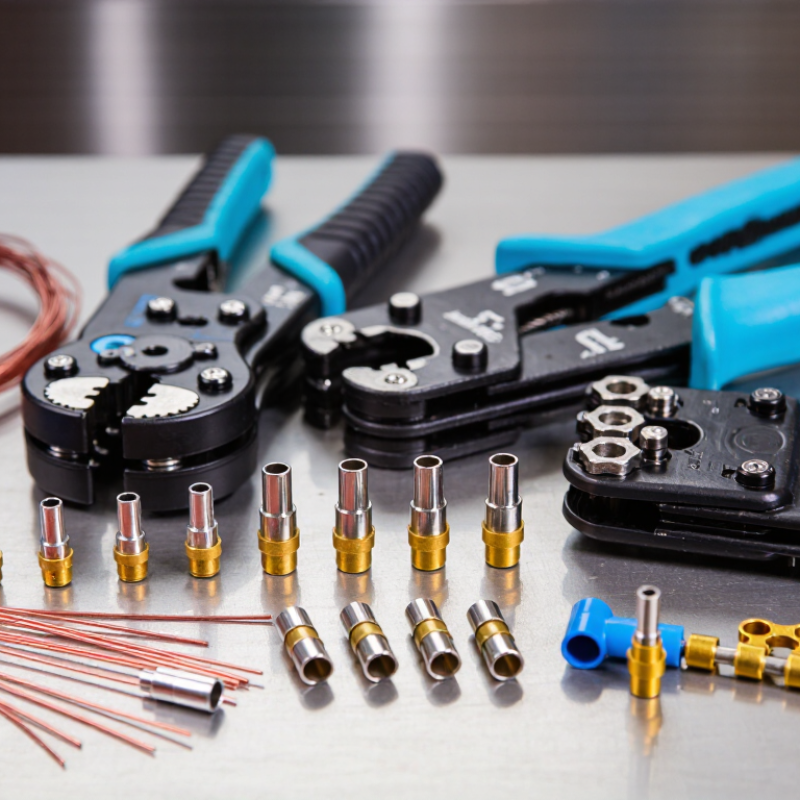
The sample box is the step that moves the deal from the conversation to the check, and the check is the step the buyer cannot do from a screen. The box is small and it is built for the check, the part in the size the application runs, the part in the color or the material the spec names, the data sheet with the size range and the current line, and the note that says what the part is for and what it is not for. The request for the sample is the line the buyer writes, the part number if they know it, the photo of the part they use today if they do not, and the quantity of the check, and the three are the three lines that make the box a sample instead of a gift. The box goes by the courier the way the order will go by the sea, and the sample that arrives as the buyer expects it is the sample that gets put on the bench and tested, and the test is the test that starts the first order. The sample is the step, and the step is the one the fair conversation is waiting on.
Custom parts: the own-mold path
The custom part from the booth runs the own-mold path, and the path is the path we built the OEM conversation on. The custom color is the first step, the color we run on the standard profile, and the color is the line the buyer names with the Pantone or the sample they hold. The custom profile is the second step, the shape that is not in the catalog, and the profile is the line the drawing carries, the dimensions, the material, and the size range. The mold for the custom profile is cut in our own shop, and the cut is the line the quote names, the cost of the tool and the count it is read against, so the buyer sees the two lines before the first custom part is made. The path is the path the fair conversation pointed to, the buyers who asked the custom question at the table are the buyers we now work the custom answer with, and the answer is the answer that is written on the quote the way the sample is written on the box.
The first order, the step that proves it
The first order is the step that proves the sample, and the first order is the order the two sides run the process on before the quantity runs. The first order is the trial quantity, the count that the line uses to check the part against the harness or the machine, and the trial is the trial that runs the packing, the marking, and the documents the way the full order will. The check before the shipment is the check we run under the ISO9001 process, the part against the spec, the count against the order, the packing against the plan, and the documents against the requirement, and the check that passes is the check that goes on the record with the order. The first order that runs clean is the first order the next order is built on, and the next order is the order the fair was for. The steps between the booth and the first order are the steps this article names, and the steps are the steps the follow-up runs on.
- Confirm the part, the size, and the material on the follow-up email.
- Name the quantity, the packing, and the delivery term for the quote.
- Request the sample with the part number or the photo of the current part.
- For the custom part, send the color or the profile drawing.
- Check the first order against the spec before it ships.
- Keep the record, the spec, the check, and the order, in one thread.
Related reading on this site
- https://www.cngaopeng.com/blog/how-to-read-a-terminal-part-number/
- https://www.cngaopeng.com/blog/how-to-read-a-terminal-datasheet/
- https://www.cngaopeng.com/news/meet-gaopeng-at-the-140th-canton-fair-booth-14-3j1415/
We are Yueqing Gaopeng Electric, a terminal manufacturer in Yueqing since 2016, and the follow-up on the inquiries from the 140th session is running on this process now. If you met us at booth 14.3J1415 and the conversation is still open, send us the part and the quantity, and the next step, the quote or the sample box, is the step we start.