The order is too big for one shipment, or the line does not need it all at once, and the question is how to split it so the split does not become a mess. The phased delivery is a normal structure for a terminal program, and it is the one that is won or lost in the PO, not in the email, because the email is where the phase goes when the PO did not write it. This article is when to split, the lines the PO has to carry, how the phase size is worked, and the three places the split goes wrong, from the factory side that has to ship it.
When a split is the right structure, and the three cases
- The line feeds just in time: the assembly does not want a year of the part, it wants the phase that matches the run, and the split is the phase plan, which is the structure our consignment and JIT context is built on, and the phase is sized to the run, not to the carton, because the carton is the line the run is fed by.
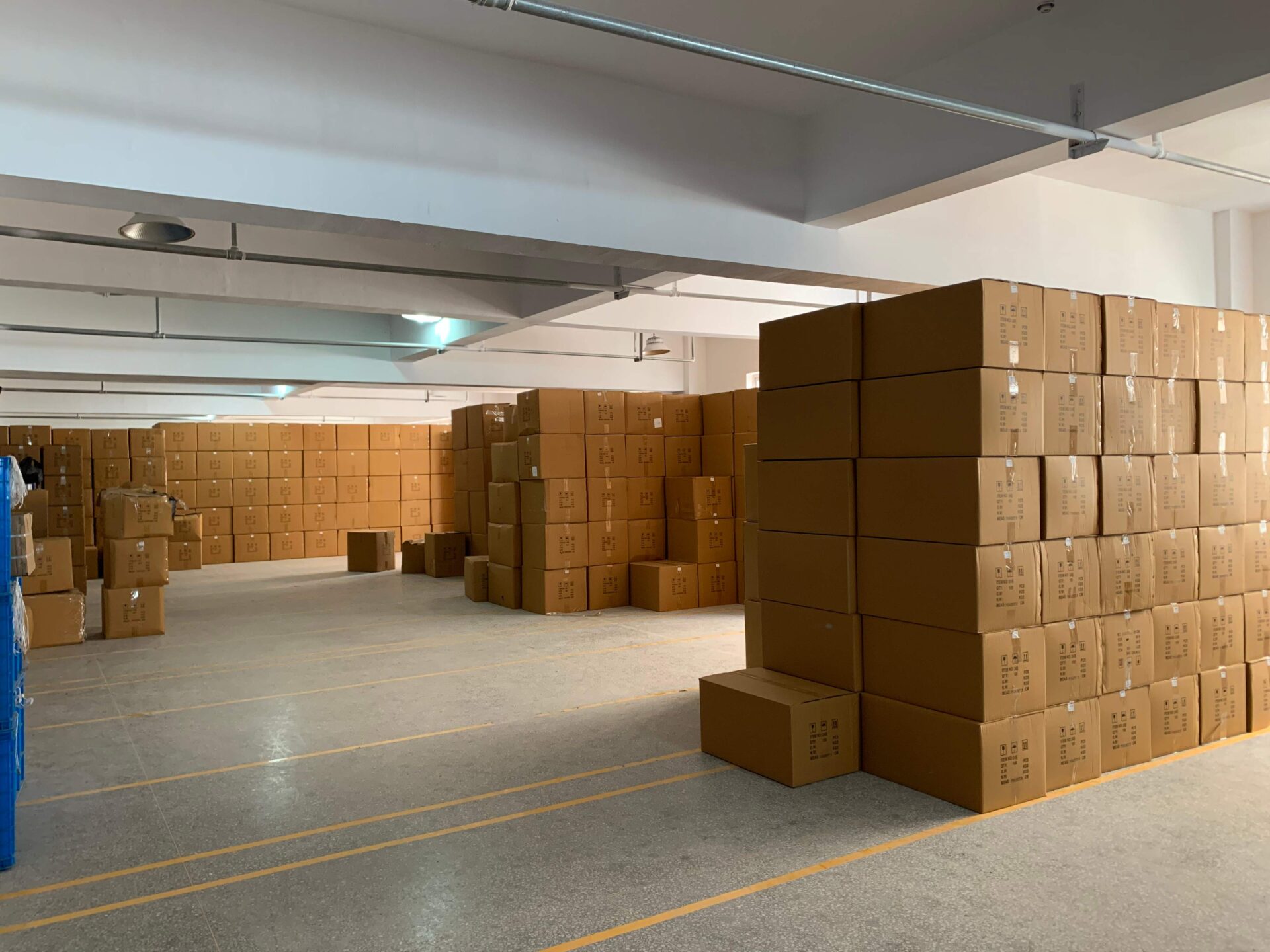
- The space does not fit one load: the quantity is real and the container is not, and the split is the space plan, and the phases are the loads, which is the story our container-loading article works through, and the phase is the load that fits, not the quantity that is left, and the left is the one that waits for the next.
- The cash and the risk: the first phase is the verification, and the rest follow the part that proved itself, which is the structure our verification-order article runs on, and the first phase is the bench, and the next phase is the line, and the line is the one that runs on the proof.
The lines the PO has to carry for the split to hold
- The phase plan, in the PO: the quantity per phase, and the window per phase, so the phase is a line of the order, not a note in the email, and the window is the range the phase ships in, not the date it is a promise, because the promise is the line the window is read against.
- The marking, per phase: the carton mark carries the phase, so the dock that receives phase two of three knows it is phase two, and the mark is the line from our packaging article, with the phase on it, and the phase that is not marked is the phase that is sorted by hand, and the hand is the cost the mark avoids.
- The documents, per phase: each phase ships its own packing list and its own B/L, and the documents are per phase, not per order, because the phase that shares the document is the phase that cannot be cleared alone, and the clearance is the line the document is checked on.
- The lot, across the phases: the copper lot and the plating batch that the phases come from, stated, because the phase is the quantity split, not the material split, and the lot is the line that keeps the three phases the one part, and the part is the one the line runs on.
How to plan the phase sizes, from the factory side
The phase size is a number the factory can run, and the number that runs clean is the one that matches the production and the packing. The phase that is a clean multiple of the bag count packs without a partial, and the partial bag is the line that costs the carton a slot and the invoice a line. The phase that matches a production run does not stop the line for a partial, and the stop is the cost the phase hides. So the phase size is worked from three numbers: the bag count, the production run, and the load that fits, and the three are the lines the plan is checked against, and the phase that is clean on the three is the phase that ships clean, and the one that is not is the one that costs, and the cost is in the plan, not in the shipment, because the plan is where the number is set.
The three places the split goes wrong
- The phase without a window: the quantity is split, and the date is not, and the phase that ships late is the phase the line waits for, and the window is the line the PO carries, or the phase is the factory’s schedule, not yours, and the schedule is the one the line does not plan on.
- The phase without its own documents: the three phases share the one packing list, and the customs that clears phase one cannot clear phase two from it, and the document is per phase, because the clearance is per phase, and the share is the line the clearance fails on.
- The split that splits the lot: the phase one is from the lot that is on hand, and the phase two is from the lot that is bought next, and the part is the same name with a different metal, which is the batch-consistency line the PO has to carry, and the lot is stated, or the split is the difference, and the difference is the one the life test finds.
We are Yueqing Gaopeng Electric, a terminal manufacturer in Yueqing since 2016. When the order is big, or the line is just in time, or the first phase is the verification, send us the phase plan, and we ship it to the plan, with the mark per phase and the document per phase and the lot across them, because the split that holds is the one the PO wrote, and the one the PO did not write is the one the factory guesses, and the guess is the line the plan is checked against.