The complaint we hear from buyers, fairly often, is the same one: the same part, three quotes apart, three different prices. The honest answer is one word, copper. This article is the mechanism, from the side of the factory that buys the metal, and the four ways a buyer manages the number so the surprise does not sit in the PO, because the price that is understood is the price that is signed.
How much of the price is actually copper
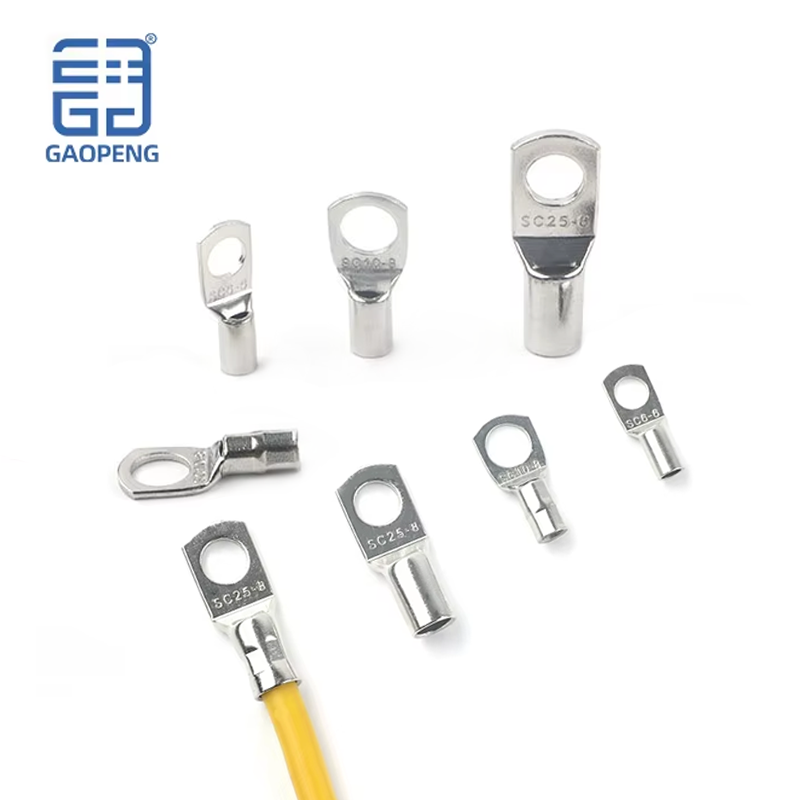
In a cold-pressed terminal, the copper is the largest single cost, and in a heavy lug it is most of the material cost. The resin, the plating, and the labor are real lines, but they move slowly, over years, not over weeks. Copper moves with the market, and the factory buys it in the week your order is confirmed, not the week the quote was written. That is why the deposit in our payment article is a material order: the deposit is what fixes the copper for your lot, and the price is the quoted price because the metal is the quoted metal. When the quote is accepted and the deposit is paid, the copper question is mostly closed, and the rest of the order runs on the price that was agreed, which is the state the program wants to be in, and the state the buffer stock is bought to protect.
How quote validity works from the factory side
A quote carries a validity window, commonly 30 days, and the window is the factory’s hedge against the market. Inside the window, the price holds even if the metal moves, because the factory has priced in a normal band of movement and is willing to carry it. Outside the window, or after a large move inside it, the quote opens to a price review. The review is not a renegotiation of the deal, it is a re-reading of the copper line against the market, and it is stated in the quote, not discovered after the PO. The validity date and the review rule are the two lines that turn a number into a contract, and both of them belong in the document, not in the email signature, because the signature is where the date goes when the date is not read.
The four ways a buyer locks the number
- Order inside the validity, with the deposit paid: the deposit fixes the copper lot, and the price is the quoted price, full stop. This is the simplest lock, and it is the one the deposit exists for, so a buyer who pays the deposit on time is a buyer who holds the price, and the one who waits is the one who re-quotes.
- Quote at the quantity tier you will actually run: the tiered price is the price of the tier, and the tier is held for the validity, so the quantity you plan is the quantity the price was built on, and a small slip does not move the order into a different tier and a different number, which is the slip that looks like a price increase.
- Write the review rule into the agreement, for a program: the price review runs on a stated cadence, against a stated index, with a stated cap per move, so the copper line moves on a rule both sides signed, not on a single email in a spike month, and the spike is where the unsigned rule shows.
- Carry the buffer stock: for a stable part with a known usage, the buffer bought in a calm week is the hedge against the spike month, and our quantity-planning article is where the buffer size is worked, because the buffer is a cost line with a number on it, not a guess with a feeling on it.
The four lines to check in the quote, before you sign
- The validity date, in the quote, not in the email signature, because the date in the document is the date that holds, and the date in the signature is the date that argues.
- The currency and the exchange rule, because a USD quote against a RMB cost is two moving numbers, and the rule for the move is the line that decides who carries it, and the quote that names the currency but not the rule is the quote that carries it twice.
- The review clause, stated or not, and if it is not stated, ask, because the unstated clause is the one that surprises in the month it matters, and the month it matters is the month the market moved.
- The quantity tier the price was built on, so the PO matches the tier it was quoted at, and the number on the PO is the number on the quote, because the PO that does not match the tier is the PO that pays the next one.
We are Yueqing Gaopeng Electric, a terminal manufacturer in Yueqing since 2016. The copper line is the one we cannot control, and the validity and the review rule are the two we can, so both are in the quote in writing, because a price that is locked is a price that was agreed on how it moves.